Hello Ningbo Huiho Cosmetics Packaging Co., Ltd. - China Mascara Tubes Packaging Manufacturers


Last season, a small beauty brand ordered 10,000 mascara tubes with screen-printed logos. After three months in a distribution warehouse, the logos began to chip around the closure threads. The brand had to relabel every carton before sending stock to retailers. That is the kind of scenario that convinces packaging buyers to switch to hot stamping.
Hot stamping transfers a thin metal or pigment foil onto a package surface using a heated die and controlled pressure. It produces a sharp, dense marking that is dry from the moment it leaves the machine. For color cosmetics packaging, it is one of the most reliable finishing methods when the goal is premium appearance, long-term legibility, and production speed. Below are the concrete advantages, with comparisons and practical data, to help you decide if hot stamping is right for your next project.
Content
Hot stamping works like a precision printing press. A metal or silicone die is heated, then pressed against a roll of foil. The heat releases the foil layer from its carrier film and bonds it firmly to the substrate. The process needs three variables controlled carefully: temperature, pressure, and dwell time.
Temperature usually ranges from 90 to 140 degrees Celsius, depending on the material and foil type. Too low a temperature gives incomplete release, while too high can burn the surface or leave ghost marks. Pressure must be high enough to transfer the foil evenly on curved or textured areas such as mascara tube shoulders, lipstick collar ridges, and eyeliner cap grooves. Dwell time is short, often below half a second, which is why hot stamping fits smoothly into high-speed packaging lines.
Because the foil is dry, there is no ink mixing, solvent evaporation, or curing delay. That makes hot stamping a very repeatable process for logo placement, batch codes, and decorative bands on mass-produced packaging.
Hot stamped foil delivers the richest metallic finish among common decorating methods. A bright gold or silver mark on a matte lipstick tube instantly raises the perceived value of the product. In-store, light reflects from the metallic surface, so the logo catches the eye faster than a flat printed design.
The foil layer becomes part of the package surface rather than sitting on top like ink. It resists rubbing, moisture, and mild chemical exposure. Mascara tubes stored in makeup bags with keys and coins will keep their logo legible much longer than screen-printed equivalents.
Because the image is defined by the die edge, hot stamping reproduces fine lines, small serifs, and thin borders with high clarity. This precision is essential for luxury cosmetics packaging where a blurred logo lowers the brand image.
Hot stamping works on paperboard cartons, ABS plastic caps, aluminum tubes, PET bottles, and even glass. This versatility makes it easier for brands to keep a consistent decoration style across a full product range, from lip balm to foundation.
Once the die is made, each stamping cycle takes less than a second. The process does not require drying time or expensive solvent disposal. For medium and large runs, the per-unit cost becomes very attractive compared with multi-step printing or labeling.
The radar chart compares hot stamping and screen printing across six factors that packaging buyers frequently evaluate. Hot stamping scores higher in visual impact, durability, precision, and material compatibility, which are the factors most often linked to premium brand perception. Screen printing shows a small advantage in cost efficiency because it uses simpler tooling for small batch work. Eco impact scores are close, since both processes can use low-emission materials when properly specified. The overall pattern confirms that hot stamping is a balanced choice for brands willing to invest slightly more per unit for a stronger shelf presence. The shaded area inside the red polygon also shows that there is no single weak dimension severe enough to hurt functionality.
The practical differences become clearer when put into a direct comparison. The table below rates each process on a 1 to 10 scale, using typical performance seen on plastics and aluminum packaging components.
| Factor | Hot stamping | Screen printing | Heat transfer | Pressure-sensitive label |
|---|---|---|---|---|
| Visual impact | 10 | 7 | 8 | 6 |
| Durability | 9 | 6 | 7 | 5 |
| Edge sharpness | 9 | 8 | 7 | 6 |
| Material coverage | 8 | 7 | 6 | 7 |
| Cost efficiency for large runs | 8 | 7 | 6 | 9 |
The horizontal bars show the same ranking in a visual format. Hot stamping leads in visual impact, durability, and edge sharpness, which are the three factors most directly tied to package quality. Screen printing only overtakes hot stamping in cost efficiency because its setup cost is lower and it requires no metal die. This means hot stamping is not necessarily the best choice for very short trial runs below a few hundred pieces. However, once quantities reach several thousand units, the hot stamping cost advantage grows because the process is extremely fast and the foil waste is easy to control. For a brand planning a full seasonal collection, hot stamping is typically the more profitable long-term decision.
Cosmetic packaging is rarely made from a single material. A mascara package may have an ABS cap, an aluminum collar, and a glass or plastic bottle. Hot stamping adapts well to all these surfaces as long as the die profile matches the contour. The chart below shows relative adhesion and wear resistance scores for hot stamping on four common substrates, based on typical production experience and accelerated rub testing.
The solid red line tracks hot stamping performance on paperboard, ABS plastic, aluminum, and glass. Paperboard and aluminum give the strongest bond because their surfaces allow the foil adhesive to wet out evenly. ABS plastic also performs well when the surface is clean and free of mold release agents, which is why most molded caps use hot stamping without primer. Glass is the most difficult because the non-porous surface requires a slightly heat-activated adhesive layer, but a good result is still possible with the right foil grade. The dashed grey line for screen printing is lower on aluminum and paperboard because ink tends to chip when the package is flexed or dropped. These results explain why many cosmetic brands use hot stamping for outer caps and collars while screen printing is reserved for simple labels and inner instructions.
Hot stamping is not just for luxury perfume boxes. It is widely used on mass-market color cosmetics because the process can decorate small curved parts without slowing down filling lines. On lipstick tubes, a hot stamped band around the base clearly separates the outer case from the inner mechanism, giving the product a more structured look. It is also a practical way to mark shade numbers on the bottom of the tube so that retailers do not need to open every unit to identify the color.
For lipstick tubes, a single stamp can combine a brand name, a subtle outline, and a metallic accent. This keeps decoration costs low while making the item feel more expensive than it is.
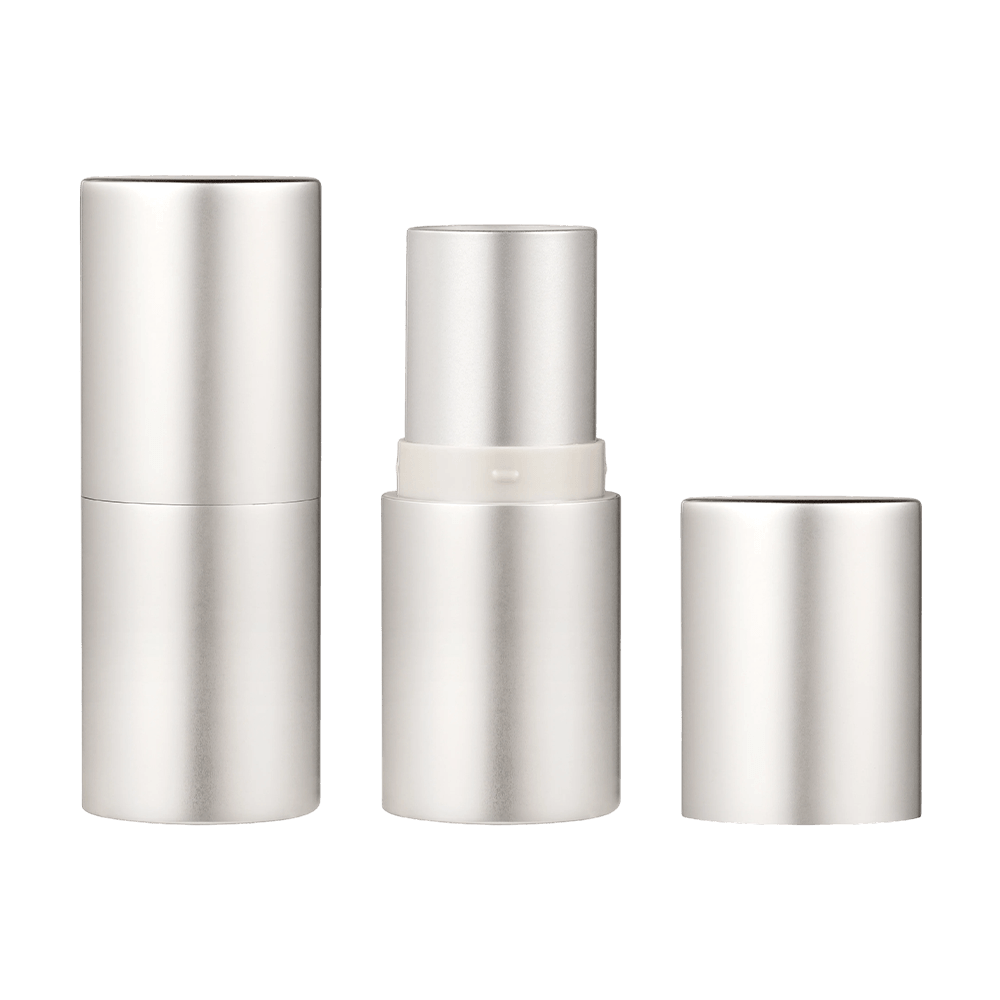
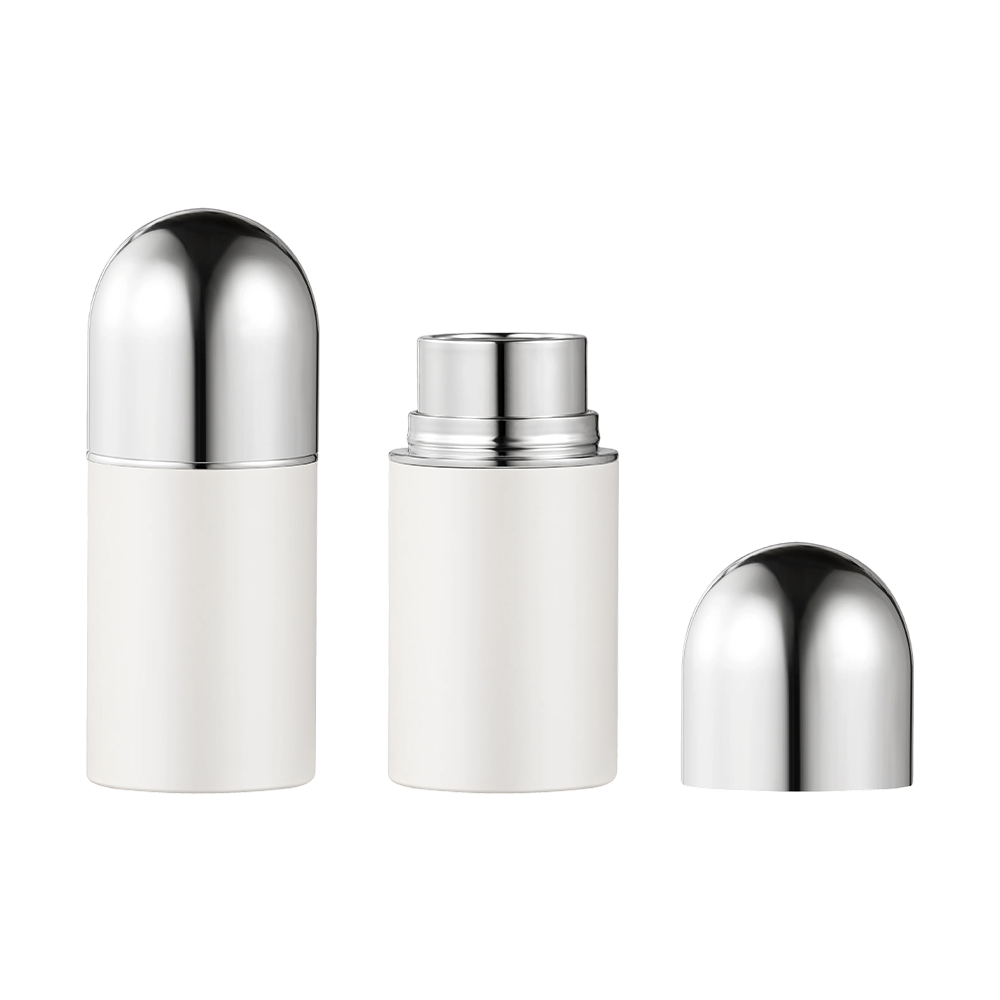
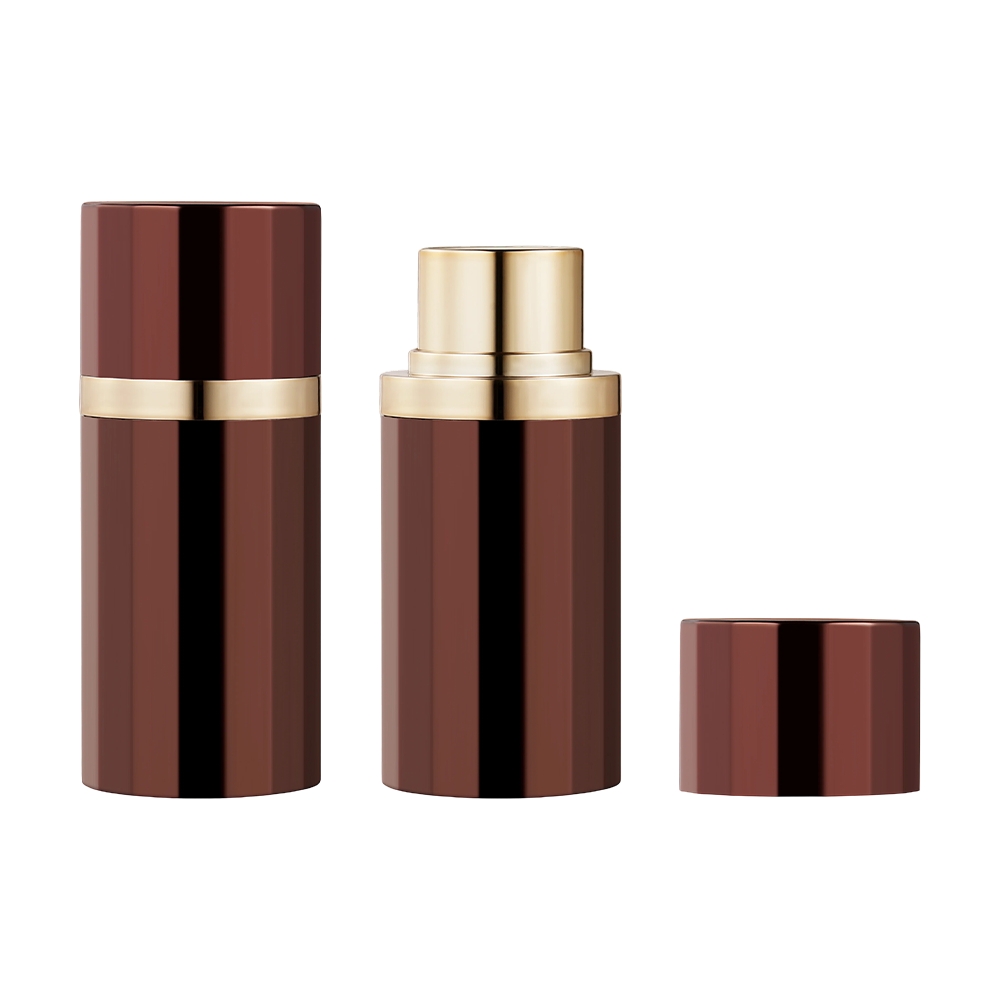
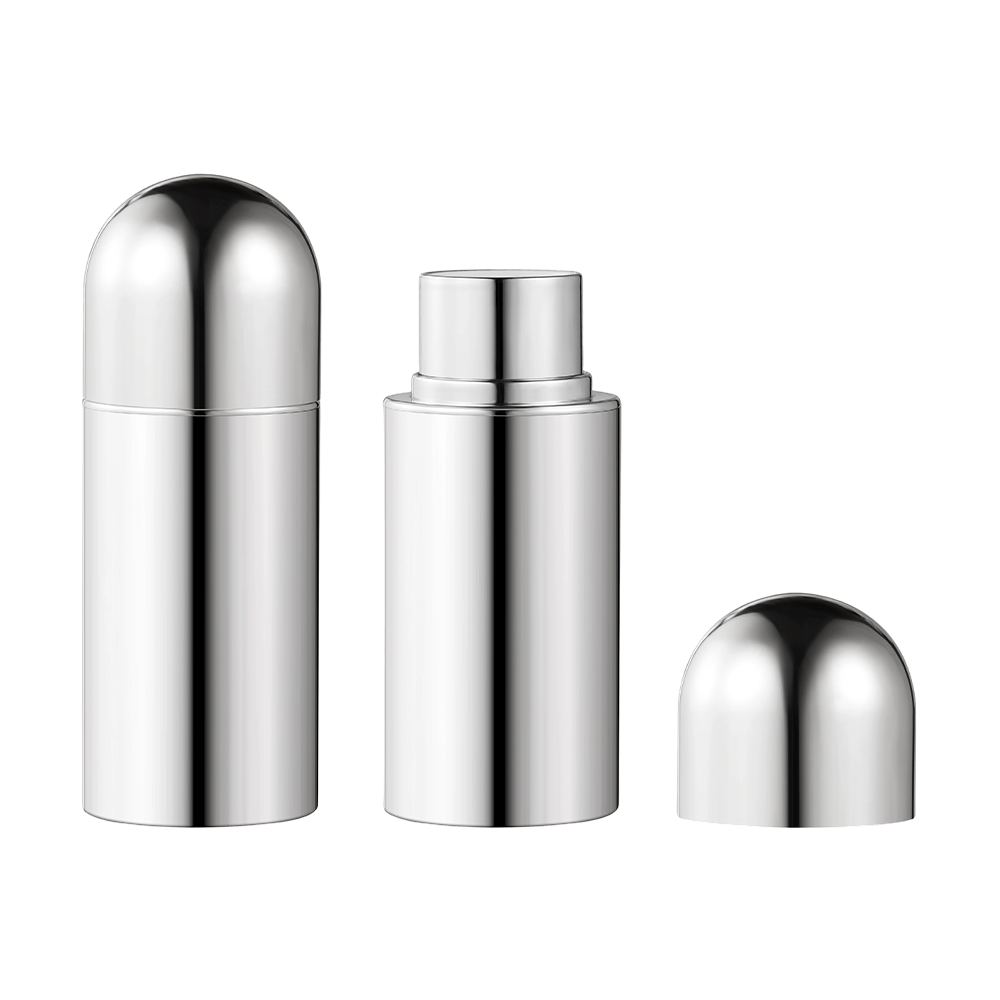
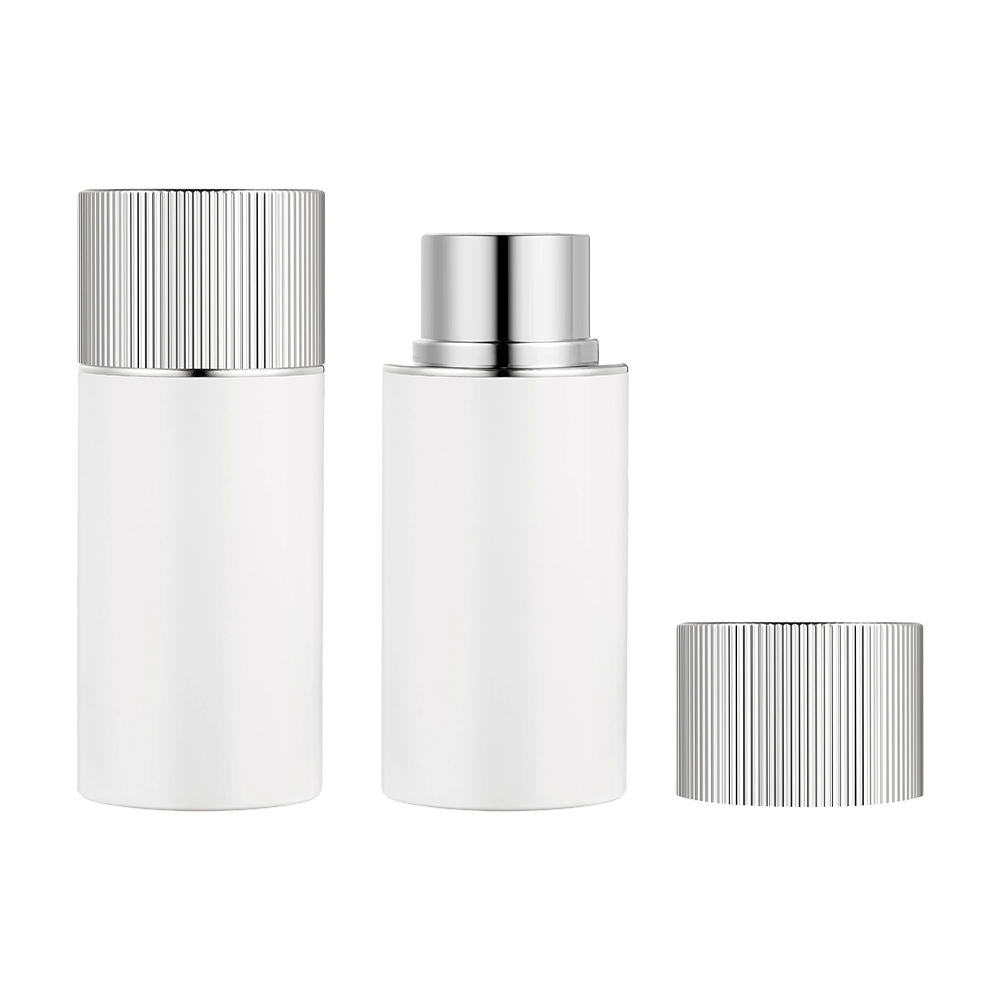
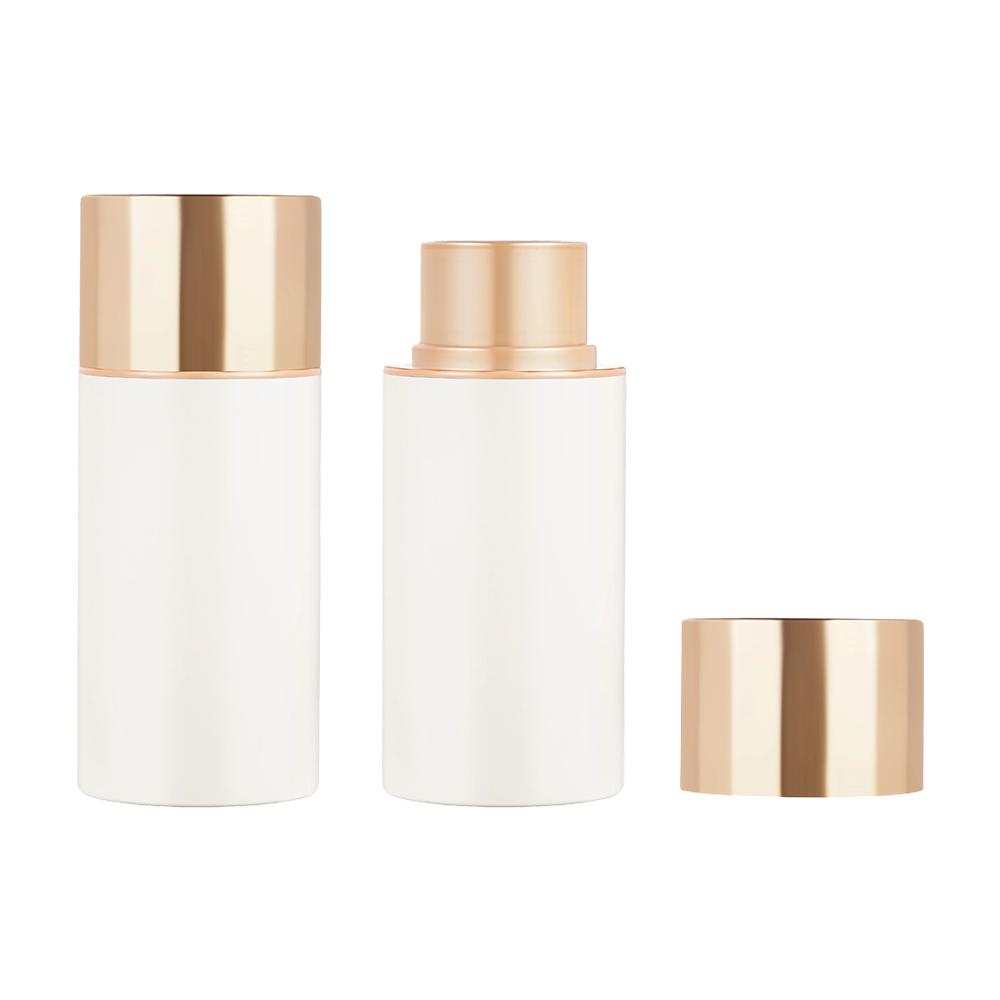
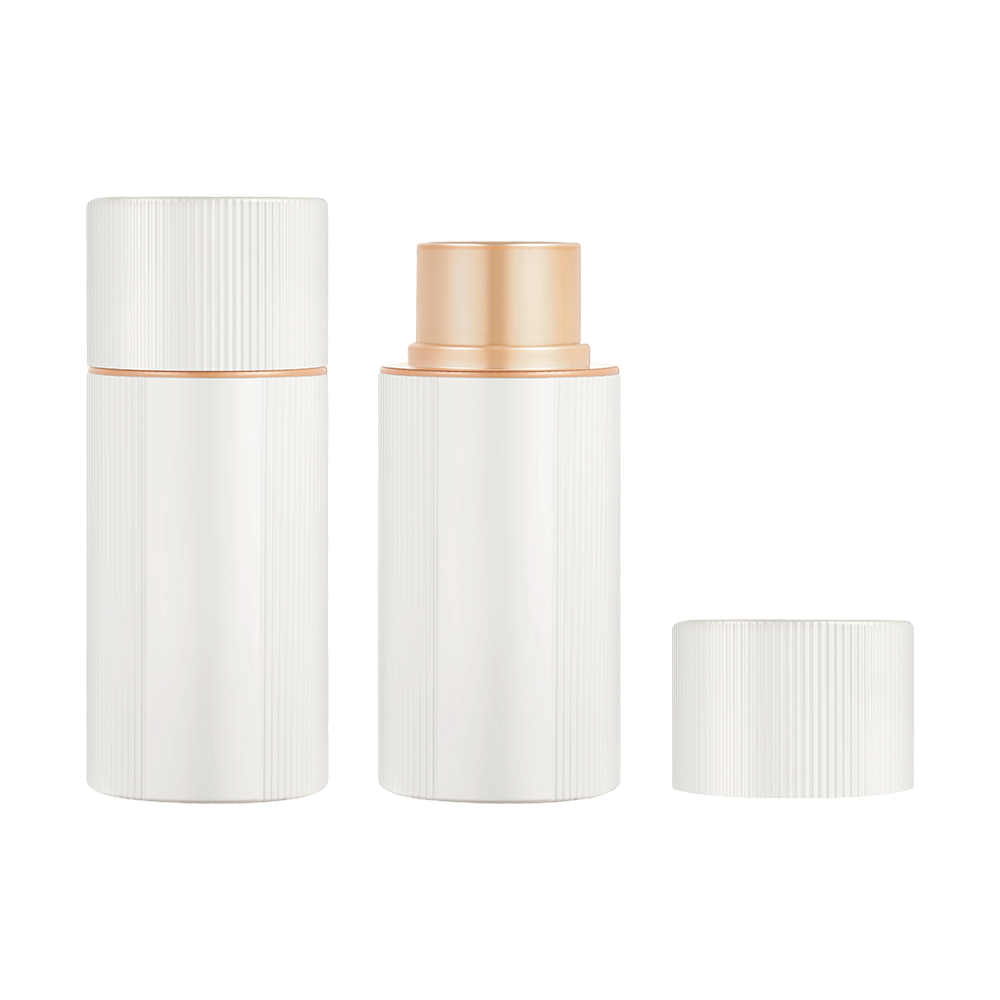
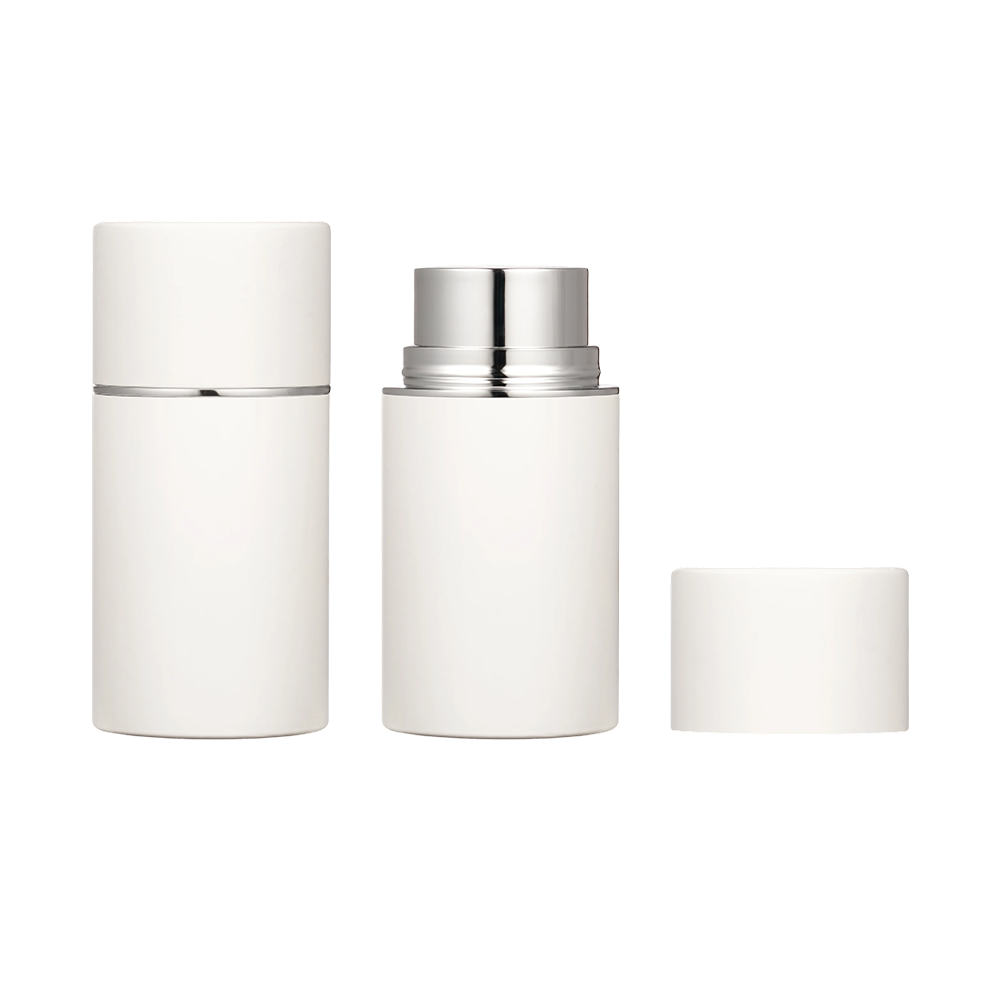
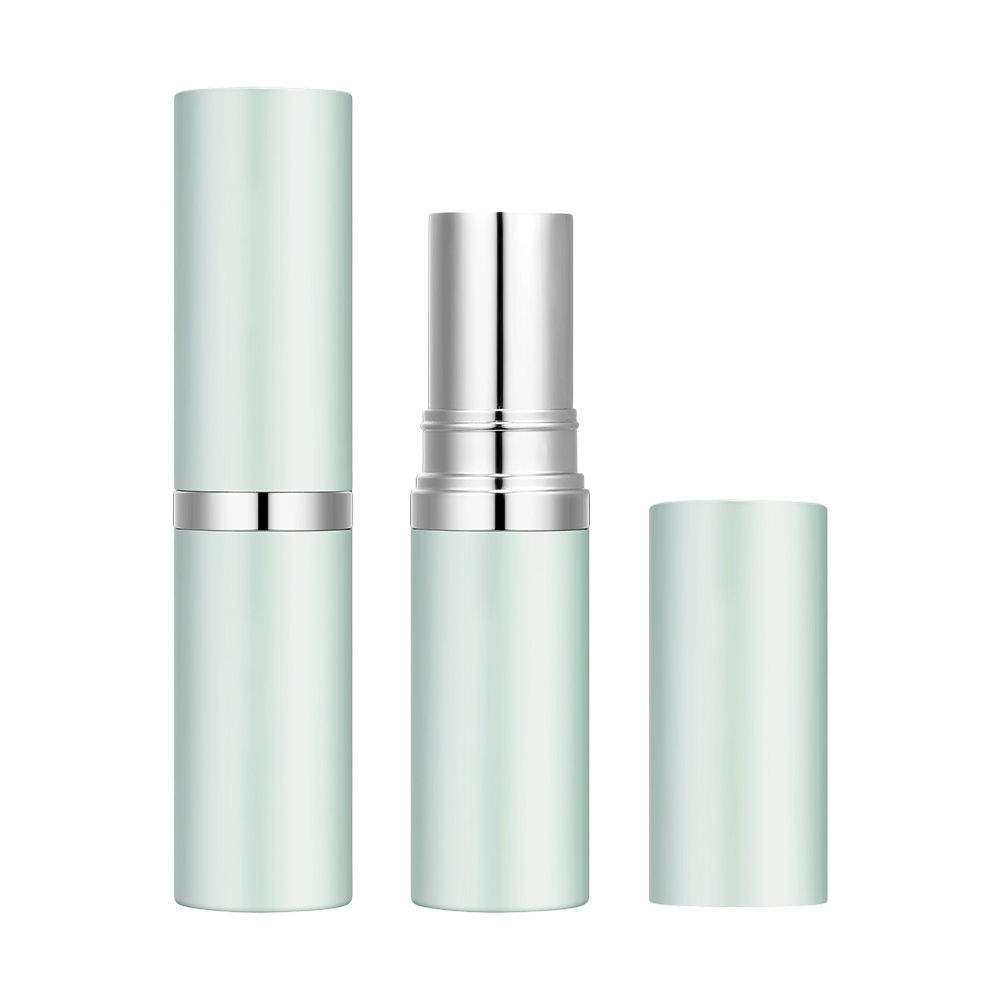
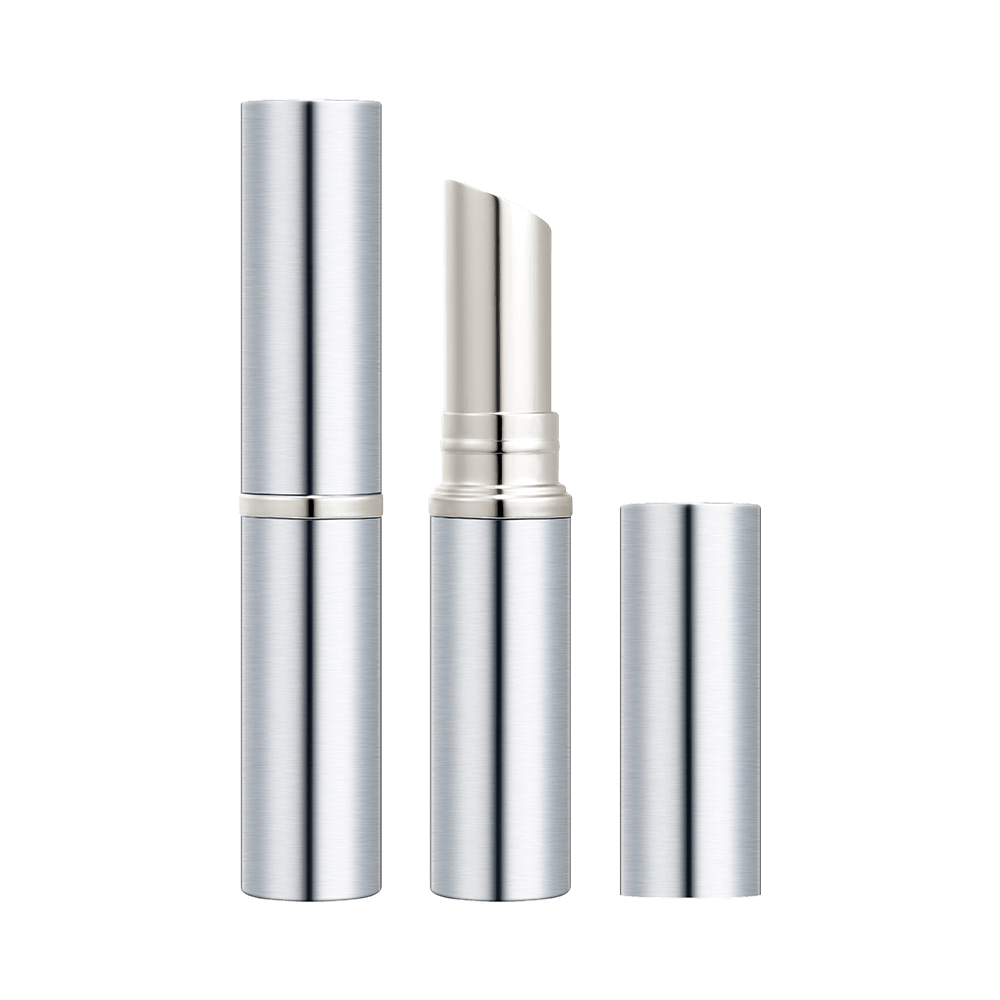
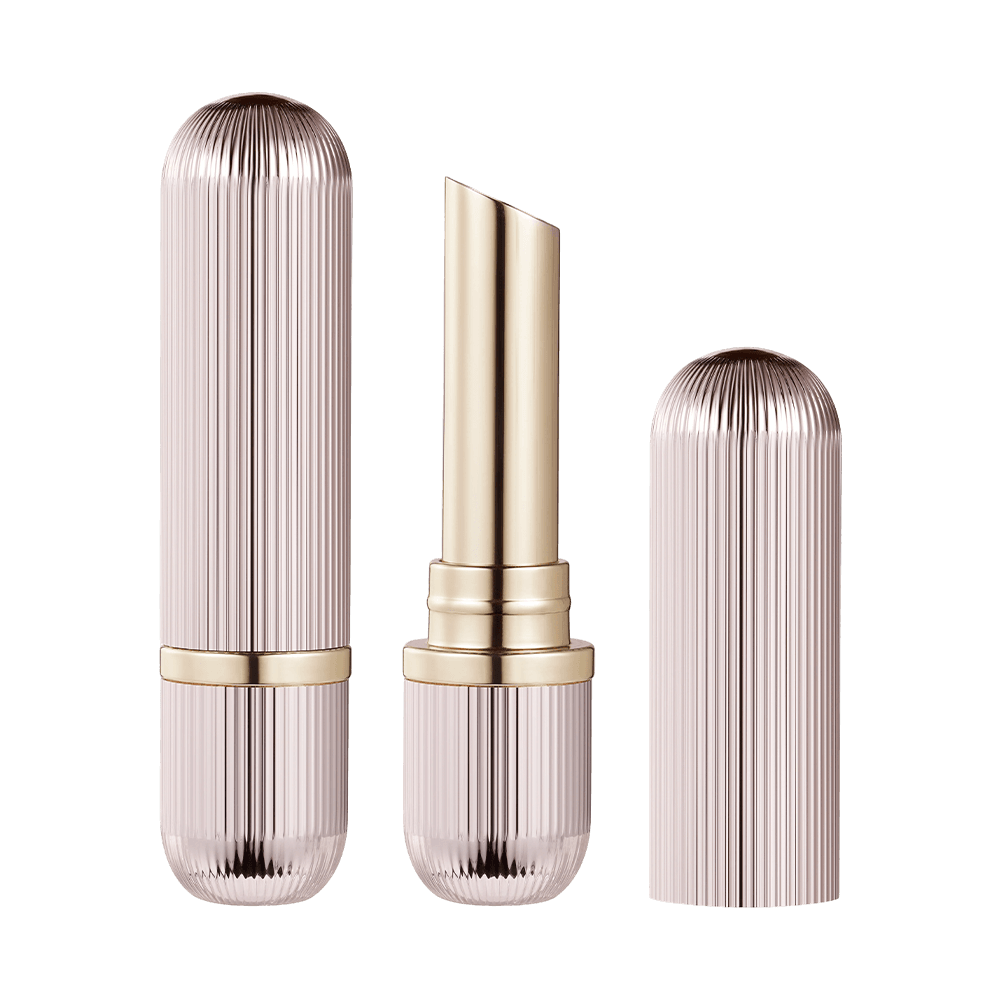
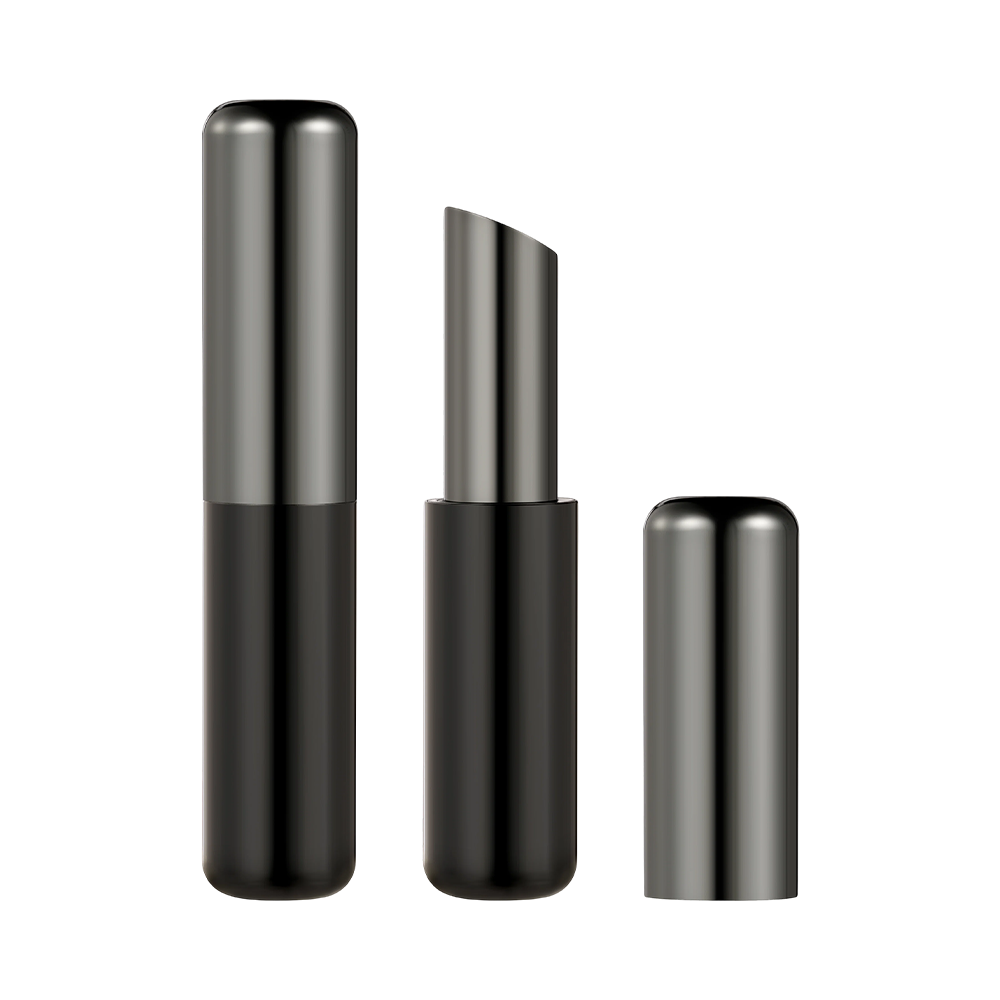
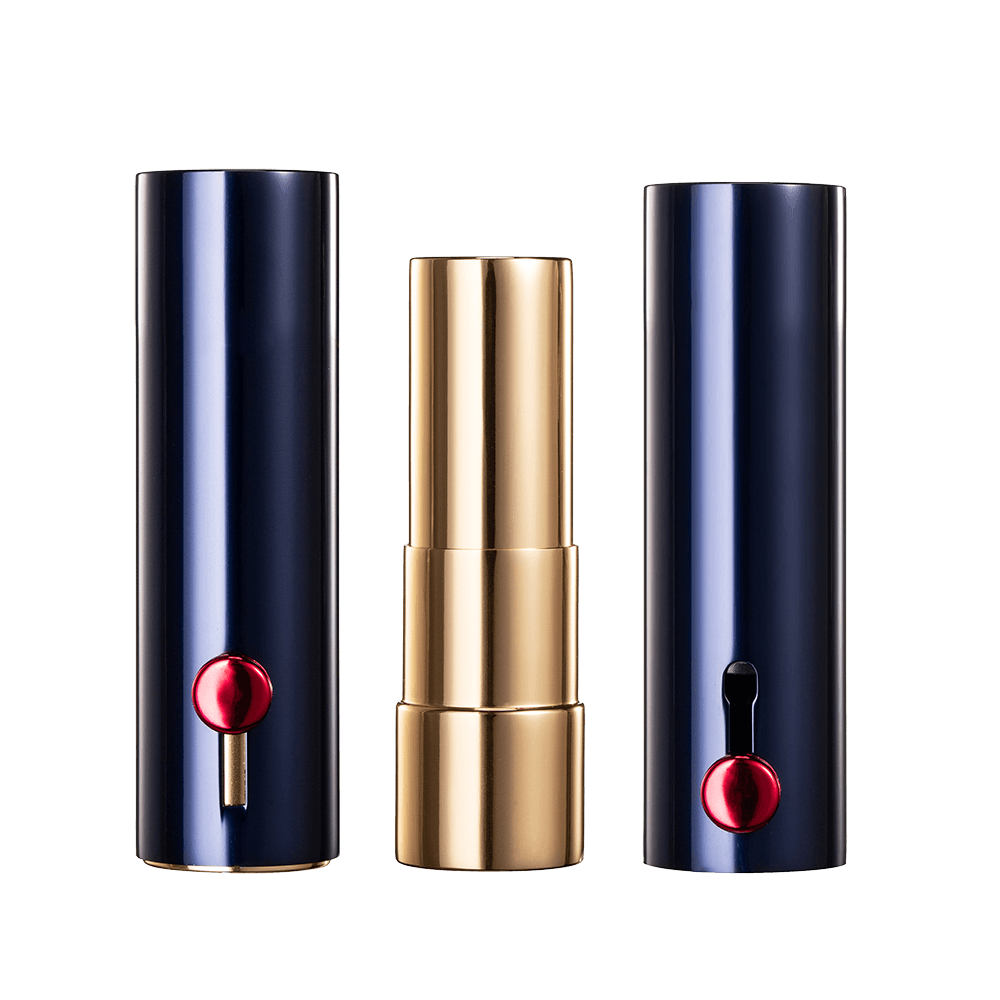 Lipstick Cases HL8210 with Hot Stamping FinishThis lipstick case model is suitable for hot stamped branding, helping to add a metallic accent and refined look while keeping decoration costs low for bulk production.View Product →
Mascara tubes benefit from hot stamping on the cap and collar. The closure area is handled constantly by the user, and a screen-printed logo on that surface often wears off within weeks. Hot stamped foil on the same area survives repeated twisting and wiping, especially when the tube uses an aluminum collar or an ABS cap with a smooth finish. A reliable mascara cap also needs good sealing geometry, so the decorating process must not distort the thread dimensions.
Lip gloss tubes with a hot stamped logo look clean and minimal. Some brands use holographic foil on the wand cap to create a playful shine that matches glossy lip products. The stamping area is small, so material cost remains low. For more details on how aluminum tubes improve product protection and branding, you can check our benefits of aluminum lipstick tubes article.
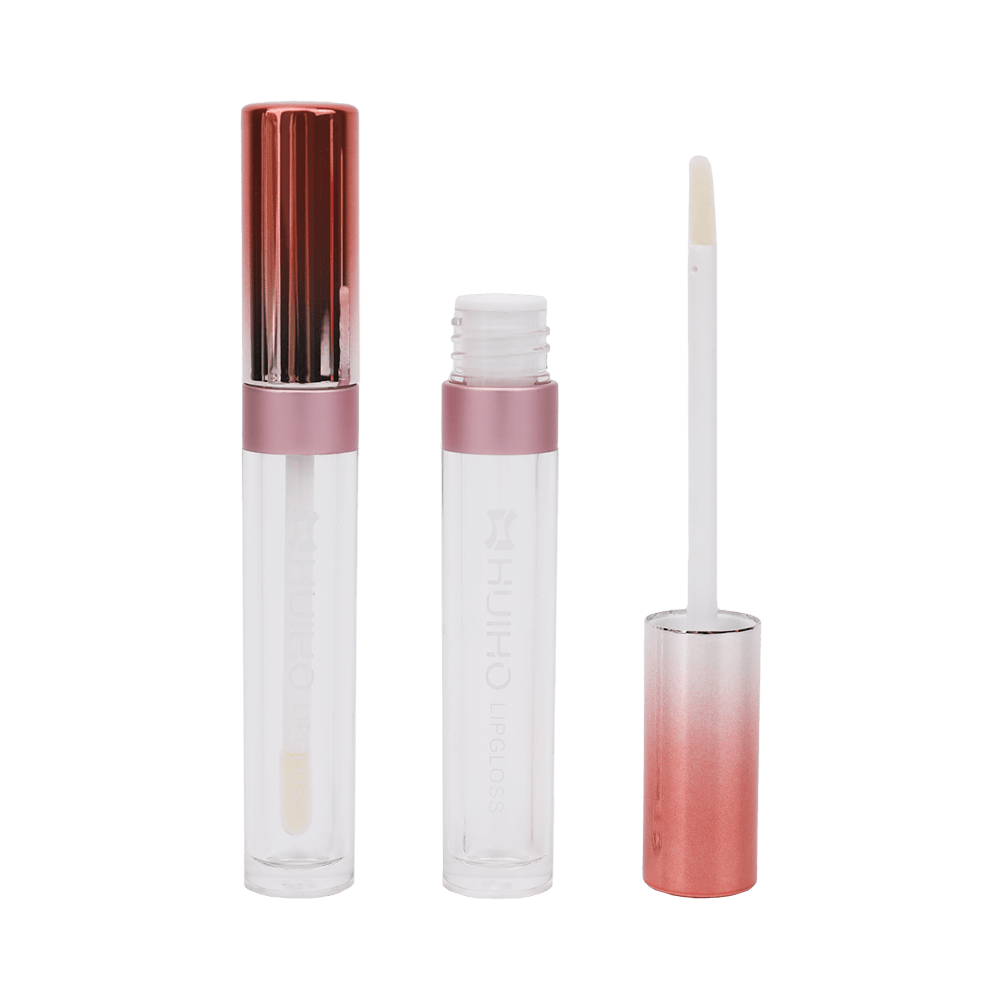 Empty Lip Gloss Tube Containers LG006This slim round lip gloss tube features an aluminum cap and PET bottle, offering a clean surface ideal for hot stamped logos or holographic foil accents.View Product →
These three examples represent the most common hot stamping applications in color cosmetics. Each one uses the process to solve a specific problem: cap durability, shade identification, or visual distinction on the shelf. The die cost is shared across the full production run, and because the stamping cycle is measured in milliseconds, the added cost per unit remains small compared with the perceived value gain.
Cost calculations for hot stamping should include four inputs: tooling, foil cost, cycle time, and scrap rate. The metal die is the initial expense, but the same die can be used for hundreds of thousands of cycles if stored carefully. Foil cost depends on surface area and color; metallic films are more expensive than matte pigment foils, but the difference is usually less than one cent per small cap. Cycle time is short, but the operator must still load and orient the part correctly. Scrap rate matters most on cylindrical surfaces, where uneven pressure can cause missing areas.
The column chart compares pattern integrity after 1000 abrasion cycles, which simulates normal handling during shipping and daily use. Hot stamping retains 96 percent of the pattern, while heat transfer drops to 86 percent, screen printing to 78 percent, and pressure-sensitive labels to 70 percent. The hot stamped layer is thinner and more tightly bonded, so it does not catch on fingernails or fabric edges as easily. This durability advantage becomes even more important on mascara caps because the user grips and twists the cap many times each day. A defective logo on the cap can cause the entire package to be rejected by a retailer even if the formula inside is excellent. By choosing hot stamping, a brand reduces that rejection risk and also reduces the need for expensive protective coatings.
Hot stamping is the strongest decoration method for cosmetic packaging when visual impact, wear resistance, and production speed are the priority. It requires a slightly higher upfront tooling budget than screen printing, but that cost is recovered in runs of a few thousand units and above. The process also gives brand teams a wide range of foil colors, from classic gold and silver to holographic and matte finishes.
Before committing, request a sample stamping on your actual production parts. Check the logo after a simple fingernail scratch test and after a wipe with isopropyl alcohol. Compare those results with the same test on a screen-printed sample. Most brands find that the hot stamped sample looks cleaner and survives longer. Once you confirm that, you can be confident that hot stamping is the right finishing choice for your packaging line.