Hello Ningbo Huiho Cosmetics Packaging Co., Ltd. - China Mascara Tubes Packaging Manufacturers


Inside a returned batch of mascara, the quality lab finds a thick, clumped formula that has visibly darkened. In another line, a concealer stick develops a crusted edge after six months in storage. Both problems share a root cause: air entered the package. An airless container prevents this by design. It replaces the traditional dip tube with a piston or a barrier that rises with the product, so the formula never meets outside air. For cosmetics brands and contract manufacturers, this structural change directly affects shelf life, formula stability, and the amount of product a consumer can actually use.
Content
An airless container is a dispensing system engineered to keep the product separated from external air throughout its entire lifecycle. Instead of a traditional dip tube that allows air to flow back after each pump, an airless container uses a mechanical piston, a collapsible pouch, or a barrier layer. When the user presses the pump, the piston moves upward and pushes the product toward the outlet. Oxygen, moisture, and microorganisms stay outside the chamber during each dose.
This design matters most for formulas that lose stability when exposed to air. Vitamin C, retinol, hyaluronic acid, and most cosmetic pigments are sensitive to oxidation. An airless structure keeps these ingredients intact, preserving the original shade, texture, and viscosity from the first application to the last. The technology has moved from dermatological creams into color cosmetics because consumers now expect mascara, concealers, and lip tints to stay fresh until the package is empty.
Switching from conventional packaging to airless containers is not just a visual upgrade. It changes several measurable performance metrics that brands monitor closely, including residual product rate, contamination risk, and dosing consistency. The table below compares typical behavior of traditional bottles and airless systems.
| Metric | Traditional container | Airless container |
|---|---|---|
| Product evacuation rate | 75 to 85 percent | 95 to 98 percent |
| Air exposure after use | Yes, with every pump | No air return |
| Preservative load required | Higher to compensate | Lower, formulation friendly |
| Risk of oxidation | Moderate to high | Very low |
| Dosing consistency | Variable, can be messy | Consistent and controlled |
Traditional containers typically leave 15 to 25 percent of the formula trapped at the bottom, especially when the product has higher viscosity. Airless systems push the product upward with the piston, so evacuation rates of 95 percent or more are achievable in well-engineered units. The chart below shows the difference visually.
The chart compares the average product evacuation rate between traditional containers and airless containers. Traditional designs usually leave between 15 and 25 percent of the formula unused at the bottom of the tube. Airless systems recover most of that lost material through the piston mechanism. The 16 percentage point gap shown here translates into measurable cost savings across a production run. It also reduces the frustration consumers feel when they cannot reach the last third of a mascara or concealer. From a sustainability angle, higher evacuation also means less formula waste reaching the environment.
The physical material of an airless container is just as important as its dispensing mechanism. Aluminum and engineered plastics are the two main families used in color cosmetics packaging. Each brings distinct performance, aesthetics, and cost trade-offs that influence how a formula behaves in real use.
Aluminum offers the strongest practical barrier against oxygen, moisture, and light. Cold-formed aluminum tubes and machined aluminum bodies are widely used for mascara, lipstick, and concealer formats. An interior coating and anodized surface treatment prevent chemical reaction between the formula and the metal, so the container remains safe even with active ingredients.
PET, PP, and ABS enable lighter weight, faster molding cycles, and more freedom in surface decoration. A PET bottle with an aluminum cap is a common hybrid in slim lip gloss tubes. The plastic wall provides shape flexibility, while the metal closure adds rigidity and a premium touch. For buyers comparing options, the materials and features available in lip gloss tube packaging include several hybrid combinations worth reviewing.
The radar chart below compares six attributes that directly affect packaging selection.
The radar chart compares aluminum and engineered plastics across six attributes that matter in airless packaging. Aluminum leads in barrier protection, durability, and premium feel. Plastics lead in light weight, cost efficiency, and design flexibility. Neither material dominates every axis, which is why hybrid constructions are becoming common. A plastic piston inside an aluminum shell, for example, combines the barrier strength of metal with the sliding behavior of plastic. The right choice depends on the formula type, the target price point, and the brand image you want to communicate.
To quantify the barrier differences in a single number, the next chart compares the barrier performance index of three common materials. The index combines oxygen transmission rate and water vapor transmission rate into a normalized score.
The vertical bars show a simplified barrier performance index derived from oxygen and moisture transmission data. Aluminum scores close to 95 because it blocks nearly all gas exchange. PET reaches around 65, which is acceptable for many oil-based formulas. PP trails at about 45, so it is best suited for short-shelf-life products or secondary barriers. These values vary with wall thickness and surface treatment, but the ranking remains stable across suppliers. Brands that need maximum protection should specify aluminum or a hybrid aluminum-plastic structure.
Mascara, concealer sticks, and lipstick tubes are the categories where airtight design has the strongest practical impact in color cosmetics. Mascara is exposed to repeated open-close cycles and direct contact with the wand. A well-sealed aluminum mascara tube with a tight spiral mouth and a correctly fitted wiper keeps the formula at the desired viscosity for the full shelf life. The sealing behavior of aluminum mascara tubes is one of the most important quality factors in this category, because a tiny leak can dry out the entire formula.
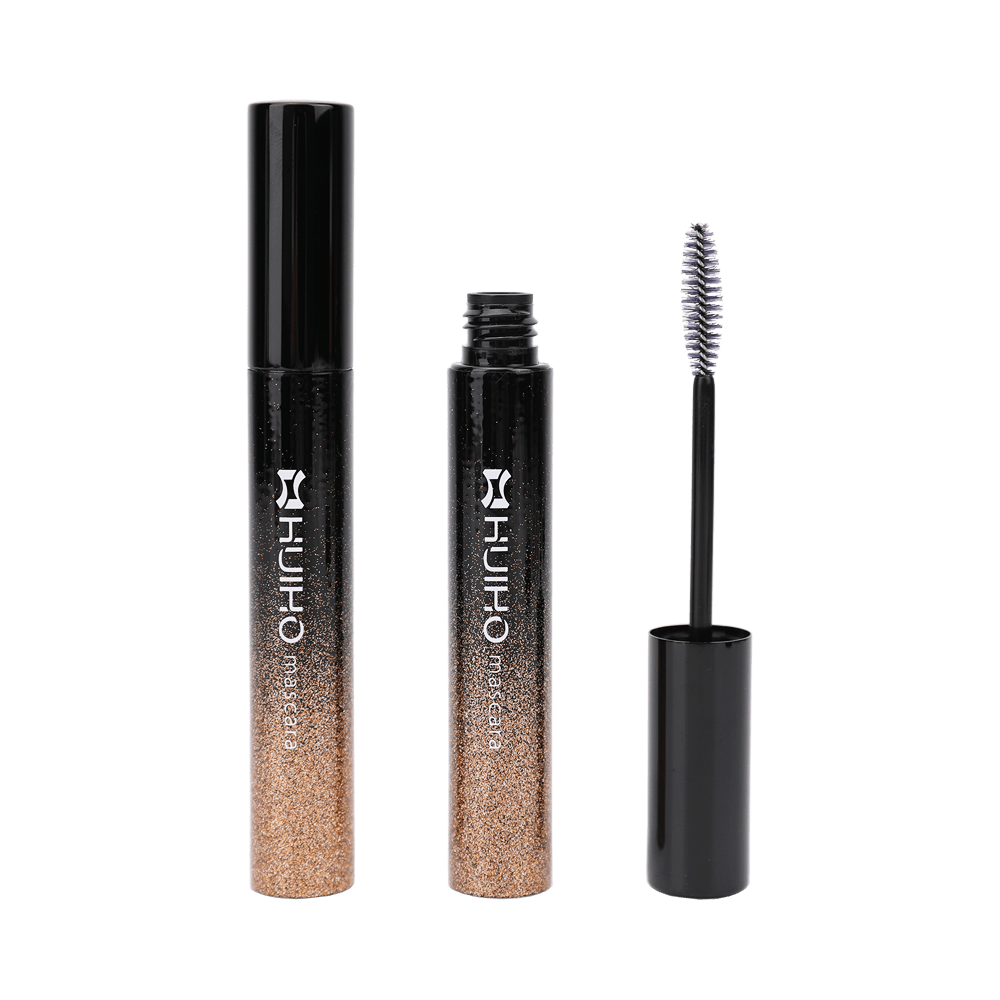 Airtight Aluminum Mascara Tube Container HM1063This empty aluminum mascara tube features a tight spiral mouth and fitted wiper to preserve formula viscosity through repeated open-close cycles, making it a reliable choice for mascara packaging.View Product →
Concealer sticks face a different problem. The product touches the skin directly and often contains active ingredients that oxidize quickly. An airtight stick case with a close-tolerance inner tray keeps the cream smooth, uniform, and true to the original shade. When the formula is creamy and pigment-heavy, even a small air gap can cause surface cracking or color drift.
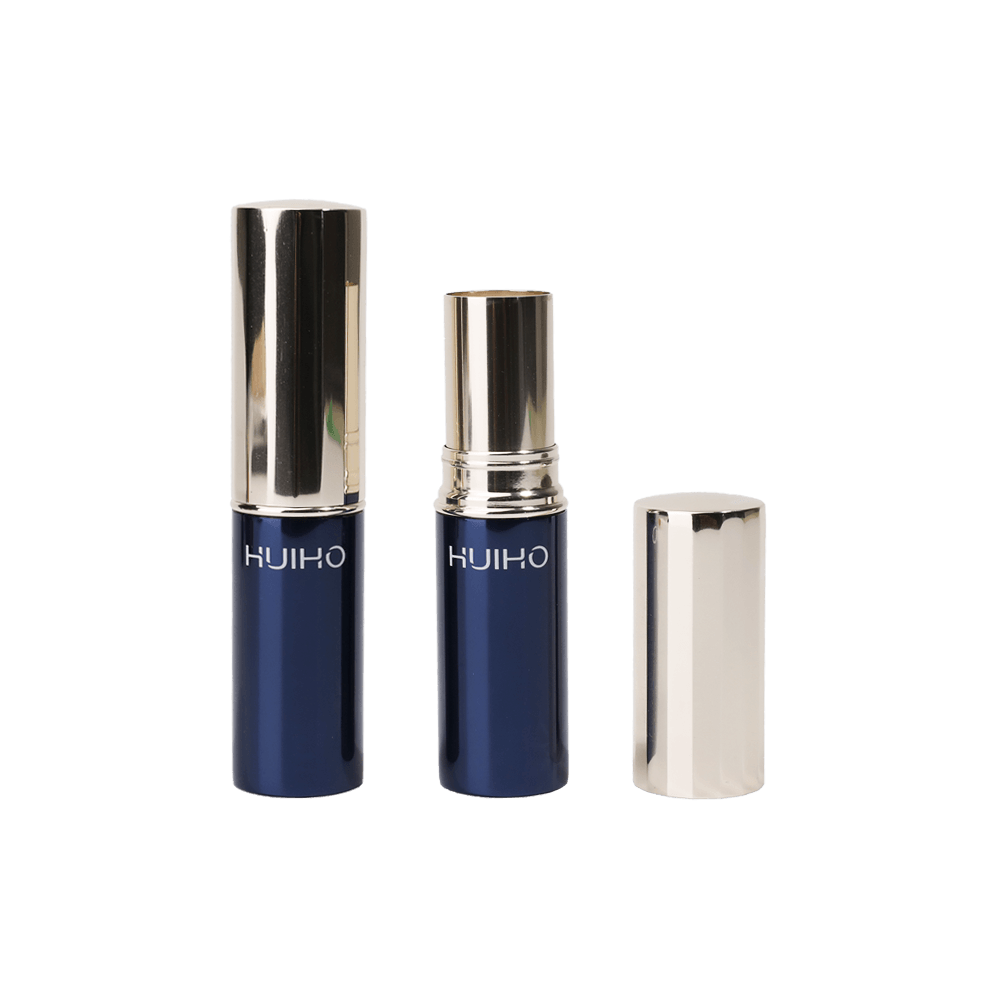 Airtight Concealer Stick Packaging Case HL8323Designed for concealer, blush, or highlighter sticks, this empty case with a close-tolerance inner cup helps keep creamy, pigment-heavy formulas smooth and true to shade by limiting air exposure.View Product →
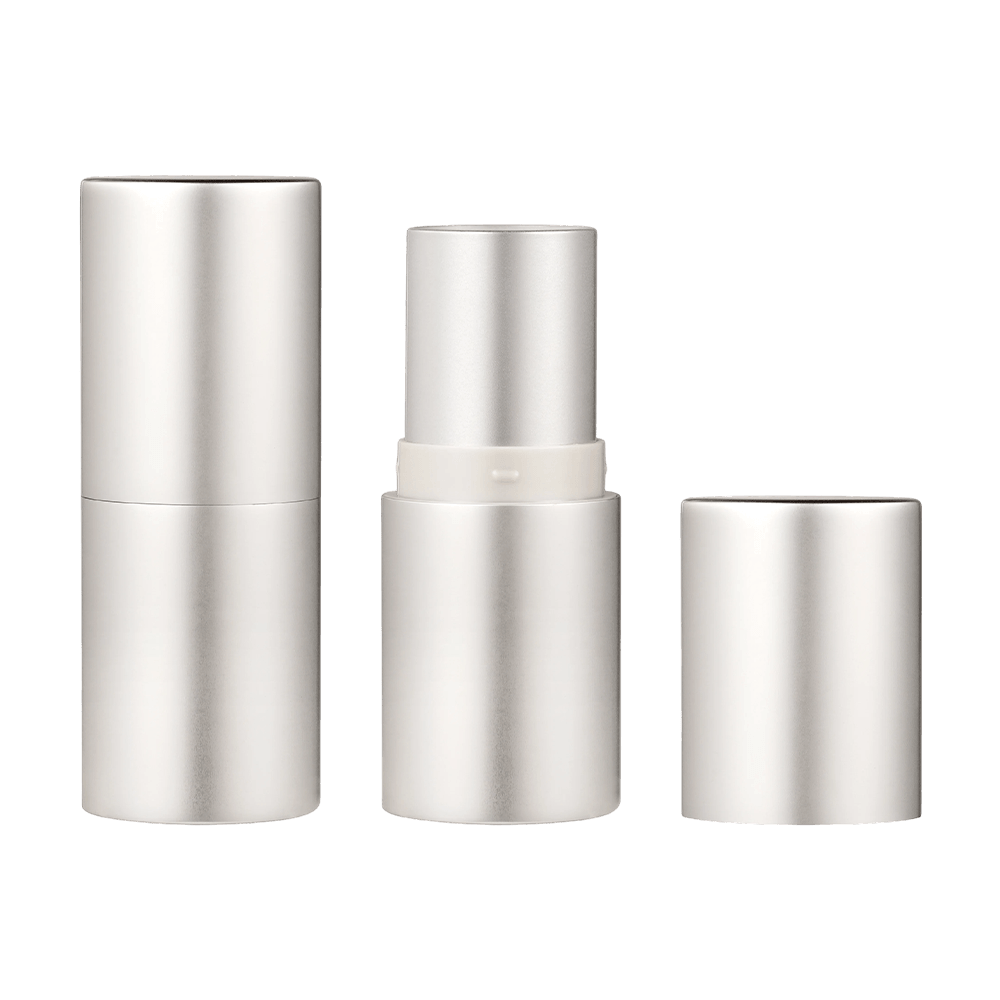
Lipstick tubes are judged by how well they protect the bullet and how smoothly the user can open and close the package. Aluminum lipstick tubes with magnetic or snap closures limit oxygen exchange at the cap-seat interface and slow the oxidation of the exposed bullet surface. The metal body also protects the fragrance and color from migrating through the wall. These features make aluminum a strong candidate for premium lipstick lines.
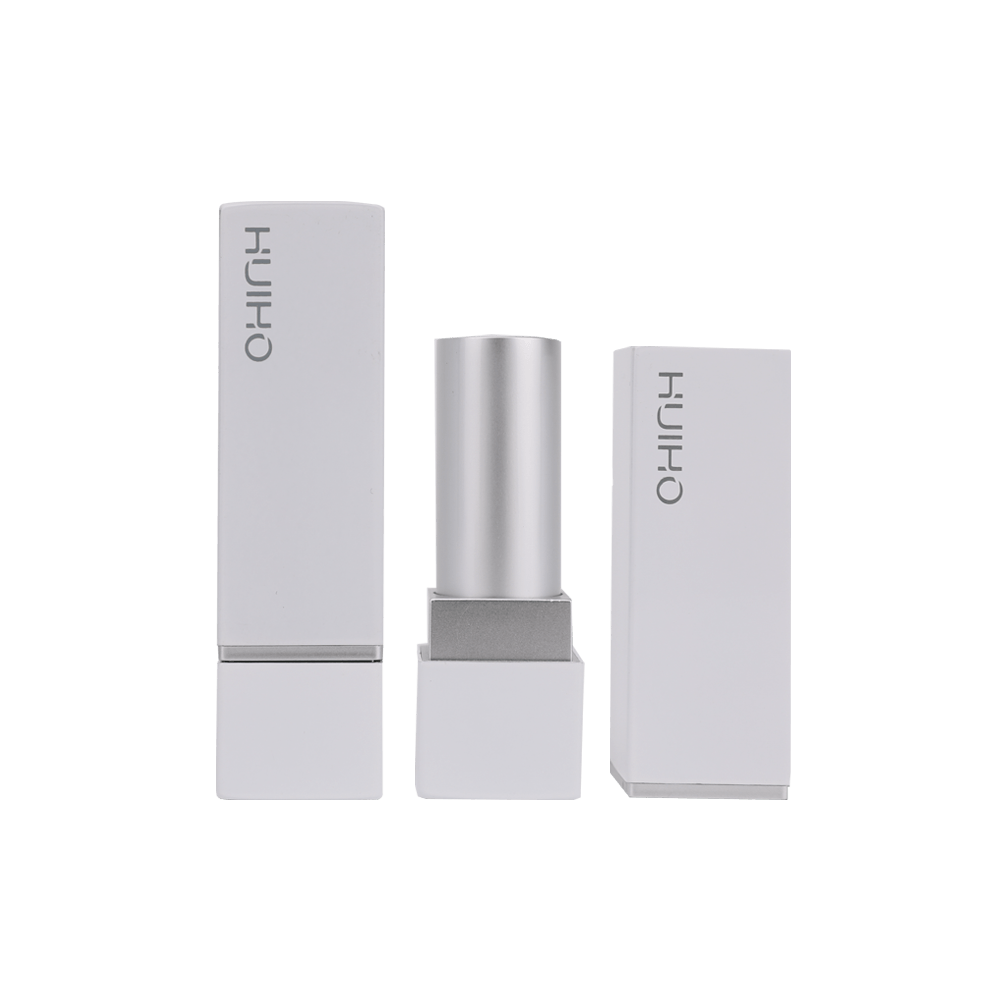 Aluminum Matte Lipstick Tube with Protective Closure HL8254This aluminum lipstick tube uses a metal body and secure closure to reduce oxygen exchange and protect fragrance and color, supporting premium lipstick packaging needs.View Product →
The chart below tracks the share of airless packaging in global color cosmetics product launches over the past six years. The upward trend reflects both consumer demand for fresher products and regulatory pressure to reduce preservative loads in leave-on cosmetics.
The line chart shows a clear upward trajectory for airless packaging adoption in color cosmetics. In 2021, roughly one out of five color cosmetic launches used an airless or airtight dispensing system. By 2026, industry estimates suggest that more than half of new launches will include airless features. The rise is driven by cleaner beauty standards and reduced preservative requirements in formula development. It also reflects consumer willingness to pay more for a product that stays fresh to the last drop. For brands evaluating new packaging, this trend means airless is no longer a niche premium feature but the default direction of the market.
Selecting a supplier is more important than selecting a specific container model. A well-designed drawing can fail without the right production tolerances, surface treatment control, and assembly quality. The following checklist covers the key areas to verify before mass production.
Because the aluminum parts and plastic components of our packaging are manufactured in the same facility, piston clearance, sealing surfaces, and surface treatments are controlled under one roof. This vertical integration reduces batch-to-batch variation and shortens lead times. A sample evaluation with your actual formula is always recommended before placing a bulk order.
Airless containers have become the most dependable way to protect sensitive cosmetic formulas from oxygen, moisture, and contamination. The material choice defines performance: aluminum provides the strongest barrier and a premium tactile feel, while engineered plastics offer lighter weight and broader decoration options. In color cosmetics, mascara tubes, concealer sticks, and lipstick tubes all benefit from airless or airtight construction when the sealing design and machining tolerances are executed correctly.
For buyers, the evaluation should start with sealing data, material certificates, surface treatment capability, and consistency across mass production. When those factors are verified, an airless container becomes more than a piece of packaging. It becomes a brand promise that every drop is fresh, protected, and fully usable.