Hello Ningbo Huiho Cosmetics Packaging Co., Ltd. - China Mascara Tubes Packaging Manufacturers


When a beauty brand invests months into formula development, the last thing they need is a packaging failure that lets air, light, or bacteria degrade the product. Airless jar technology has become the go-to solution for preserving sensitive formulations—from thick creams to liquid foundations—because it physically separates the content from the environment. In this guide, we break down how airless jars work, why they outperform traditional pots, and what materials and designs you should prioritize for your next product launch.
Content
An airless jar uses a mechanical pump or a pressure-driven system (often a screw mechanism with a piston) to dispense product without letting outside air back into the container. The interior chamber collapses as the product is used, meaning no oxygen, moisture, or bacteria can enter. This is fundamentally different from a standard jar where the user dips fingers in, introducing contaminants with every use. For brands selling active ingredients like retinol, vitamin C, or peptides, an airless jar is not a luxury—it is a requirement to maintain stability.
The bar chart above compares active ingredient retention across three common packaging formats after six months of storage at room temperature. Airless jars with an aluminum barrier preserve nearly all of the original potency (95%), while standard jars lose more than half of the actives. This difference directly affects product efficacy and consumer trust. Brands that rely on unstable ingredients cannot afford a packaging choice that accelerates degradation. The data underscores why airless technology is the standard for high-performance skincare and color cosmetics with active claims.
By eliminating oxygen exchange, airless jars stop oxidation—the primary cause of rancidity, discoloration, and loss of efficacy in oils, butters, and vitamin-rich creams. They also prevent evaporation of water or volatile solvents, so the texture remains consistent from first pump to last. No other common packaging format achieves this level of protection without adding onerous preservatives.
Standard jars invite bacterial growth every time a finger or spatula touches the product. Airless jars dispense via a pump or screw mechanism that never exposes the remaining product to external surfaces. This is especially critical for products used around the eyes or on compromised skin. Many dermatologists recommend airless packaging for sensitive consumers.
Because the internal environment is physically isolated from air and microbes, formulators can reduce or eliminate certain preservatives. This aligns with the clean beauty trend and delivers a purer label. However, it requires careful engineering of the dispensing system—a poorly designed airless mechanism can still leak or break, negating the benefits.
Choosing the right material depends on the product's weight, the brand's sustainability goals, and the required level of oxygen barrier. The following table outlines key differences.
The column chart illustrates the oxygen barrier score for two common airless jar materials. Aluminum achieves near-perfect protection (98 out of 100) due to its dense metallic structure, while plastic—even with multilayer barrier technology—scores only 65. For formulations extremely sensitive to oxygen, such as pure vitamin C serums or retinol creams, aluminum is the safest choice. For less volatile products like body creams or hand lotions, high-quality plastic airless jars offer a lighter, lower-cost alternative. We recommend discussing your specific formulation stability data with your packaging supplier to make the final call.
Beyond barrier performance, brands need to evaluate weight, cost, design flexibility, recyclability, and leak resistance. The radar chart below pits aluminum against plastic airless jars across these five dimensions (higher score = better).
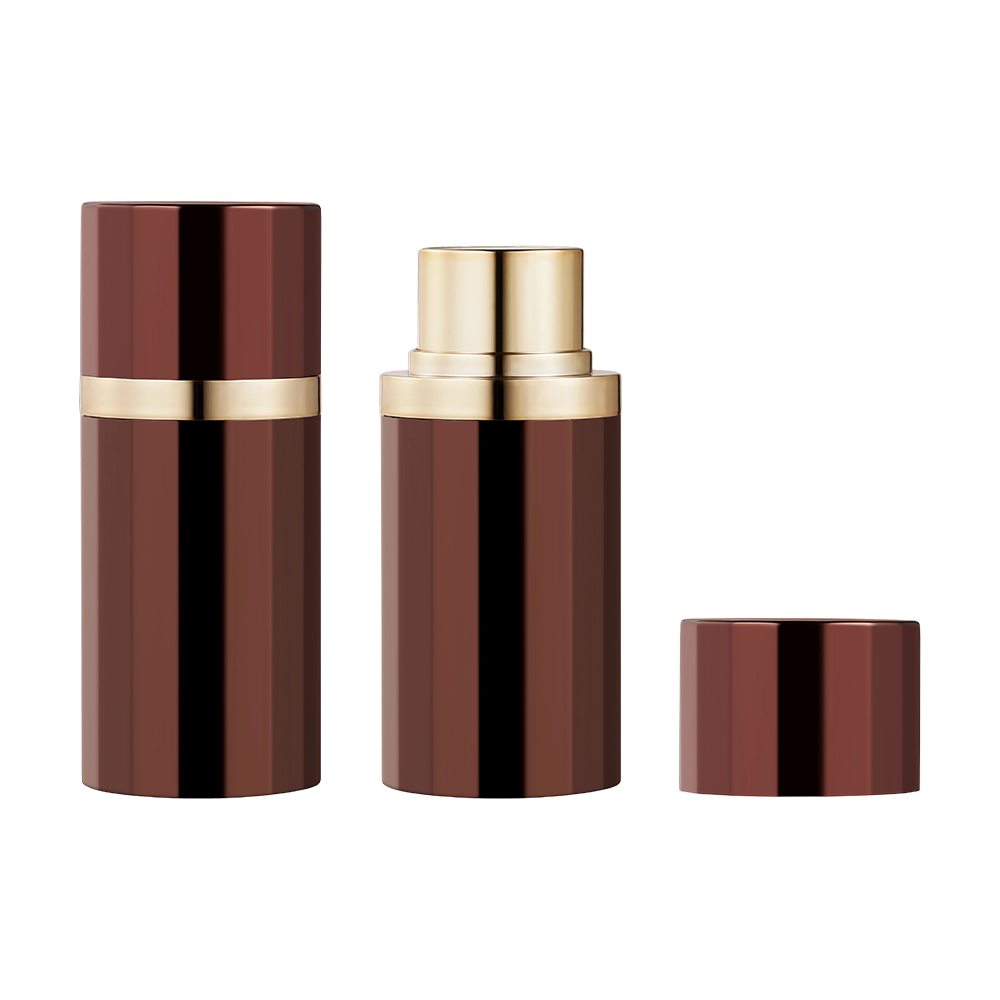
The radar chart makes it clear that aluminum leads in barrier (95) and recyclability (85), but lags in cost and design flexibility. Plastic airless jars offer lower cost (80) and easier customization of shapes and colors (75), which is why many mass-market brands choose them. However, when a brand needs to project a premium image—especially for color cosmetics such as lip gloss or concealer sticks—aluminum not only delivers superior protection but also a weighty, metallic feel that consumers associate with luxury. Ningbo Huiho manufactures both aluminum and plastic airless-style packaging for various formats; you can explore their  Round Empty Aluminum Concealer Container for Precision SticksThis aluminum concealer stick features a black-and-gold oxidized finish, combining premium barrier protection with a luxury feel. Ideal for oxygen-sensitive formulas, it supports custom decoration and iron components for added weight.View Product → to see how a precision bar uses these materials.
Start by asking three questions: What is the viscosity of your product? How sensitive is it to oxygen? What is your target price point? For low-viscosity liquids like serums, a pump airless system with a small orifice works best. For thick creams, a screw-action jar with a piston plate is more reliable. Regarding material, if your product contains more than 0.5% of any oxygen-sensitive active, choose aluminum. If you need a lightweight container for travel sizes, plastic with a multilayered barrier is acceptable.
All reputable cosmetic packaging manufacturers provide compatibility test data. Ask for accelerated shelf-life testing results in the proposed jar. Also consider the inner coating: some aluminum jars have an internal epoxy or anodized layer to prevent metal-product reaction. Ningbo Huiho, for example, custom coats interiors based on the formula's pH and ingredient list. Their 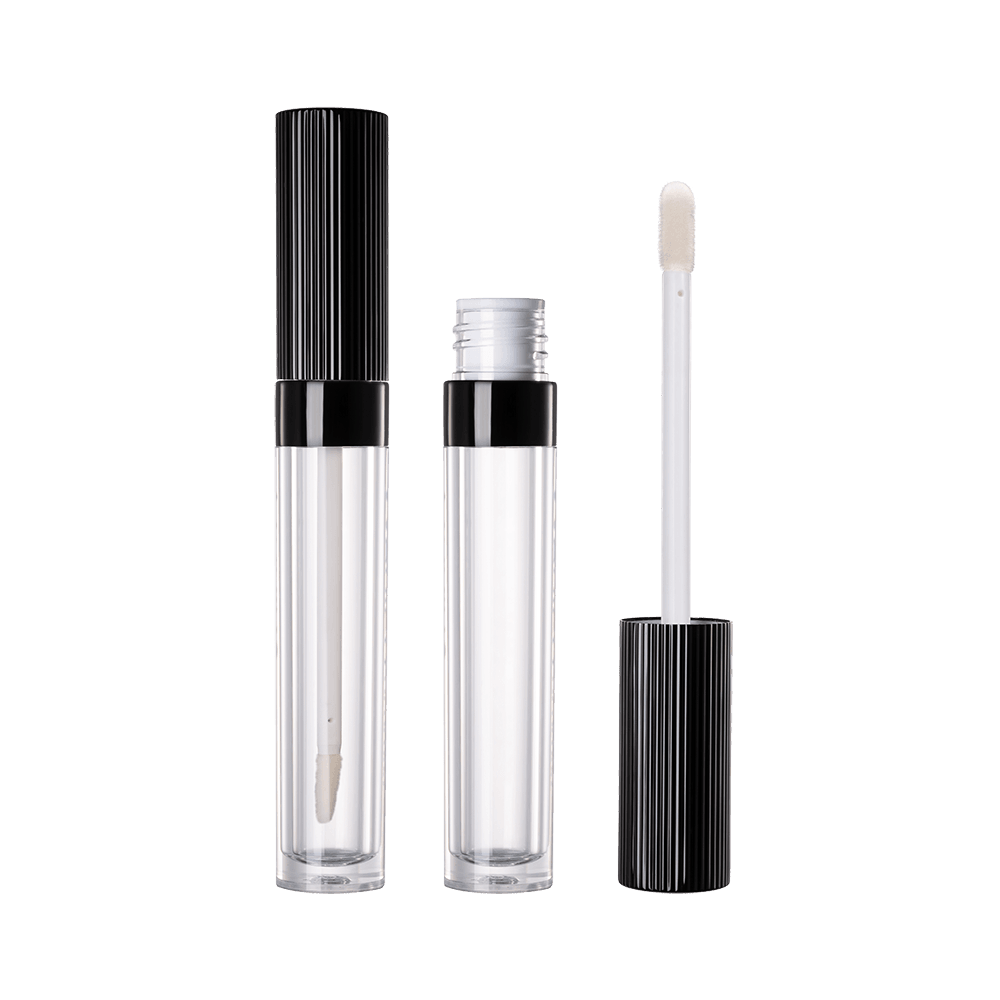 Lip Gloss Cases with Aluminum Cap and PET BottleA self-developed slim round lip gloss tube combining an aluminum cap with a PET bottle. Suitable for custom interior coatings based on formula pH, and compatible with airless functionality for precise dispensing.View Product → and
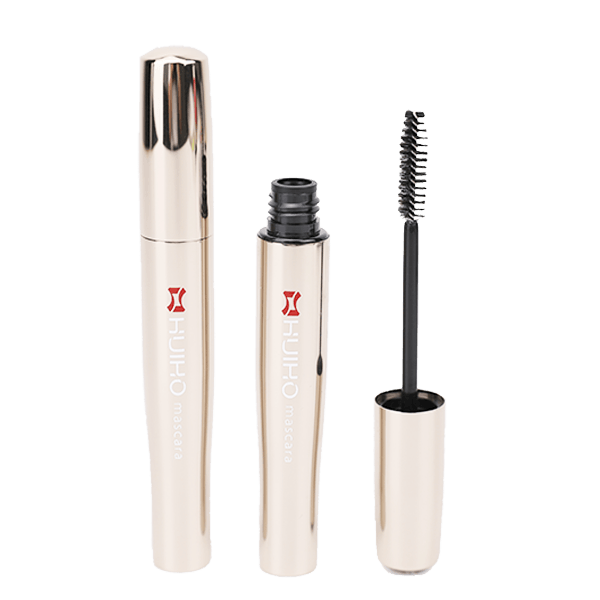 Aluminium Custom Mascara Tube and WandCustomizable aluminum mascara packaging with tailored internal coatings to prevent metal-product reactions. Backed by engineering support and mold modification services to optimize airless designs for specific formulations.View Product → demonstrate how interchangeable components can be adapted for airless functionality.
Many of these issues can be avoided by working with an experienced packaging partner. Ningbo Huiho offers engineering support and mold modification services to fine-tune airless designs for specific formulations. Their factory tour and QA articles on cosmetic packaging quality standards provide insight into how they validate each component before shipment.
The industry is moving toward refillable airless systems that reduce overall material use. Brands are also experimenting with mono-material airless jars (all plastic) to improve recyclability, albeit with slightly lower barrier performance. A second emerging trend is smart airless packaging that uses a visual indicator to show remaining product level, solving the common consumer frustration of not knowing when to repurchase. For manufacturers, rapid mold-change technology now allows smaller minimum order quantities for custom airless jars, making the technology accessible to indie brands.
Selecting an airless jar is a decision that touches formulation stability, brand perception, cost, and sustainability. By understanding the trade-offs in material and dispensing mechanism, you can choose a solution that protects your product from factory floor to the last drop. Whether you opt for a sleek aluminum design or a versatile plastic one, always verify compatibility with your specific formula through real testing. The investment in quality airless packaging pays off through fewer returns, longer shelf life, and stronger customer loyalty.
| Attribute | Aluminum | Plastic |
|---|---|---|
| Oxygen barrier | Excellent (98) | Good (65) |
| Weight (30ml) | ~25g | ~8g |
| Relative cost per unit | High | Low to mid |
| Recyclability | Very high (aluminum recycled infinitely) | Moderate (depends on resin type) |
| Design flexibility | Limited shapes | High (injection molding) |
| Best suited for | High-end, oxygen-sensitive formulas | Mass-market, less sensitive products |