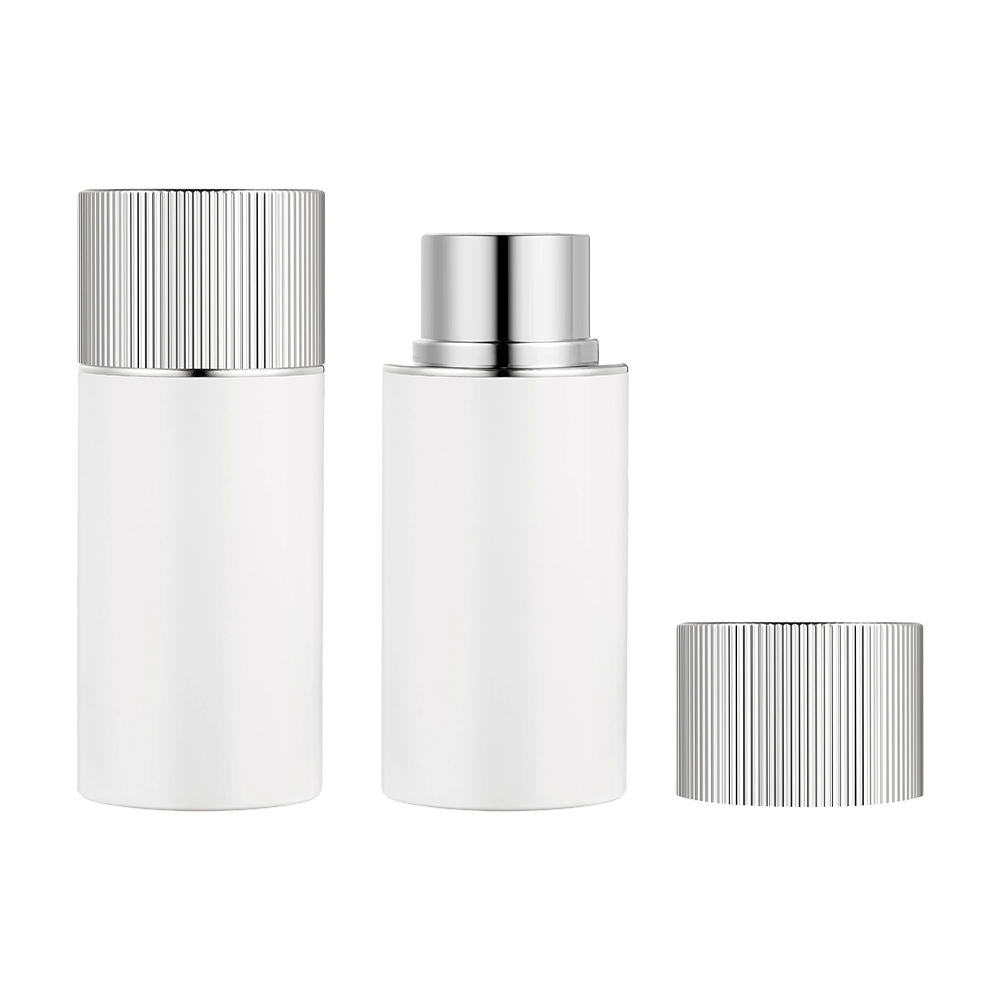
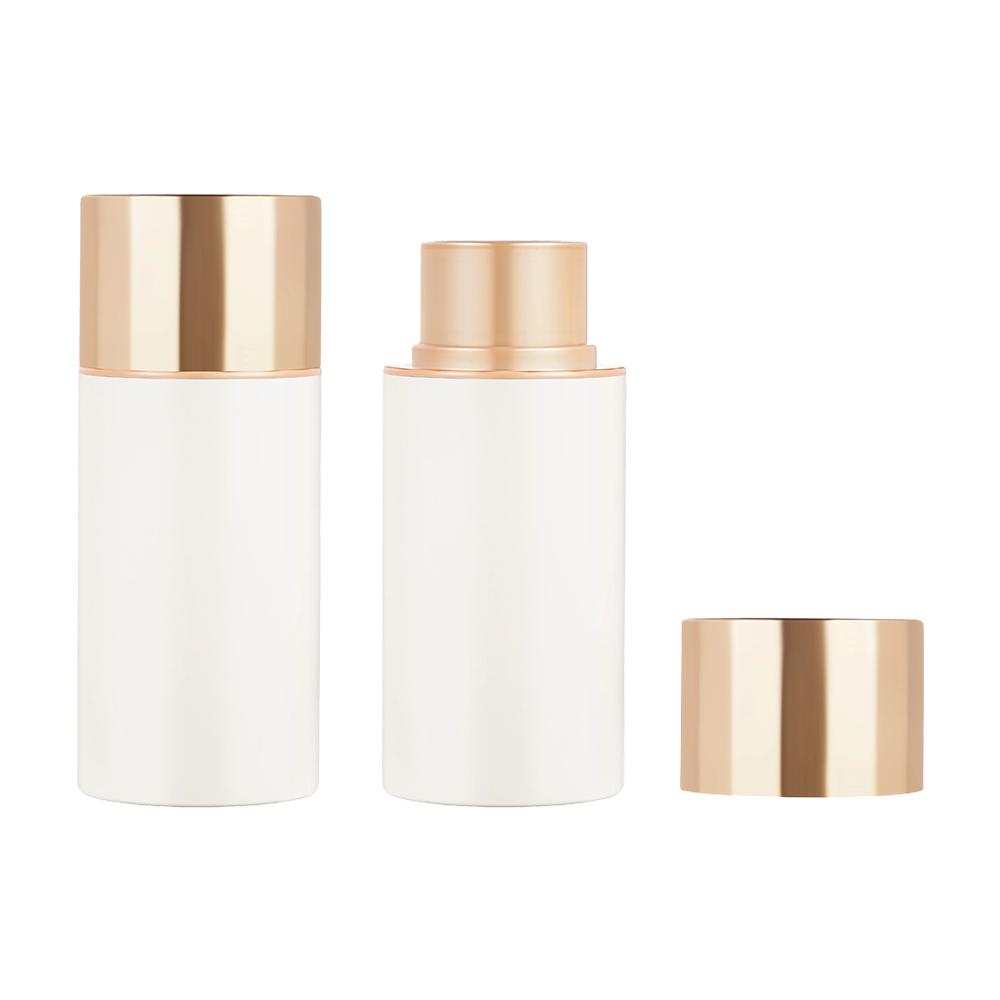
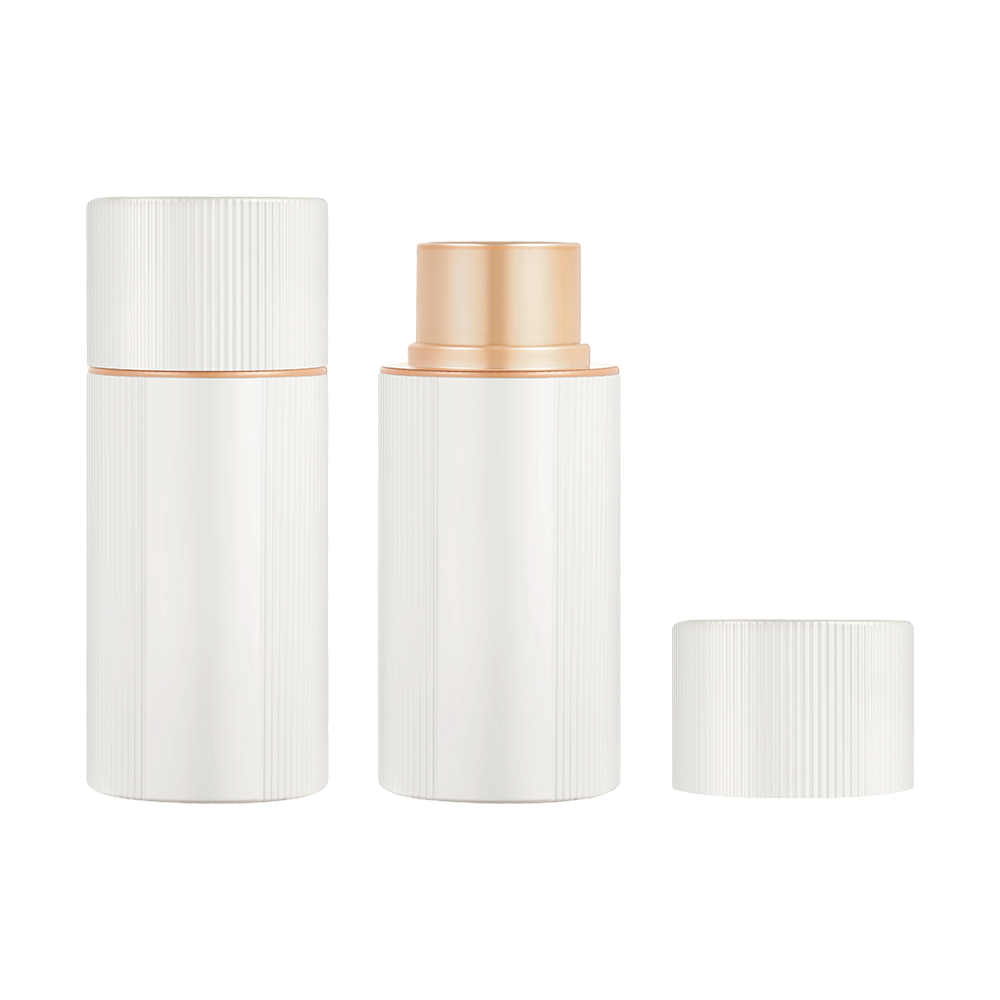
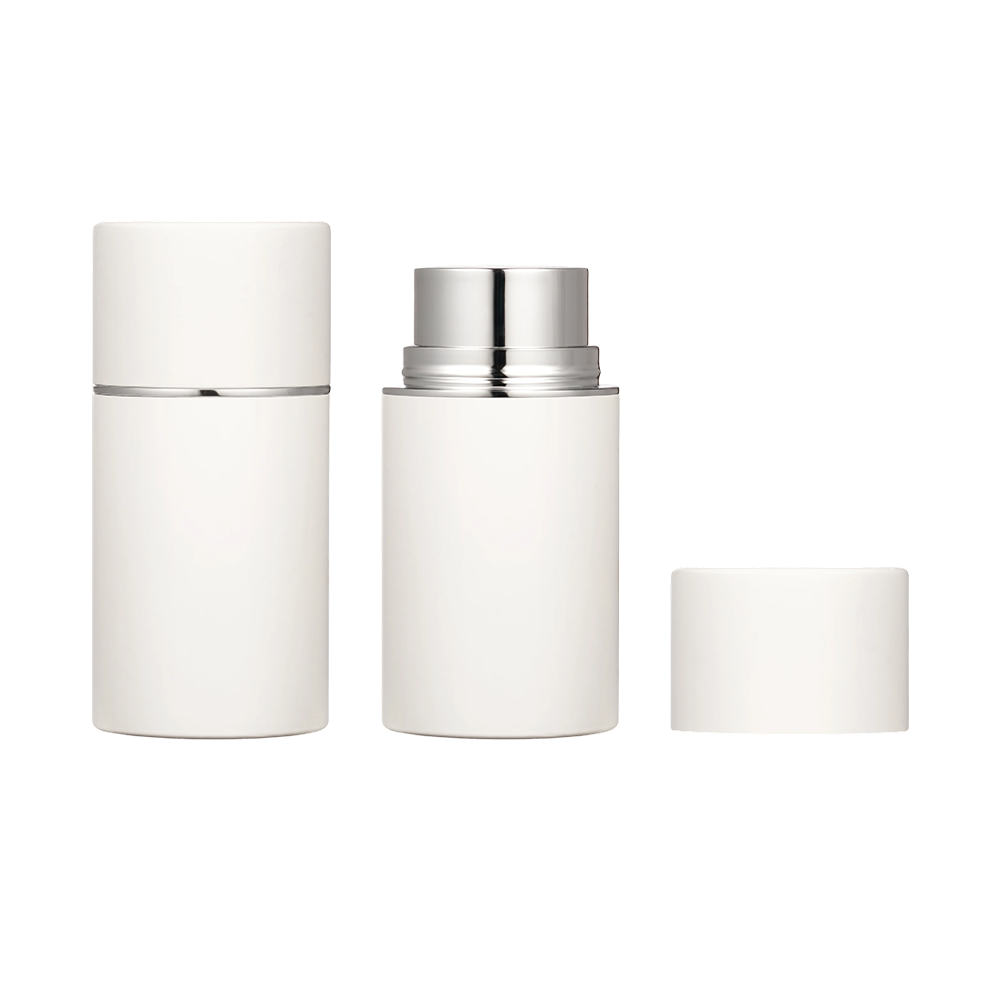
Hello Ningbo Huiho Cosmetics Packaging Co., Ltd. - China Mascara Tubes Packaging Manufacturers


Lip gloss tubes are technically recyclable in many cases, but most curbside recycling programs will not accept them due to their small size, mixed materials, and residual product left inside, meaning proper recycling usually requires specialized drop-off programs rather than standard household recycling bins. The plastic used in most tubes, typically polypropylene or polystyrene, is a recyclable material on its own, but the combination of a wand, cap, and tube made from different materials complicates the sorting process at most municipal recycling facilities. Choosing well-designed Lip Gloss Tubes made from a single recyclable plastic type, when packaging sustainability is a priority, makes eventual recycling significantly more feasible compared to tubes combining several different material types. The sections below explain what affects recyclability and how to responsibly dispose of used tubes.
Content
Most municipal recycling facilities use automated sorting equipment designed to identify and separate materials based on size, shape, and weight, and small items like lip gloss tubes frequently fall through sorting screens or get filtered out before reaching the appropriate processing stream. According to guidance commonly published by recycling industry organizations, items smaller than about two inches in any dimension are often too small for optical sorters to reliably identify, causing them to be diverted to landfill even when the material itself is technically recyclable.
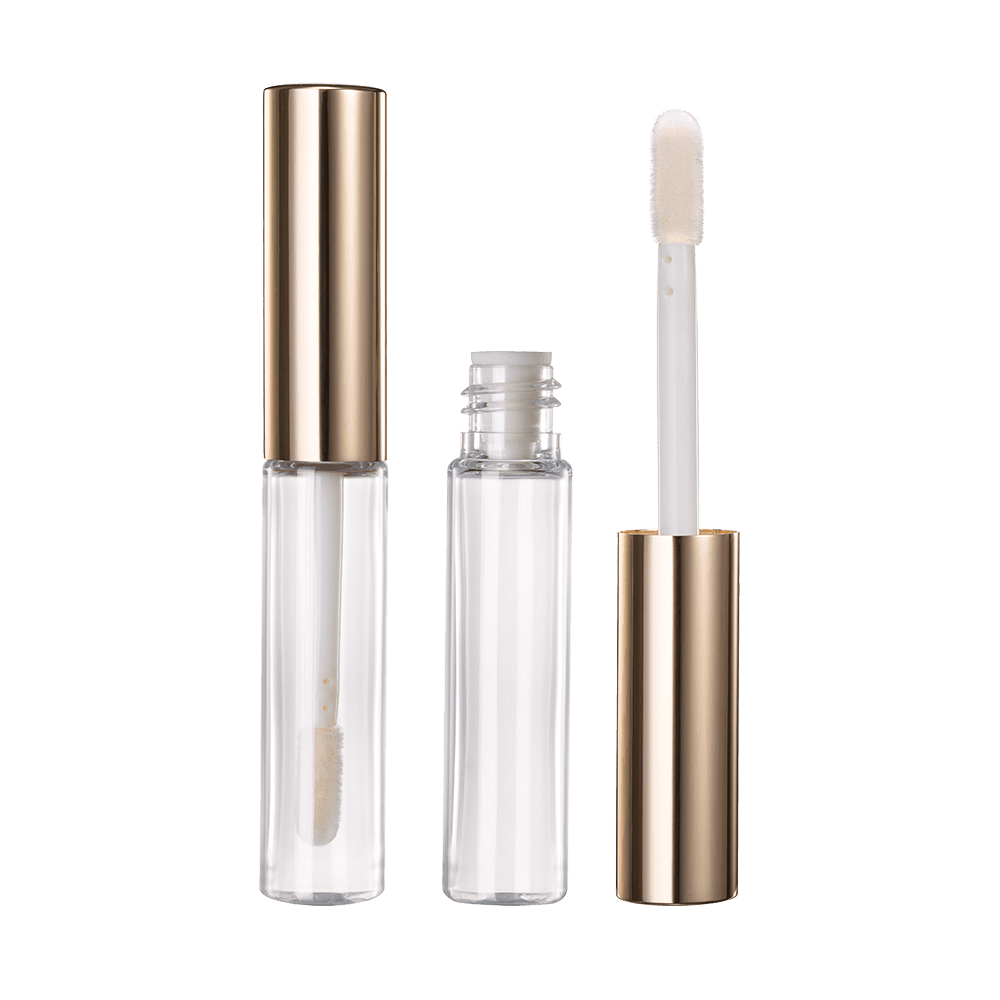
A typical lip gloss tube is not made from a single material, but rather combines a plastic tube body, a separate wand often made of a different plastic type, a rubber or silicone seal, and sometimes a metal spring or clip inside the cap mechanism. Recycling facilities generally require materials to be sorted by type before processing, and a product combining several materials in one small unit is difficult to separate efficiently at scale.
| Component | Common Material |
| Tube Body | Polypropylene or polystyrene |
| Wand Handle | Similar or different plastic type |
| Applicator Tip | Foam, silicone, or brush fibers |
| Cap Seal | Rubber or silicone gasket |
Many lip gloss tubes carry a small resin identification code, a number inside a triangle symbol, indicating the specific type of plastic used in that component. Polypropylene, commonly marked with the number 5, and polystyrene, marked with the number 6, are the two plastics most frequently used in tube manufacturing, and their recyclability varies significantly depending on local facility capabilities.
| Resin Code | Plastic Type | Typical Recyclability |
| 5 | Polypropylene | Increasingly accepted, varies by region |
| 6 | Polystyrene | Rarely accepted in curbside programs |
Even a tube made entirely from a single recyclable plastic type can be rejected by recycling facilities if residual lip gloss remains inside, since oily or waxy residue can contaminate an entire batch of otherwise recyclable material during the reprocessing stage. Recycling guidance from municipal waste programs commonly recommends that containers be rinsed and empty before placing them in recycling bins, a standard that is difficult to fully meet with lip gloss tubes due to their narrow opening and sticky product consistency.
Because curbside programs frequently reject small cosmetic packaging, several specialized recycling initiatives have emerged specifically to handle beauty product containers, including lip gloss tubes, lipstick cases, and similar small format packaging. These programs typically involve mail-in collection or in-store drop-off bins at participating retailers, where packaging is sorted and processed through facilities equipped to handle small, mixed-material items.
If a suitable recycling program is available, taking a few preparation steps improves the likelihood that the tube is actually processed rather than rejected during sorting.
For brands and businesses selecting packaging, choosing tubes manufactured from a single, widely recyclable plastic type, and minimizing the number of different materials combined in one unit, makes a meaningful difference in whether the packaging can realistically be recycled after use. Some manufacturers are also introducing refillable tube systems, allowing the outer tube to be reused multiple times with replacement inserts, which reduces the overall volume of packaging waste generated compared with single-use tubes.
When a lip gloss tube cannot be recycled through available programs, it typically ends up in standard household waste and is sent to a landfill along with other non-recyclable materials. Polypropylene and polystyrene, the most common plastics used in these tubes, are not biodegradable and can persist in the environment for a very long time, which is part of why specialized recycling and refillable packaging options are gaining attention within the cosmetics industry as alternatives to single-use, difficult-to-recycle packaging.
For those purchasing or manufacturing lip gloss products, selecting packaging built around simpler material construction supports better end-of-life outcomes, even when curbside recycling remains limited for this category of packaging. Well-designed Lip Gloss Tubes made from consistent, clearly labeled plastic resin give both consumers and specialized recycling programs a better chance of properly identifying and processing the material once the product has been used.