Hello Ningbo Huiho Cosmetics Packaging Co., Ltd. - China Mascara Tubes Packaging Manufacturers


A brand owner sends a brief with two words in bold: biodegradable packaging. The formula is a cream concealer, the fill is 4.5 ml, and the launch is seven months away. The direct answer is that biodegradable cosmetic packaging rarely carries an entire launch on its own. For most color cosmetics, the moves that lower impact fastest are mono-material construction, refillability and less weight per use, not a single plant-based resin.
Biodegradability is a property of a material in a named environment. It is not something a package earns by being plant-based. A molded pulp insert that disappears in an industrial composter at 58 C can sit unchanged for years in a dry landfill. That gap is where most green claims, and most procurement arguments, break down.
What follows is a practical view of where biodegradable materials fit in cosmetic packaging, where they fail, and what to test before a claim reaches a carton.
Content
Two standards do most of the work. EN 13432 in Europe and ASTM D6400 in the United States both describe industrial composting, not a backyard heap. EN 13432 requires 90 percent disintegration within 12 weeks and 90 percent biodegradation within 6 months under controlled temperature, humidity and oxygen. Home compost certifications such as TUV OK compost HOME or AS 5810 use lower temperatures and longer windows, which is far harder to pass with a thick injection molded cap or base.
Secondary packaging is the honest starting point. Folding cartons in FSC certified paperboard with water based coatings, paper belly bands, molded pulp or die cut inserts and paper shipper trays are realistic today for lipstick, mascara and concealer programs. For solid or low oil products, molded pulp and paper tubes can also serve as primary packaging, as long as the formula does not wick into the fibre.
The primary pack is harder. A lip gloss or mascara tube holds a liquid formula for 24 to 36 months, resists oil and solvent migration, survives 40 C transport and stays sealed through air freight pressure changes. Uncoated paper, starch blends and thin walled PLA struggle with that combination.
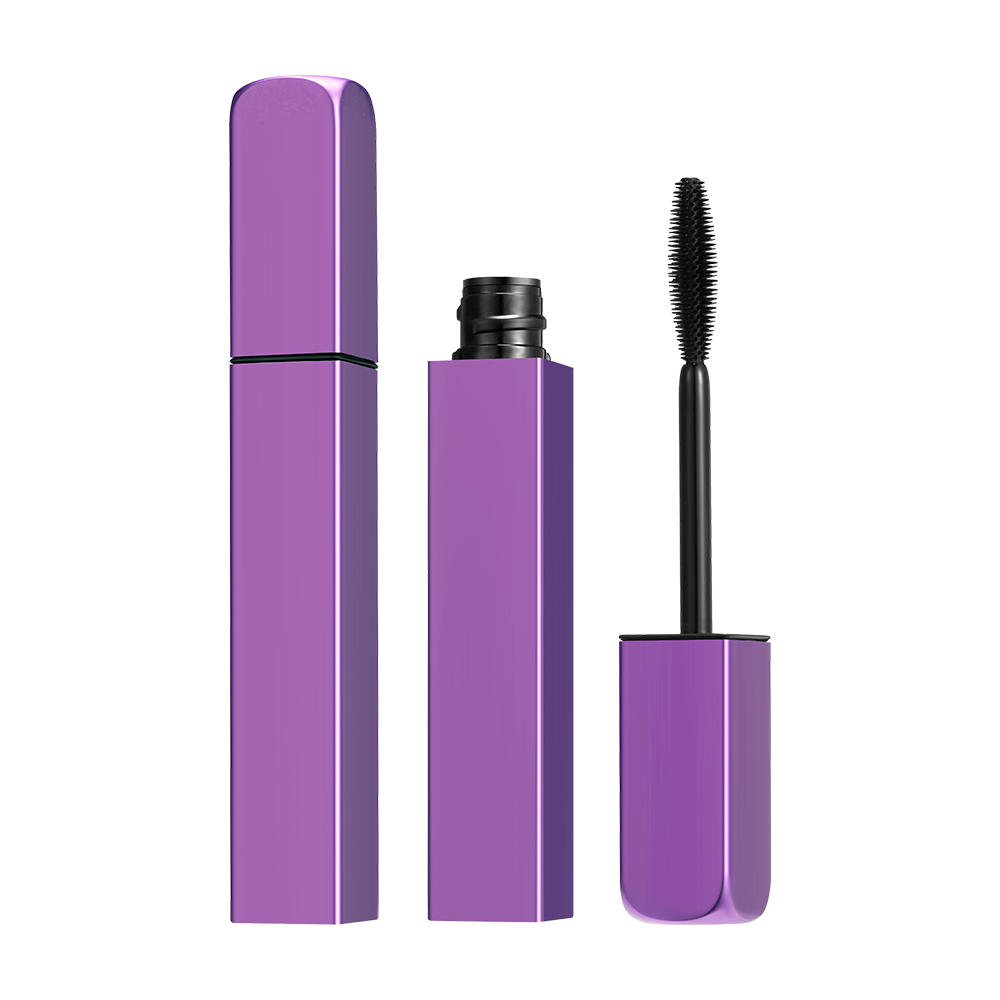
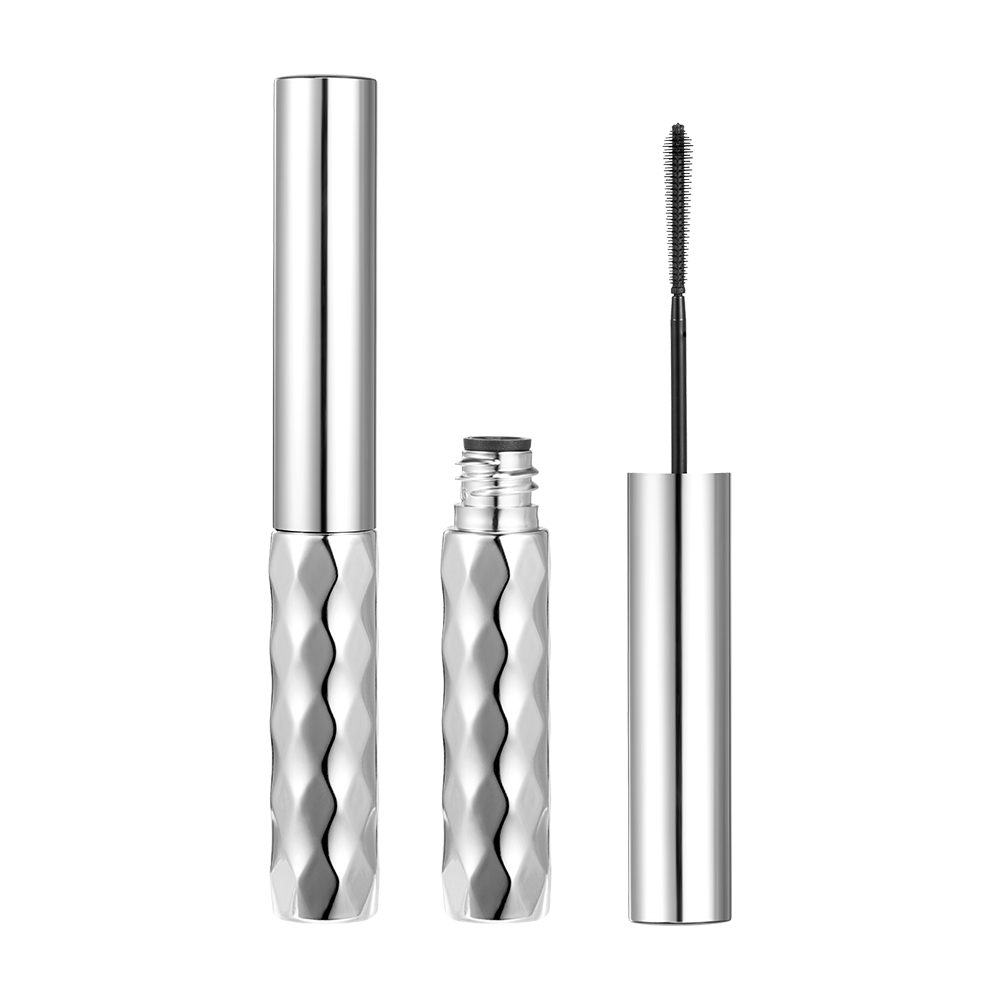
This is why aluminum remains the default responsible choice for many primary color cosmetic packs. It is not biodegradable, but it is mono-material, effectively endlessly recyclable and blocks oxygen, light and moisture. A single aluminum mascara tube, such as the HM1063 container with a standard wiper, keeps the whole pack in one material stream instead of three.
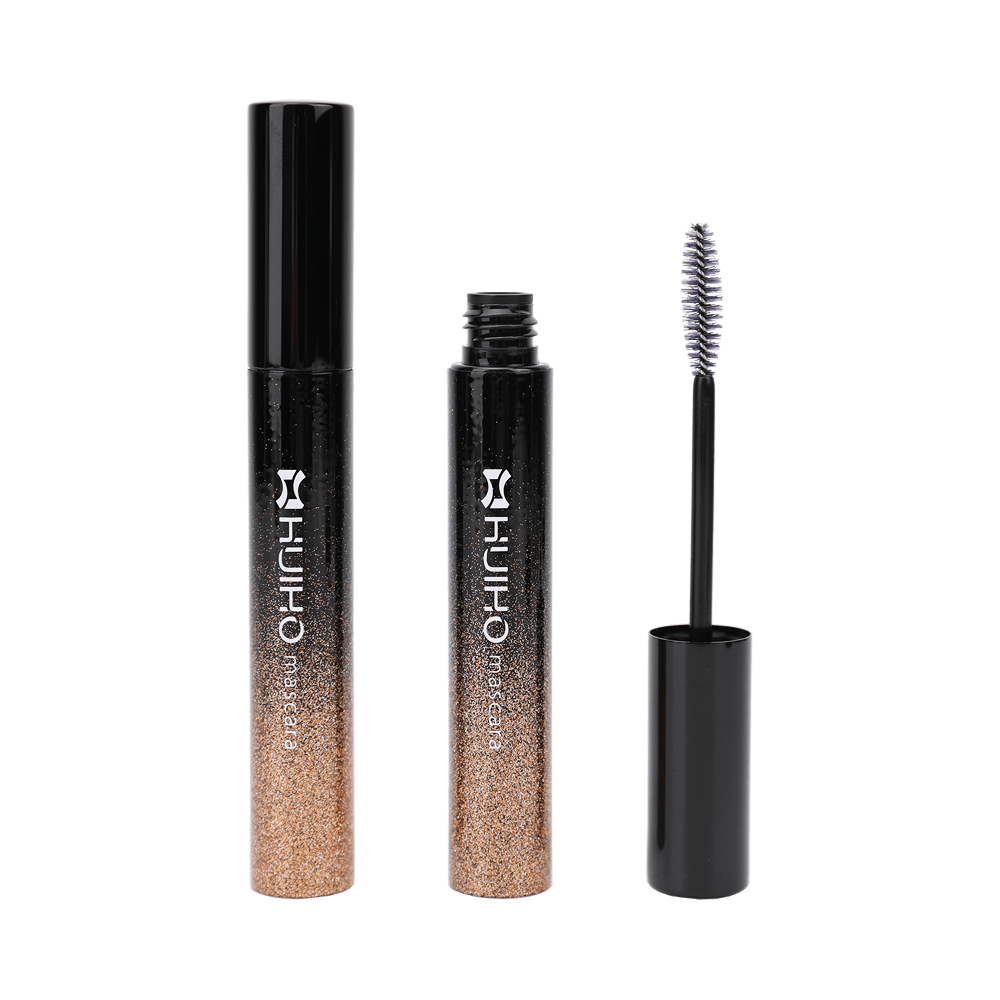 Empty Aluminium mascara tube container HM1063Location: China Product Name: Empty Aluminium mascara tube container HM1063 Business Type: Manufacturer, Exporter Terms of payment and delivery: FOB Minimum order quan...View Product →
| Material | Industrial compost | Curbside recycling | Oil and moisture barrier | Typical cosmetic use | Relative cost |
|---|---|---|---|---|---|
| Aluminum | No | Yes, high value | Excellent | Lipstick cases, mascara tubes, concealer sticks | Medium |
| PCR PET | No | Yes in most markets | Good | Eyeliner and lip gloss bottles | Low to medium |
| PP | No | Limited but growing | Good | Mascara tubes, caps, wipers | Low |
| PLA | Industrial only | No | Moderate | Secondary parts, thin wall trials | Medium |
| PHA | Yes, including soil and marine claims | No | Moderate | Premium sustainable lines | High |
| Molded pulp and paperboard | Yes | Yes | Poor to moderate | Cartons, inserts, dry product tubes | Low |
| Starch blend | Yes, usually industrial | No | Poor | Low risk dry applications | Medium |
Material substitution is the last lever, not the first. In most projects the largest reductions come from these moves.
A refillable concealer stick shows how this works. The HL8323 stick packaging pairs a reusable outer barrel with a replaceable inner cup, so the mechanism stays in service while only a small part is discarded.
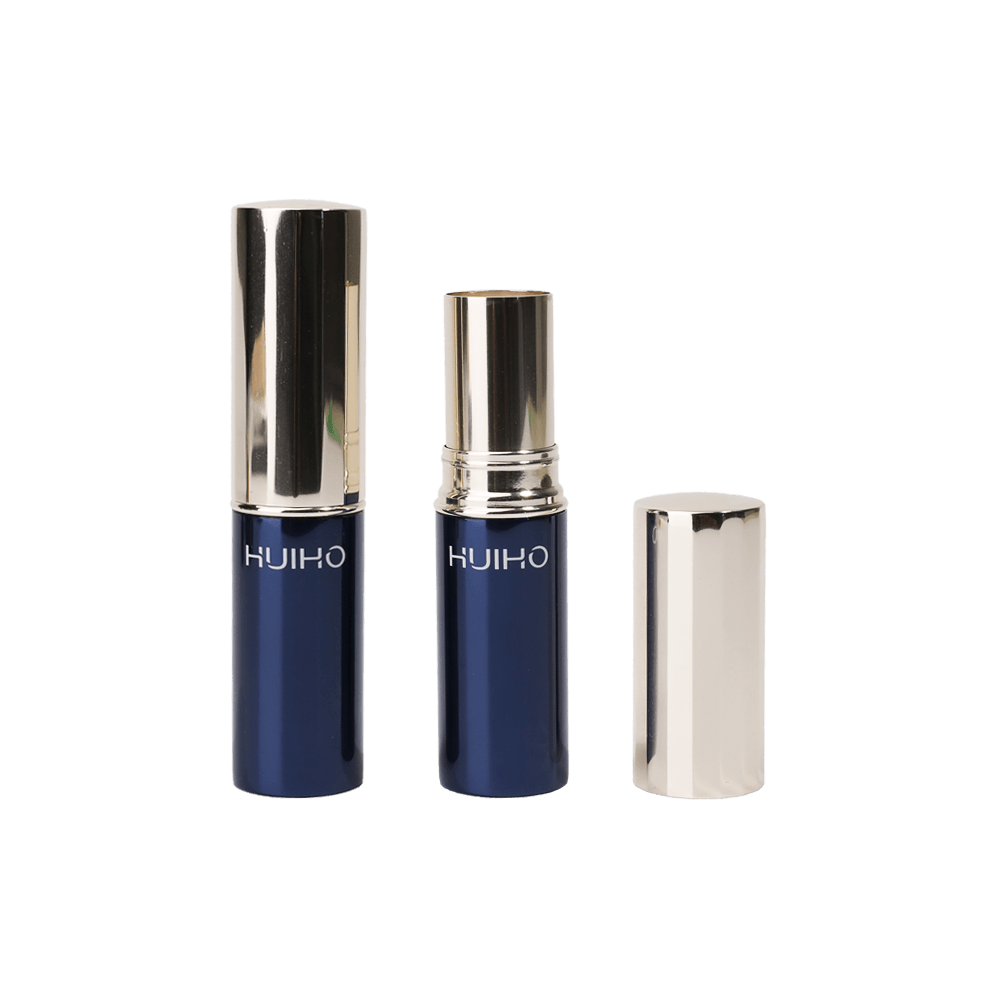 Concealer Stick Packaging Empty Foundation, Concealer Stick, Blush Stick,Shimmer Stick HL8Location: China Product Name: Concealer Stick Packaging Empty Foundation, Concealer Stick, Blush Stick,Shimmer Stick HL8323 Business Type: Manufacturer, Exporter Terms...View Product →
Formula and package interact. Lipstick and concealer oils, silicone blends and botanical extracts can soften some biopolyesters, migrate through paperboard and react with bare aluminum. Aluminum parts usually need an internal lacquer or liner when the formula is acidic or contains salts, and paper tubes can wick oil along the fibre and stain the outer print.
A realistic test plan runs eight to twelve weeks at 40 C and 75 percent relative humidity, adds freeze thaw cycling and a 1.2 m drop test on filled and capped samples, plus leak and torque checks. Mascara also needs a wiper and brush pull test with the real formula. Compostable parts should be tested as a finished assembly, because inks, adhesives and coatings change the outcome.
These decisions need a supplier that can test, tool and produce metal and plastic parts under one roof. Ningbo Huiho Cosmetics Packaging Co., Ltd. runs two factories in Ningbo, China, with aluminum and plastic components made in house, about 300 employees and an in house laboratory with inspection equipment. The company supplies empty lipstick tubes, mascara tubes, lip gloss tubes, eyeliner and brow cases and concealer sticks to clients across more than 20 provinces in China, and exports to Europe, the Americas, the Middle East and Southeast Asia. Custom development starts from a drawing or a sample, which matters when a refill mechanism or a new closure has to be validated before tooling.
The team also publishes notes on how recyclable and biodegradable materials fit into color cosmetics packaging, useful background before a specification is fixed. As a color cosmetics packaging manufacturer with both metal and plastic lines, the factory can quote a mono-material option and a compostable option side by side, so the comparison rests on real numbers.
Biodegradable cosmetic packaging earns its place where it works: paperboard cartons, pulp inserts, dry product tubes and certified thin wall parts. For a lipstick case or a mascara tube that has to hold a liquid formula for three years, mono-material aluminum or a refillable design usually delivers the stronger and more defensible result.