Hello Ningbo Huiho Cosmetics Packaging Co., Ltd. - China Mascara Tubes Packaging Manufacturers


A brief arrives with four words attached to it: biodegradable packaging for cosmetics. Before a price can be quoted, three questions need answers. Which standard does the buyer mean, where will the pack actually be thrown away, and how long must the formula survive inside it? Get those three answers wrong and a compostable tube becomes an expensive shell that fails a sealing test in month two and cannot be claimed as anything at all.
The conclusion first: in color cosmetics, biodegradability is a property of the whole package and its disposal route, not a label on a resin data sheet. An aluminum lipstick case that is recycled many times can carry a lighter footprint than a polylactic acid tube that ends up in landfill. What decides the project is the formula, the filling line, the target market and the waste collection the customer really has.
Content
The word describes a process, not a grade of plastic. A material only biodegrades under specific conditions of temperature, oxygen, moisture and microbial activity, which is why every credible claim is tied to a test standard.
Two consequences follow. Thickness matters, because a 1 mm wall may pass a compost test while a 2 mm wall of the same grade will not, so the body, cap and wiper have to be assessed as an assembly. Decoration matters too, because metallised coatings, PVC labels and heavy adhesives can push a pack past the disintegration limit even when the base resin is certified.
Not every component should be compostable, and forcing it usually costs more than it saves. The table below compares the options we see most often in lip, eye and complexion packaging.
| Material | Typical use | End of life | Main constraint |
|---|---|---|---|
| PLA | Mascara bodies, caps, stick closures | Industrially compostable where collection exists | Softens near 55 degrees Celsius, sensitive to moisture |
| PHA and PHBV | Tubes, caps, small jars | Compostable in soil and marine conditions in some grades | Two to four times the cost of polypropylene, limited supply |
| Paper and card | Cartons, sleeves, labels, inserts | Recyclable, compostable when uncoated | No oil or water barrier, needs a liner for wet formulas |
| Mono-material PP or PET | Lip gloss tubes, eyeliner bottles, wipers | Recyclable where sorting exists | Not biodegradable, needs a matching cap and label |
| Aluminum | Lipstick cases, mascara tubes, concealer sticks | Highly recyclable, keeps scrap value | Energy intensive to make, needs clean alloy separation |
| Molded pulp or bamboo | Trays, outer boxes, display pieces | Home compostable if untreated | Bulky, moisture sensitive, rarely used for primary contact |
Most workable specifications mix two directions. The primary pack that touches the formula is made from aluminum or from a single plastic family so it can be recycled, while the carton, sleeve and shipper use recycled or certified paper. Color cosmetics packaging has been moving toward recyclable and biodegradable materials for several seasons, and regulation is now pushing faster than consumer opinion.
A polymer that passes EN 13432 in a laboratory can still fail on a filling line. Water based emulsions, low pH formulas, fragrance oils and alcohol based liners all interact with the tube wall, the wiper and any inner coating. The failure modes are predictable.
Anhydrous and stick formats are far more forgiving, which is why lipsticks, balms and concealer sticks are the practical starting point for a new material. Where a formula has to stay water based, an aluminum tube with an internal lacquer usually beats a compostable plastic on barrier performance, because aluminum blocks oxygen and moisture while polylactic acid is permeable to both.
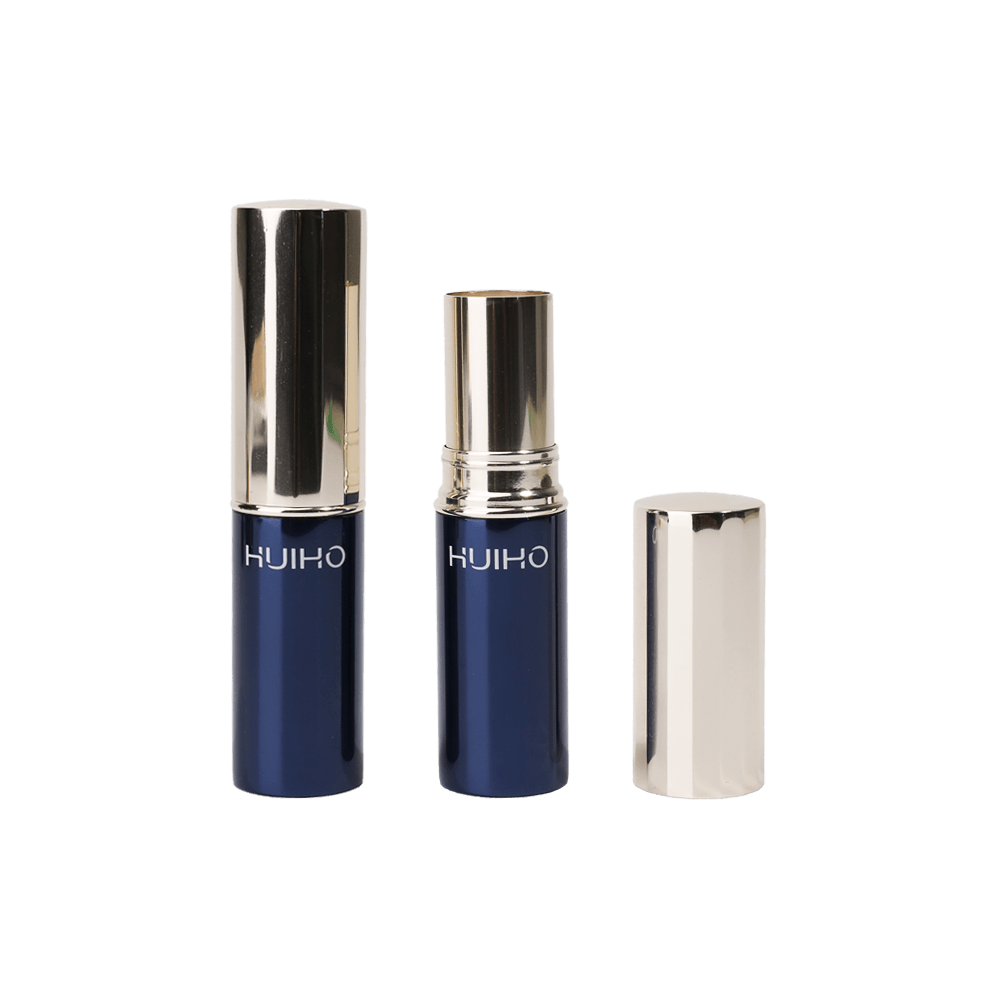 Concealer Stick Packaging Empty Foundation, Concealer Stick, Blush Stick,Shimmer Stick HL8Location: China Product Name: Concealer Stick Packaging Empty Foundation, Concealer Stick, Blush Stick,Shimmer Stick HL8323 Business Type: Manufacturer, Exporter Terms...View Product →
Three levers reduce impact without depending on a compost claim.
Weight reduction. Cutting a tube wall from 1.2 mm to 0.9 mm removes roughly a quarter of the resin. Drop performance usually survives if the shoulder and neck geometry stays the same, but it has to be tested rather than assumed.
Refill and reuse. A refillable aluminum case with a replacement cup cuts material per use by a wide margin. Refill systems live or die on dimensional consistency, typically a tenth of a millimetre on the closing mechanism, and on threads that still hold after twenty cycles.
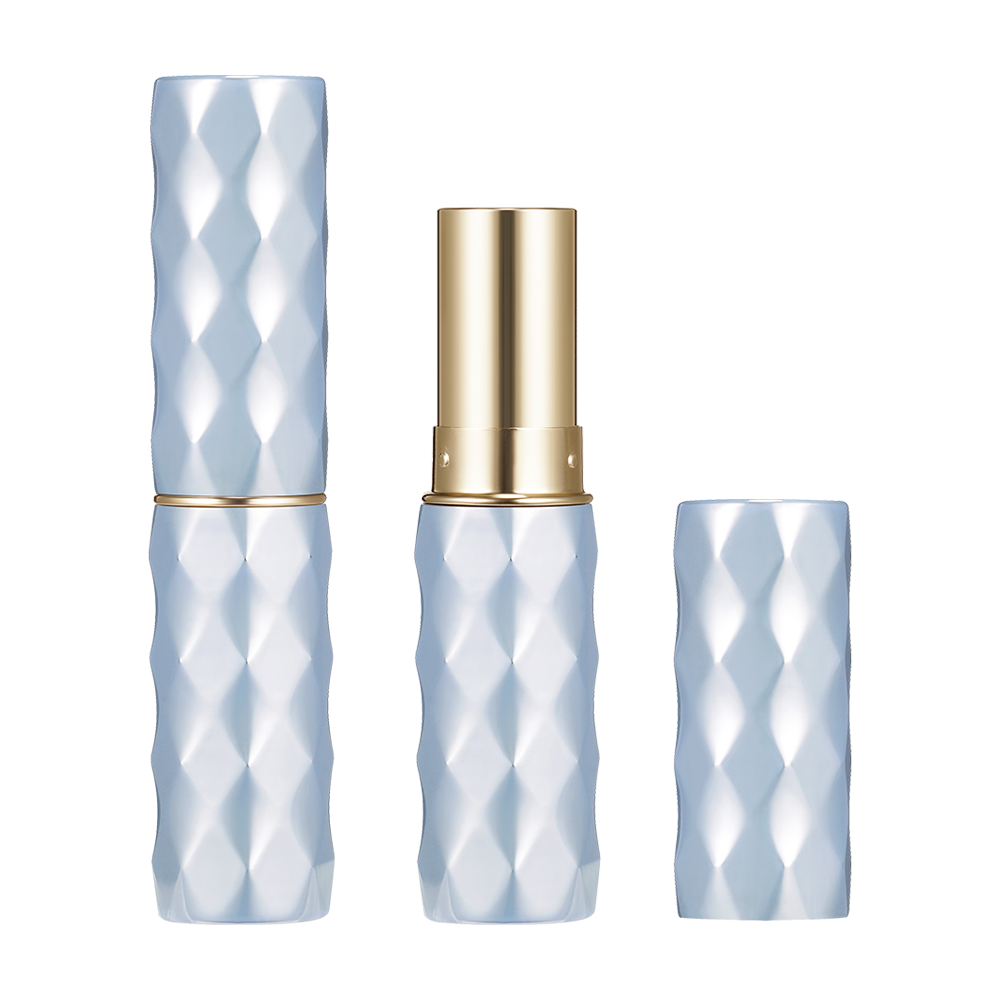
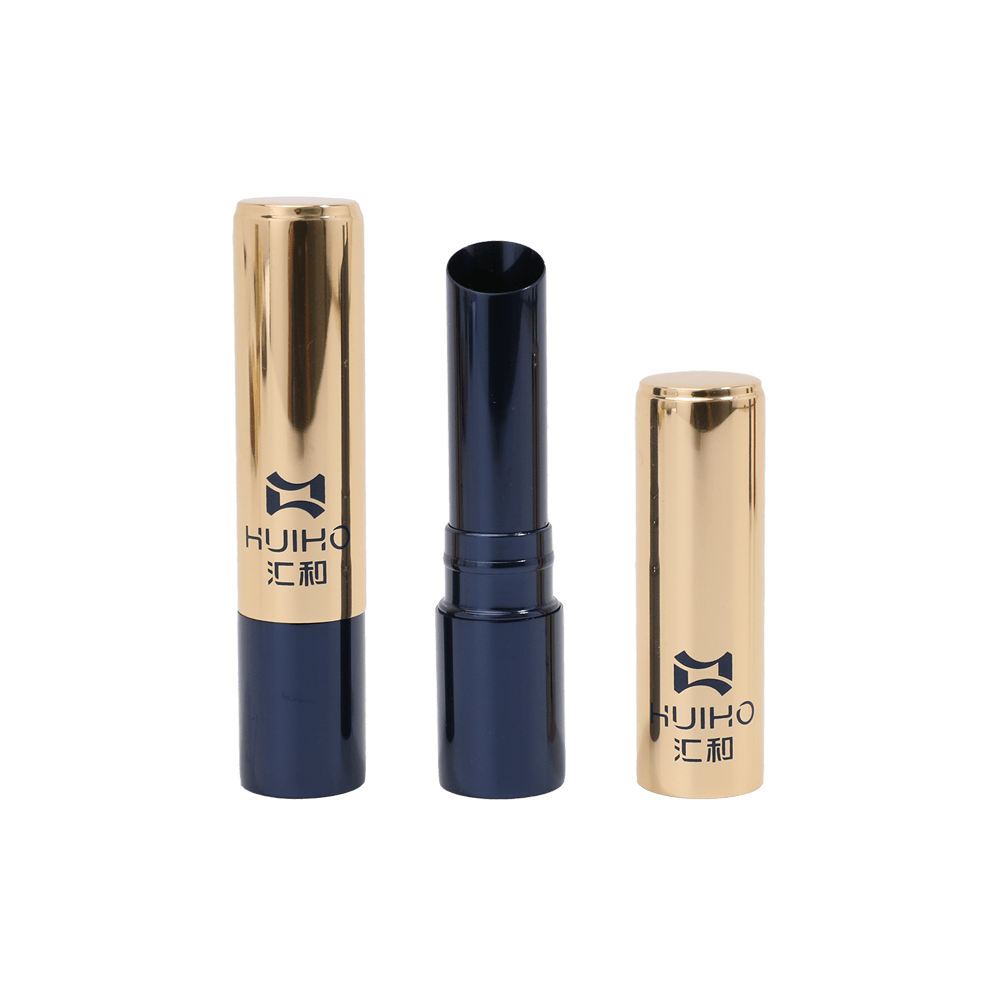 Aluminum Lip Stick Case HL8250Location: China Product Name: Aluminum Lip Stick Case HL8250 Business Type: Manufacturer, Exporter Terms of payment and delivery: FOB Minimum order quantity: 20k Price...View Product →
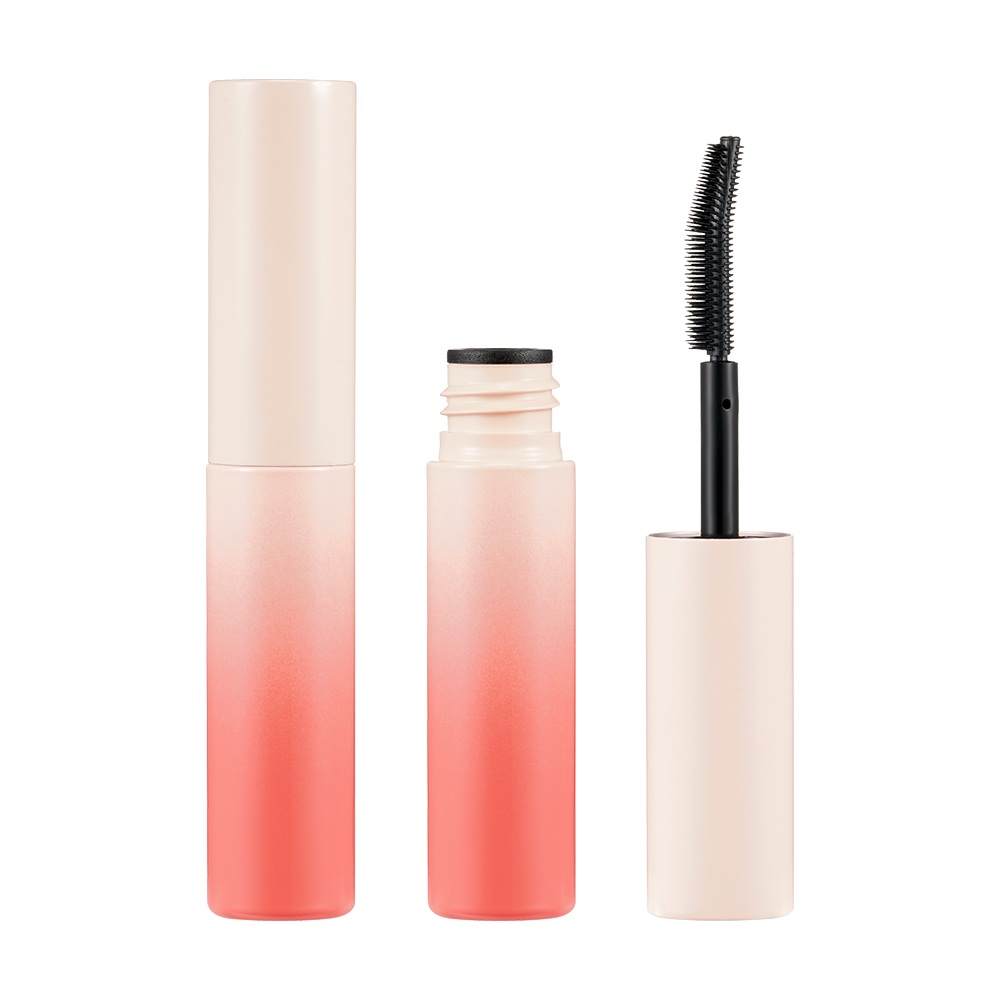
Mono-material design. A polypropylene tube with a polypropylene cap and wiper can be sorted as one stream. Adding a metallised cap or a PVC shrink sleeve breaks that, and so does a label that will not wash off during recycling. For mascara, the same logic favours a single material family and a wiper that separates easily.
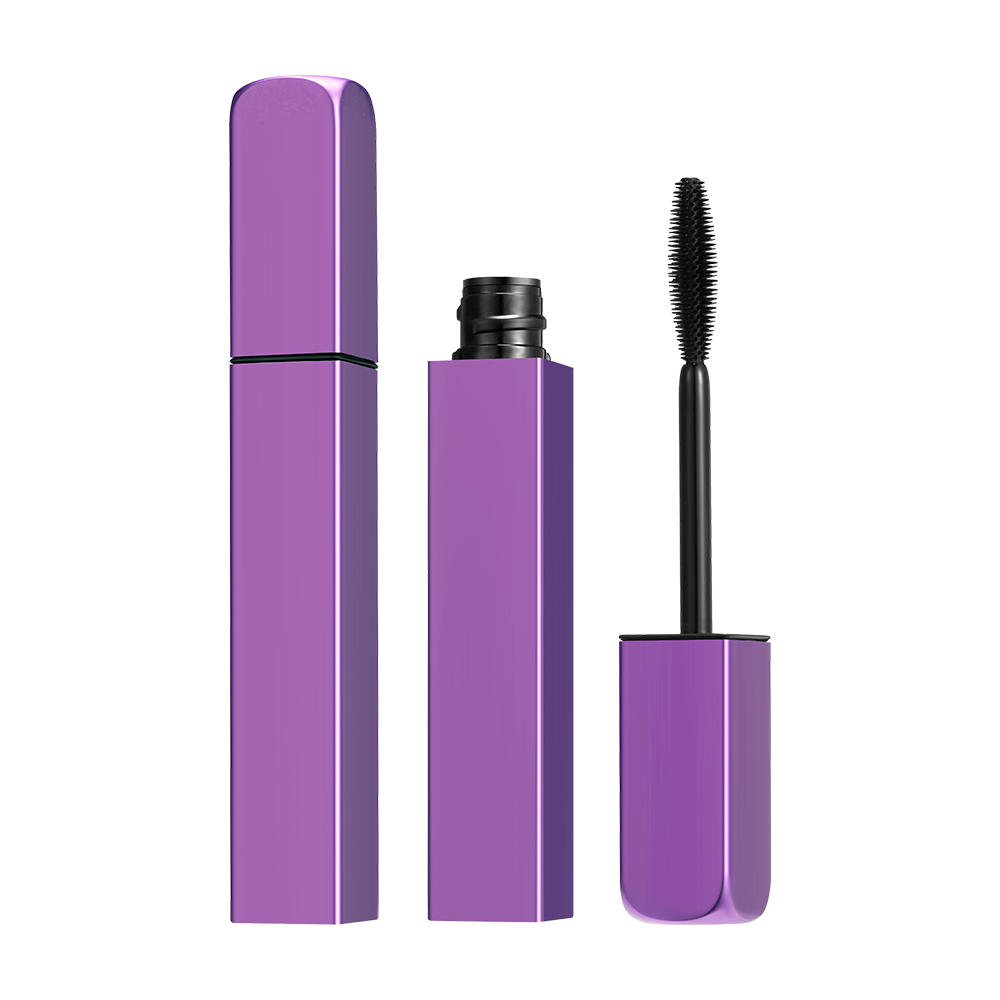
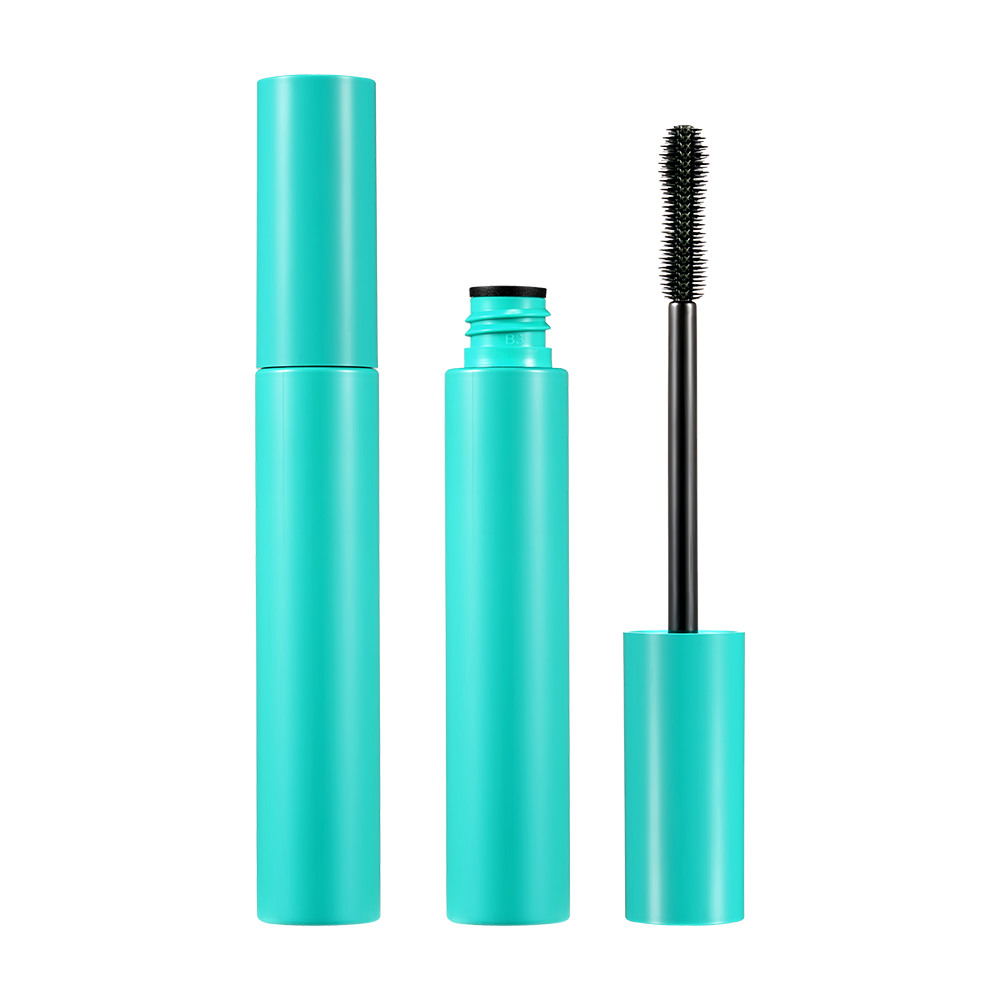
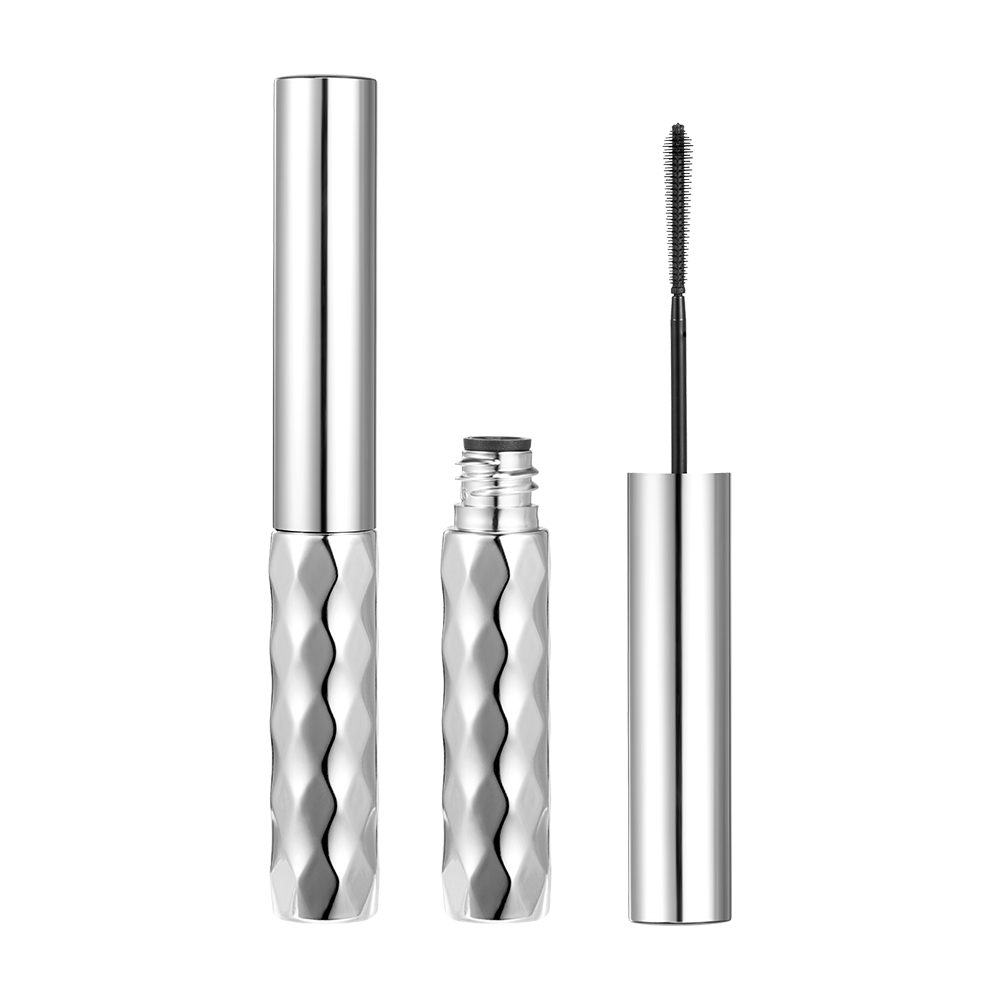
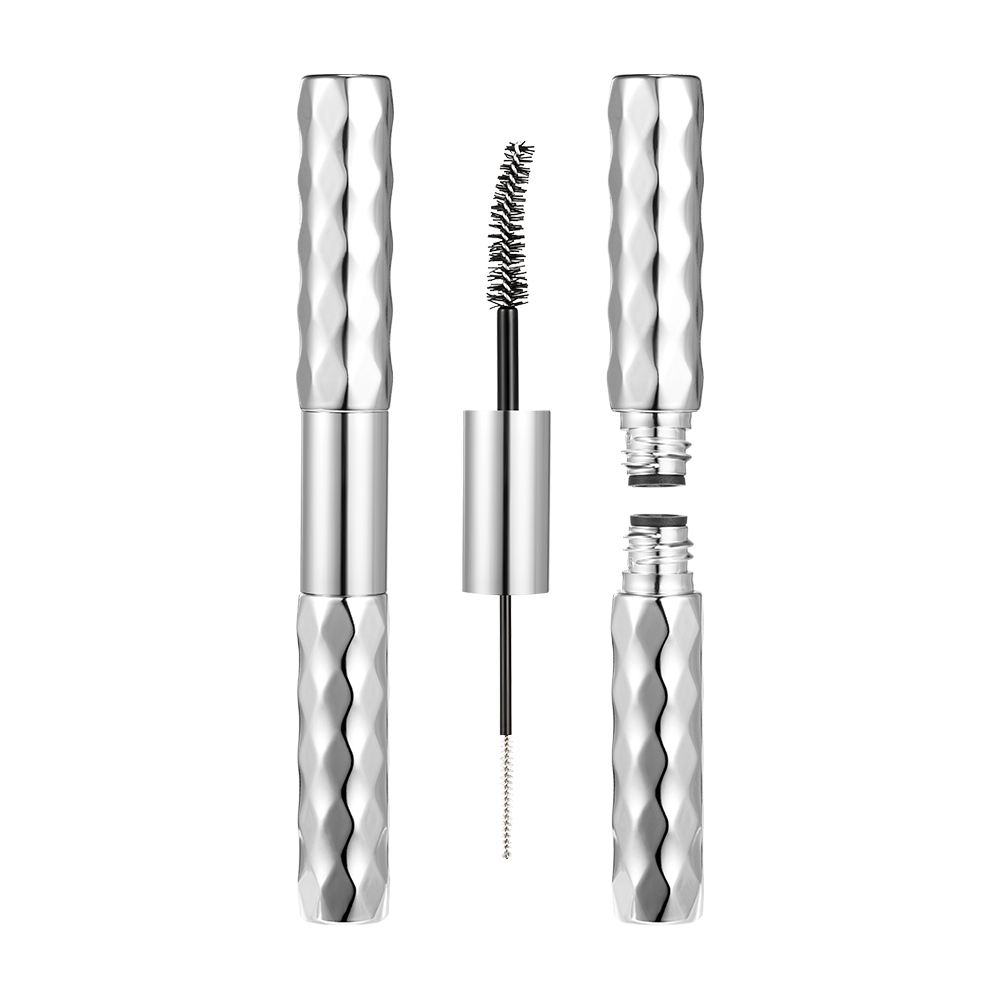
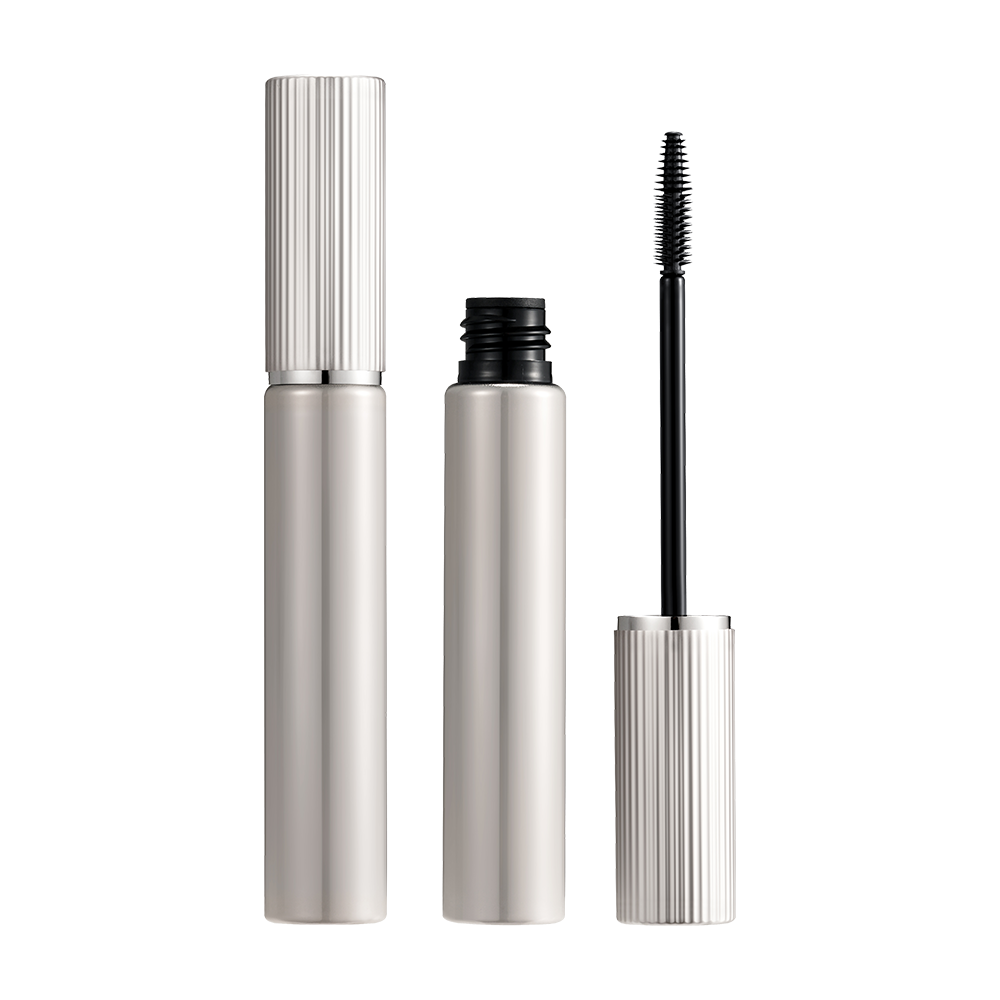
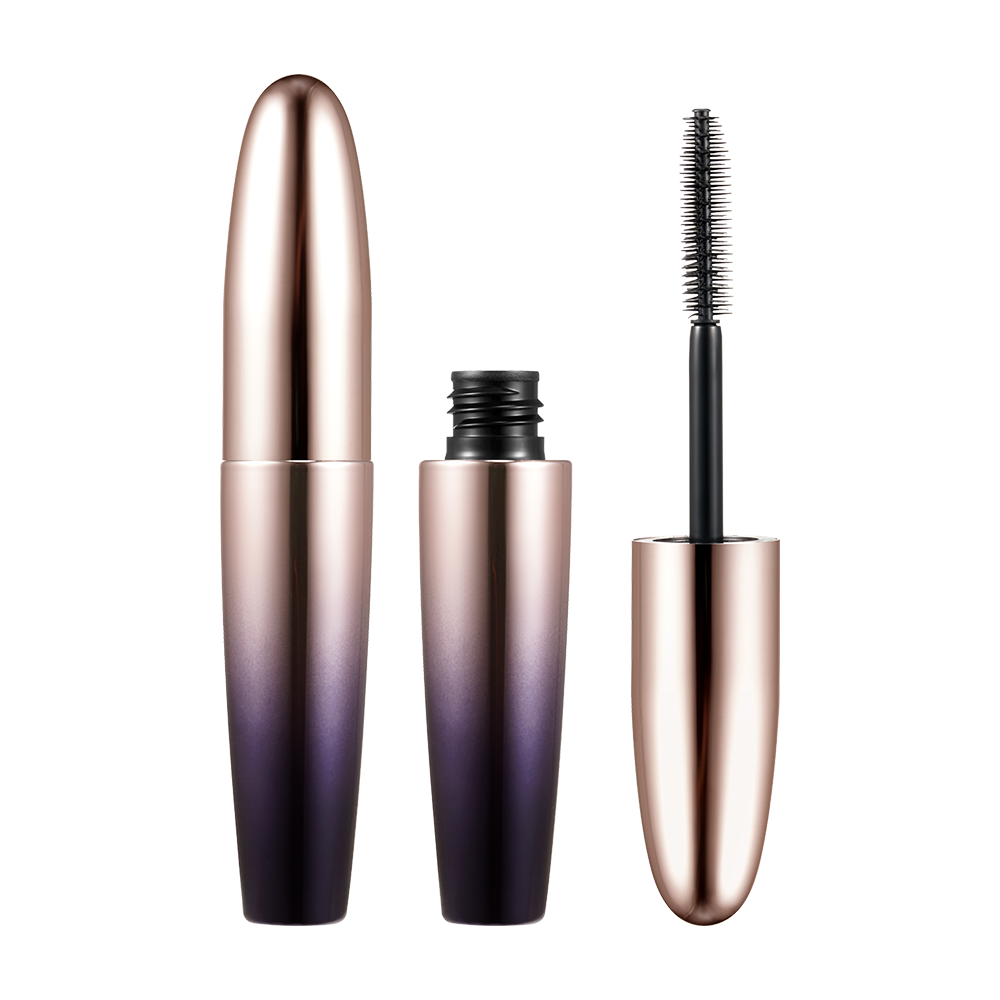
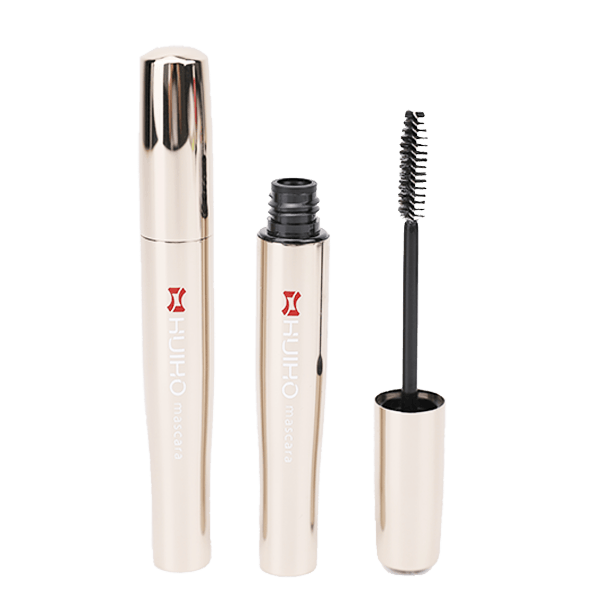 Aluminium custom mascara tube and wand HM1156Location: China Product Name: Aluminium custom mascara tube and wand HM1156 Business Type: Manufacturer, Exporter Terms of payment and delivery: FOB Minimum order quan...View Product →
Buyers rarely get into trouble because a material was wrong. They get into trouble because nobody asked for the paperwork. Request the following before a purchase order is issued.
Vertical integration shortens this loop. When aluminum and plastic parts are produced and inspected in the same factory, a failed compatibility test becomes a wall thickness or coating decision instead of a six week exchange between suppliers. Ningbo Huiho Cosmetics Packaging runs its own laboratory and production lines for color cosmetics packaging, which helps when a brief asks for a compostable carton and a sealing test in the same week.
Regulators have moved from encouragement to enforcement. The EU Packaging and Packaging Waste Regulation sets recyclability and recycled content requirements with phased deadlines from 2030, and green claim rules require environmental statements to be backed by recognised evidence. A few habits keep a pack on the right side of that line.
For most color cosmetics projects the sequence is the same. Start from the disposal route the customer really has, choose the primary material that protects the formula, then reduce weight, simplify the material mix and add refills where the format allows it. Paper and recycled board handle the secondary packaging, where the gain is both measurable and cheap.
Biodegradable packaging is worth pursuing where it fits: solid formats, dry formulas, refill cups, cartons and cases that a composting scheme will genuinely accept. It is worth avoiding where it does not: long shelf life emulsions, high solvent liners, and any pack that mixes compostable and non compostable parts in a way the user cannot separate. Decide which of the two you are building before the artwork is approved, not after the first production run.