Hello Ningbo Huiho Cosmetics Packaging Co., Ltd. - China Mascara Tubes Packaging Manufacturers


A brand team writes a brief for a new body balm: the jar has to be biodegradable, the carton has to be recyclable, and the claim has to survive legal review. Three suppliers send samples, and all three describe their packaging as biodegradable. Only one of them can explain what happens to the jar after it is empty.
Here is the short answer before the detail. No single biodegradable package solves every skincare project, and the label is usually the weakest part of the plan. The workable approach is to fix the disposal route first, choose a material that genuinely performs on that route, and then write a claim you can document. Compostable fiber fits secondary packaging and solid anhydrous formats. Mono-material aluminum and polypropylene fit primary packaging and can be recycled or refilled. A material described as biodegradable without a disposal environment, a time frame, and a test standard behind it is a marketing line, not a property of the plastic.
Content
Most packaging projects in this category start in the wrong place, with a material request instead of a disposal decision. A product manager asks for biodegradable plastic, receives a bio-based resin, and assumes the problem is solved. Those two words do not mean the same thing. A resin can be grown from sugarcane and still behave like conventional plastic in a landfill. It can also come from fossil feedstock and break down completely in an industrial composting facility.
Write down the disposal route before you shortlist anything. The realistic options are industrial composting, home composting, mechanical recycling, and landfill. Landfill is where most packaging still ends up, and inside a landfill almost nothing biodegrades on a useful timeline, because the environment is dry, oxygen-poor, and compacted. A package that only breaks down in a laboratory has not solved a real problem.
Once the route is fixed, the shortlist becomes short. Industrial composting points to certified fiber, molded pulp, or a certified compostable biopolymer, tested as a complete assembly. Kerbside recycling points to a mono-material pack in a resin the local sorting system already recognizes, with decoration that does not confuse the near-infrared sorters. Refilling points to a durable outer shell and a light refill pod that carries the formula.
Skincare is harder than most packaging categories, and the formula is the reason. A serum or cream has to stay stable for two to three years, it contains water that supports microbial growth, and its fragrance or active system will find its way into any material that is not a proper barrier. Four requirements do most of the work:
Fiber-based and early-generation compostable materials struggle with all four. Paper tubes for balms exist and work well, but usually with an internal liner or coating, and that liner decides whether the finished pack is actually compostable. Adhesives, coatings, and labels are the most common reason a package fails certification even when the board itself is fine.
Regulators have caught up with the vocabulary. In the United States, the FTC Green Guides expect a biodegradable claim to be qualified by the environment and the time frame in which the item breaks down, and an unqualified claim is hard to defend. European rules are moving in the same direction, pushing brands toward substantiated statements backed by test reports. A claim that cannot name its disposal route and its standard is a liability with a print deadline.
Compostable materials earn their place in three specific spots. The first is the outer carton, where certified fiber printed with water-based inks is the easiest environmental win in the whole bill of materials. The second is the tray or insert, where molded pulp replaces a plastic shell at low cost and still passes industrial composting tests as a single unit. The third is solid or anhydrous formats that never sit in water for two years. That logic is examined further in this review of recyclable and biodegradable materials in cosmetics packaging.
Bio-based polypropylene and polyethylene made from sugarcane or used cooking oil reduce fossil carbon, but they behave chemically like their fossil equivalents. They are a sensible choice when the disposal route is mechanical recycling, and a poor one when the marketing claim is biodegradation.
The weak point is the primary pack for water-based formulas. A compostable biopolymer jar that protects an emulsified cream for 24 months, survives a drop test, and holds a pump thread is a serious engineering problem, and few suppliers will guarantee it. Change the formula to an anhydrous balm or a solid serum, and the calculation changes completely, because there is no water to lose and no preservative system to protect.
For the primary pack, the more defensible route is a mono-material container that is easy to recycle and can be refilled. Aluminum is the strongest option. A drawn aluminum case is a total barrier to light, oxygen, and moisture, it tolerates essential oils and fragrance without leaching, and it is recycled commercially without loss of quality. It is not biodegradable, and no honest supplier should describe it that way.
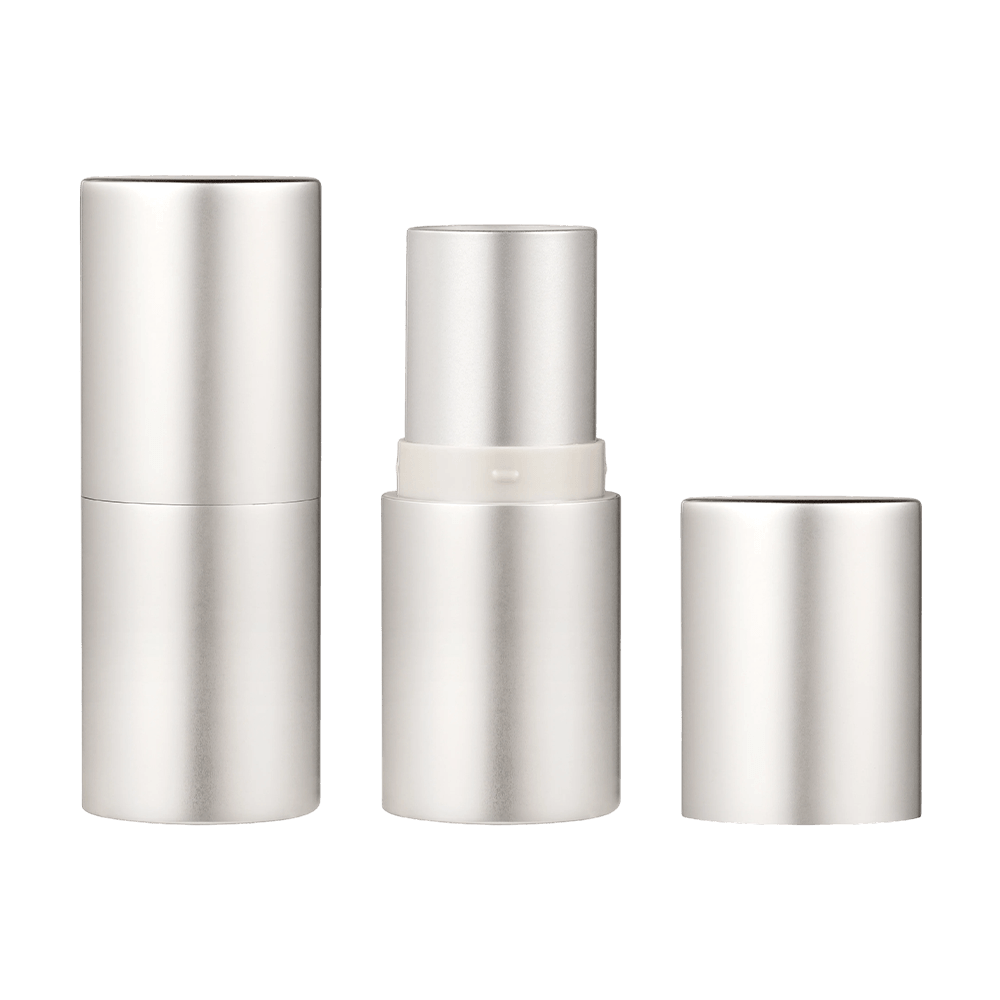
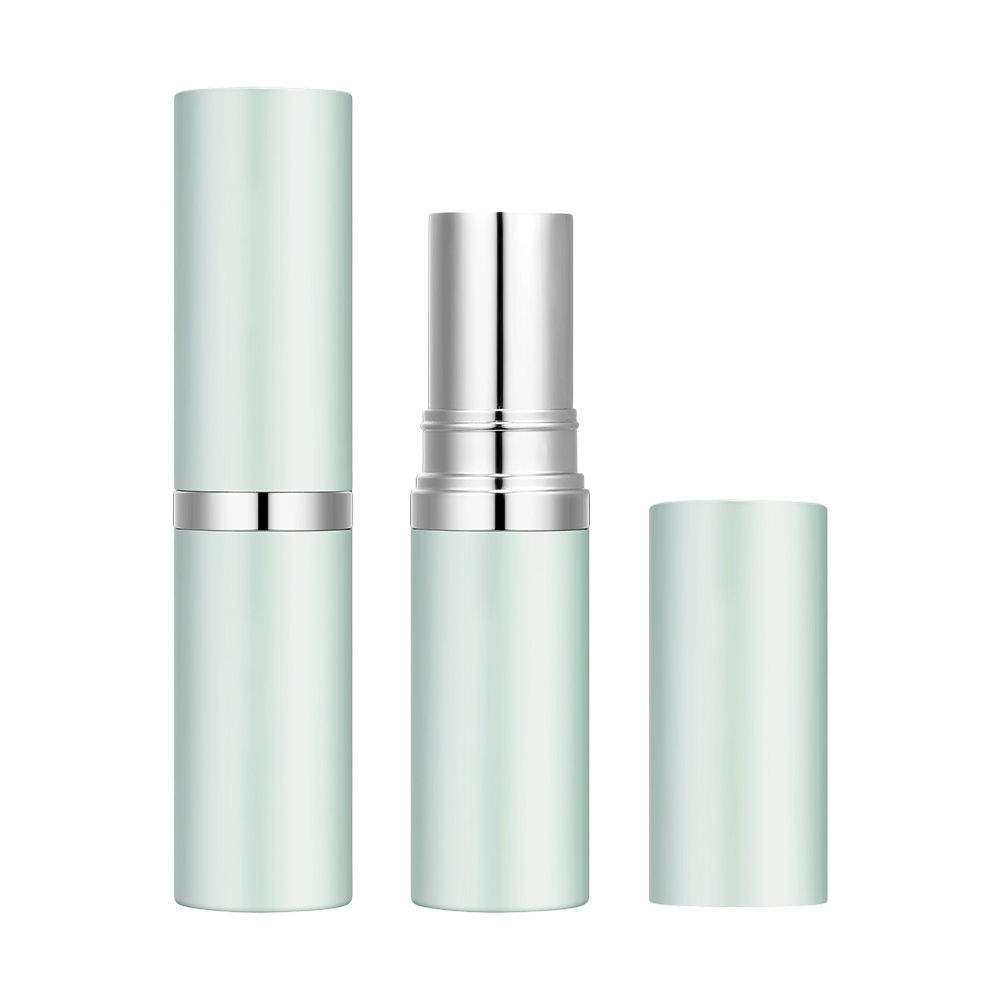
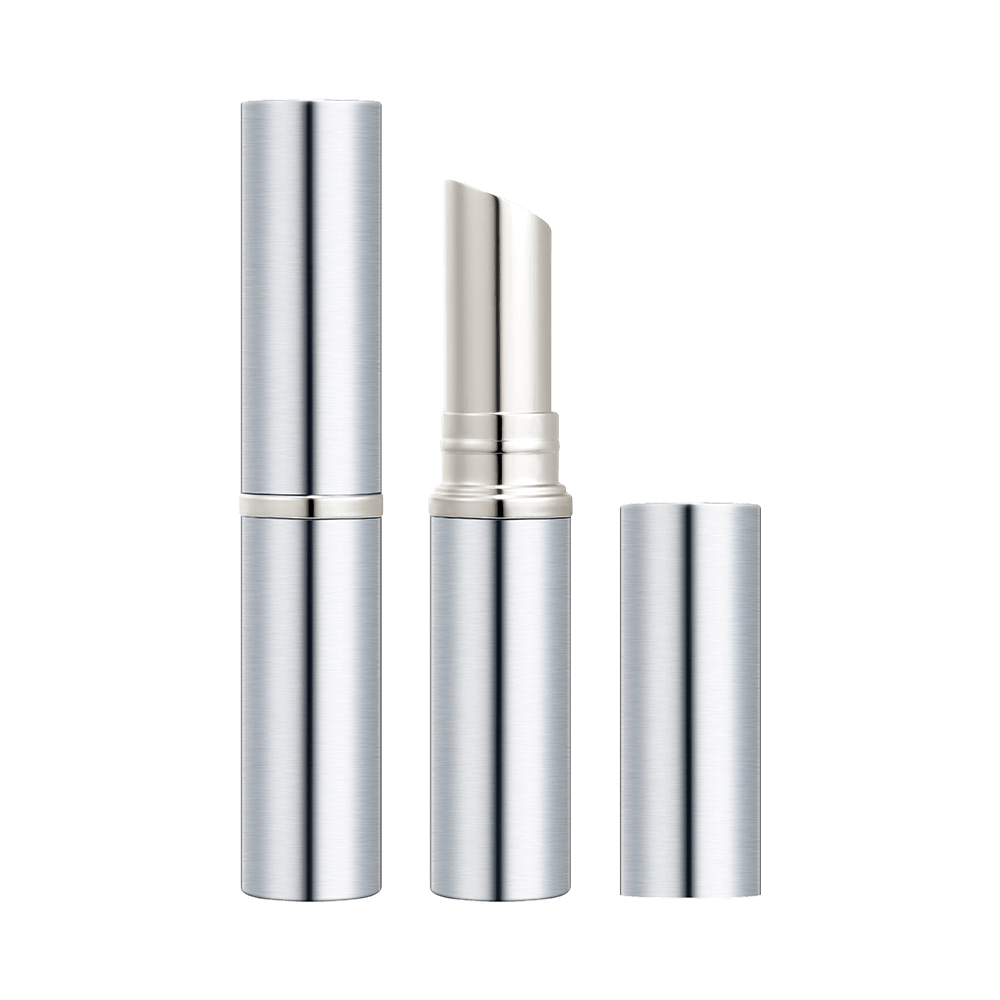
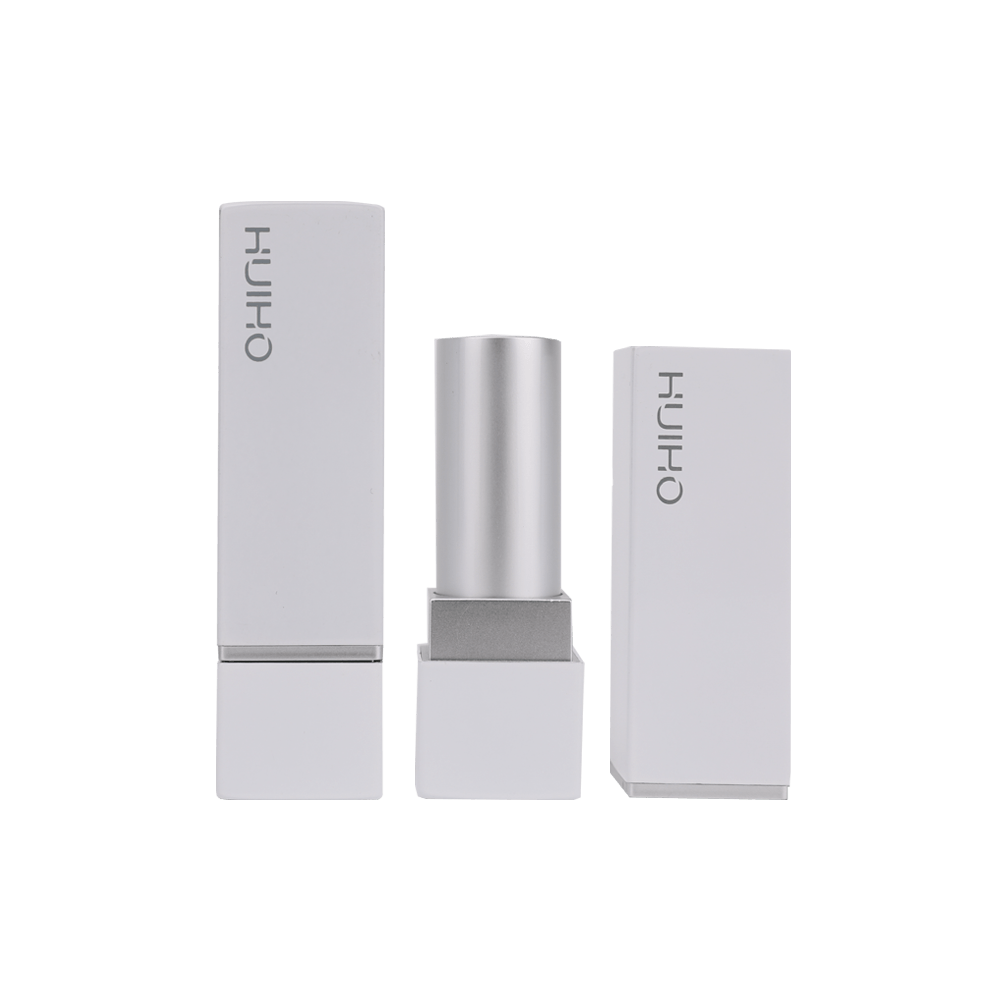 Aluminum Grey Matte Lipstick Tube HL8254View this aluminum grey matte lipstick tube for lip color packaging; the page lists model HL8254, dimensions, cup size, and order terms.View Product →
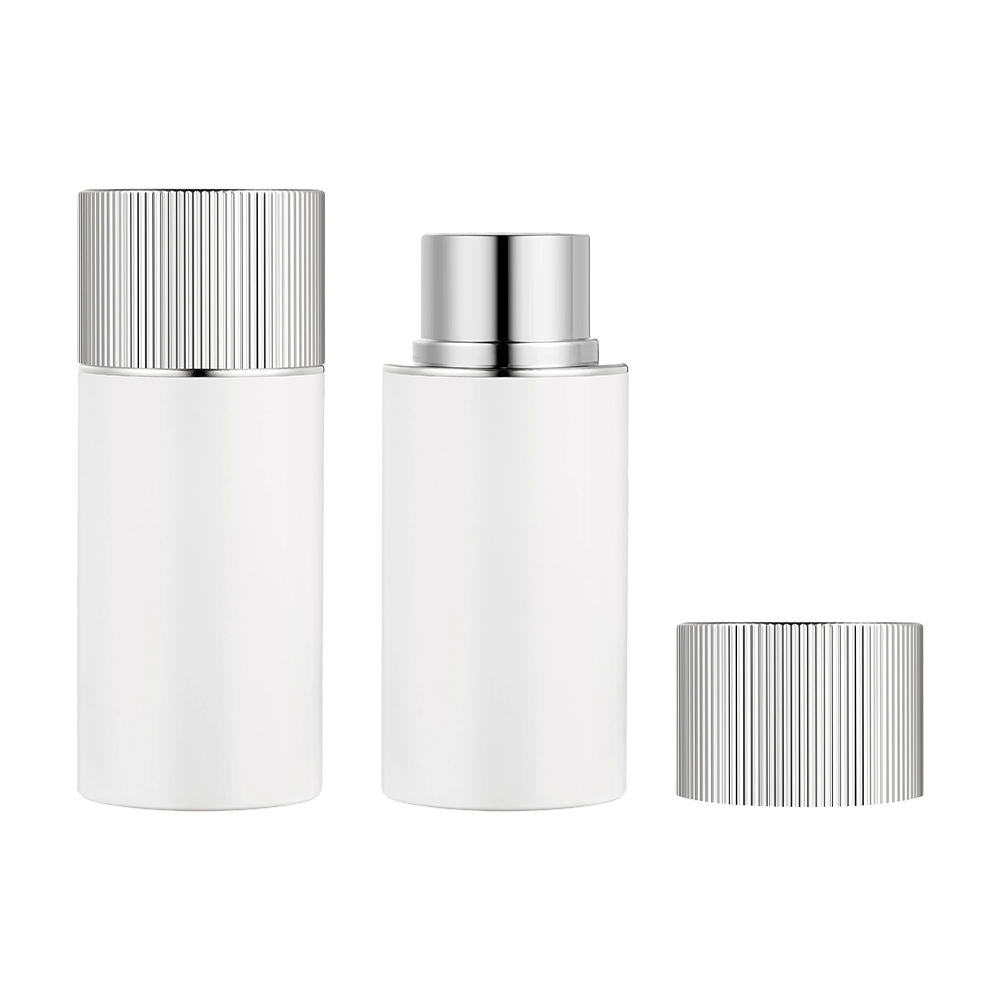
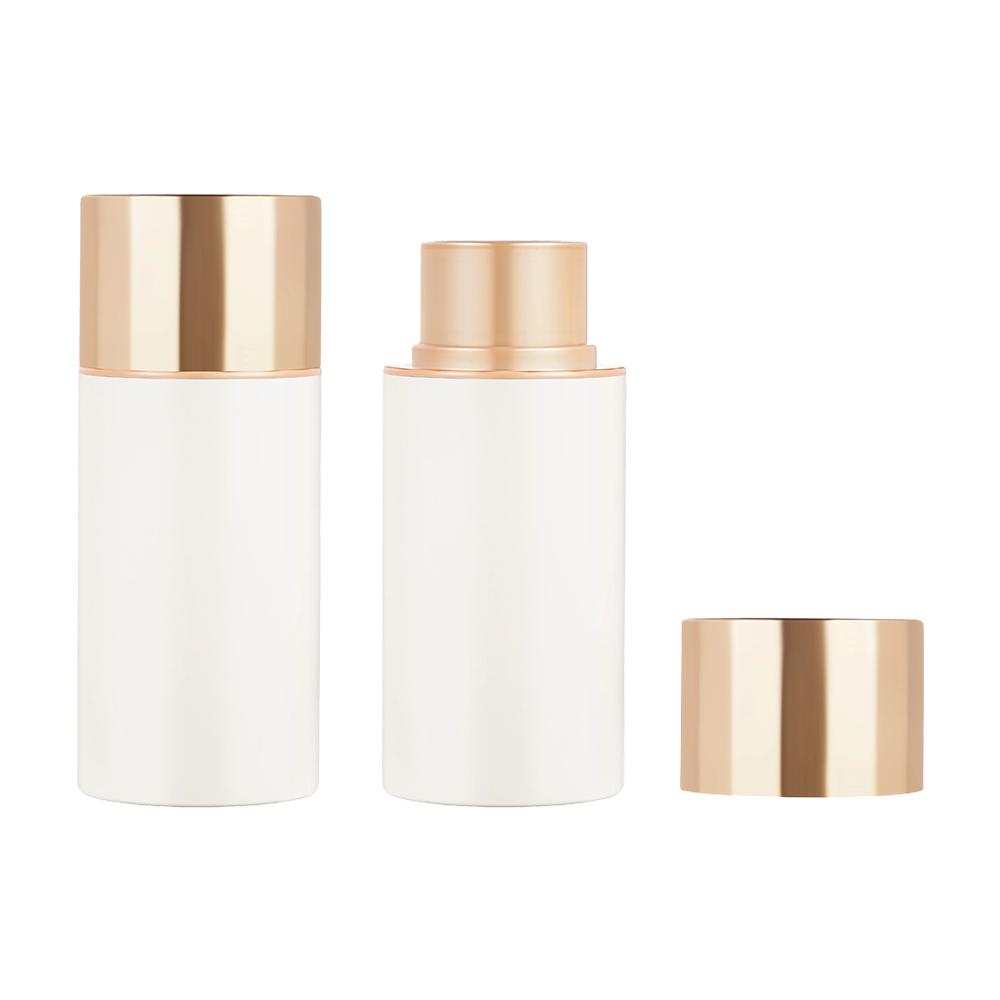
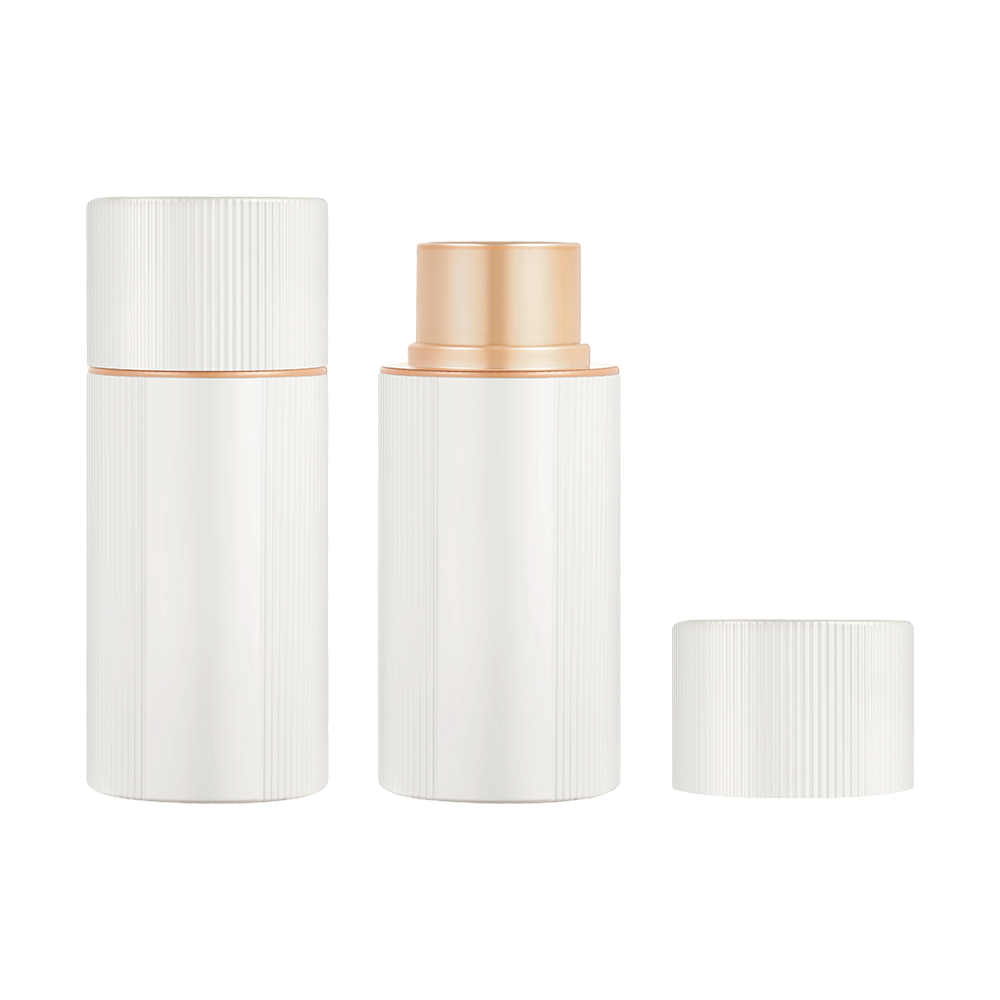
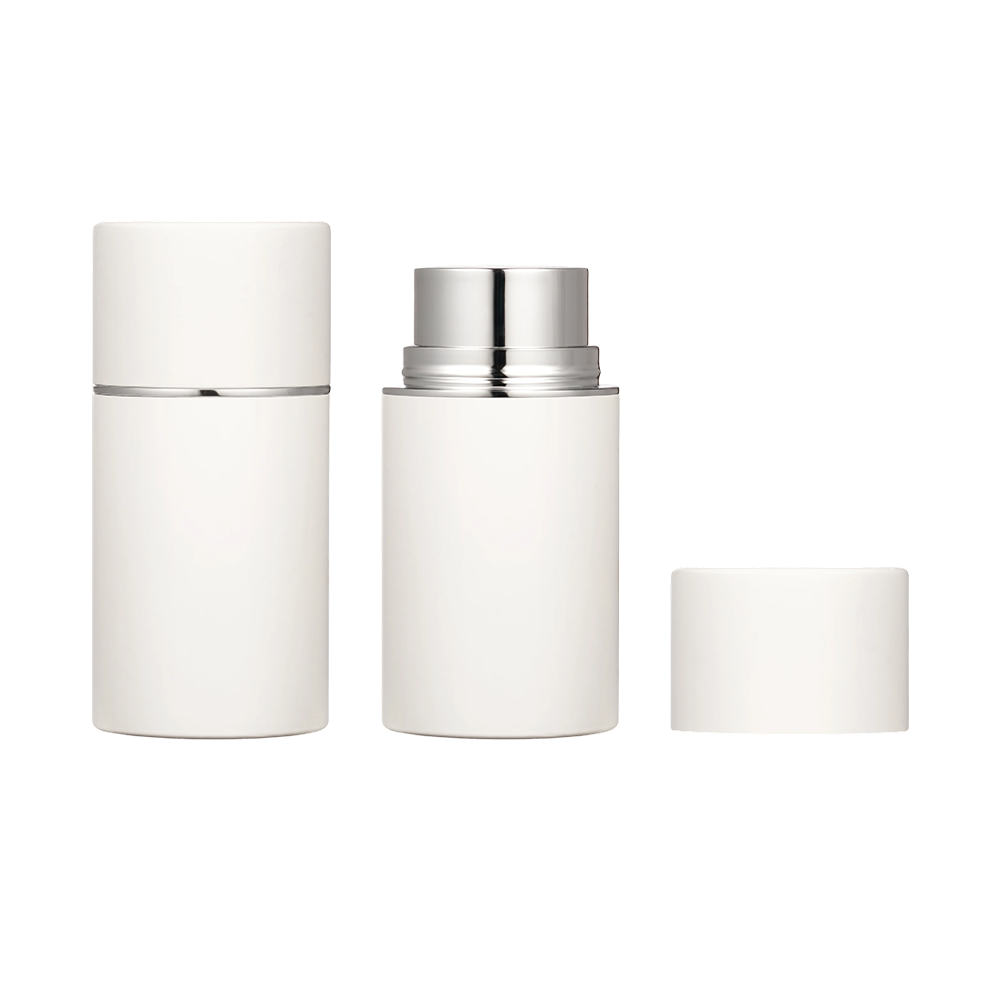
The same reasoning applies to solid and semi-solid skincare. Twist-up sticks for balms, lip treatments, and spot concealers use very little material, travel well, and can be built as a refillable shell with a replaceable inner cup. A polypropylene or POM mechanism is the usual choice because it keeps its tolerances after thousands of cycles, while an aluminum or post-consumer plastic barrel gives the pack the weight and finish buyers read as premium.
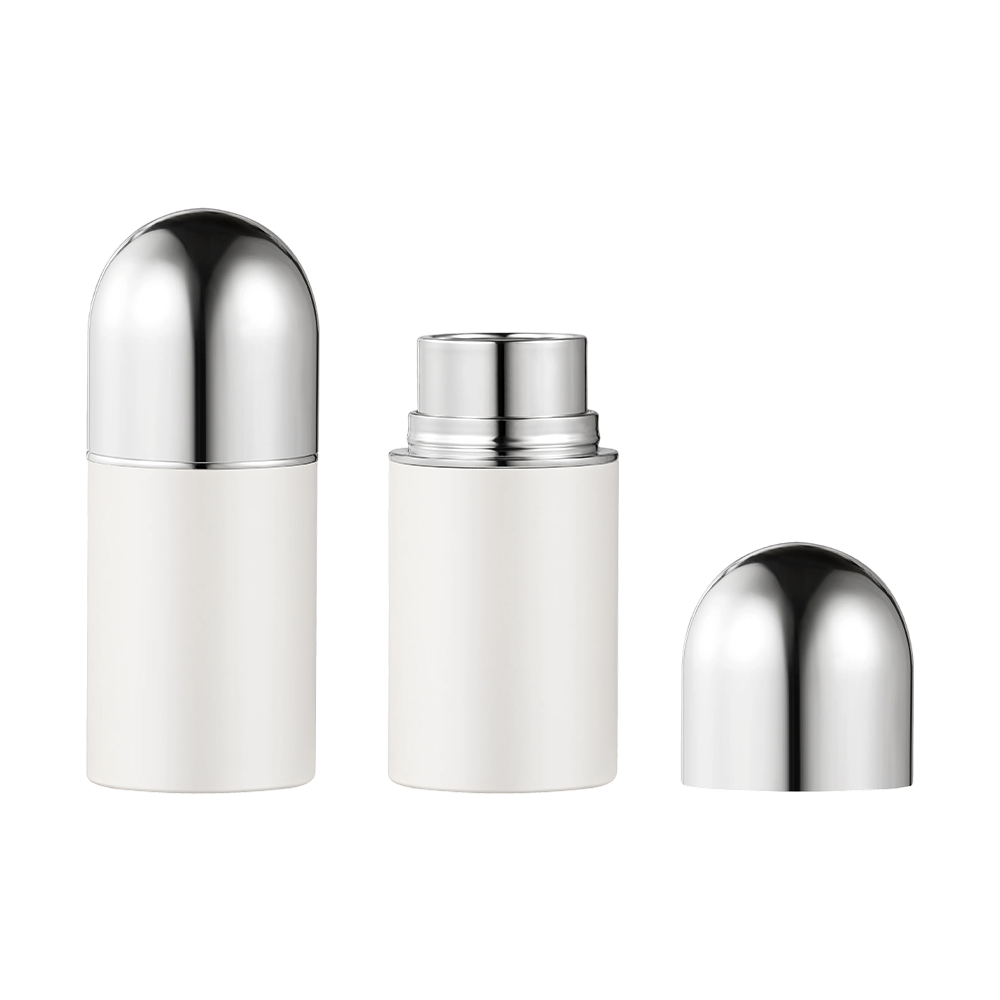
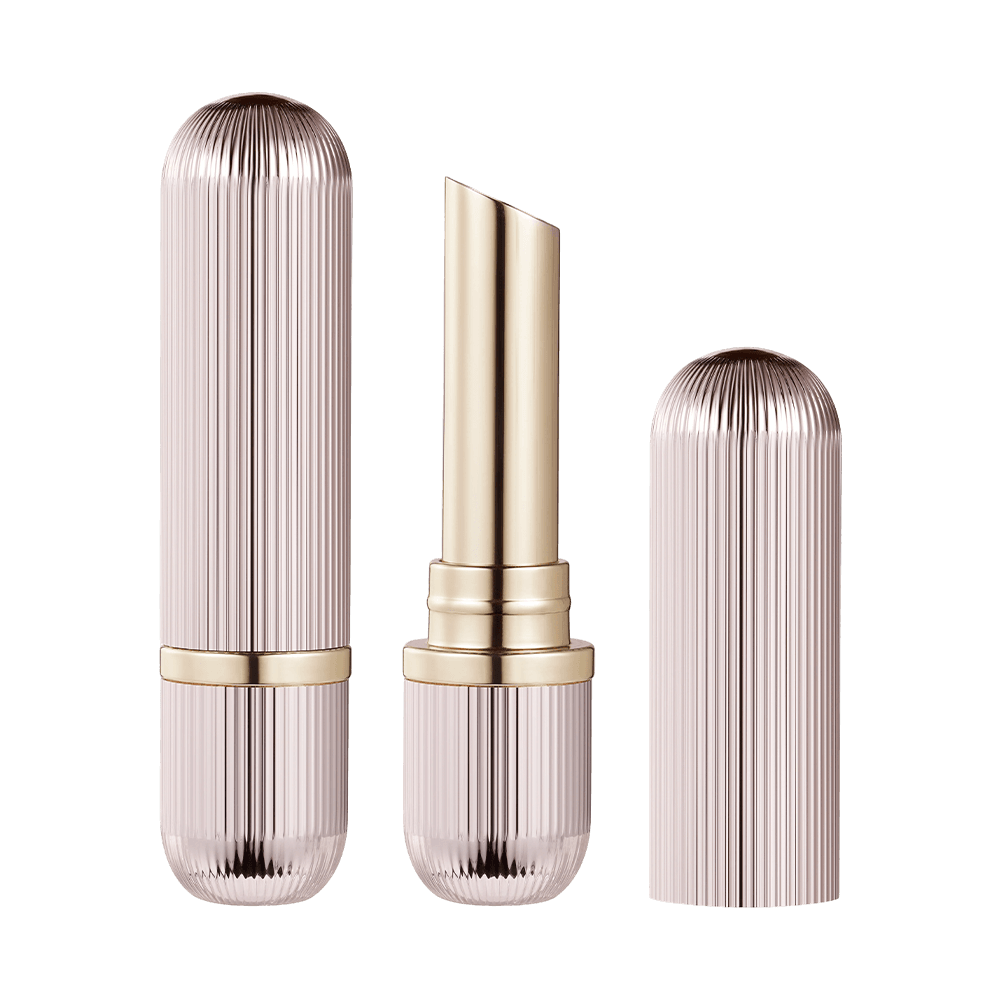
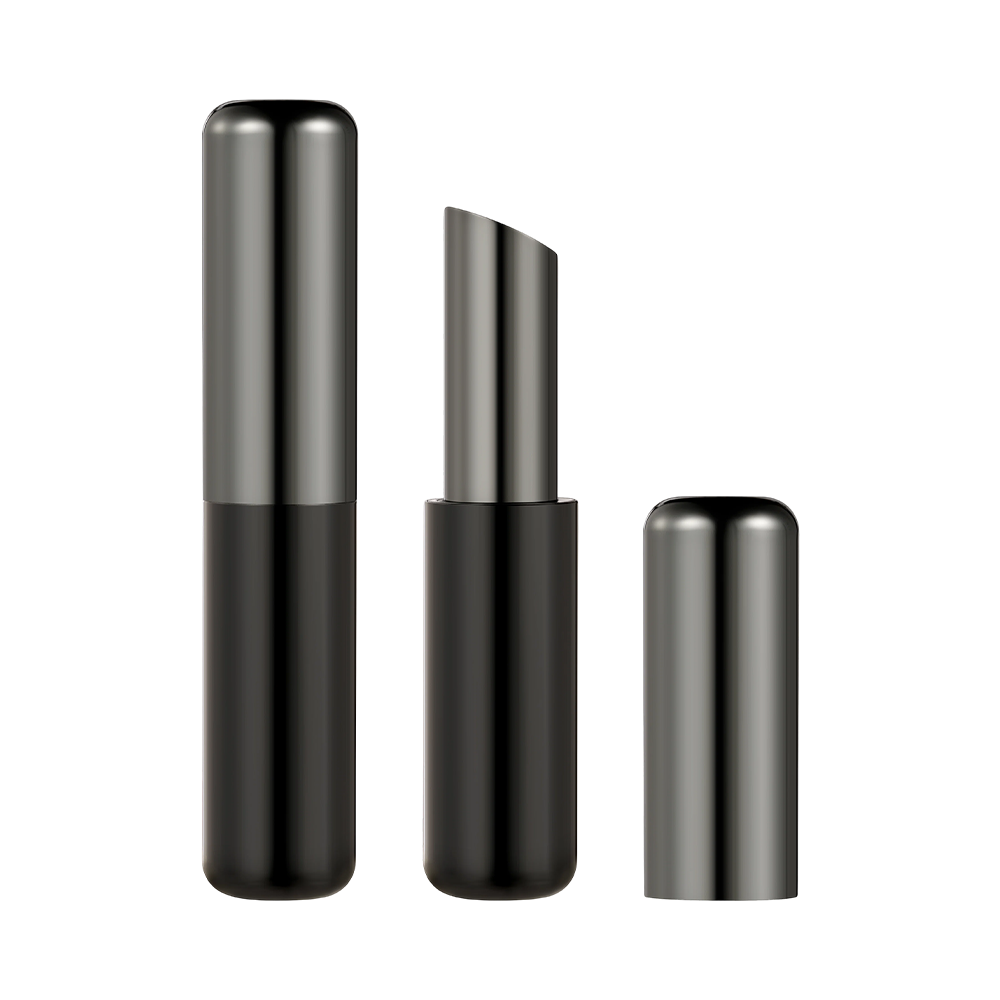
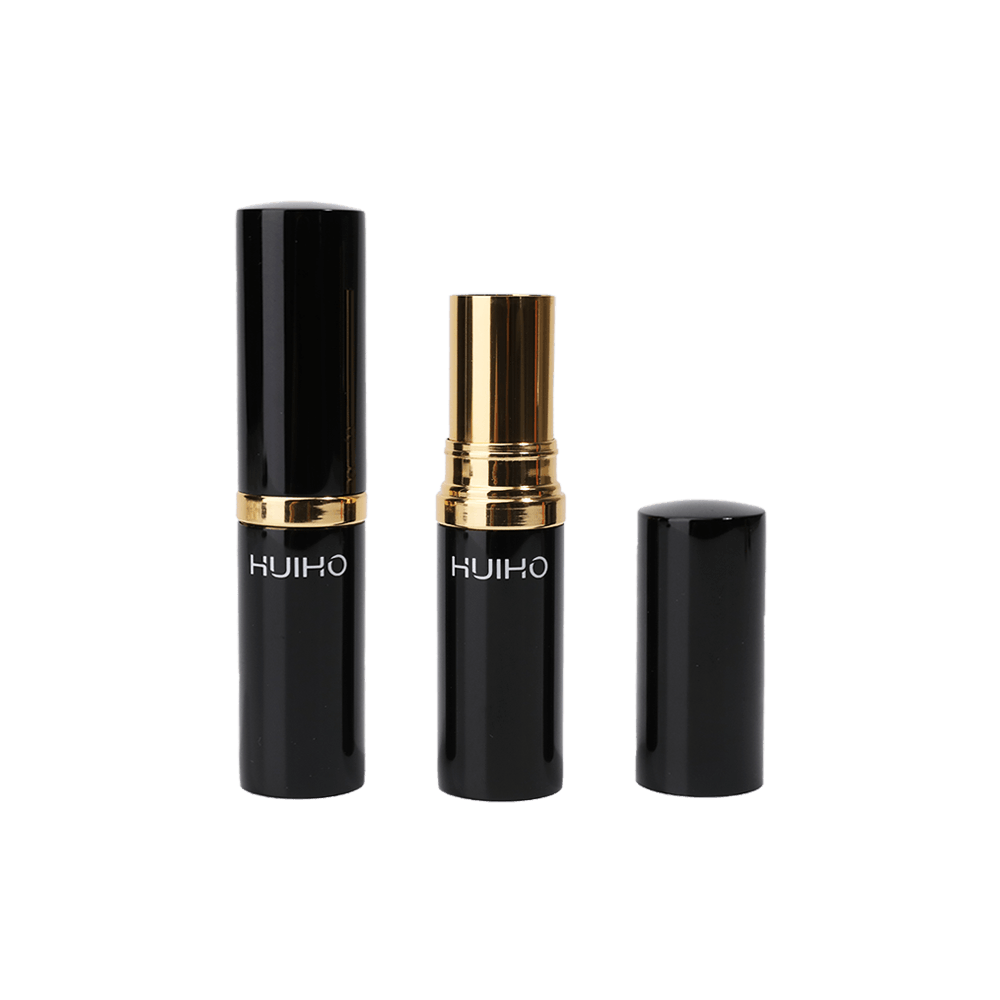 Round Custom Cosmetic Stick Packaging HL8321View this round custom stick packaging for concealer, blush, or shimmer sticks; page lists model HL8321, size, cup size, and wholesale terms.View Product →
Decoration is where recycling claims quietly die. A full-body shrink sleeve, a metallized label, or a heavy foil-blocked panel can stop a near-infrared sorter from identifying the resin underneath. Water-based coatings, in-mold labeling, and removable pressure-sensitive labels keep the pack inside the stream it was designed for.
| Format | Typical material | Real end of life | Verify before claiming |
|---|---|---|---|
| Folding carton | Coated paperboard | Recycled where fiber collection exists | Fiber certification, water-based inks, no foil blocking |
| Tray or insert | Molded pulp or PET | Pulp composts, PET recycles | Single-unit compost test result if claimed |
| Cream or serum jar | Glass, PP, PET | Glass and mono PP or PET recycle | Resin identification, easy label and liner removal |
| Dropper assembly | Glass, PP, silicone bulb | Mixed materials need separation first | Whether a consumer can pull it apart by hand |
| Twist-up stick | PP, POM, aluminum | Aluminum and PP recycle, POM is rarely accepted | Single-material shell and inner cup design |
| Compostable paper tube | Fiber with liner or coating | Composts only if the whole assembly is certified | ASTM D6400 or EN 13432 report on the finished pack |
| Refill pod | PP or post-consumer plastic | Recycles where PP is accepted | Refill weight against the primary pack weight |
Lips are where skincare and color cosmetics meet, and that overlap is useful. Lip oils, tinted balms, and overnight lip treatments are formulated like skincare and packaged like color cosmetics. A clear or frosted tube with a precision applicator shows the product, uses a fraction of the material of a jar, and works with a refillable or mono-material build.
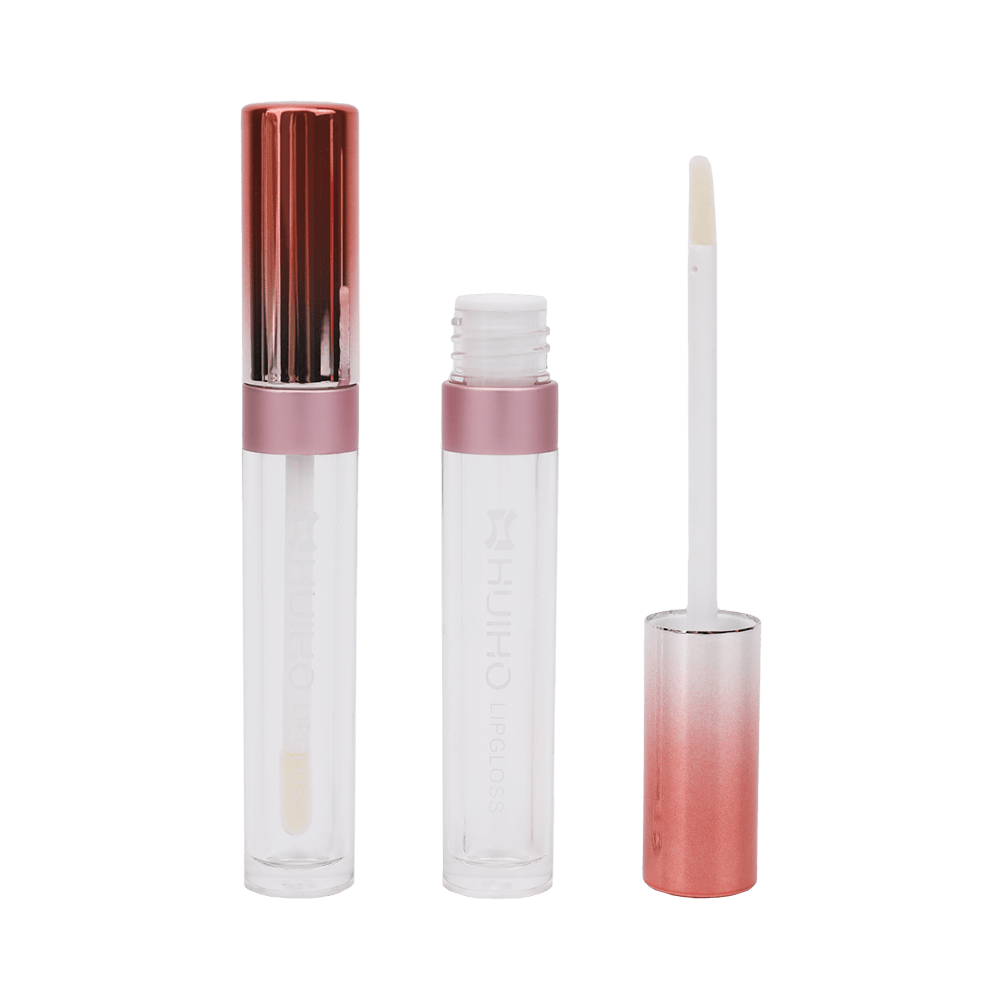 Empty Lip Gloss Tube LG006View this empty lip gloss tube for cosmetic packaging; page lists model LG006, Φ17 x 118mm size, MOQ, FOB terms, and delivery details.View Product →
Tubes of this type are usually AS or PET for the barrel with a PP cap, which keeps the pack close to mono-material. If the formula is anhydrous, the same tube can be produced in a bio-based resin without a barrier liner, because there is no water to lose and no preservative system to protect.
For most skincare brands the practical answer is a mixed approach rather than one miracle material: certified fiber for the carton and tray, a mono-material aluminum or polypropylene primary pack, a refill option for the core SKU, and a claim written to match what the package can prove. Ningbo Huiho Cosmetics Packaging produces both the aluminum and the plastic parts in its own factories, which makes it easier to keep a pack mono-material than sourcing a shell, a mechanism, and a cap from three different suppliers. Bring the disposal route to the first meeting, not the last one.