Hello Ningbo Huiho Cosmetics Packaging Co., Ltd. - China Mascara Tubes Packaging Manufacturers


An eyeliner bottle approved from a 3D render can still fail on the filling line: the cap binds after a week, the wiper delivers too much liquid, and a few units seep in transit. The shape was never the problem. The formula, the orifice, the thread, and the coating were decided separately, and they did not agree with each other.
Cosmetic bottle packaging works when four things are specified together: the fill, the container material, the closure, and the decoration. Agree on those before tooling, and a slim 4 ml bottle can still feel premium, seal reliably, and reach a sensible unit cost.
Content
The formula sets the first limits. A low-viscosity eyeliner moves through a 1.2 mm orifice very differently from a pigmented lip gloss. Alcohol, oils, fragrance, and pH all affect the inner surface of the container. A resin that looks perfect in a clear sample can craze, soften, or lose gloss after two weeks in contact with the actual product.
Ask for a fill trial with your own formula, at your filling temperature, on equipment that matches the production line. Water is not a valid test. If the product is volatile, test the sealed unit inverted for 24 hours and again after accelerated stability. If the product is thick, check whether the bottle can be filled without trapping air around the shoulder.
For lip gloss, mascara, and eyeliner, the word bottle often describes a tube with an applicator. A pump bottle suits foundation or cleansing water. A slim tube with a wiper suits eyeliner. Matching the format to the application prevents a beautiful package from being awkward to use. The applicator, the neck, and the bottle should be approved as one assembly, not as three separate parts.
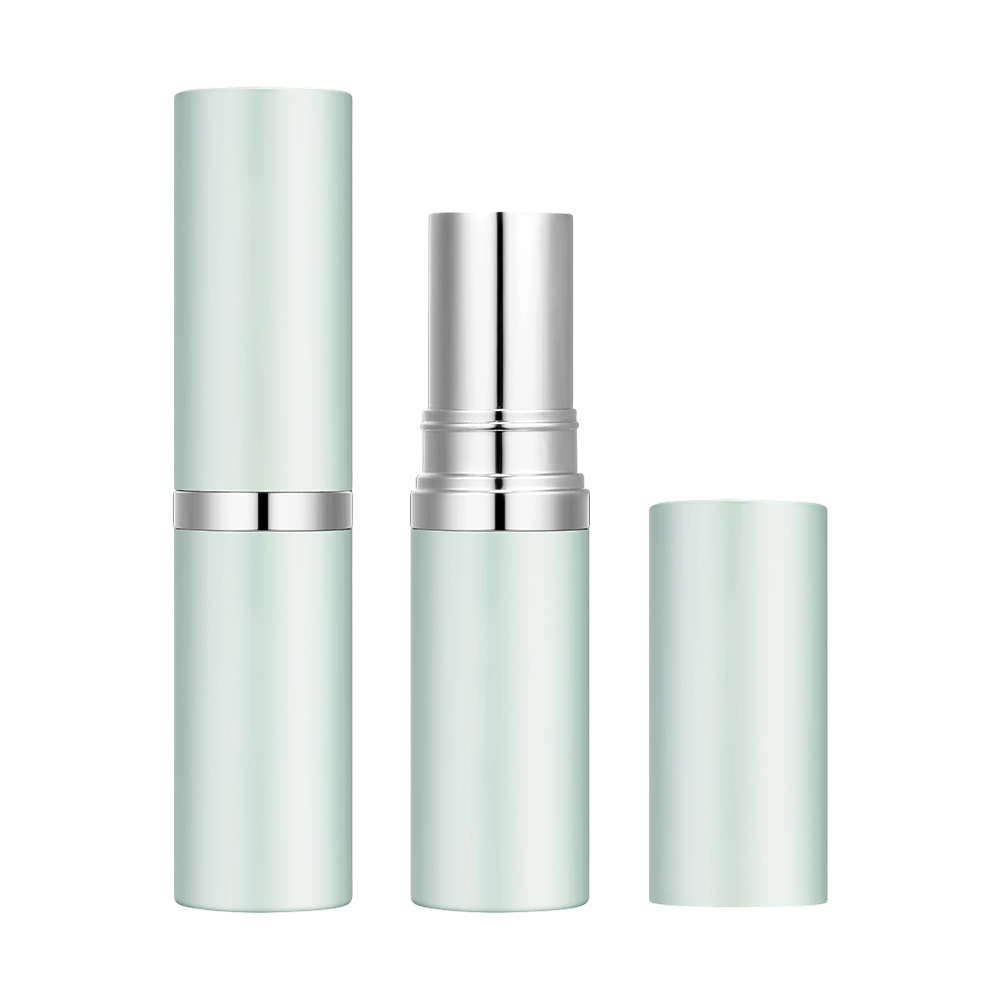
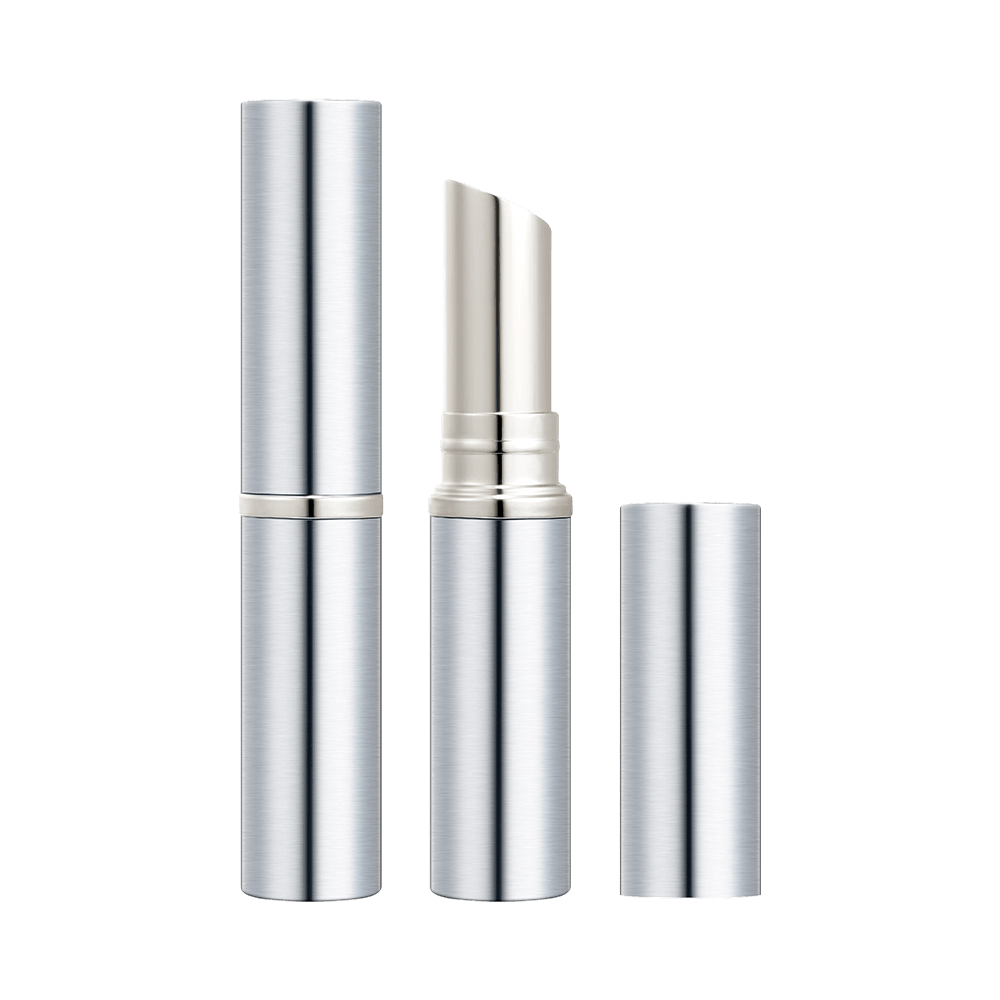
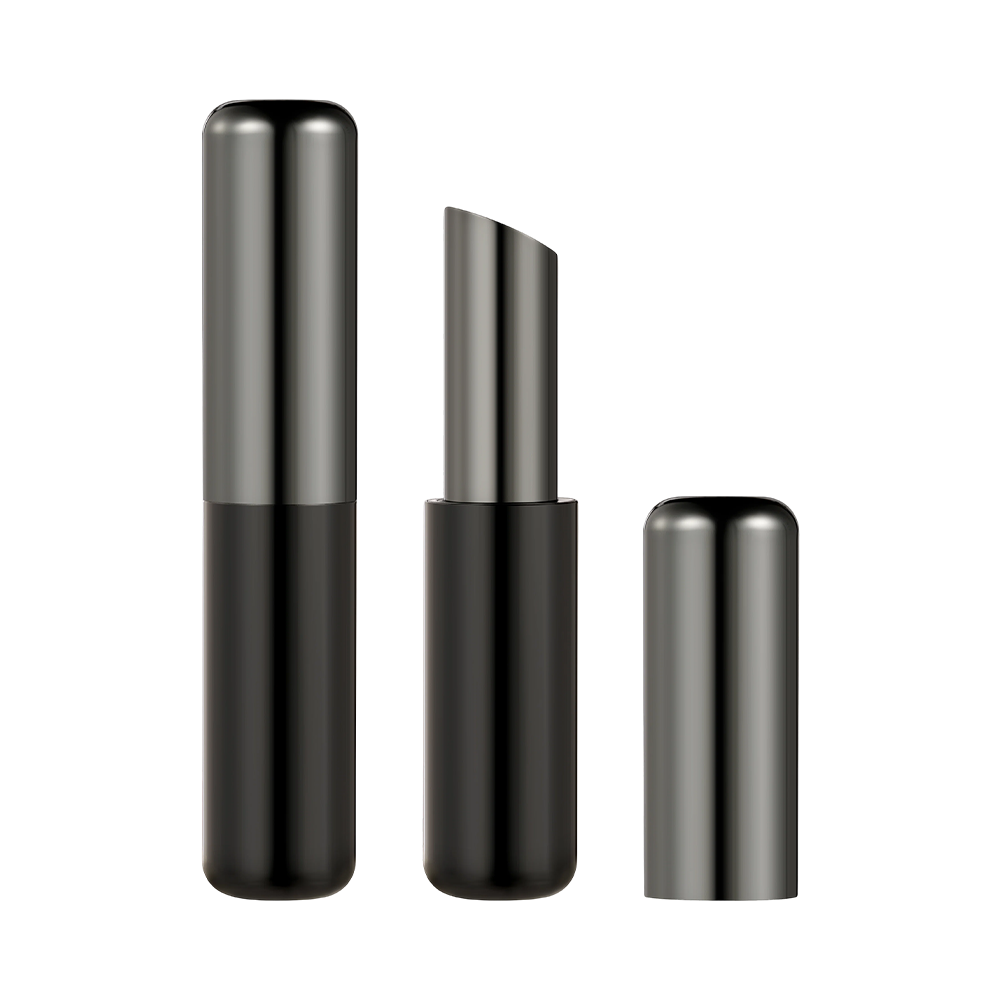
Material follows the formula and the price target. PET gives clarity and a good moisture barrier for eyeliner bottles and lip gloss tubes. PP is tougher and more chemical-resistant, which makes it a common choice for wipers, caps, and low-cost tubes. ABS takes a high gloss and deep colors for caps and thick-wall cases. Aluminum gives a metallic finish and a strong barrier for mascara and lipstick, but it dents and needs a compatible inner coating.
| Material | Typical use | Main risk | Cost position |
|---|---|---|---|
| PET | Eyeliner bottles, lip gloss tubes, clear bodies | Stress whitening at the neck; solvent-related crazing in some grades | Low to medium |
| PP | Wipers, caps, flexible tubes, low-cost bodies | Softer surface; limited transparency | Low |
| ABS | Caps, thick-wall cases, glossy outer shells | Solvent attack; sink marks on thick walls | Medium |
| Aluminum | Mascara bottles, lipstick shells, premium caps | Dents; inner coating compatibility | Medium to high |
| Glass | Foundation and skincare bottles, premium sets | Weight, freight cost, breakage | High |
A 10 ml PET eyeliner bottle and a 10 ml aluminum mascara bottle can look similar on a shelf, but they behave differently in a bag, in a warehouse, and in the hands of a customer. The PET body is light and clear; the aluminum body feels colder and more substantial, yet it shows scratches and dents sooner. Neither is automatically better. The correct choice depends on the formula, the retail channel, and how much protection the product needs.
If you are comparing resins in more detail, this note on plastic types commonly used in cosmetic packaging covers the trade-offs between clarity, chemical resistance, and cost.
For a liquid eyeliner format, a PET body with a matched wiper is a practical reference point. The EL001 liquid eyeliner bottle is one example of this approach.
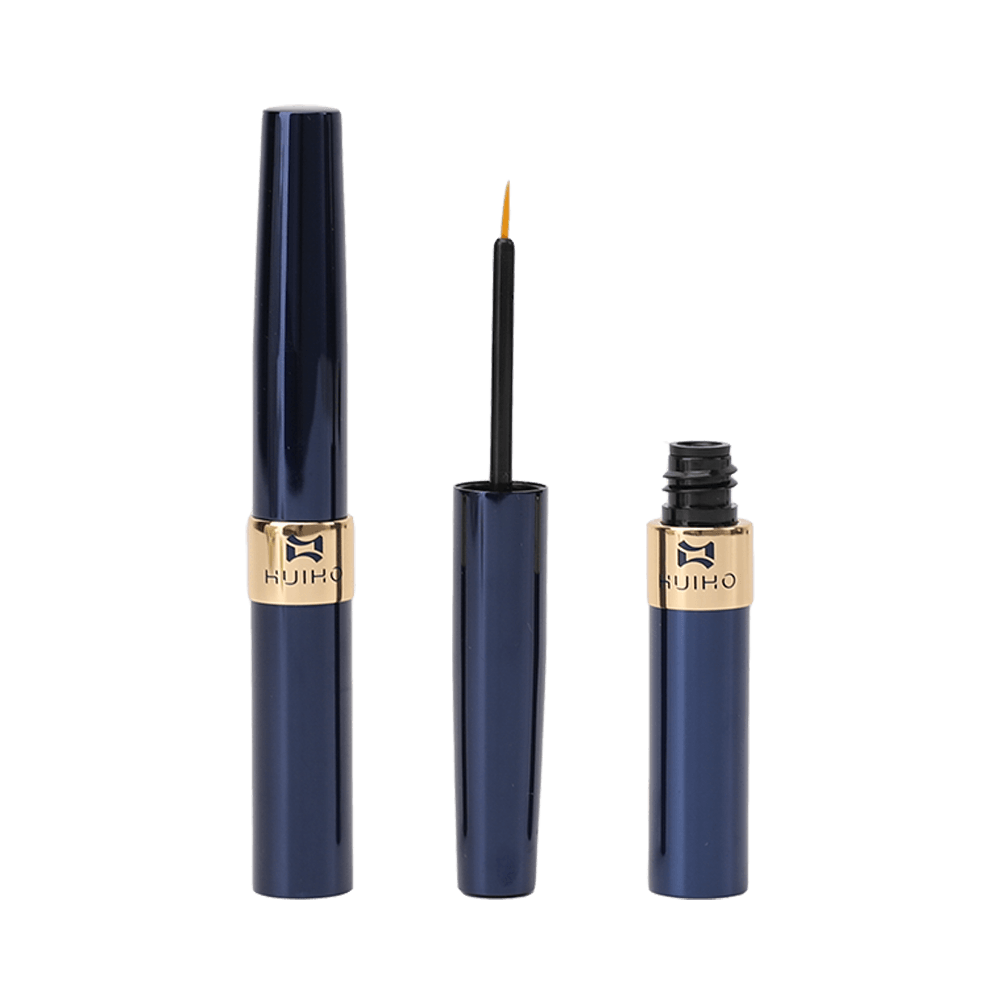 EL001 Empty Liquid Eyeliner Tube with Matched WiperA Φ15 x 115 mm empty eyeliner tube for liquid eyeliner packaging, relevant when checking a matched wiper and cap thread sealing.View Product →
Threads are not a detail. A single-start thread can cross-thread when the cap is applied quickly; a spiral mouth can guide the cap more smoothly, but it also changes the torque needed to seal. Ask for a torque range, not a single number, and test it after the bottle has been filled and stored for a week. A cap that feels tight on an empty sample may loosen once the thread is coated with product.
Leak performance should be written into the purchase order as a test method. A common set includes 24 hours inverted at room temperature, a vacuum check for volatile formulas, and a drop test in the retail carton. A bare bottle that survives a drop may still fail when the cap opens on impact. Test the complete unit: bottle, wiper, applicator, cap, and any inner liner.
Lip gloss has its own set of decisions. A slim round tube with a silicone applicator can be easy to fill and comfortable to use, while a double-end tube needs a reliable middle barrier so two colors do not migrate. A simple profile can still carry a custom finish, and the LG048 style is a useful example of that balance.
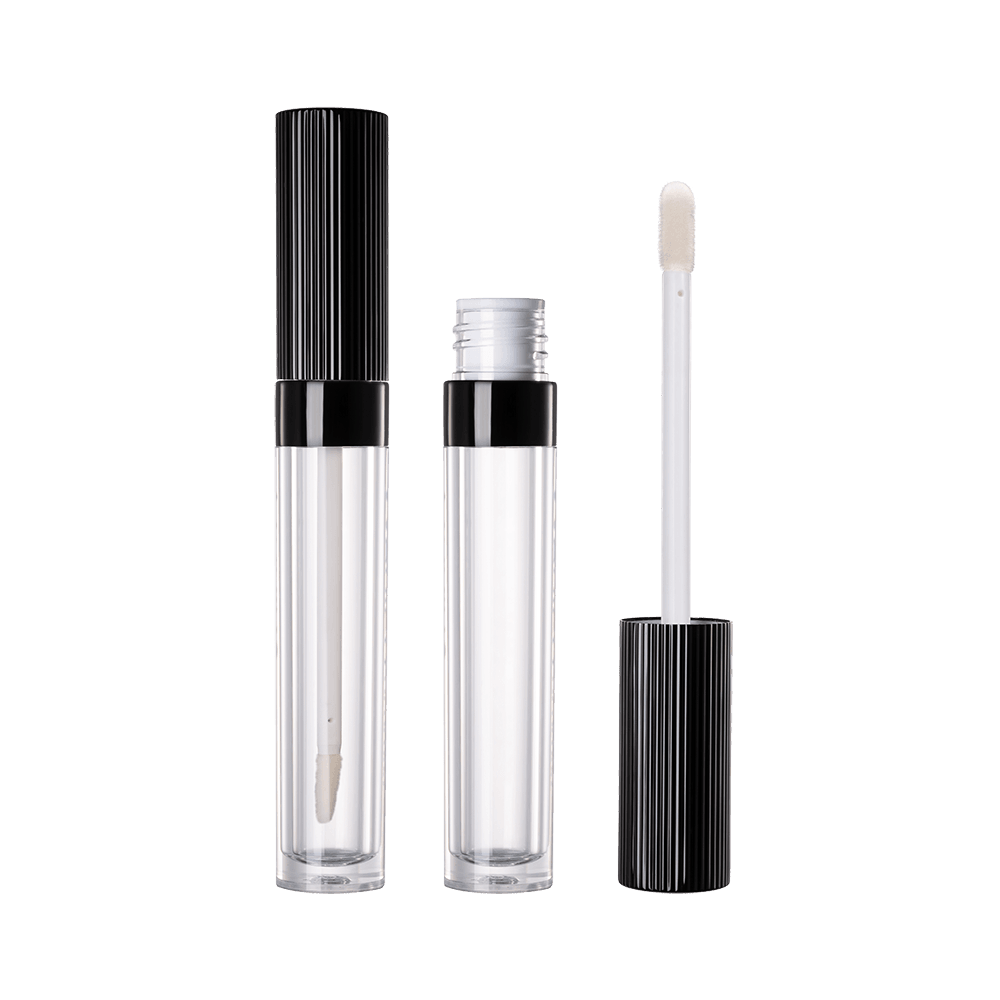 LG048 Slim Round Lip Gloss CaseA Φ17.4 x 118.6 mm lip gloss case for wholesale packaging, suited to reviewing a slim round profile alongside applicator and wiper fit.View Product →
The wiper controls the dose. A wiper that is too tight starves the brush; one that is too loose floods it. The difference is often a fraction of a millimeter in the wiper lip, which is why the applicator and the wiper should come from the same supplier as the bottle. For mascara, the brush, the wiper, and the bottle neck form a single system. Change one and the application changes.
A round slim mascara bottle is a good benchmark for a 7 to 8 ml fill, especially when the brush has a fine tip. The HM1017 profile shows how a narrow body can still leave room for a full wiper and a clean cap fit.
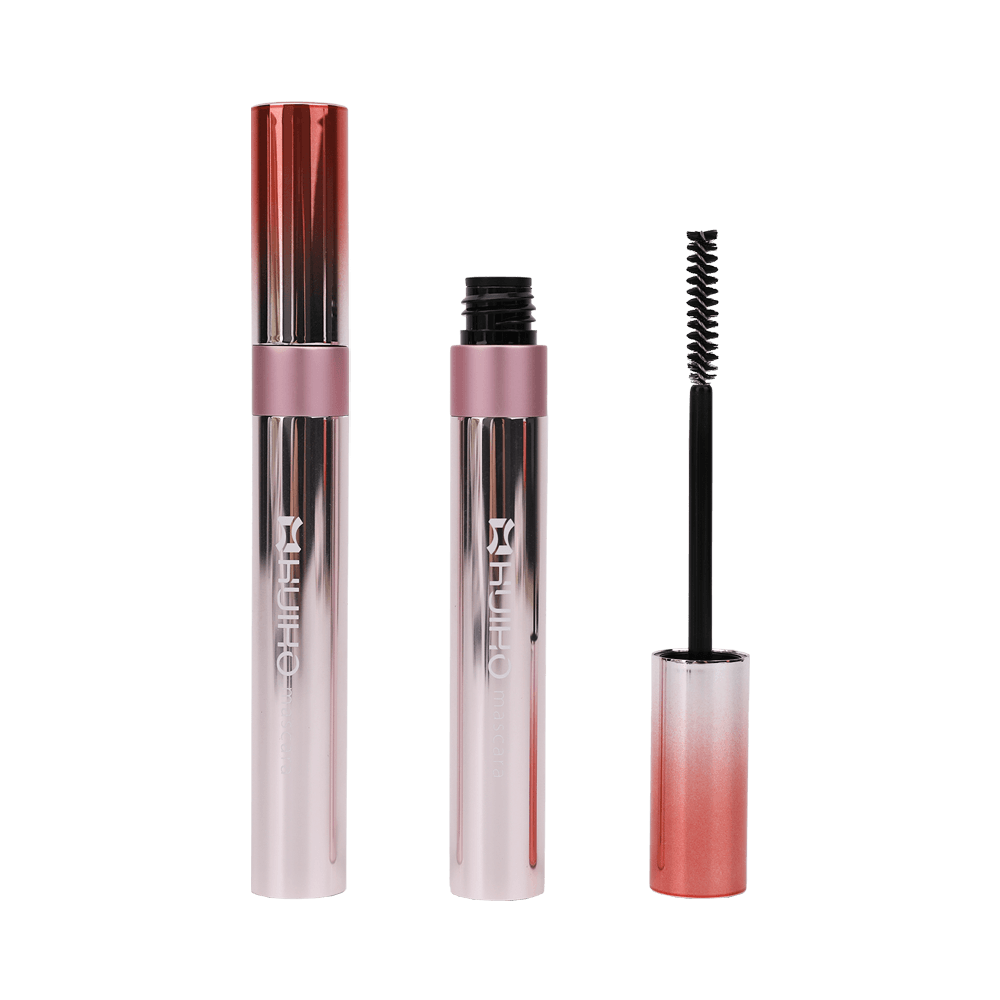 HM1017 Round Slim Mascara BottleA Φ16.5 x 134 mm round slim mascara bottle, useful for reviewing 7–8 ml fill, wiper and cap fit, and decoration on physical samples.View Product →
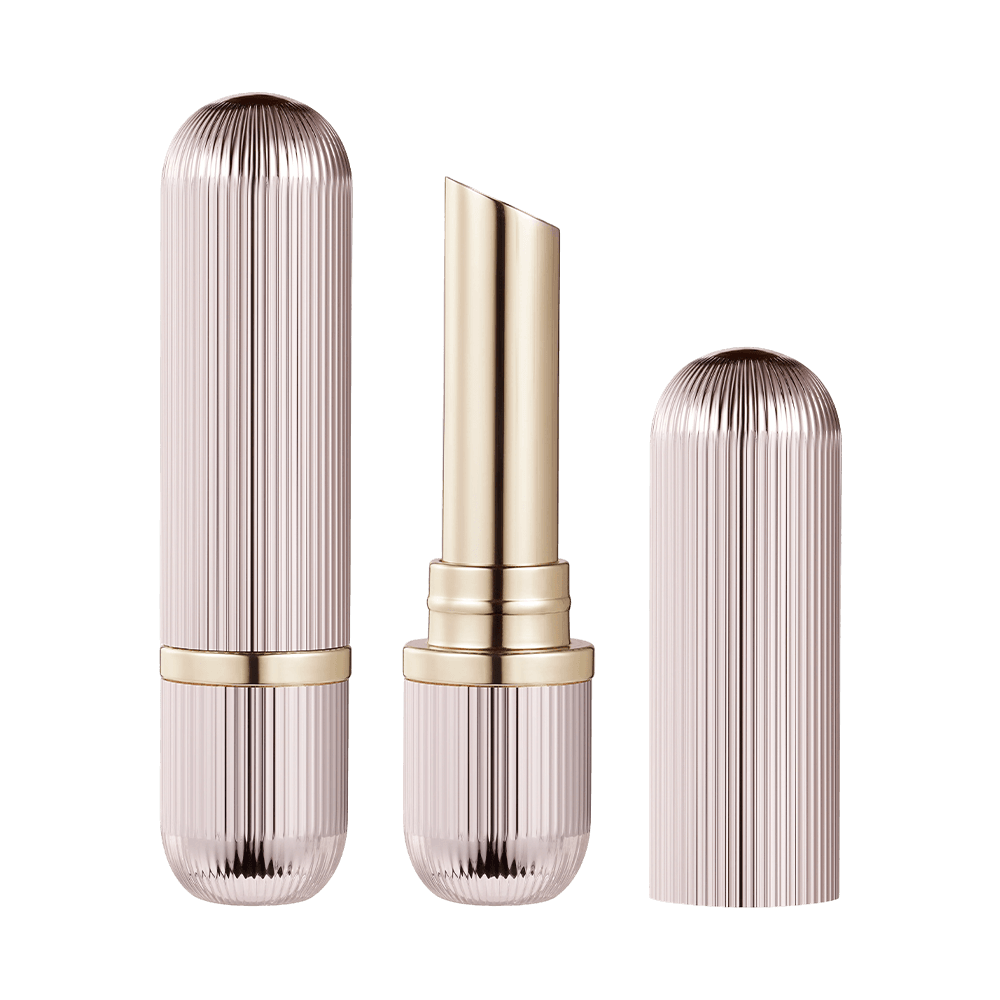
A printed proof cannot show curvature, gloss, or metallic flake. Decoration approvals should be made on a physical sample under a standard light box, with a boundary sample kept by both sides. The most common processes each carry a different risk:
Ask for an adhesive tape pull test and a rub test with the solvents the consumer will use, such as alcohol, oil, or makeup remover. For print registration on a tapered bottle, agree on a tolerance in millimeters. For color, agree on a physical standard rather than a screen value. These small approvals prevent a large shipment from being rejected for a shade that was never defined.
Custom cosmetic bottle packaging is usually a balance between differentiation and volume. A new mold is justified when the shape, capacity, or closure cannot be achieved with an existing tool. Before paying for tooling, ask for a dimension report, a 3D drawing, and a sample made from the production cavity. A sample from a prototype tool can hide problems that appear in a multi-cavity mold.
Clarify the minimum order quantity for each component, not only for the bottle. A custom cap, a colored wiper, and a printed carton may each have a different minimum. Ask whether the minimum applies to the bottle only or to the complete assembled unit. Also confirm the sampling schedule and the production schedule in writing, with the start date defined as artwork approval or deposit, not as the date of the inquiry.
For a lip gloss project, start from the lip gloss tube range and then narrow by applicator, fill volume, and closure. That sequence keeps the decoration from driving the engineering.
A practical inspection plan for cosmetic bottles should cover function as well as appearance. The following checks are a reasonable starting point:
Define the acceptance quality limit and the inspection method before production. A visual defect that is acceptable on a colored bottle may be obvious on a clear one. The same scratch has a different cost on a transparent PET body and a matte aluminum shell.
Cosmetic bottle packaging is a small share of the unit cost but a large share of the launch risk. Most failures are not caused by a bad mold. They come from a formula that was never tested in the chosen resin, a cap torque that was never measured, or a decoration that was approved on a screen. Fix those three points early and the package can stay simple, attractive, and predictable.
Huiho produces aluminum and plastic components in its own factories in Ningbo, with an in-house lab and a team that works from customer drawings or samples. If you have a bottle, tube, or applicator project, send the drawing, the fill volume, and the target finish, and ask for a sample that matches the production process rather than a render.