Hello Ningbo Huiho Cosmetics Packaging Co., Ltd. - China Mascara Tubes Packaging Manufacturers


A lip gloss shipment that arrives with an oily film on the inner carton is rarely a formula failure. In most cases the body resin was never tested against the fragrance oil in the fill, or the cap liner crept during a hot container ride. That is the practical reality of cosmetic packaging materials: they are chosen for chemical compatibility, filling behavior and closure tolerances before anyone discusses how the sample photograph looks.
Here is the working order we recommend. Match the material to the formula first, then to the filling and closing equipment, then to the decoration plan, and only then compare unit price. Aluminum, ABS, AS, PET, PETG and PP cover almost every lipstick, mascara, eyeliner, lip gloss and concealer stick sold today. Change that order and a perfect sample can still fail in the warehouse.
Content
Before comparing resins, list what the pack must survive. A mascara tube and a lipstick barrel are asked very different questions, even when they sit on the same shelf.
In color cosmetics there is a fifth, unofficial job: hand feel. A lipstick shell with a metal sleeve and a magnetic close reads as premium before the cap is even opened, and that perception is part of what the material choice is buying.
Aluminum is extruded or deep drawn into seamless bodies, then anodized, sprayed or brushed. It brings a genuine metal look, good barrier against light, oxygen and moisture, and a weight that feels substantial in the hand. Wall thickness on a typical lipstick barrel or mascara tube sits somewhere between half a millimeter and one millimeter, which is enough to resist normal handling but not enough to survive being dropped on a tiled floor.
Two details decide whether aluminum works for a given formula. The first is the internal coating: some lipstick and concealer fills react with bare metal, so a food-grade or cosmetic-grade inner lacquer is specified. The second is color consistency, because anodized batches shift slightly and a brand that orders twice a year needs a tolerance agreed in writing, not a verbal promise.
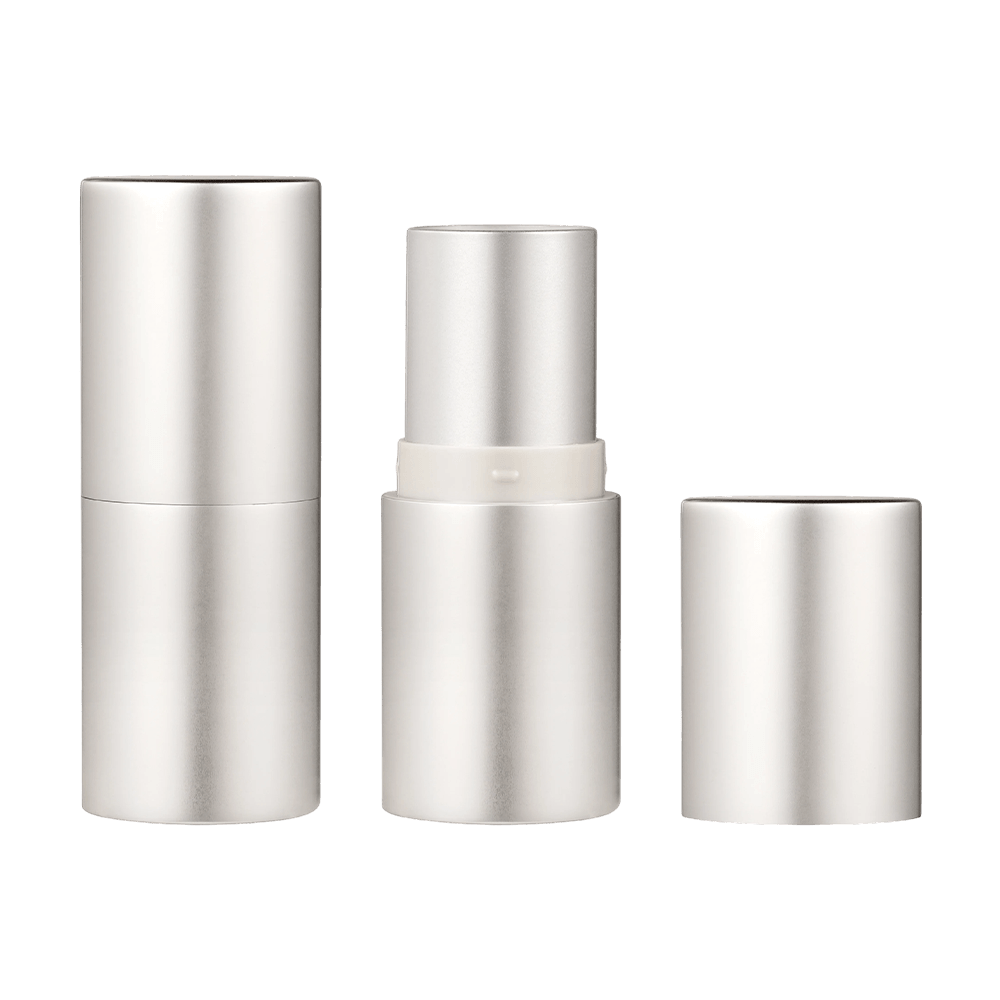
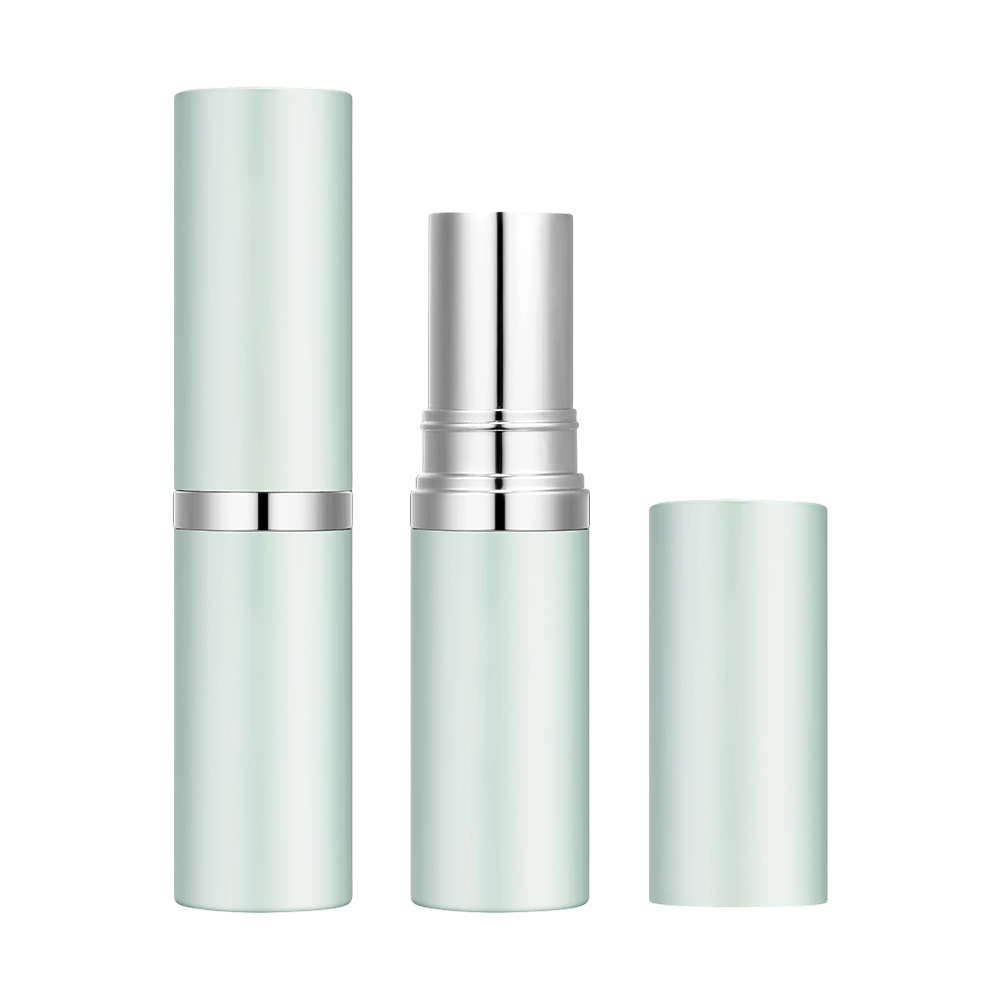
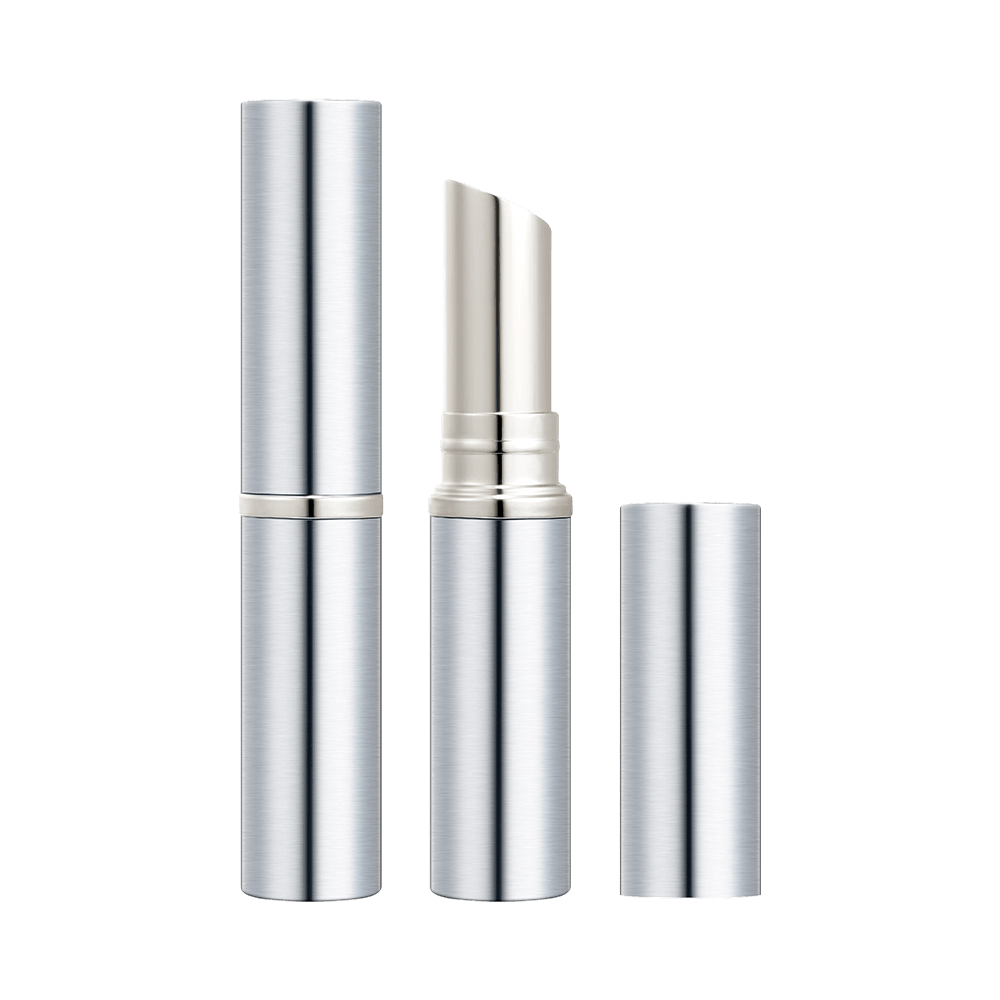
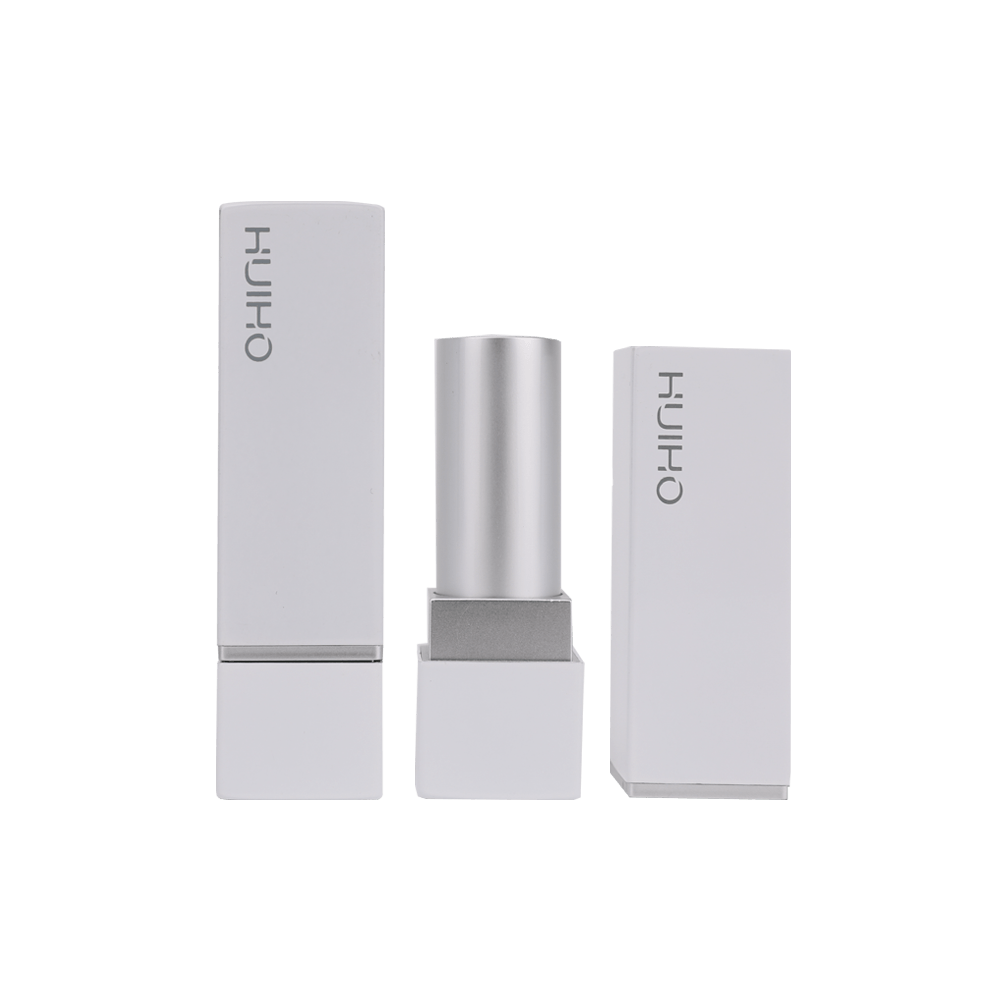 Aluminum Grey Matte Lipstick Tube HL8254This matte aluminum-grey lipstick tube measures Φ21.3 x 75.8 mm and is listed for wholesale cosmetic packaging supply with a 20k MOQ.View Product →
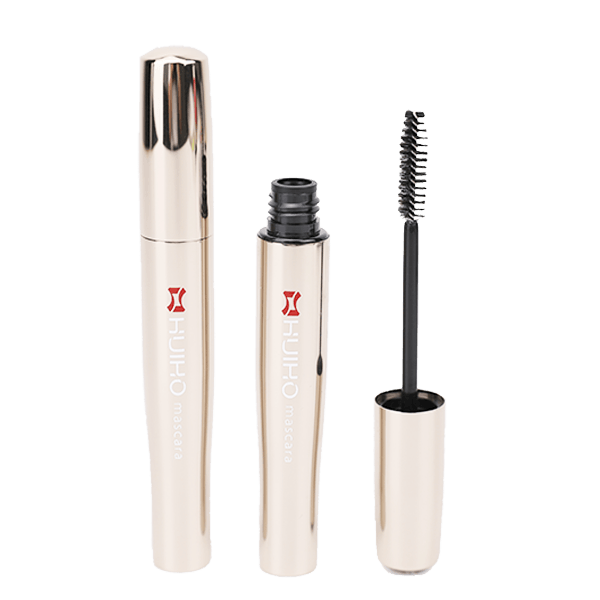 Aluminium Custom Mascara Tube and Wand HM1156A Φ18 x 129.3 mm aluminium mascara tube with wand, offered for custom wholesale packaging and listed with a 20k minimum order quantity.View Product →
ABS is the workhorse of lipstick shells, caps, compacts and thick-walled cases. It molds cleanly into heavy walls, takes high gloss, and accepts spraying, plating and hot stamping. AS, also called SAN, is clearer and stiffer, which suits transparent caps and windows, but it is more brittle and less forgiving of a badly designed snap fit.
The weakness of styrenic materials is chemical resistance. Prolonged contact with oils, esters and some solvents causes stress cracking, usually starting at a thread or a molded gate mark. If you specify ABS for a lipstick shell, plan an inner sleeve or liner, and test the finished pack with the actual fill at elevated temperature before approving the mold.
PETG gives glass-like clarity in thick sections and is easy to mold, which is why it dominates clear lip gloss tubes and many eyeliner bottles. PET has a better barrier and a stronger recycling stream, but thick clear parts turn slightly hazy and the molding window is narrower. Both are sensitive to solvent-heavy formulas, so a compatibility test with the real fill is not optional.
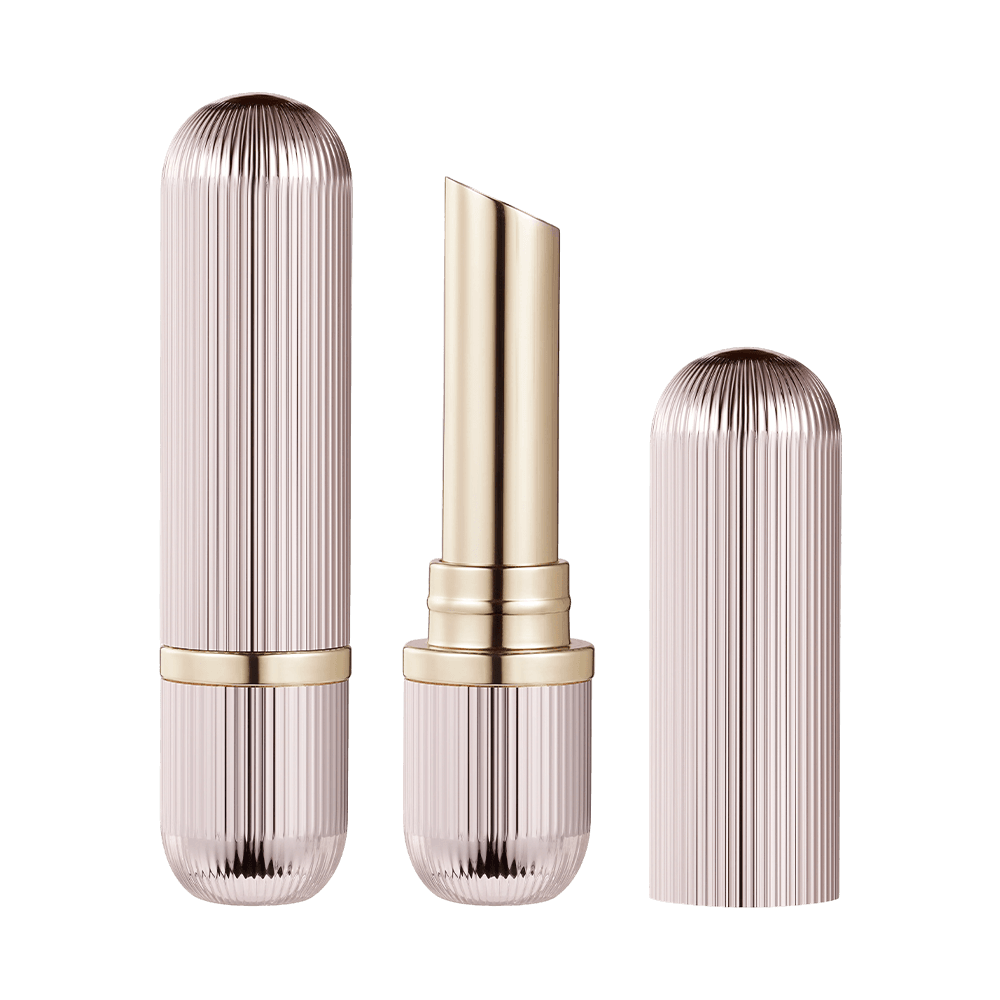
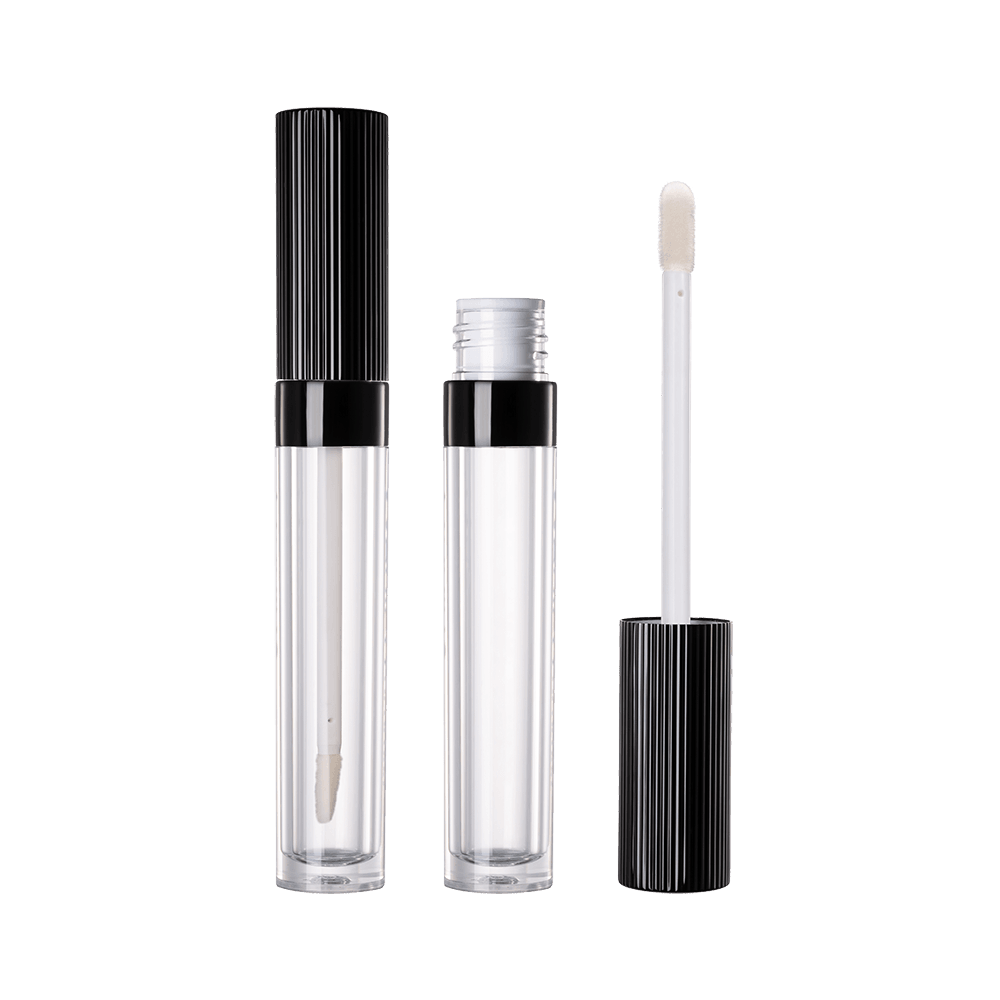 Lip Gloss Tube LG048 for Cosmetic PackagingA Φ17.4 x 118.6 mm lip gloss tube listed for wholesale cosmetic packaging, with a 20k minimum order and 50-day delivery.View Product →
Polypropylene handles wipers, caps, inner cups and living hinges, and it resists most cosmetic oils without complaint. Polyethylene appears as gaskets, liners and seal discs. These small parts are cheap in isolation and expensive when they fail, because a wiper that is a few tenths of a millimeter too tight or too loose changes how a mascara applies and how much product reaches the brush.
Post-consumer recycled PP and PET are now realistic for caps, tubes and secondary parts, typically at 30 to 100 percent content depending on the application. Expect more color variation and occasional odor issues, and plan a slightly longer approval cycle. Mono-material packs, where body, cap and label share one resin family, are easier to recycle and easier to explain to a retailer than a mixed build with an aluminum sleeve glued into a plastic shell.
| Material | Common use in color cosmetics | Watch point at quotation stage |
|---|---|---|
| Aluminum | Lipstick shells, mascara tubes, concealer sticks | Alloy grade, anodizing or spray consistency, thread wear after repeated open and close |
| ABS | Lip gloss cases, thick-wall caps | Gloss level, mold texture, solvent resistance after filling |
| PET | Eyeliner bottles, slim gloss components | Clarity, crack resistance, neck finish and cap fit |
| PP | Wipers, inner caps, mascara components | Flexibility, chemical compatibility, dimensional stability |
On a decorated lipstick or mascara pack, the molded part is frequently the smaller line in the quotation. Surface treatment and printing drive cost, lead time and the rejection rate. Ask for a cost breakdown that separates molding, surface treatment and printing, because that is where negotiation actually happens.
Whatever the process, put the standard in writing: a numeric color difference tolerance, the light source used for approval, an adhesion test such as cross-hatch with tape, and an abrasion check for printed areas. Verbal approval of a pretty sample is how disputes start three months later.
Most leakage claims trace back to a thread, a gasket or a wiper, not to the body material. Thread engagement and neck dimensions are measured in hundredths of a millimeter, and a mold that drifts within its own tolerance band can still produce caps that feel tight and seal poorly.
Vague quality language protects nobody. Convert expectations into measurable clauses, then agree on the sampling plan and the acceptable quality limit before the first production run.
Our own reference on basic appearance requirements for cosmetic packaging materials sets out how these checks are usually structured on the factory floor.
Buyers are asking sharper questions than they did a few years ago, and a vague claim on a website no longer passes. Three approaches tend to survive scrutiny: refillable designs where the outer shell is kept and only an inner cup is replaced, mono-material construction that can actually be separated by the consumer, and documented recycled content with a certificate to match the figure on the pack.
Be careful with thin-wall lightweighting as a sustainability story. Removing grams helps freight and resin use, but a wall that is too thin can dent in transit, and a dented lipstick barrel generates more waste than the grams saved. The honest framing is a balance between material reduction and the durability the product actually needs.
The right supplier will ask about your formula before quoting a price. Use these questions to separate a manufacturer from a trader with a catalog.
Material choice is a chain of small decisions that only looks simple from the outside. Start with the fill, move to the closure and wiper, then settle the decoration, and the cost conversation becomes far easier. Teams that reverse that order usually end up paying for a second mold.
If you are weighing aluminum against plastic for a lipstick, mascara or lip gloss program, Ningbo Huiho Cosmetics Packaging molds both aluminum and plastic parts in its own factories and can quote the body and the closure as one system, which is the only way the tolerance question gets answered properly.