Hello Ningbo Huiho Cosmetics Packaging Co., Ltd. - China Mascara Tubes Packaging Manufacturers


Mascara tubes enhance the quality of beauty products primarily through airtight sealing that prevents formula oxidation and drying, precise wiper mechanisms that control product dispensing, and material construction that protects the formula from contamination throughout its shelf life. A well-engineered tube does more than simply house the product, it actively preserves formula consistency, prevents bacterial contamination, and ensures the applicator wand delivers product evenly with each use. Cosmetic packaging research commonly cited in the beauty industry indicates that poor tube sealing is one of the leading causes of premature mascara dry-out, often reducing usable product life significantly before the formula itself would naturally expire.
Content
One of the most critical functions of a mascara tube is maintaining an airtight seal that prevents excess air exposure, which is the primary cause of mascara drying out and clumping before the product is fully used.
High-quality mascara tubes are engineered with precise wiper tolerances that create a snug seal around the wand shaft, significantly reducing the air pocket that forms inside the tube each time the applicator is withdrawn and reinserted.
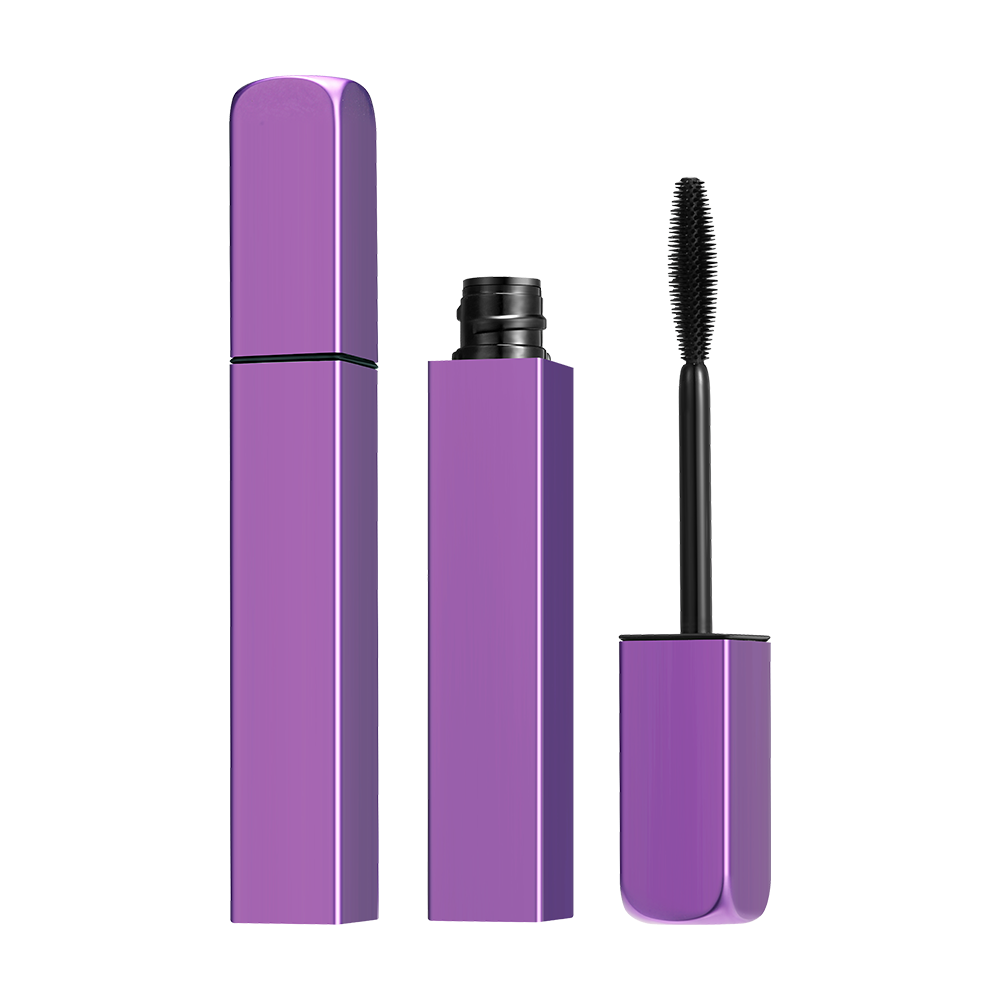
The internal wiper component, positioned at the neck of the tube, plays a direct role in how much product the wand carries with each application, which affects both application consistency and overall product waste.
| Wiper Design Quality | Effect on Application |
| Precise, well-fitted wiper | Consistent product loading, minimal clumping |
| Loose or poorly fitted wiper | Excess product buildup, uneven application, faster drying |
A wiper that fits too loosely allows excess product to remain on the wand, which not only wastes formula but also increases the amount of air introduced into the tube with each use, accelerating the drying process over time.
The materials used to manufacture a mascara tube must be chemically compatible with the formula inside, since certain plastics or metals can react with cosmetic ingredients, potentially altering color, texture, or preservative effectiveness over time.
Most mascara tubes are manufactured from injection-molded plastic, chosen for its chemical stability, lightweight properties, and ability to be precisely formed to tight dimensional tolerances required for consistent wiper fit and cap sealing.
Properly selected tube materials also resist absorbing pigments or oils from the formula, which helps maintain the tube's structural integrity and prevents any material leaching that could compromise product safety over an extended shelf life.
While the wand itself is a separate component, its performance is closely tied to how well it interacts with the tube's wiper and internal dimensions, making tube and wand design a coordinated engineering process rather than two independent parts.
When these dimensions are engineered together accurately, the finished product delivers consistent application results throughout its usage life, rather than experiencing performance changes as the wand and wiper interact imprecisely over repeated use.
Beyond formula preservation, tube design also plays a role in cosmetic safety, since mascara is applied directly to a sensitive area and repeated air exposure without proper sealing can create conditions favorable to bacterial growth.
Cosmetic safety guidelines commonly recommend replacing mascara every three months, but well-engineered mascara tubes with strong sealing performance can help maintain product safety and quality throughout that recommended usage window more reliably than poorly sealed alternatives.
Achieving reliable tube performance across large production volumes requires tight manufacturing tolerances, since even small dimensional inconsistencies between individual tubes can lead to variable sealing and dispensing performance for end users.
Injection molding processes must maintain precise, repeatable dimensions across thousands of units to ensure every tube in a production batch delivers the same wiper fit, cap seal, and overall product performance that consumers expect from a quality beauty product.
Manufacturers typically test sample tubes from each production batch for wiper fit accuracy, cap seal integrity, and dimensional consistency before packaging is approved for filling with the cosmetic formula, helping catch potential defects before they reach the final product.
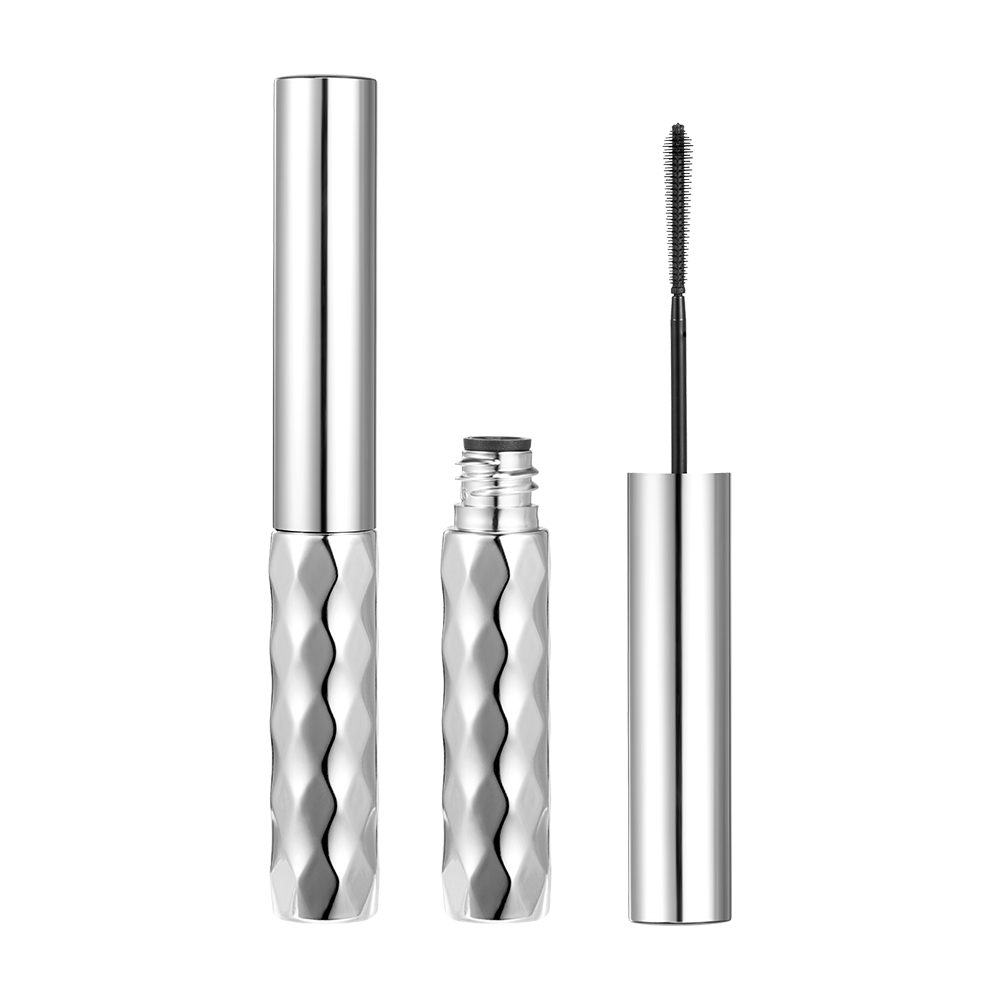
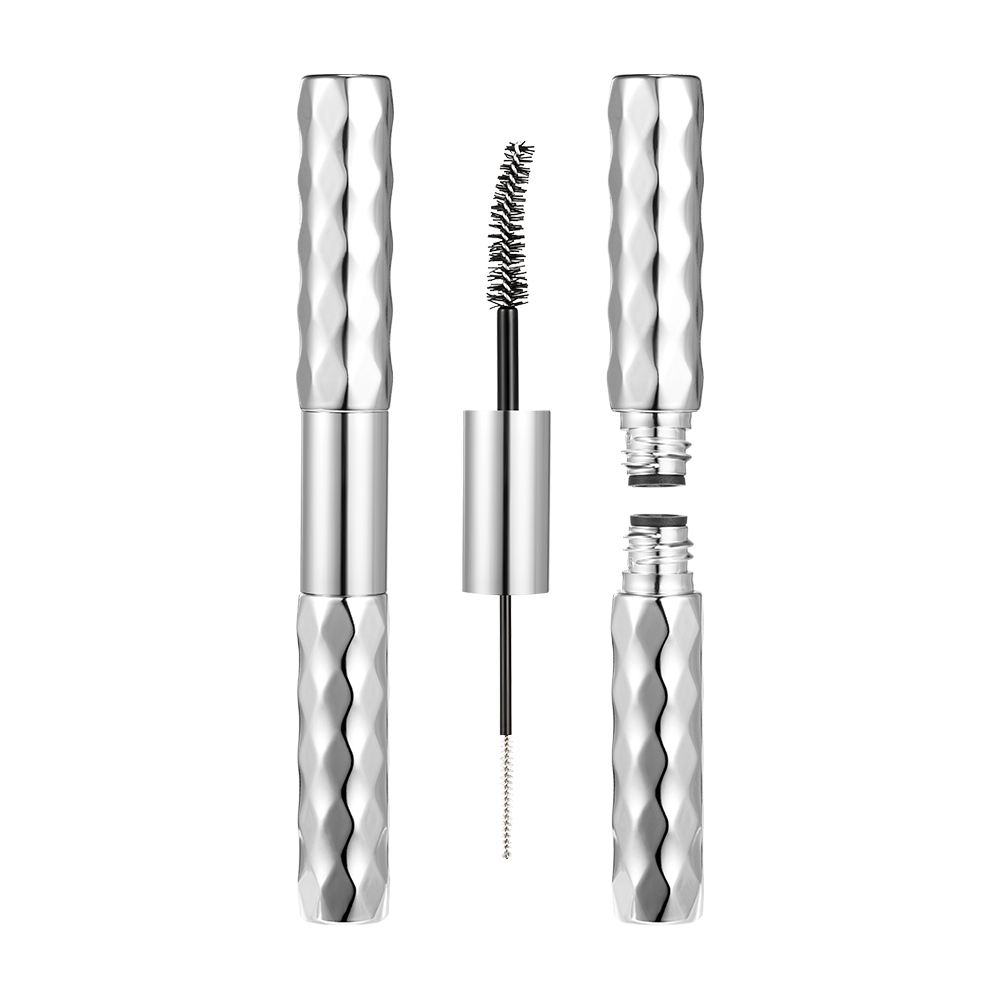
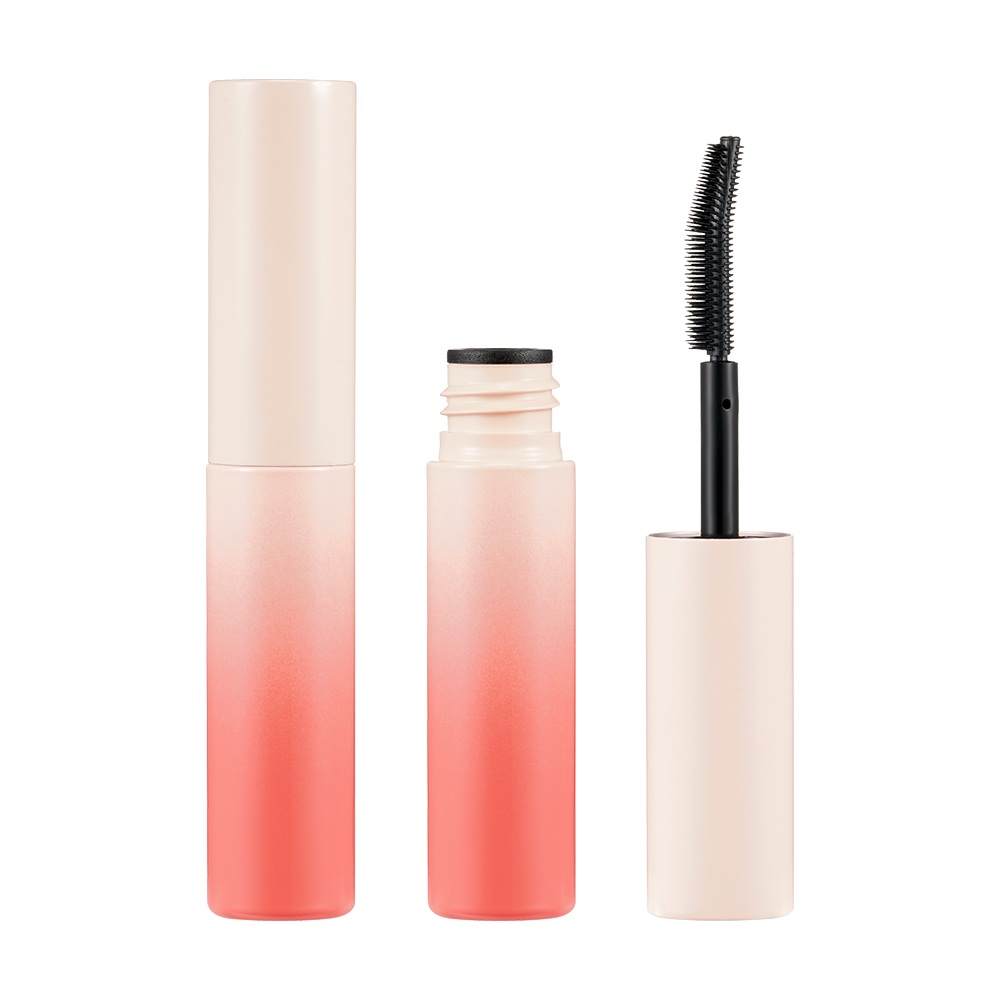
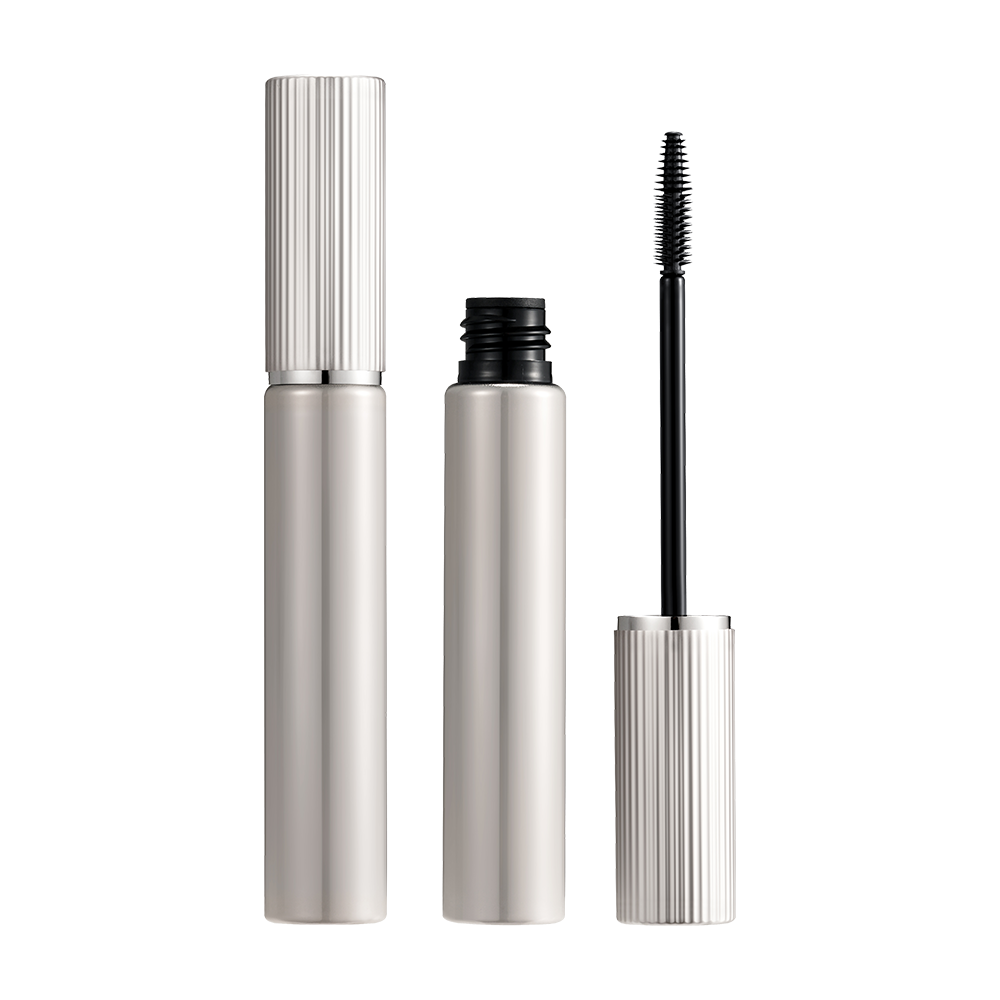
Beyond core functional performance, mascara tube design also contributes to brand presentation and user experience through shape, texture, and closure mechanism choices that differentiate products on the shelf.
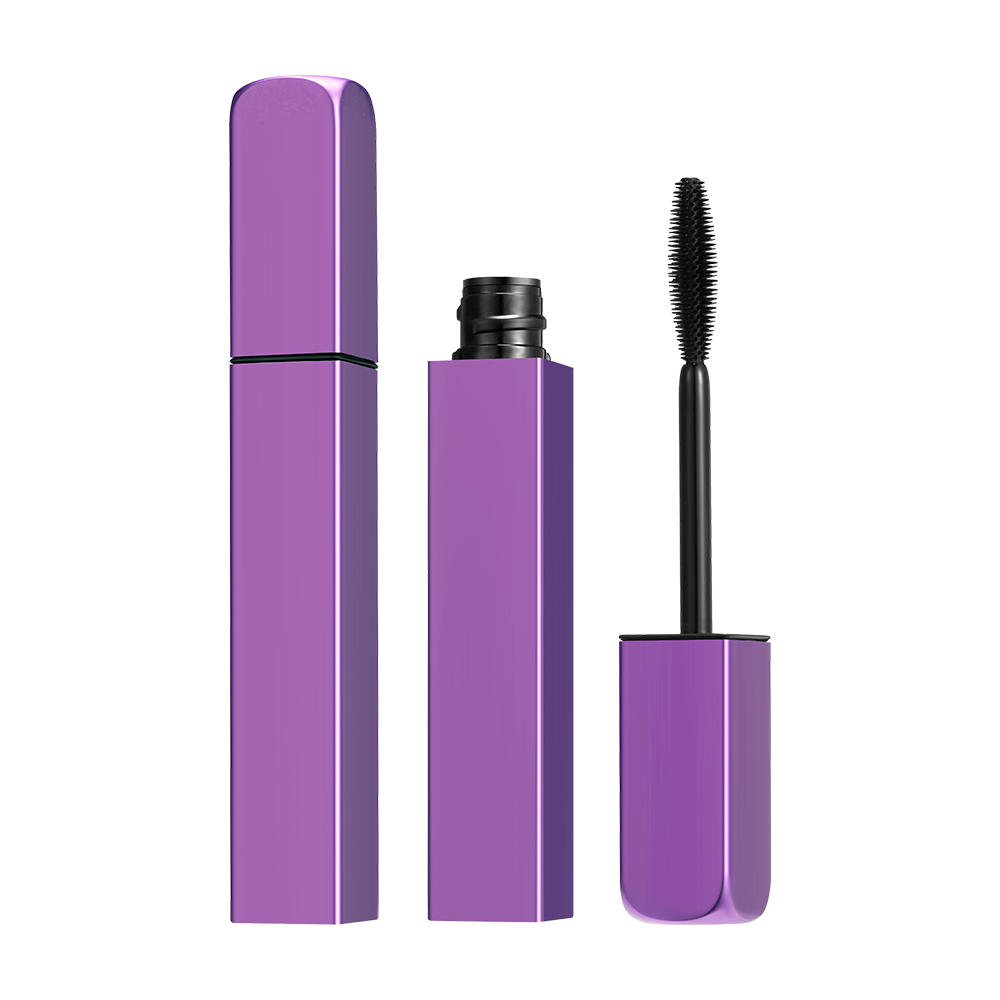
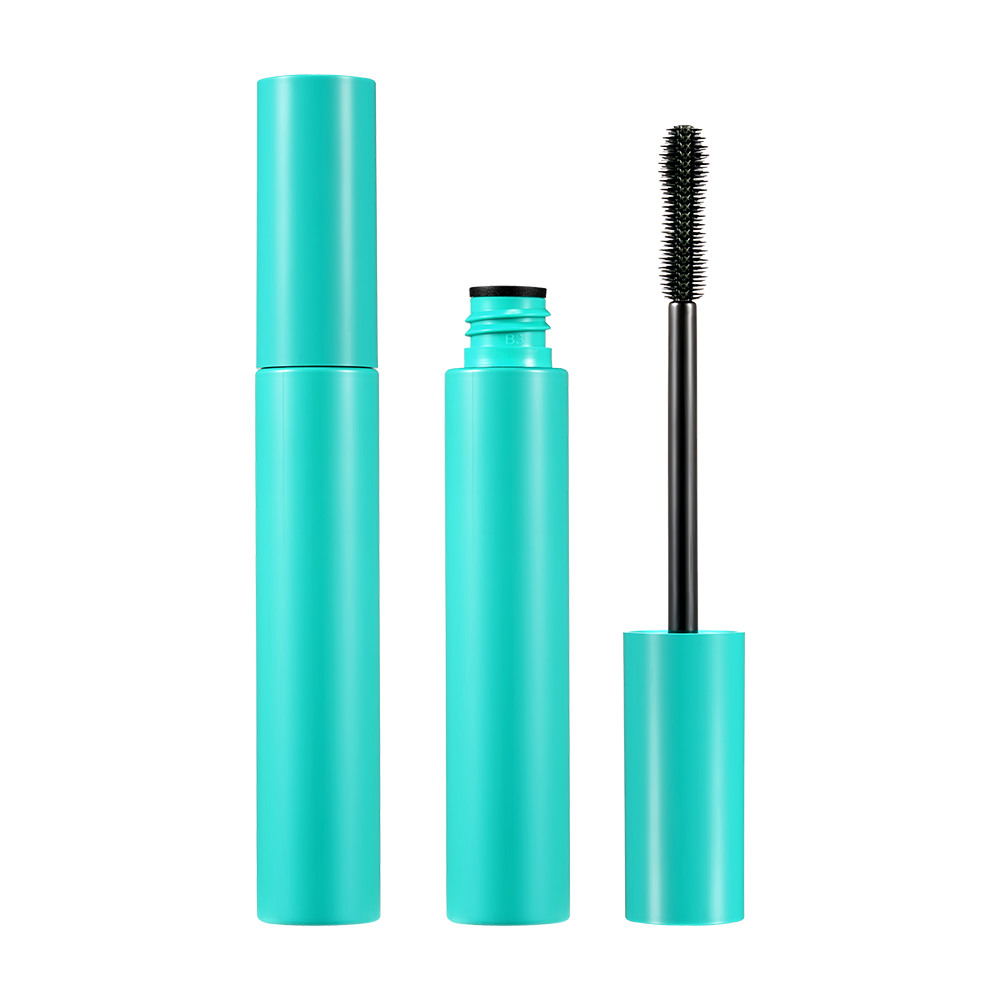
Tube shape, surface finish, and cap closure style, whether screw-on or snap-fit, can be customized to align with specific brand identity while still maintaining the core sealing and dispensing performance required for product quality preservation.
Cosmetic brands developing new mascara formulations, private label beauty companies, and manufacturers focused on product longevity and customer satisfaction should prioritize tube engineering quality as carefully as the formula itself, since even an excellent mascara formula can underperform if packaged in a poorly sealed or imprecisely manufactured tube. Brands targeting premium market positioning particularly benefit from investing in precision-engineered tube components, since consistent application performance and extended usable product life directly influence customer satisfaction and repeat purchase behavior.