Hello Ningbo Huiho Cosmetics Packaging Co., Ltd. - China Mascara Tubes Packaging Manufacturers


Lip gloss tubes are generally quite durable, but their longevity depends heavily on the material they are made from, the manufacturing quality, and how they are used and stored. Most commercially produced lip gloss tubes — when made from materials like ABS, PETG, or aluminum — can withstand 12 to 36 months of regular daily use without significant structural degradation. High-end aluminum tubes can last even longer, often remaining functional and aesthetically intact for several years under normal conditions.
The durability of a lip gloss tube is not a single fixed value; it is a spectrum shaped by material choice, surface treatment, cap design, and environmental exposure. Understanding these factors helps both consumers and brands make smarter decisions when selecting or designing packaging.
Content
The single biggest determinant of a lip gloss tube's durability is the material it is constructed from. Different materials offer very different levels of resistance to impact, heat, chemical exposure, and wear.
| Material | Impact Resistance | Heat Resistance | Estimated Lifespan | Best Use Case |
| Aluminum | High | Excellent | 3 - 5+ years | Luxury / premium products |
| ABS Plastic | Very High | Moderate | 2 - 4 years | Everyday consumer cosmetics |
| PETG | High | Good | 2 - 3 years | Clear/transparent packaging |
| PET | Moderate | Moderate | 1 - 2 years | Budget-friendly lines |
| Acrylic | Moderate | Low-Moderate | 1 - 3 years | Display / vanity packaging |
| AS (Acrylonitrile Styrene) | Good | Moderate | 1 - 3 years | Clear tubes with rigidity |
Aluminum lip gloss tubes are widely considered the most durable option on the market. They resist denting under moderate pressure, do not crack or shatter when dropped, and are highly resistant to temperature fluctuations. Aluminum does not degrade or become brittle over time the way some plastics do when exposed to UV light or repeated temperature cycling. For brands targeting the luxury segment, aluminum tubes also offer superior surface treatment compatibility — anodizing, electroplating, and UV coating all adhere exceptionally well to aluminum.
ABS (Acrylonitrile Butadiene Styrene) is one of the most commonly used materials in cosmetic tube manufacturing, and for good reason. It offers exceptional impact resistance — significantly better than standard PET or acrylic — and maintains its structural integrity even after repeated drops on hard surfaces. ABS tubes are also highly compatible with injection molding processes, allowing for a wide range of complex shapes and finishes. A well-manufactured ABS lip gloss tube can realistically remain in good condition for 2 to 4 years of daily use.
PETG (Polyethylene Terephthalate Glycol) is preferred when brands want transparent or semi-transparent packaging. It is tougher than standard PET and offers better resistance to impact without shattering. However, both PETG and PET are more susceptible to scratching on the surface compared to ABS or aluminum, and they can become hazy or cloudy over extended exposure to high heat, such as in a car dashboard or direct sunlight for prolonged periods.
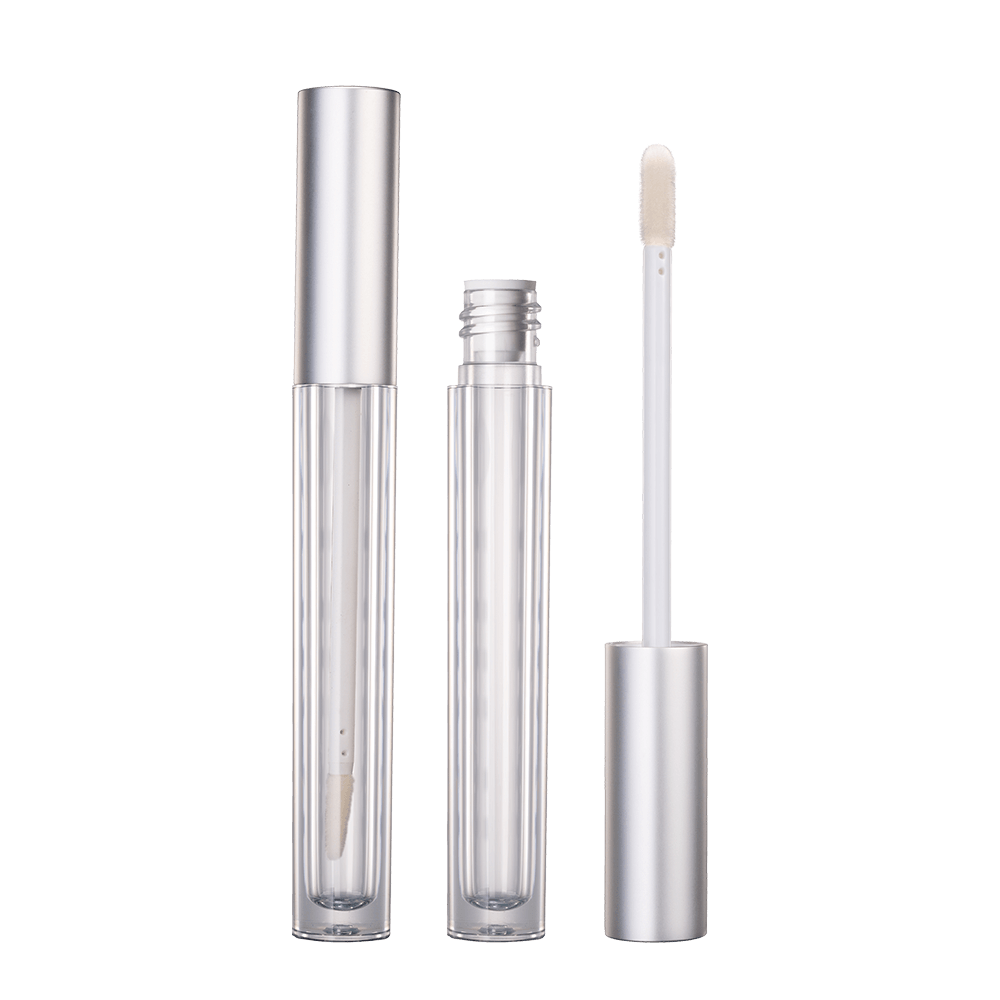
The surface treatment applied to a lip gloss tube is not just cosmetic — it directly impacts the tube's long-term durability, scratch resistance, and how well the finish holds up over time.
Anodizing is an electrochemical process applied to aluminum tubes that creates a hardened oxide layer directly integrated into the metal surface. This layer is significantly harder than the base aluminum and provides excellent scratch resistance. Anodized finishes do not peel, chip, or flake like paint does, making them one of the most durable surface options available. An anodized aluminum lip gloss tube can maintain its appearance for years without visible wear under normal handling.
Electroplating deposits a thin metallic coating — often chrome, gold, or silver — onto the tube surface. While it delivers a striking, mirror-like finish, electroplated surfaces are more susceptible to wear at high-contact points, such as where fingers grip the tube repeatedly. The base material and adhesion quality of the plating process determine how long the finish lasts. High-quality electroplating can remain intact for 1 to 2 years of regular use; lower-quality plating may show wear at friction points within months.
UV-cured coatings are applied as a liquid and then instantly hardened using ultraviolet light. The result is a highly scratch-resistant, glossy or matte surface that also provides an additional barrier against moisture and minor chemical exposure. UV coatings are commonly applied over printed designs to protect the graphics from fading or chipping. They are one of the most cost-effective ways to significantly extend the surface durability of a lip gloss tube.
Spray painting provides excellent color variety and can achieve both matte and glossy finishes. However, painted surfaces are the most vulnerable to chipping and peeling, particularly at edges and contact areas. The durability of a spray-painted tube improves considerably when a UV or lacquer topcoat is applied over the paint layer, which seals and protects the color.
Silk screen printing applies ink directly onto the tube surface in defined patterns. When properly cured, silk-screened graphics are highly resistant to rubbing and moisture. Thermal transfer printing (also called hot stamping or thermal transfer) uses heat to bond a metallic or colored film to the surface, creating crisp, durable logos and designs. Both methods produce branding that outlasts standard paper labels by a significant margin.
While most discussion around lip gloss tube durability focuses on the tube body itself, the cap and closure mechanism are statistically the most common points of failure. A cap that loses its snap-fit or becomes loose after repeated use can compromise the product inside — even if the tube body remains in perfect condition.
Several factors influence cap durability:
Premium lip gloss tube manufacturers offer caps in a wide variety of colors and finishes that are specifically matched to maintain fit integrity over extended periods. Coordinating the cap and tube materials — for instance, using ABS for both — ensures consistent thermal expansion properties, which helps the snap-fit remain secure across temperature changes.
Even the most durable lip gloss tube will degrade faster under harsh environmental conditions. Understanding these factors helps extend tube lifespan significantly.
Prolonged exposure to temperatures above 40°C (104°F) — such as leaving a lip gloss in a car during summer — can cause several problems. Plastic tubes may warp or soften, seals may loosen, and some surface coatings may bubble or peel. UV light degrades most plastics over time, causing them to become brittle and discolored. Aluminum tubes are substantially more heat-resistant and will not warp under typical heat exposure scenarios.
Bathroom humidity, accidental submersion, or exposure to cleaning chemicals can affect both the tube body and any surface printing. Aluminum and properly sealed plastic tubes handle moisture well. However, silk-screened or thermally transferred graphics can be affected by prolonged moisture exposure if a protective topcoat has not been applied. Chemical exposure from perfumes, hand sanitizers, or cleaning sprays can strip certain surface coatings or cause discoloration.
Repeated dropping on hard surfaces is the most common cause of lip gloss tube damage. ABS and aluminum handle drops significantly better than acrylic or standard PET. Keeping a lip gloss tube in a bag alongside keys, coins, or other hard objects without a protective pouch will lead to surface scratching — particularly for electroplated or spray-painted finishes. Acrylic tubes are especially vulnerable to scratching and should be handled with care to maintain their appearance.
Tube geometry plays a subtle but real role in overall durability. Standard cylindrical tubes distribute mechanical stress evenly across their surface when dropped or squeezed, making them inherently more resistant to deformation than tubes with complex angular or asymmetric designs.
Square or rectangular cross-section tubes, while visually distinctive, have corners that concentrate stress during impact. This makes them more likely to crack at corners if dropped, especially when made from stiffer plastics like acrylic. Rounded oval or teardrop shapes offer a good compromise between distinctive aesthetics and structural resilience.
Custom-shaped tubes produced through injection molding can be engineered with structural reinforcements — such as thicker walls at stress points — that compensate for shape-related vulnerabilities. This is why the quality of the mold design and manufacturing process matters as much as the raw material choice.
For brands, the visual durability of logos and surface designs is as important as the structural durability of the tube. Packaging that looks worn, scratched, or faded undermines brand perception even if the tube itself is still fully functional.
| Branding Method | Scratch Resistance | Fade Resistance | Moisture Resistance |
| Secondary Oxidation | Excellent | Excellent | Excellent |
| Hot Silver / Hot Stamping | Very Good | Very Good | Good |
| Silk Screen Printing + UV | Good | Very Good | Good |
| Thermal Transfer Printing | Good | Good | Moderate |
| 3D Printing (Surface Detail) | Moderate | Very Good | Good |
| Spray Paint (No Topcoat) | Poor | Moderate | Moderate |
Secondary oxidation — a process applied to aluminum where color is introduced into the anodized layer — produces the most permanent and durable branding possible for a lip gloss tube. Because the color becomes part of the metal oxide layer rather than sitting on top of it, it cannot be scratched or rubbed off under normal use conditions. This method is particularly popular for premium and luxury cosmetic lines where brand presentation must remain pristine throughout the product's life.
Whether you are a consumer looking to protect your favorite gloss or a brand manager ensuring your packaging performs well in the market, the following practices meaningfully extend the working life of a lip gloss tube:
For cosmetic brands, the durability of lip gloss tube packaging is a critical factor in overall product value perception. A tube that scratches, chips, or cracks within weeks of purchase sends a negative signal to consumers regardless of the quality of the formula inside.
When sourcing or designing lip gloss tubes, brands should evaluate the following:
A lip gloss tube is often the first and last physical touchpoint a consumer has with a beauty brand. Investing in durable, well-finished packaging is one of the highest-return decisions a brand can make — it protects the product, reinforces brand equity, and reduces the likelihood of damage complaints or returns.