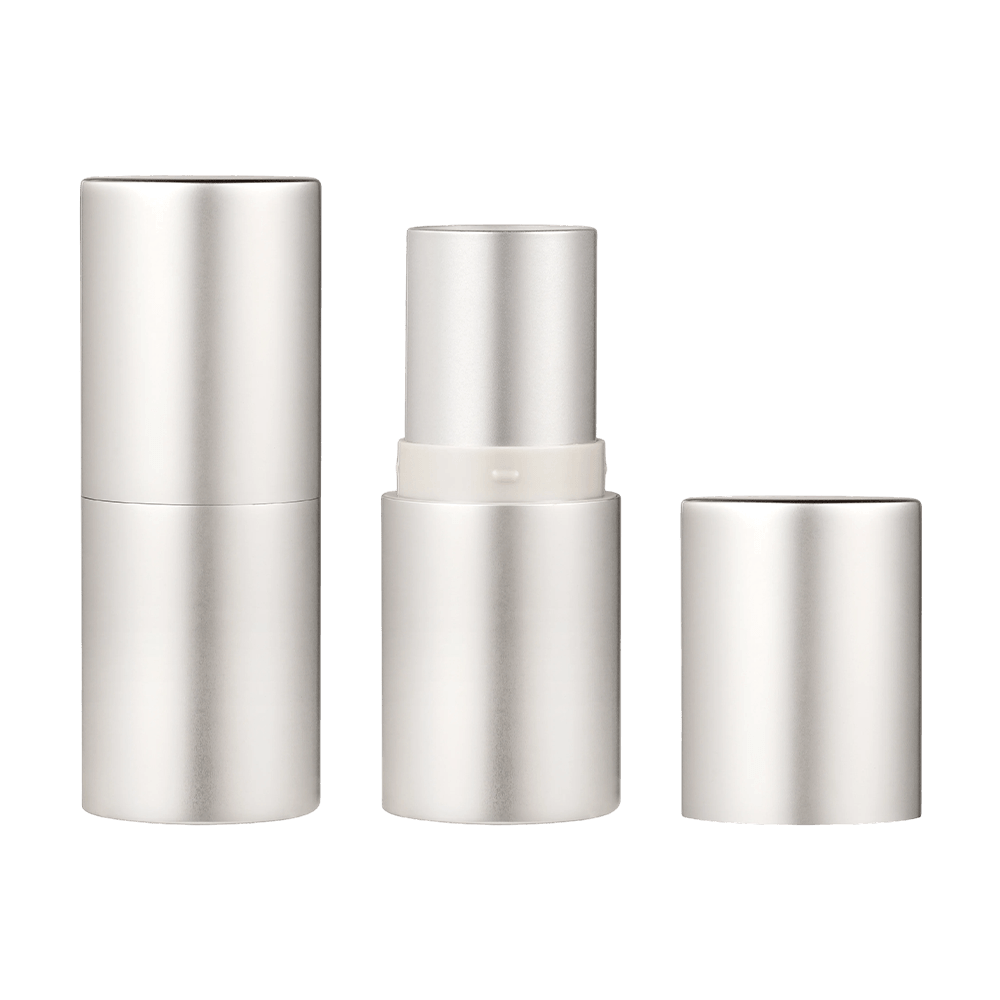
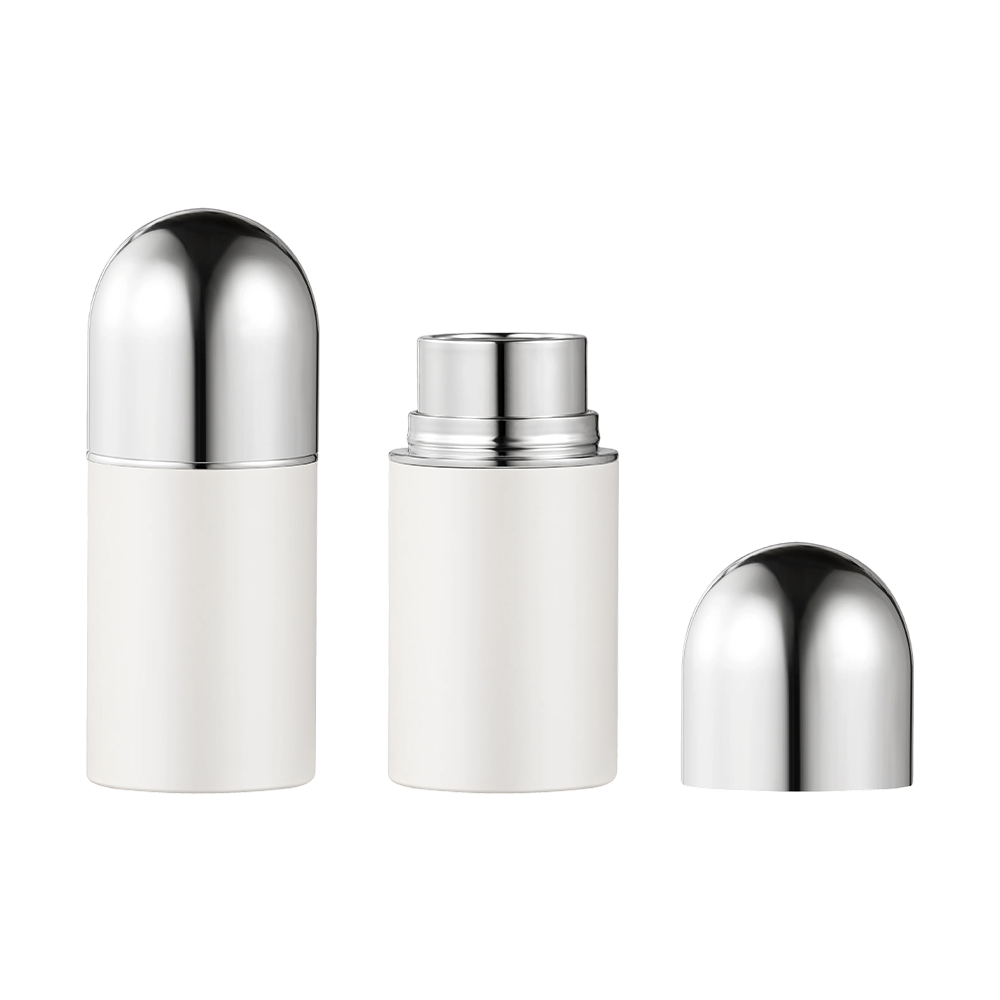
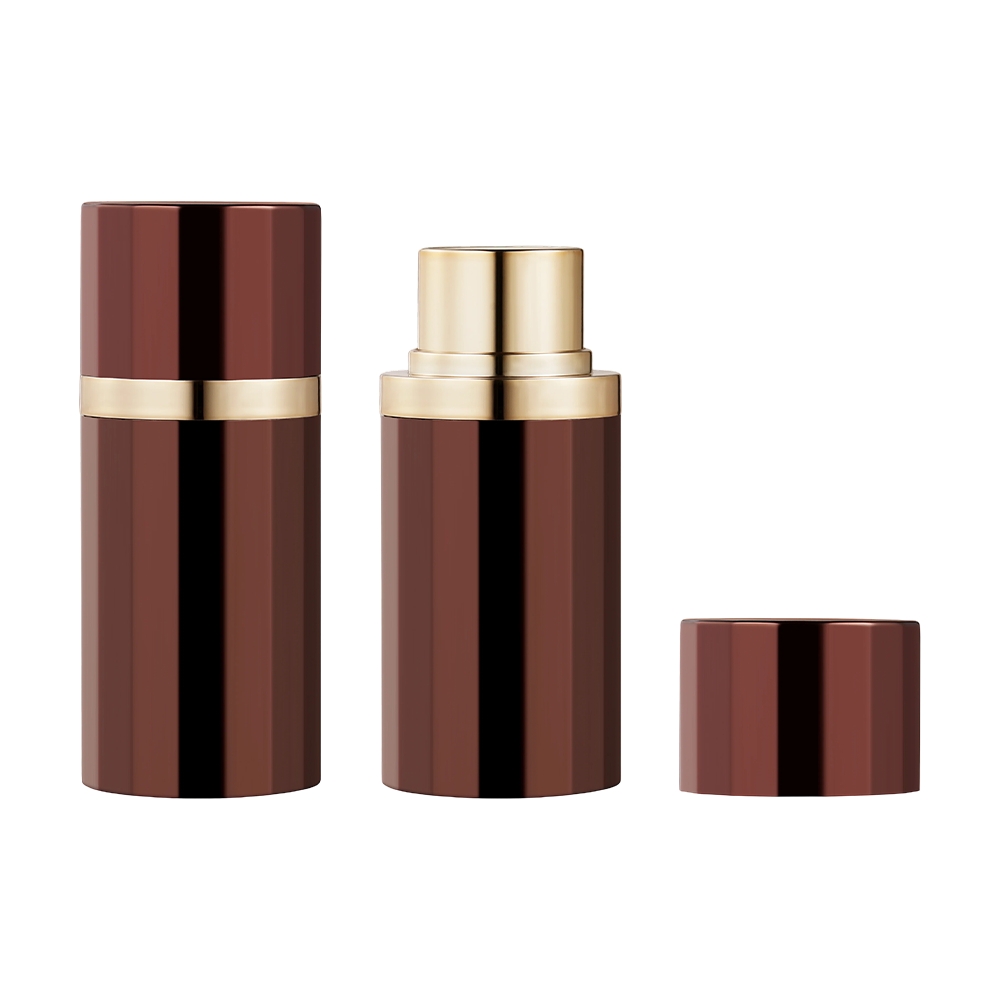
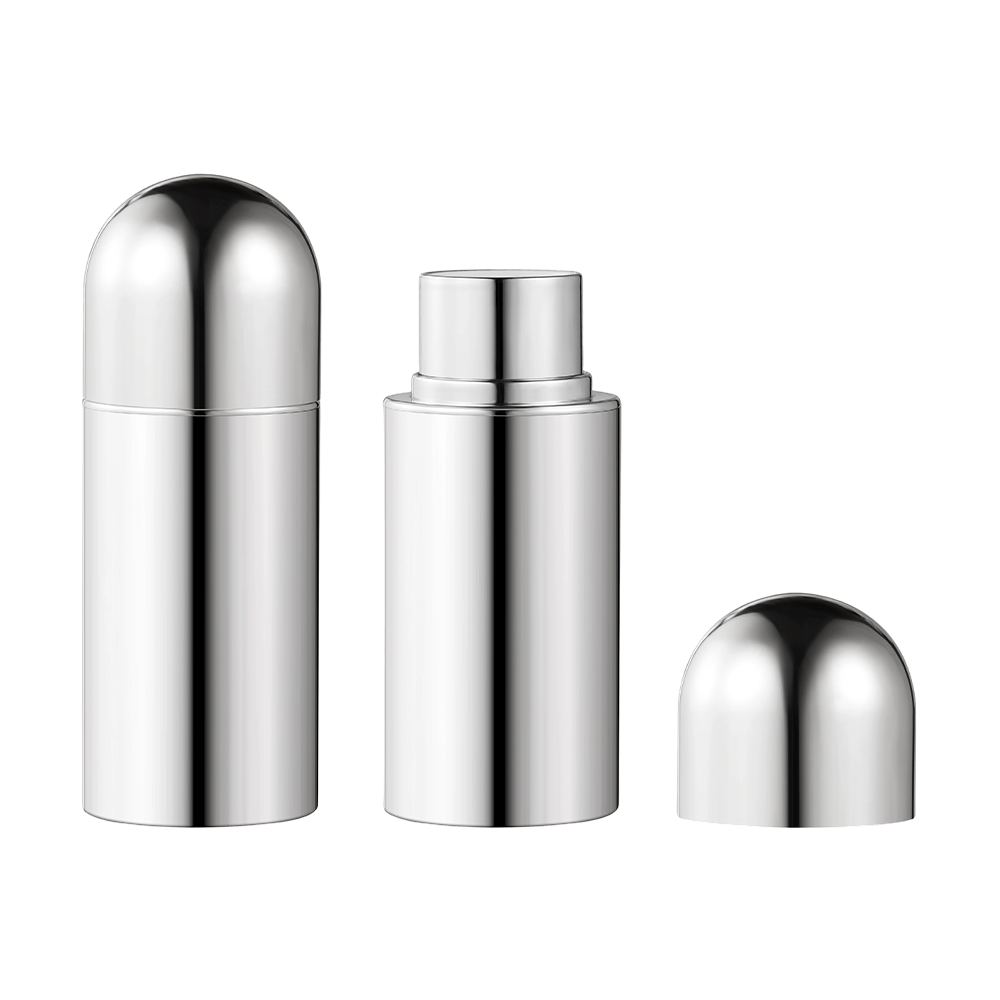
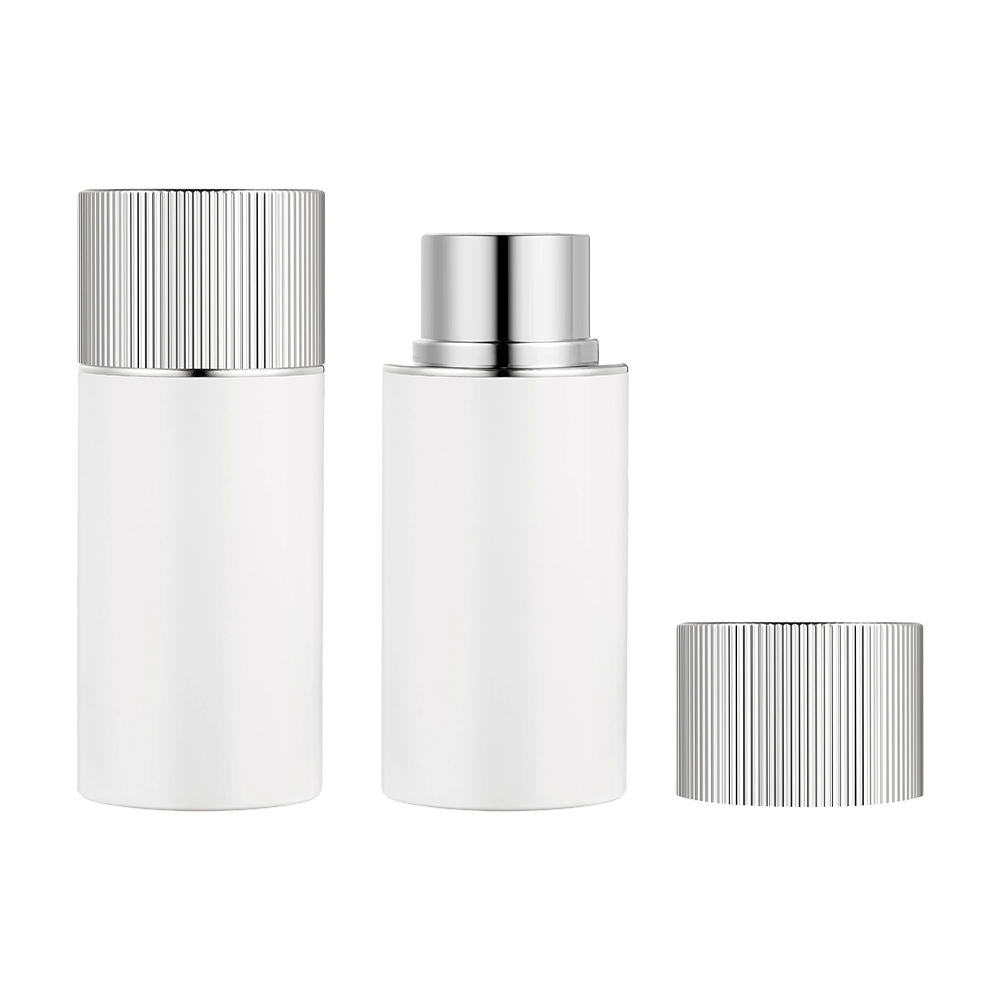
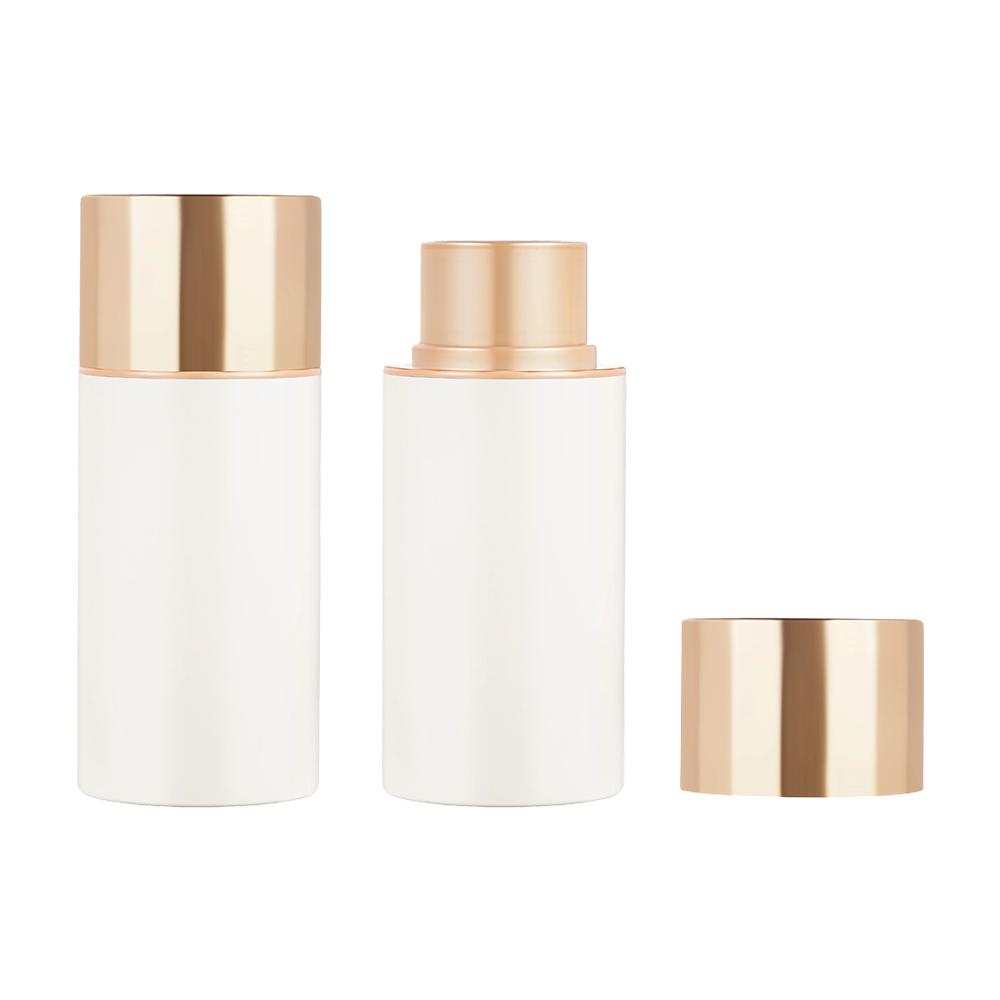
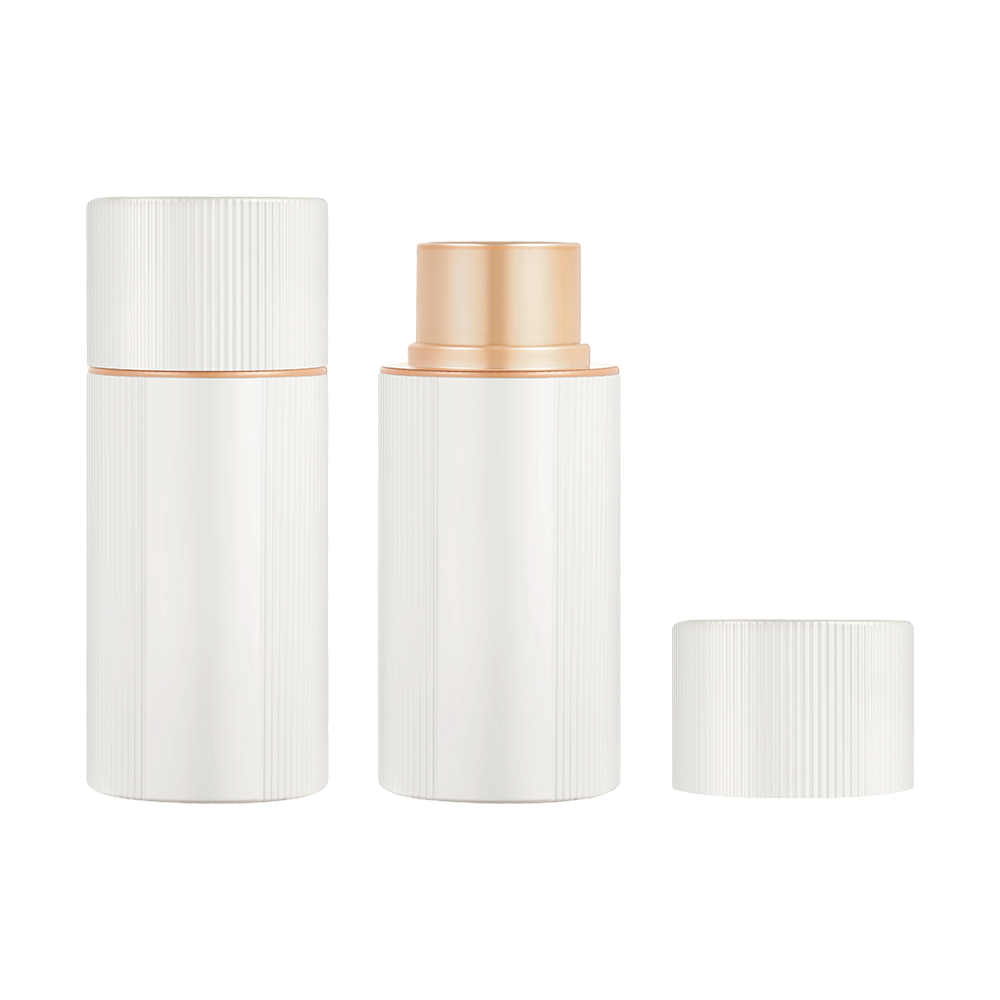
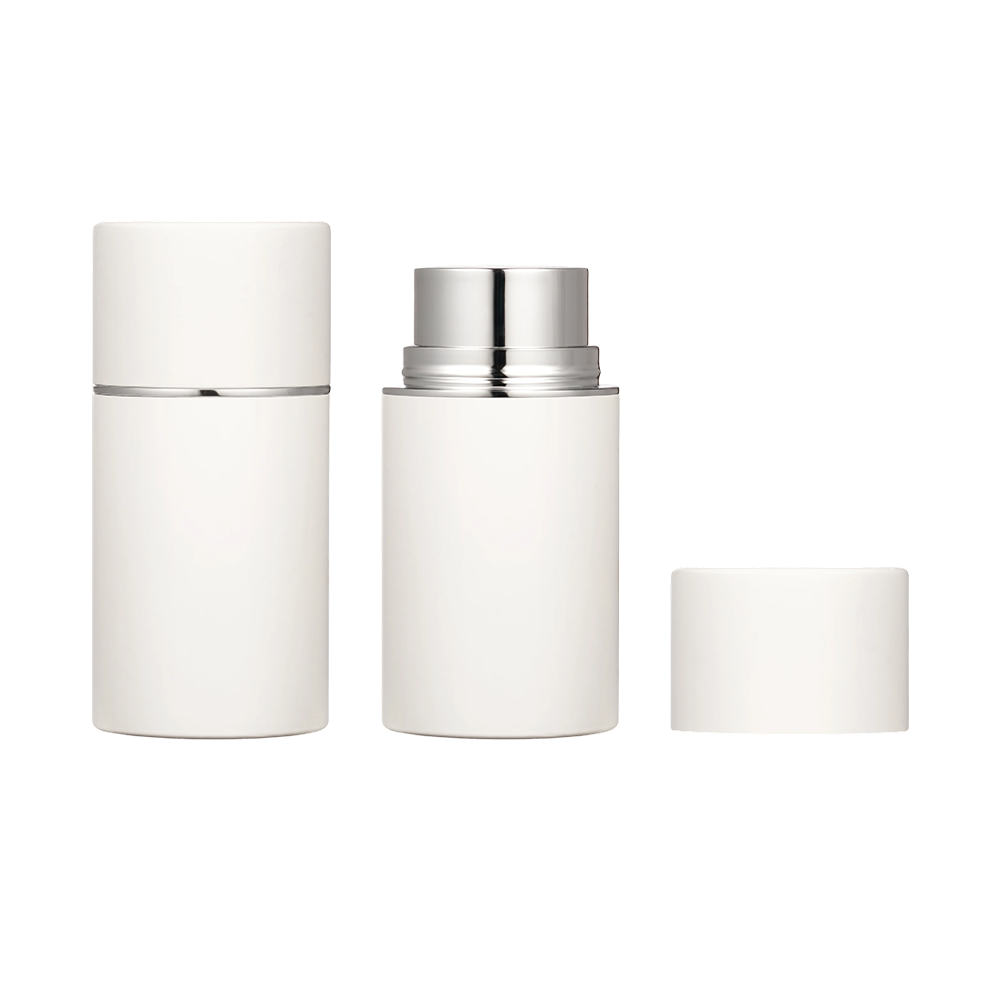
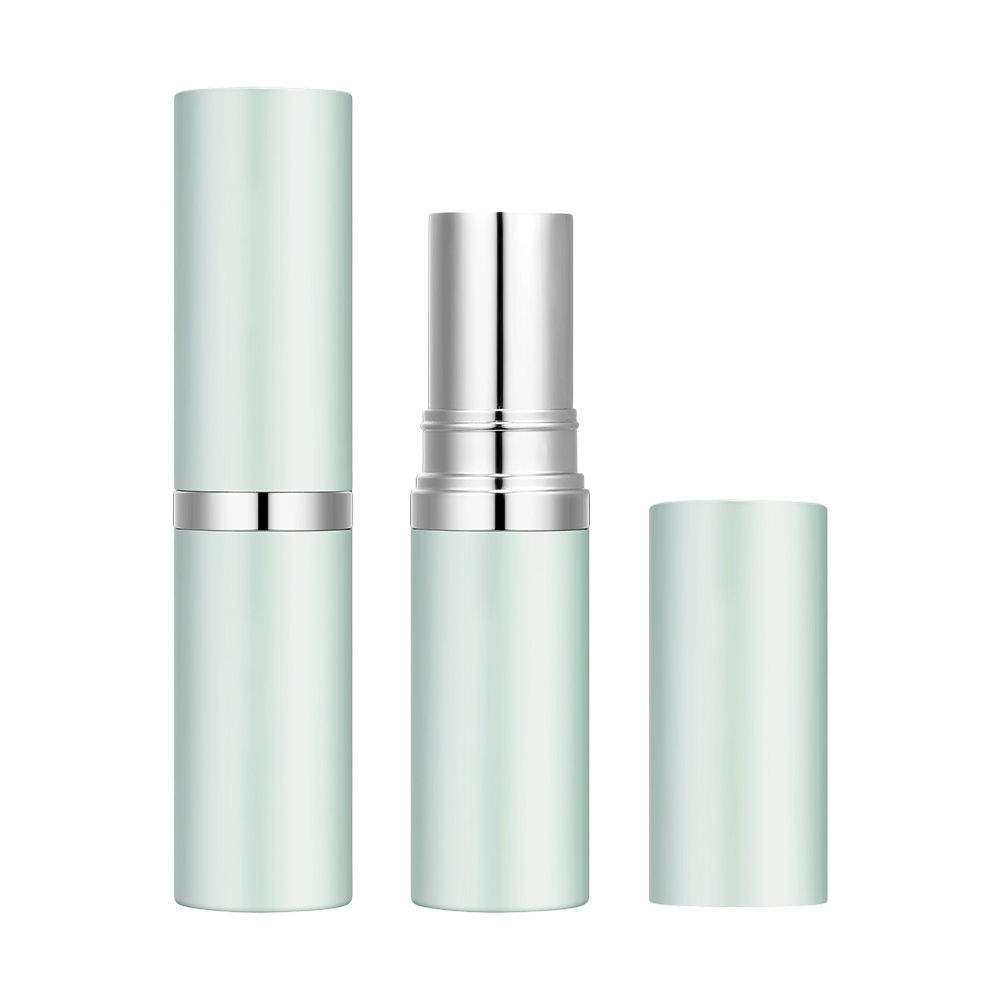
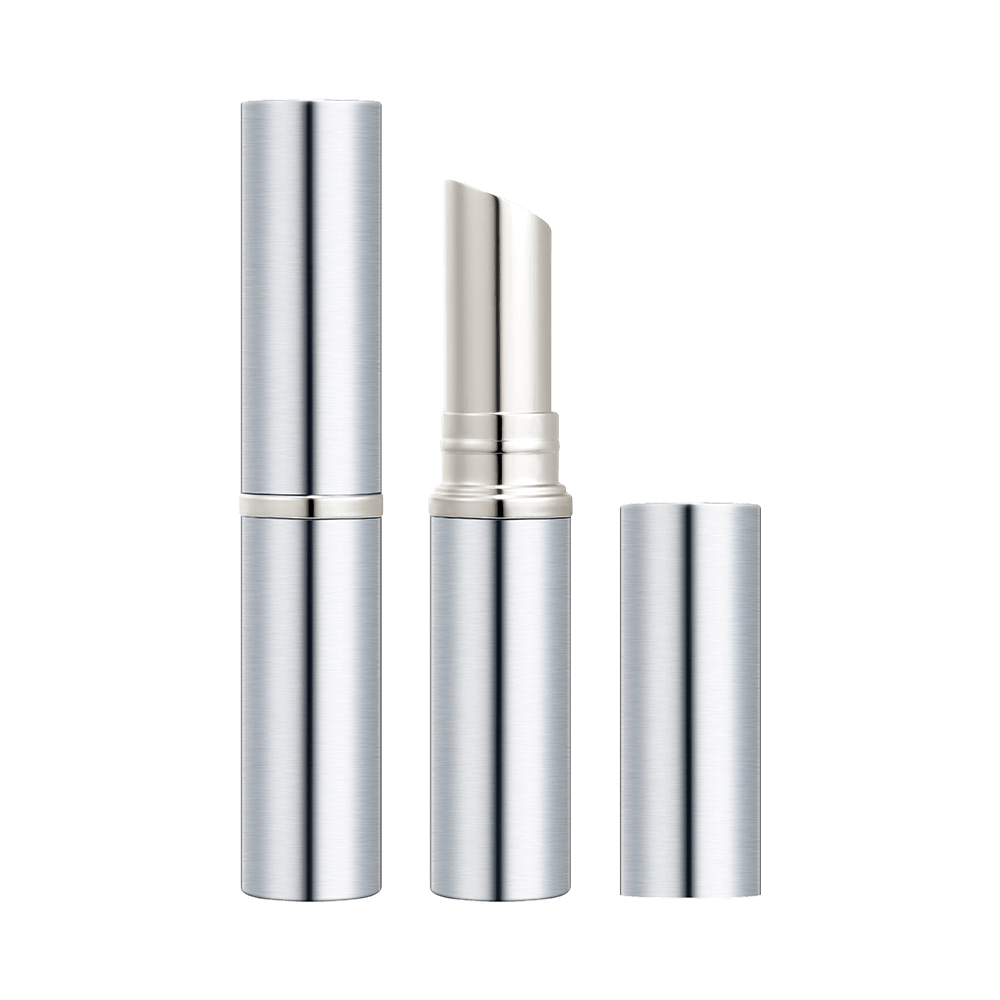
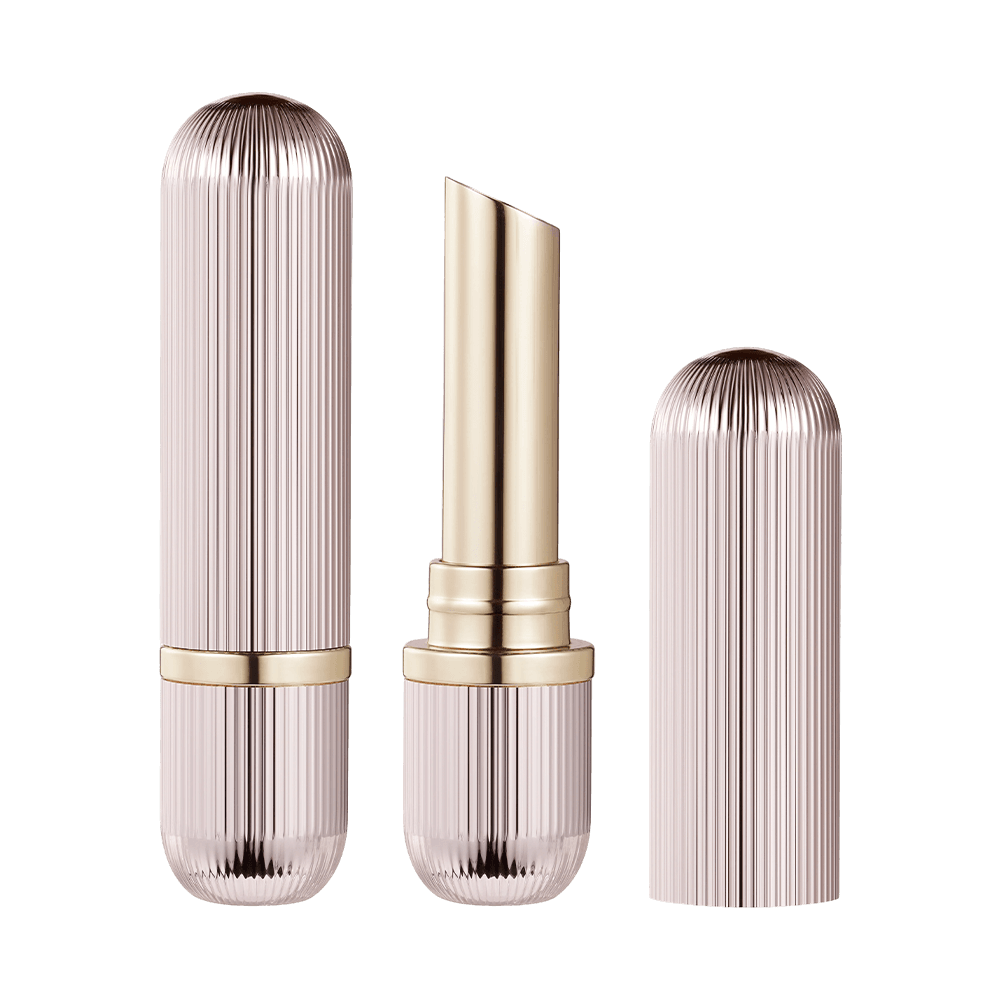
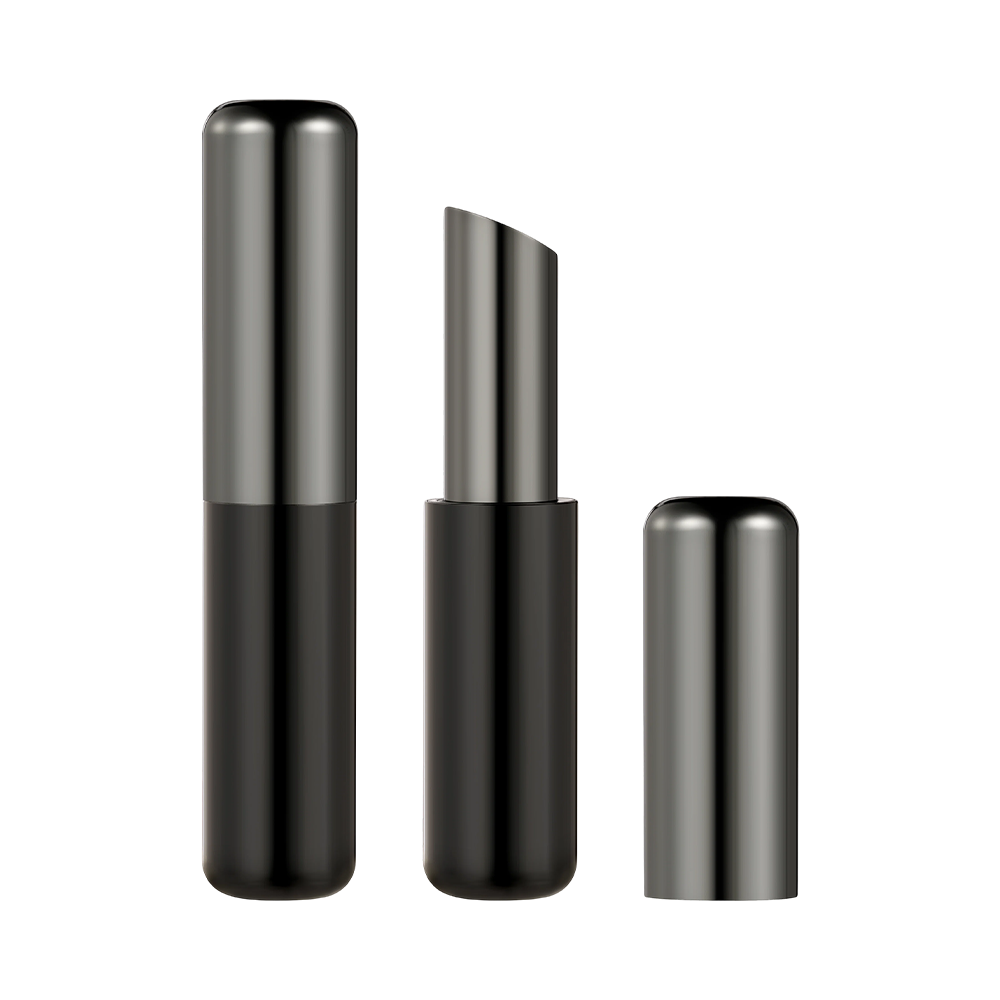
The single most important decision when choosing a lip gloss tube is the material, as it determines compatibility with your formula, shelf life, and how the finished product feels in the consumer's hand. The most commonly used materials are aluminum, acrylic, ABS, PET, PETG, and AS, each with distinct properties suited to different product positions and formulas.
| Material |
Key Properties |
Best For |
| Aluminum |
Premium feel, recyclable, corrosion-resistant |
Luxury and eco-conscious brands |
| Acrylic |
Crystal clarity, heavyweight feel, high-gloss |
High-end retail display products |
| ABS |
Impact-resistant, easy to color, cost-effective |
Mid-range and mass-market products |
| PET / PETG |
Lightweight, transparent, good chemical resistance |
Oil-based formulas, see-through design |
| AS (SAN) |
High clarity, rigid, scratch-resistant surface |
Clear tubes showing product color |
Lip gloss tube material comparison by property and application
Always verify that your chosen material is chemically compatible with your specific gloss formula — particularly for formulas containing high concentrations of essential oils, silicones, or alcohol, which can degrade certain plastics over time.
Capacity and Tube Shape: Match to Your Market Segment
Lip gloss tubes are available in a range of fill volumes, most commonly 3 ml, 5 ml, 8 ml, and 10 ml. Selecting the right capacity depends on your target consumer, price point, and how the product will be used:
- 3–5 ml: Ideal for sample sets, travel sizes, multi-packs, and promotional giveaways where lower per-unit cost and compact size are priorities
- 6–8 ml: The most common size for standard retail lip gloss products; balances perceived value with practical shelf life after opening
- 10 ml and above: Suited to professional-use or salon products, or premium lines where a larger, more substantial package communicates quality
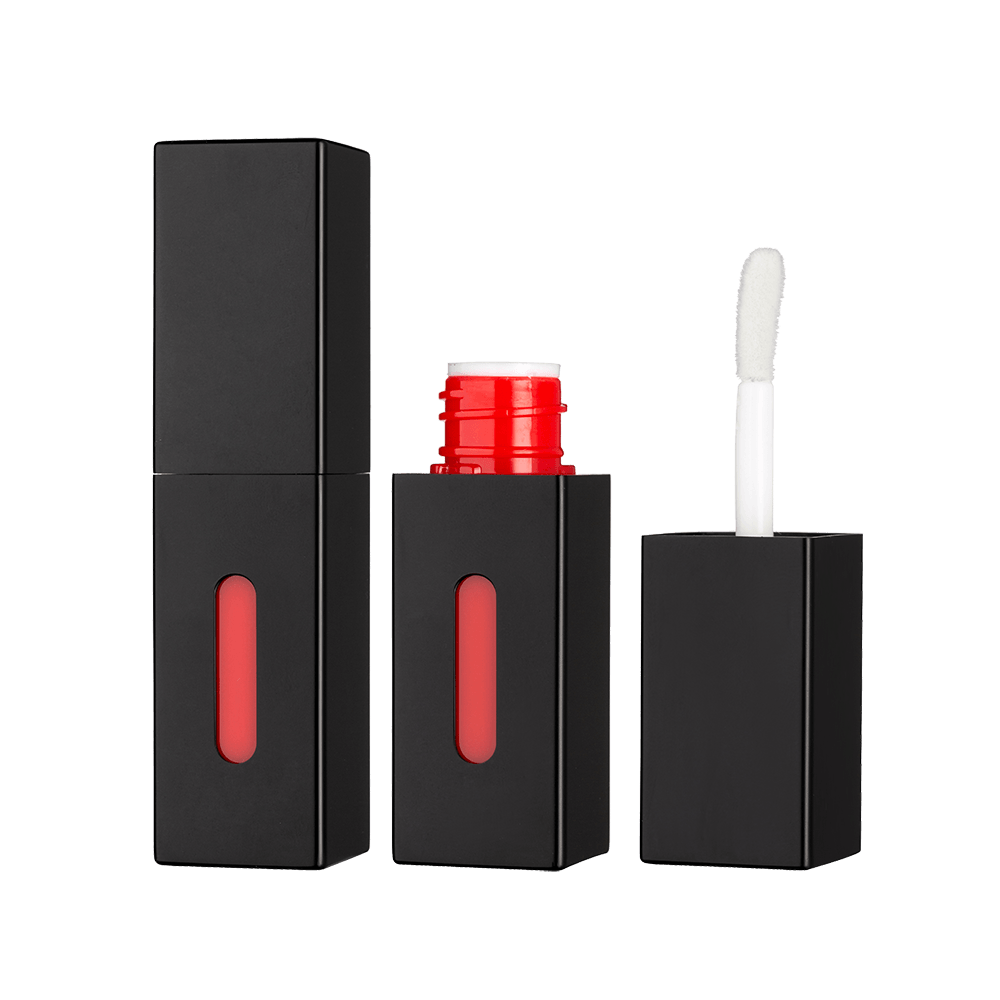
Tube shape — cylindrical, square, oval, or custom — affects both shelf presence and manufacturing cost. Cylindrical tubes are the most economical to produce and fill. Square and oval profiles command higher tooling costs but differentiate the product on shelf and create a distinctive in-hand experience.
Applicator Type: Critical for Formula Viscosity and Application Experience
The wand applicator is the consumer's primary point of contact with the product and has a direct effect on how the gloss applies. Key applicator options include:
- Doe-foot applicator: The standard choice; the foam tip loads and releases medium to high viscosity gloss evenly. Works well for most mainstream formulas.
- Brush applicator: Provides more precise application and a thinner, more controlled layer — preferred for plumping glosses and high-shine finishes where precise lip definition matters.
- Flat paddle applicator: Covers the lip in a single swipe and delivers high product load; suited to thick, pigment-rich formulas.
- Pointed or tapered applicator: Allows precision filling of the Cupid's bow and corners; popular for glosses positioned as lip liner alternatives.
Test the applicator with your actual formula before finalizing — a doe-foot that works well with a light gloss may fail to load properly with a thick, glitter-filled formula.
Surface Finishing: Building Brand Identity Through the Tube Body
The surface treatment of the tube body is a major factor in how premium the product feels and how distinctly it stands out at retail. Available surface processes include:
- Anodizing (alumina): Applied to aluminum tubes; creates a hard, matte or satin surface in a wide range of colors with excellent scratch resistance
- Injection molding color: Color is built into the plastic during molding; the most cost-effective option for consistent solid-color tubes at volume
- Spray painting: Applied over molded tubes to achieve custom colors, gradient effects, or soft-touch matte finishes not achievable through molding alone
- UV coating: Adds a high-gloss protective layer that enhances color vibrancy and provides scratch and chemical resistance
- Electroplating: Creates metallic chrome, gold, or rose-gold surfaces; highly effective for premium and luxury positioning
Branding and Decoration Methods for the Tube
How your brand name, logo, and product information appear on the tube is as important as the tube's shape and finish. The main decoration methods are:
- Silk screen printing: Direct ink application onto the tube surface; economical for 1–4 color designs with clean edges; durable with UV-cured inks
- Hot stamping (hot silver / hot gold): Metallic foil applied under heat and pressure; produces reflective metallic lettering and logos with a distinctly premium appearance
- Thermal transfer printing: Full-color photographic-quality images transferred onto the tube; ideal for complex gradient designs or detailed artwork
- Secondary oxidation: Used on aluminum tubes; creates contrasting matte and glossy areas within the same surface for sophisticated visual effects
- 3D printing / embossing: Adds tactile raised logos or patterns directly to the tube surface; highly effective for brand recognition in retail environments where consumers handle the product before purchase
Cap Selection: Completing the Package Design
The cap is the most visible element of the closed tube and significantly influences the overall aesthetic. Key considerations when selecting caps:
- Material consistency: Caps can be made from the same material as the tube body or from a contrasting material — for example, a transparent AS cap on an opaque ABS tube — to create visual interest
- Color coordination or contrast: Caps in a complementary or contrasting color to the tube body are a standard way to create a distinctive product identity across a range of shades in the same line
- Fit and seal security: The cap must snap firmly onto the tube with a tactile click; a loose cap is perceived as low quality and risks formula leakage in transit
- Wand length coordination: Cap depth determines the effective wand length; ensure the applicator reaches the bottom of the tube when the wand is fully inserted
Minimum Order Quantities and Customization Lead Times
For brands ordering custom lip gloss tubes, understanding the commercial realities of customization is essential to project planning. Standard considerations:
- Standard stock tubes (existing molds, custom print only) typically have MOQs starting at 500–2,000 pieces per color or decoration variant
- Fully custom tube shapes with new tooling require MOQs of 5,000–20,000 pieces to amortize mold cost, which can range from $1,500 to $8,000 depending on complexity
- Lead times for stock tubes with custom decoration are typically 3–5 weeks; fully custom tube development including tooling and sampling takes 8–14 weeks
- Always request pre-production samples (PPS) before approving a bulk order, particularly for custom surface finishes and decoration, as color and texture can vary between digital approval and physical production