Hello Ningbo Huiho Cosmetics Packaging Co., Ltd. - China Mascara Tubes Packaging Manufacturers


To clean a lip gloss tube, empty any remaining product, rinse the tube with warm water, use a cotton swab or small brush with mild soap or rubbing alcohol to scrub the interior, then rinse thoroughly and allow it to air dry completely before refilling or storing. The process takes only a few minutes but makes a significant difference in hygiene, product longevity, and the overall condition of the tube — especially for high-quality packaging worth keeping.
Whether you are cleaning a personal tube for refilling, preparing packaging for reuse, or maintaining a collection of cosmetic containers, understanding the right techniques for different tube materials ensures you get the best results without damaging the tube's finish or structure.
Content
Lip gloss tubes are in direct contact with your lips every time you apply product, making them one of the more bacteria-prone items in a makeup collection. Studies on cosmetic contamination have found that lip gloss products can harbor bacteria including Staphylococcus and E. coli, particularly when tubes are shared, stored in warm environments, or used over extended periods without cleaning.
Beyond hygiene, there are several practical reasons to clean lip gloss tubes regularly:
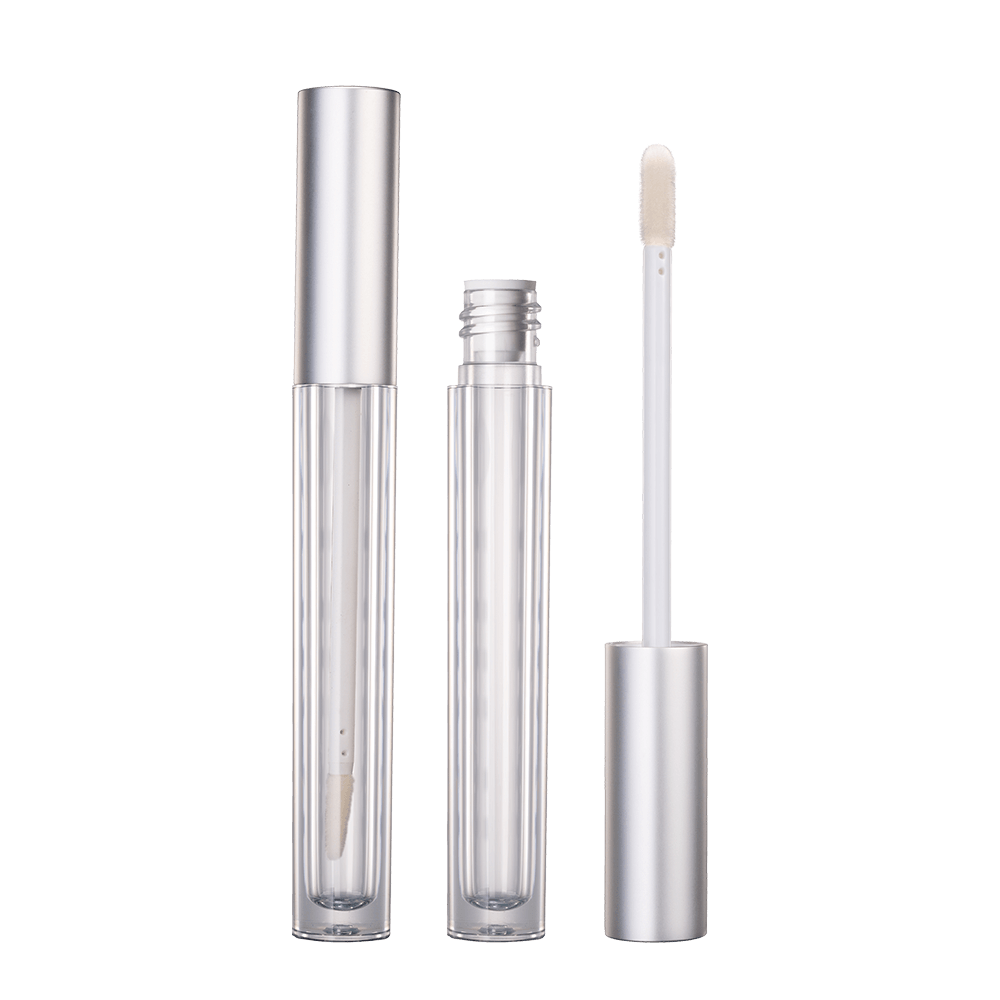
Gathering the right tools before you begin makes the cleaning process faster and more effective. Most items are already found around the home:
Avoid using boiling water, acetone-based nail polish remover, or bleach on lip gloss tubes. These can warp plastic materials, strip surface coatings, and degrade the adhesive used in printed labels or decorative finishes.
Follow these steps in order for a thorough clean that removes residue, eliminates bacteria, and leaves the tube ready for reuse or storage:
Use a cotton swab or small spatula to scoop out as much remaining gloss as possible. If the tube is almost empty and the residue has dried, warm the tube briefly by placing it in a cup of warm (not boiling) water for 60–90 seconds. This softens the product and makes it easier to wipe out without scratching the interior walls.
Remove the wand applicator and wipe it thoroughly with a paper towel to remove the bulk of the product. Then soak the wand tip in a small cup of warm soapy water for 2–3 minutes. Gently work the bristles or sponge tip with your fingers to release trapped gloss, then rinse under running warm water. For stubborn pigment or glitter, dip the wand in a small amount of micellar water before the soapy soak. Let the wand air dry standing upright — do not place it back in the tube while wet.
With the wand removed, run a small amount of warm water into the tube opening and swirl it around. Pour it out and repeat 2–3 times until the water runs clear. This initial rinse removes the majority of loose product without requiring any scrubbing.
Apply a small drop of mild dish soap to a cotton swab and insert it into the tube. Use a circular scrubbing motion against the interior walls, working from the bottom up toward the opening. Replace the cotton swab when it becomes saturated with product. For tubes with a narrow barrel — common in sleek, slim lip gloss packaging — a thin pipe cleaner works more effectively than a standard cotton swab. Rinse again with warm water once scrubbing is complete.
After the soap rinse, dip a fresh cotton swab in 70% isopropyl alcohol and wipe the entire interior surface of the tube. Also wipe the rim and threading around the opening. Isopropyl alcohol at 70% concentration is effective at killing 99.9% of common bacteria and fungi within 30 seconds of contact while evaporating quickly without leaving residue. This step is especially important if you plan to refill the tube with a new product.
Wipe the outside of the tube with a damp cloth to remove fingerprints, dried gloss drips, and surface grime. For tubes with a metallic or electroplated finish, use a dry or barely damp cloth rather than a wet one to protect the surface coating. Avoid submerging the entire tube in water, particularly if it has a printed label or decorative hot-stamped finish.
This step is critical and often skipped. Any moisture remaining inside the tube can promote mold growth if the tube is capped and stored. Leave the tube open and upright for a minimum of 2–4 hours at room temperature, or use a hairdryer on the lowest cool-air setting to speed up drying. Do not cap the tube until you are certain the interior is completely dry.
Lip gloss tubes are manufactured in a range of materials, each with slightly different cleaning requirements. Using the wrong method can permanently damage the tube's surface or structural integrity.
| Tube Material | Recommended Cleaner | Water Safe? | Avoid |
| ABS Plastic | Warm water + mild soap | Yes | Acetone, boiling water |
| PET / PETG | Warm water + mild soap | Yes | Strong solvents, high heat |
| Acrylic | Damp cloth + mild soap, no soaking | Partial (exterior wipe only) | Alcohol on exterior, abrasives |
| Aluminum | Dry wipe or barely damp cloth | Exterior: No; Interior: brief | Soaking, acidic cleaners |
| AS Resin | Warm water + mild soap | Yes | Acetone, chlorine bleach |
ABS (Acrylonitrile Butadiene Styrene) and AS (Acrylonitrile Styrene) are among the most common materials used in lip gloss tube manufacturing due to their durability, light weight, and ease of injection molding. Both materials tolerate warm water and mild soap well. Avoid acetone-based products entirely — acetone dissolves ABS on contact, leaving a cloudy, pitted surface that cannot be restored.
PET (Polyethylene Terephthalate) and PETG tubes are prized for their clarity, which showcases the gloss color inside. They are food-grade safe materials and handle warm water cleaning very well. Use a soft bottle brush to avoid scratching the transparent walls. Avoid water temperatures above 60°C (140°F), as PETG in particular can begin to deform under sustained heat.
Acrylic tubes have a premium appearance similar to glass but are susceptible to micro-scratching and cracking if exposed to harsh solvents. Never soak acrylic tubes in water or cleaning solution — prolonged water exposure can cause stress cracking. Wipe exterior surfaces gently with a barely damp soft cloth. For interior cleaning, use dry cotton swabs to remove residue, followed by a quick wipe with a cotton swab moistened with mild soap solution. Dry immediately.
Aluminum lip gloss tubes have a luxurious metallic finish but require more careful handling during cleaning. The exterior anodized or electroplated surface can be dulled by acidic or alkaline cleaners. For the exterior, use a soft dry cloth or a cloth barely dampened with plain water. For the interior, a brief warm water rinse followed by cotton swab cleaning is acceptable — but dry aluminum tubes immediately and thoroughly to prevent oxidation spots from forming.
Dried lip gloss is significantly harder to remove than fresh product because the oils and waxes in the formula have solidified and bonded to the tube surface. Standard warm water rinsing alone is rarely sufficient. Here are targeted techniques for stubborn residue:
Fill a cup or bowl with warm (not boiling) water and submerge the open tube for 5–10 minutes. The heat re-softens the wax components of the dried gloss, making them pliable again. After soaking, immediately wipe with a cotton swab before the residue has a chance to re-harden. This method is safe for ABS, AS, PET, and PETG tubes. Do not use this method on aluminum or acrylic tubes.
Micellar water is particularly effective at dissolving pigmented gloss residue because its micelle molecules bind to oily, waxy substances at the molecular level — the same reason it works so well for removing makeup from skin. Saturate a cotton swab with micellar water and leave it pressed against the dried residue for 30–60 seconds before scrubbing. For heavy glitter formulas, repeat the application 2–3 times.
A small amount of coconut oil applied to the interior via a cotton swab can dissolve dried gloss residue effectively, since like dissolves like — both the oil in the gloss formula and the coconut oil are lipid-based. Apply, leave for 2 minutes, then wipe away with a clean swab. Follow with a soap wash and water rinse to remove the coconut oil itself before sanitizing. This method is gentle enough for all tube materials including acrylic.
The wand applicator is the component most directly in contact with lips and therefore the most important to clean thoroughly. Most lip gloss wands are made of nylon, polyester, or silicone, and can be cleaned without special products.
A properly cleaned wand should show no visible product residue and should have its original shape restored. If the bristles are matted, splayed, or permanently deformed after cleaning, the wand should be replaced rather than reused — a deformed applicator will not distribute product evenly on the lips.
Cleaning frequency depends on how the tube is used and by whom:
| Use Scenario | Recommended Cleaning Frequency | Priority Actions |
| Personal daily use | Every 1 – 2 months | Wand cleaning; exterior wipe |
| Shared between users | Before and after each sharing | Full clean + sanitize with alcohol |
| Professional makeup kit | After every client application | Wand sanitize; tube opening wipe |
| Before refilling | Every time before adding new product | Full deep clean + dry completely |
| After illness (cold, fever blister) | Immediately after recovery | Full clean + replace wand if possible |
Note that the recommended shelf life of an opened lip gloss is 12–18 months, as indicated by the Period After Opening (PAO) symbol on most packaging. Even with perfect tube cleaning, the product formula itself will degrade over time — cleaning the tube does not extend the usable life of the product beyond its intended PAO window.
Modern cosmetic packaging incorporates a variety of decorative surface treatments that require extra care during cleaning. Rough or improper cleaning can permanently strip these finishes and reduce the aesthetic value of the packaging.
Tubes with electroplated metallic exteriors or UV-coated gloss surfaces should only be cleaned with a soft, slightly damp cloth. Alcohol should not be applied directly to these surfaces as it can strip the top protective layer, causing the finish to dull or peel. Wipe gently in one direction rather than using circular scrubbing motions to minimize micro-abrasion.
Tubes with silk-screened logos, hot-silver or hot-gold stamped brand marks, or thermal transfer printed designs need the gentlest approach. Do not scrub directly over printed areas. Use a soft cloth just barely moistened with plain water to wipe around logo areas, and dry immediately. Aggressive cleaning of printed surfaces can cause the ink or foil to lift, particularly on areas with fine detail or small text.
Matte spray-painted tube surfaces are particularly susceptible to oils and fingerprints, but also to cleaning damage if handled incorrectly. Use a dry microfiber cloth to buff the exterior — this removes smudges without leaving streaks or disturbing the matte texture. Avoid any liquid contact with matte surfaces when possible, as water can leave visible marks on some matte coatings.
Once your tube is fully cleaned, dried, and sanitized, refilling it correctly ensures the new product stays fresh and uncontaminated:
The ease of cleaning a lip gloss tube is directly related to the quality of its construction and materials. Poorly manufactured tubes with rough interior seams, ill-fitting wand channels, or cheap coatings are harder to clean and more likely to be damaged in the process. Investing in well-engineered packaging from the outset pays dividends in both hygiene and longevity.
Ningbo Huiho Cosmetics Packaging Co., Ltd., located in Ningbo, Zhejiang Province — known as the "Venice of the East" — has been a professional manufacturer of large-scale daily cosmetics packaging in China for many years. Through continuous research, development, and innovation, Huiho has earned lasting praise and trust from domestic and international customers, establishing a strong reputation within the cosmetics packaging industry.
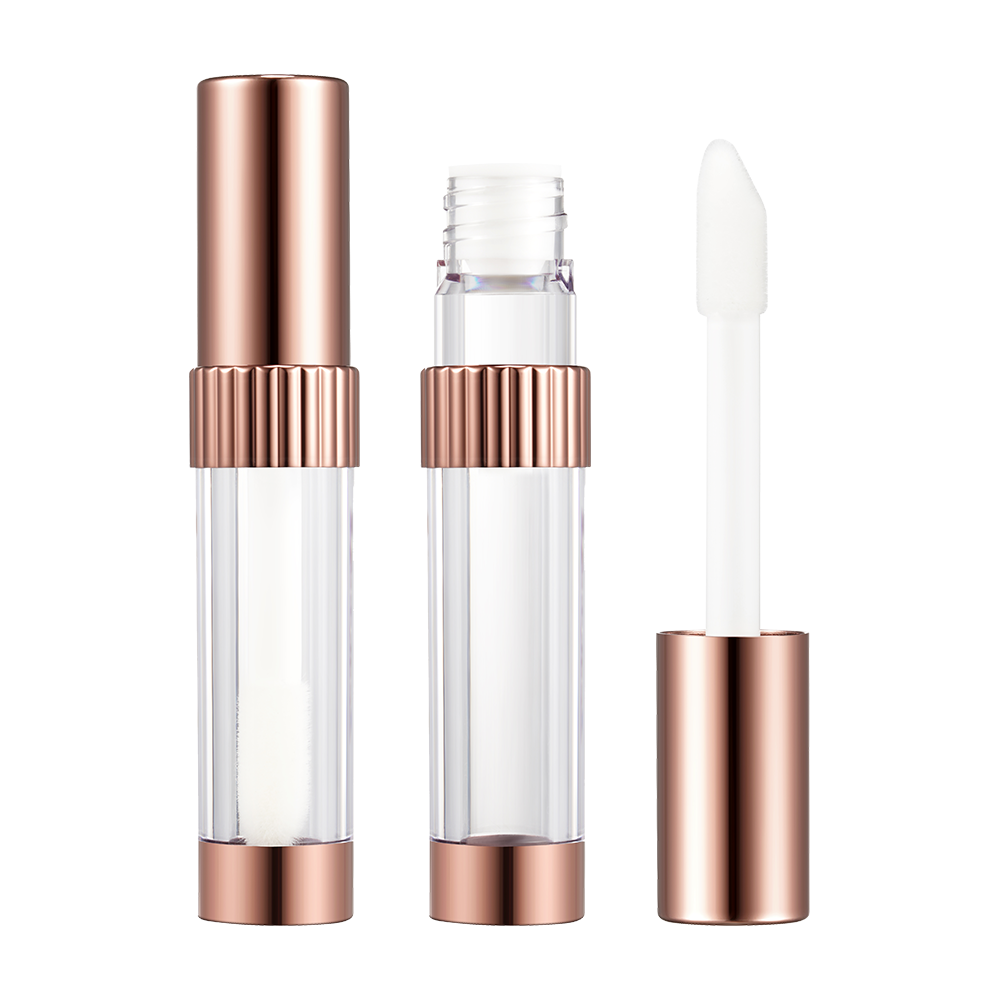
Huiho offers lip gloss tubes in a comprehensive range of materials — aluminum, acrylic, ABS, PET, PETG, and AS — each suited to different product formulas, aesthetic directions, and cleaning requirements. Surface treatment options include anodizing, injection molding, spray painting, UV coating, and electroplating, while branding and logo treatments include silk screen printing, hot silver stamping, thermal transfer printing, secondary oxidation, and 3D printing. The combination of premium tube bodies with caps available in a wide range of colors gives brands the flexibility to create packaging that is both visually distinctive and functionally durable.
When selecting a lip gloss tube — whether for personal use or product development — consider the following features that make cleaning easier:
A well-made lip gloss tube, properly cleaned and maintained, can be refilled and reused multiple times — reducing packaging waste while preserving the premium aesthetic that makes cosmetic products appealing on shelves and in everyday use.