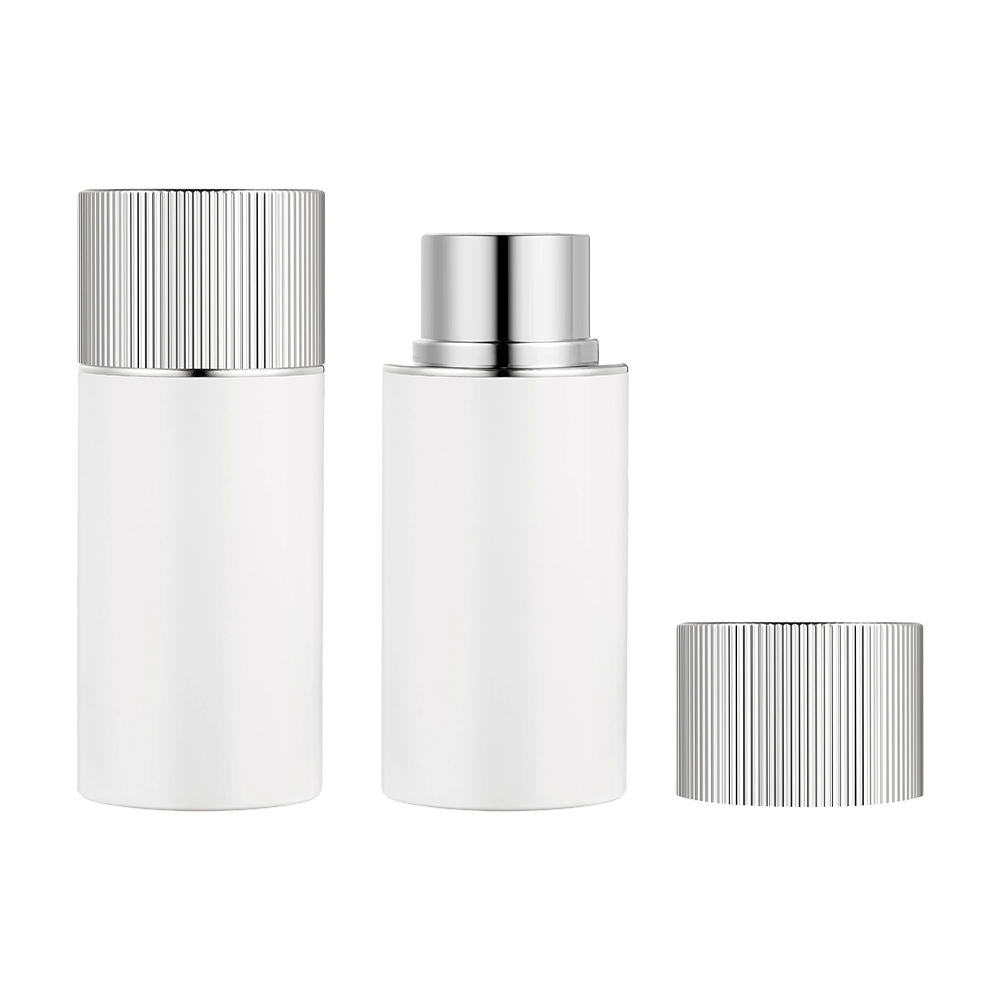
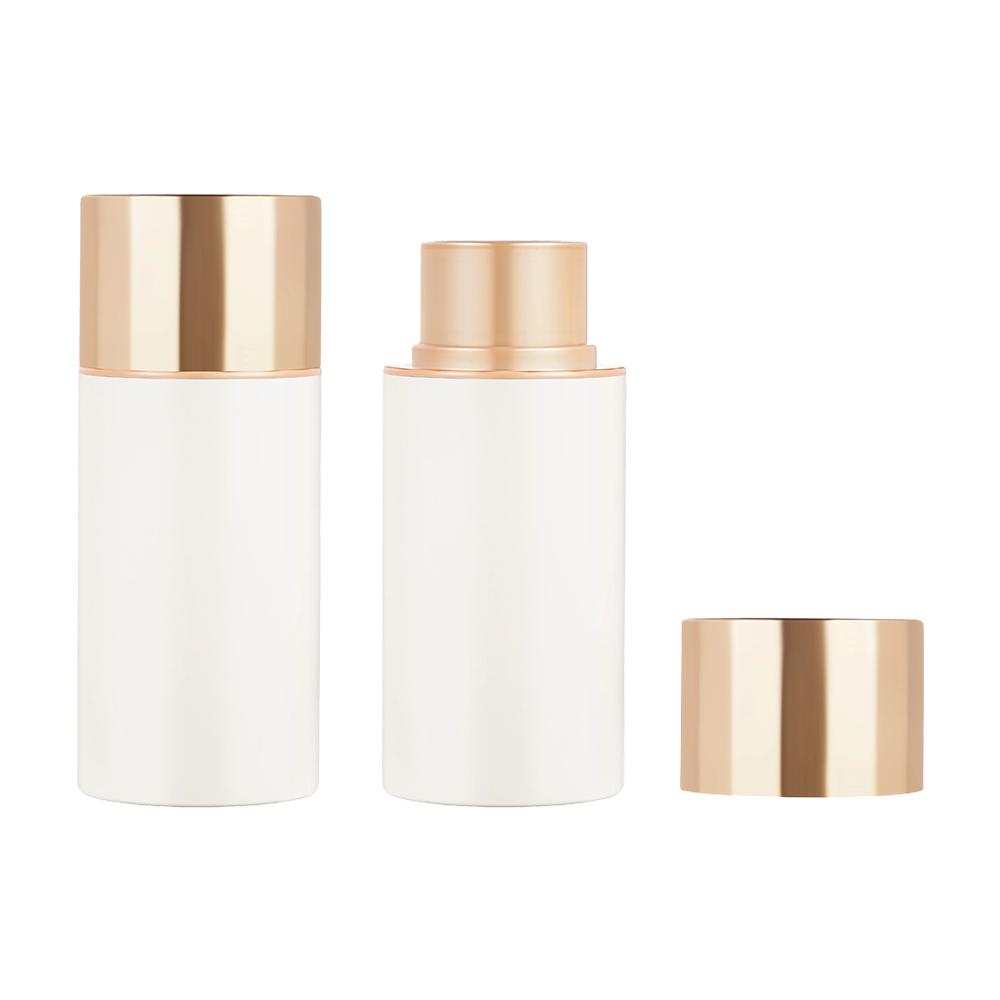
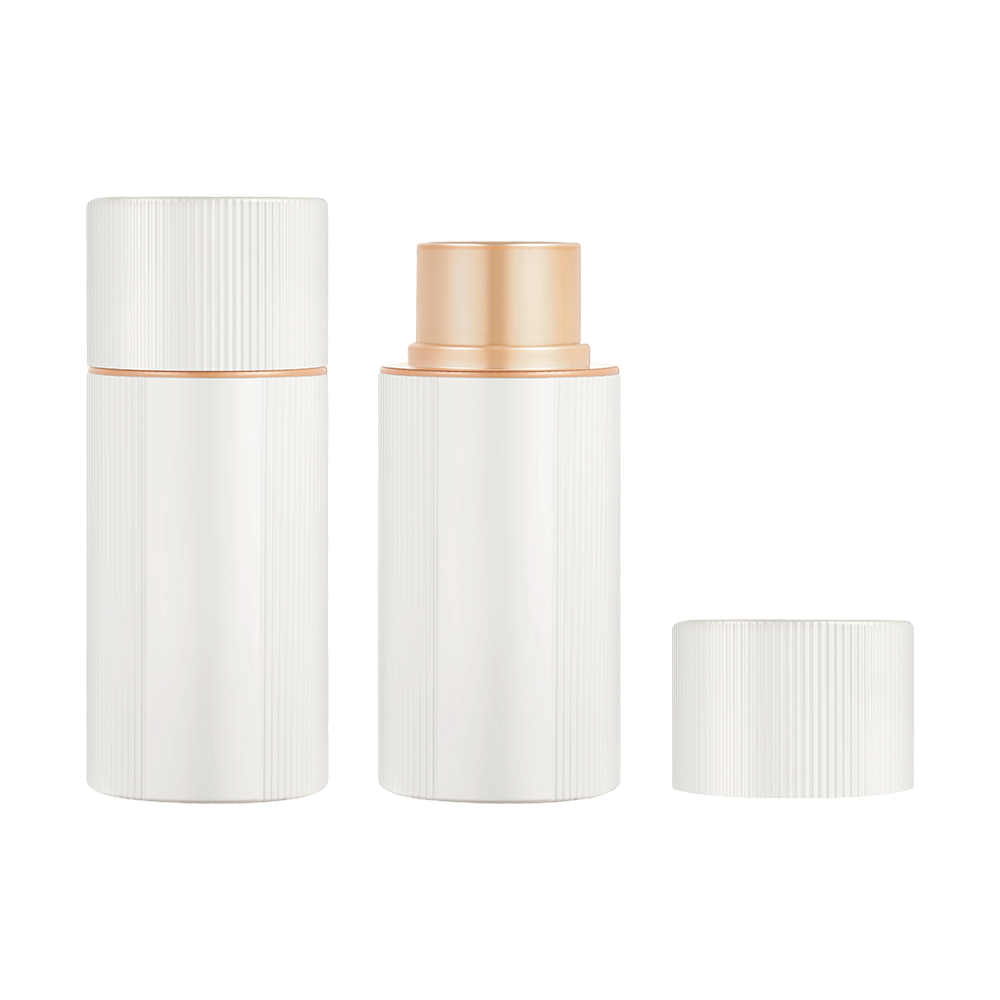
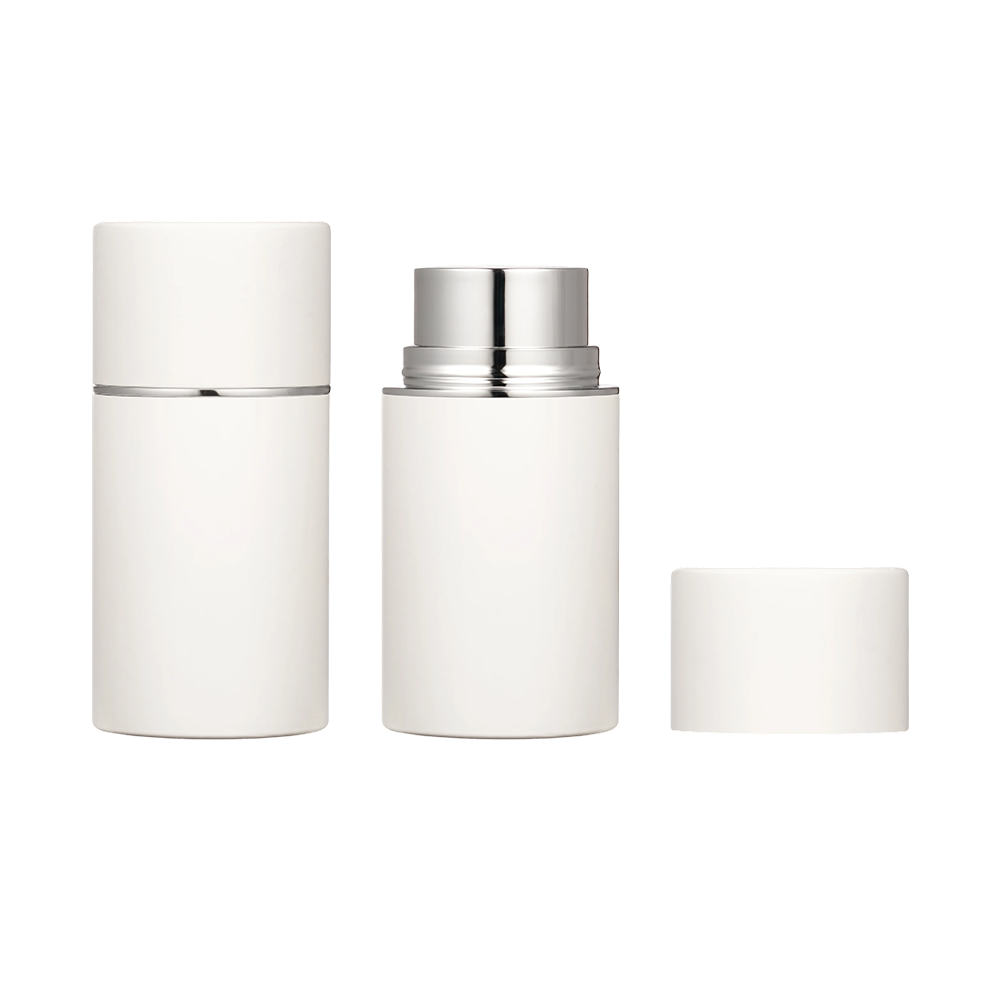
Hello Ningbo Huiho Cosmetics Packaging Co., Ltd. - China Mascara Tubes Packaging Manufacturers


Reusing a lip gloss tube means cleaning and repurposing the empty container for a new formula, a different use altogether, or as part of a crafting or organization project, rather than sending it straight to the bin after the original product runs out. This matters more than it might seem at first glance: the global beauty industry produces more than 120 billion units of packaging every year, and 95 percent of it is thrown away after a single use, with only 14 percent making it to a recycling facility (source: Ellen MacArthur Foundation, cited in snowkap.com and businesswaste.co.uk, 2024). Packaging is responsible for around 70 percent of all cosmetic waste (source: Zero Waste Europe, cited in businesswaste.co.uk, 2024), and small-format packaging like lip gloss tubes is among the hardest to recycle because most curbside programs do not accept items below a certain size threshold. A standard lip gloss tube, typically made from polypropylene, ABS, or PET plastic, can take hundreds of years to break down in landfill conditions. The practical good news is that Lip Gloss Tubes are among the most versatile small containers in a cosmetics kit, and their slim, capped, applicator-equipped design makes them easy to clean and adapt for dozens of alternative uses. The sections below cover exactly how to clean an empty tube, what you can refill it with, and how to use it beyond the beauty routine entirely.
Content
Cleaning is the step that determines whether a reused tube is genuinely hygienic or just a vessel carrying old formula residue from a previous product. Skipping this step is the most common reason a refilled tube performs inconsistently, since old residue affects the texture, color, and shelf life of whatever goes in next.
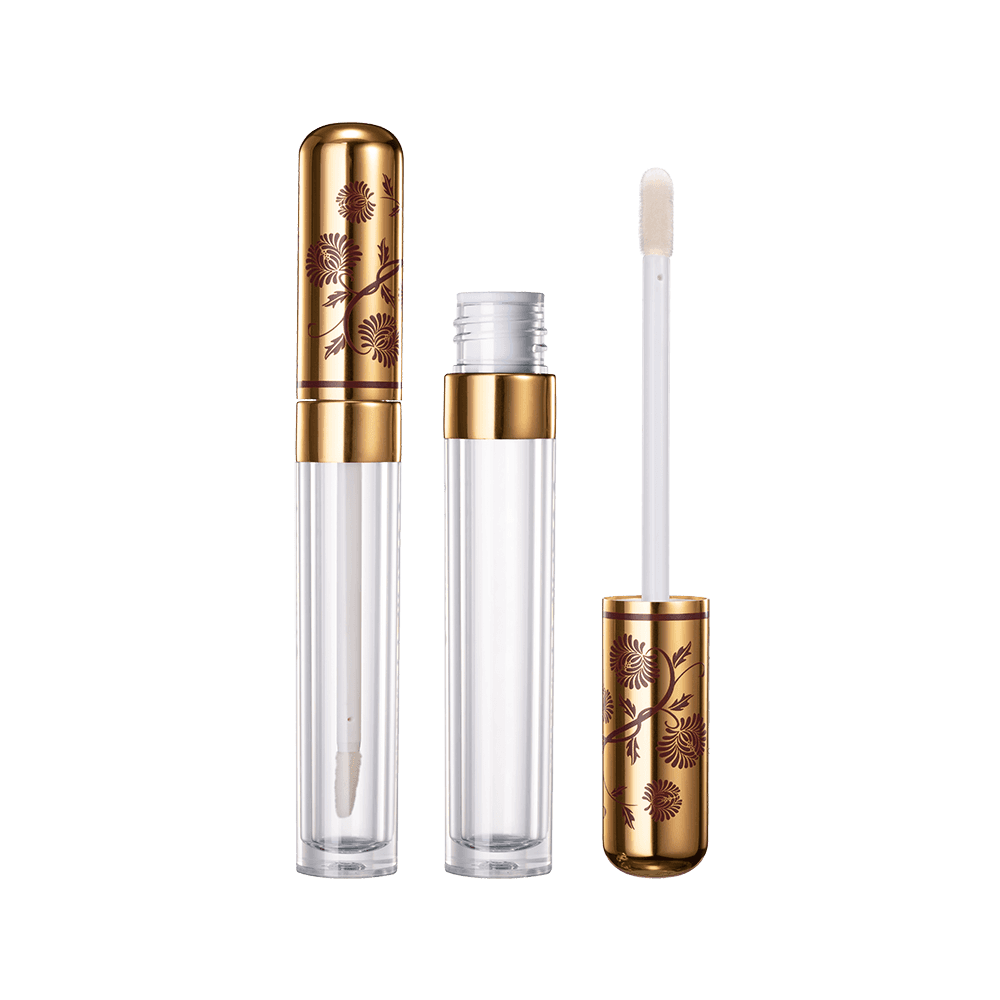
Refilling a cleaned lip gloss tube with a custom or homemade formula is one of the most satisfying ways to reuse the packaging, and it produces a functional finished product rather than just a crafting item. The key is matching the viscosity of the new formula to the applicator wand and tube geometry, since formulas that are too thin will drip down the wand faster than they can be applied, while formulas that are too thick will not flow around the wand at all when the cap is replaced.
A simple, functional refill formula can be made from a combination of castor oil, a thickening wax such as carnauba or beeswax, and optionally a lip-safe mica powder, lipstick pigment, or cosmetic-grade shimmer. Castor oil is the standard base for commercial lip gloss because its natural high viscosity gives the formula the characteristic thick, glossy drag that distinguishes lip gloss from other lip products. Beeswax or carnauba wax at 5 to 10 percent of the total weight thickens the base enough to hold its shape in the tube without becoming too stiff to coat the lips with a light wand stroke. For those preferring a vegan formula, candelilla wax can be used in place of beeswax at approximately half the weight, since it is denser and sets firmer. A practical starting ratio for a single tube refill is 70 percent castor oil to 30 percent wax by weight, adjusted slightly toward more oil for a thinner, higher-shine finish or toward more wax for a thicker, more balm-like texture.
Not every refill project needs to start from scratch. Several existing cosmetic and personal care products have the right viscosity and safety profile to be decanted into a cleaned lip gloss tube for more convenient daily use.
| Formula Type | Reuse Suitability | Notes on Performance |
| Clear hair serum or cuticle oil | High, wand applies exactly as designed for serum use | Works well for cuticle care on the go; no pigment to stain |
| Vitamin E oil | High for clear or slightly tinted applications | Thick enough for wand application; good shelf stability |
| Tinted lip balm melted and re-poured | Medium; depends on original formula thickness | Lower wax content formulas may set too soft for warm climates |
| Sheer liquid highlighter or shimmer drops | Medium; works if viscosity is similar to original gloss | Good for targeted shimmer application to inner corner of eye |
| Eyebrow gel tinted or clear | Low to medium; wand shape may not match original brush shape | Works better in tubes with flat or fine-tip applicators |
Not every empty tube needs to be refilled with a cosmetic product. The compact size, built-in applicator, and secure cap of a lip gloss tube make it genuinely useful for a range of non-cosmetic applications, particularly when a small, portable container is needed for travel, crafting, or fine detail work.
The doe-foot applicator of a standard lip gloss wand is a small, dense foam tip with a slightly rounded edge that works extremely well for applying thin, controlled strokes of any liquid medium in that viscosity range. Artists and crafters can clean a tube and refill it with craft glue for precise application onto small paper, fabric, or embellishment projects without the drips and excess associated with craft glue bottles. Liquid watercolor or ink thinned slightly with water can be applied with the wand for calligraphy practice or decorative painting projects. Clear-drying rubber cement in a diluted solution can also be decanted for masking work on watercolor paper. The key advantage in all these uses is the built-in precision tip, which allows working right up to a clean edge without needing a separate brush.
Cleaned lip gloss tubes are safe for children's crafting use once properly cleaned and dried, and their small size makes them easy for small hands to hold and control. Face paint thinned to a brushable consistency can be decanted for easy line drawing. Edible food coloring or food-safe decorating gel for cake decorating can be stored in clean tubes for fine detail work on baked goods where a piping bag would be too imprecise. Teachers and parents working on science demonstrations involving colored liquids can use the wand to introduce small, precise drops of liquid into a container without using a dropper, since the wand holds and releases fluid in a controlled way.
A lip gloss tube's narrow, cylindrical shape and secure cap make it a surprisingly effective small storage vessel in a range of organizational contexts, particularly for items that need to be kept clean, dry, and accessible without taking up much space.
While any cleaned lip gloss tube can be refilled, some tubes are specifically designed from the outset to support refilling and long-term reuse, making the process significantly easier and the result more consistent. The key design features that favor easy refilling are a wide enough tube opening to admit a dropper or syringe without spilling, a wand that detaches cleanly from the cap without breakage, a tube body material that does not absorb pigment from the original fill, and a cap seal tight enough to prevent evaporation of low-viscosity refill formulas.
62 percent of plastic packaging used in cosmetics is not recyclable due to material complexity or small format size (source: Woola, citing industry data, 2025), which makes the design of refillable packaging a more effective environmental intervention than simply labeling existing packaging as recyclable. A well-designed refillable Lip Gloss Tube keeps the packaging in active use across multiple formula lifetimes rather than contributing to the 120 billion annual units of beauty packaging that are thrown away globally (source: Ellen MacArthur Foundation). For brands and formulators developing a new lip gloss product, specifying a tube designed for refillability at the product development stage reduces per-unit packaging costs over the product line's life, since the same tube is sold once and refilled multiple times rather than replaced with a new unit each time the formula runs out.
| Design Feature | Why It Matters for Refilling |
| Wide-neck or straight-sided tube body | Allows a dropper or fine-nozzle syringe to reach the base without overflow |
| Wand and cap that separate cleanly | Prevents cap distortion or wand seal damage during the cleaning and refill process |
| PP or PET plastic body | Absorbs less pigment than ABS and cleans more completely between formula changes |
| Tight friction-fit cap with inner seal | Prevents evaporation and oxidation of refilled formulas with low-viscosity bases |
| Clear or translucent tube body | Allows the refill level to be seen without removing the cap, reducing handling during checking |
Even a well-maintained tube will eventually reach a point where the plastic has discolored too significantly, the cap no longer seals, or the wand has worn to a point where it no longer holds formula. At that stage, recycling is the next step, but the process requires some preparation to be effective.
Most curbside recycling programs in the United States and Europe do not accept small plastic items below a certain size, and lip gloss tubes typically fall below that threshold. Small plastic items often fall through sorting machinery at recycling facilities and are diverted to landfill regardless of their resin type. Alternative options include drop-off collection programs run by specific organizations: in 2024, over 227,000 pounds of beauty packaging were diverted from landfills through 3,300-plus collection drop-off points across North America (source: Pact Collective 2024 Impact Report, cited in beautymatter.com, 2025). These drop-off programs accept small-format cosmetic packaging that standard recycling streams cannot process, and they sort it by material type for appropriate recovery. Some community pharmacy chains, beauty retailers, and zero-waste stores operate similar take-back schemes.
A single reuse of one lip gloss tube makes almost no measurable difference on its own, but a consistent practice applied across the dozens or hundreds of cosmetic units a household uses each year adds up to a genuinely meaningful reduction in the plastic entering the waste stream. The annual average of a cosmetics consumer in most developed markets involves regular purchases of lip, eye, face, and skincare products, nearly all of which generate packaging waste, and 56 percent of consumers do not recycle bathroom products at all (source: Garnier research, cited in Woola, 2025).