Hello Ningbo Huiho Cosmetics Packaging Co., Ltd. - China Mascara Tubes Packaging Manufacturers


A product developer testing a new lip gloss formula stops after one stroke on the back of her hand. The metal applicator feels cool, releases just enough product, and follows the lip line without tugging. She reaches the same conclusion that many brand owners have reached in recent buying decisions: a lip gloss with a metal applicator is a premium experience that consumers can feel immediately.
The packaging behind it decides whether that experience stays consistent from the first use to the last. This article explains why the metal applicator has become such a defining detail, which packaging parameters control the result, and what to ask a supplier before ordering empty lip gloss tubes for this format.
Content
A metal tip removes heat from the lip surface the moment it touches skin. Stainless steel and coated aluminum conduct warmth away faster than plastic, which produces a gentle cooling sensation that many consumers describe as calming. This effect is strongest with thick high-shine formulas, because the metal transfers temperature even through a generous layer of gloss. The cooling feel also helps mask the sticky texture that heavy formulas can leave behind. For a brand, that is a real functional reason to prefer a metal applicator, not just a premium look.
A metal tip keeps its original shape under repeated pressure, so the stroke width stays consistent from the first application to the last. A plastic doe foot flattens over time and produces a less defined edge. The smooth metal surface is easy to wipe clean and does not absorb pigment or flavor, which matters for glosses with pearl particles or high color payoff. On a retail shelf, the metal detail instantly signals a premium product and raises the perceived value of the whole package. These practical and emotional benefits explain why the format keeps appearing in new launches.
The chart below summarizes what consumers notice most when they switch from a regular plastic wand to a metal applicator.
The chart ranks the five benefits that consumers mention most often when they compare metal applicators with standard plastic wands. Cooling effect leads because it is felt within the first seconds of use. Stroke precision follows closely, because a consistent metal edge makes the lip line look clean instead of blurred. Hygienic surface and smooth glide support the daily experience, while premium unboxing feel matters most during the first opening in a store or in a social media video. The lesson for a brand owner is straightforward: every one of these attributes depends on the applicator tip, the wand, and the tube working together. Packaging quality becomes visible exactly at this point.
The metal applicator changes the rest of the packaging. The empty lip gloss tube must match the wand length, the wiper opening must be tuned to the metal tip diameter, and the cap must hold the wand firmly while keeping the formula sealed. A mismatch in any of these areas produces leakage, a dry applicator, or an uneven layer of gloss on the lips. That is why a brand should evaluate packaging suppliers by technical tolerance rather than by catalog photos alone.
A metal tip has a smaller surface than a doe foot, so the wiper opening must be adjusted to the tip size. If the wiper is too tight, it scrapes off too much product and the consumer needs several strokes. If it is too loose, excess formula gathers at the tip and drops form at the edge of the tube. High-viscosity glosses with shimmer need a slightly larger wiper opening, while thin oil-based glosses need a smaller one. The supplier should provide wiper samples for each formula during the development phase.
The metal wand rotates inside the cap during application, so the cap, the plug, and the bottle neck must all work within tight tolerances. A properly sealed tube protects the formula from oxygen, moisture loss, and evaporation, which is essential for the oils and flavoring agents used in lip gloss. Brands should ask their supplier for a defined cap torque range and request sealing tests at different storage temperatures. The features that keep empty lip gloss tubes leak free should be reviewed before the mold is finalized, because changes are much harder after tooling is made.
The table below compares the applicator formats that are most common in lip gloss packaging, so the positioning of each option is clear before discussing the build of the tube.
| Applicator type | Cooling effect | Precision | Formula release | Best suited for |
| Metal tip | High | High | Even film | High shine and tinted glosses |
| Plastic doe foot | Low | Medium | Generous amount | Creamy and thick glosses |
| Foam tip | Low | Medium | Light layer | Lip oils and balms |
| Brush tip | Medium | High | Buildable layer | Gloss with fine shimmer |
Each format has a clear role. Metal tips are the strongest match for premium positioning because they combine cooling, precision, and a luxurious finish. Doe foot applicators remain practical for thick formulas, foam tips suit oils and balms, and brush tips help build light layers with shimmer. The radar chart below shows how a metal tip and a plastic doe foot differ across five attributes that define the experience.
The radar chart compares a metal tip with a standard plastic doe foot across five attributes that define the user experience. The metal tip scores clearly higher on cooling feel, because stainless steel conducts heat away from the lip surface. Precision and glide also favor the metal design, which keeps a stable contact edge and requires less pressure. The plastic doe foot wins on cost efficiency, which explains why it remains the default in mass-market lines. Hygiene perception is more favorable for the metal tip, because a smooth metallic surface is easier to clean and leaves no visible residue. The overall shape of the two polygons shows why the metal format is positioned in premium ranges rather than in every price tier.
The metal applicator influences more than the inner components. The visual pairing of the applicator and the tube body is part of the product identity, so a few packaging decisions need attention before production starts.
Most lip glosses with a metal applicator use a slim round body with an aluminum cap, because the metal cap visually echoes the metal tip and balances the weight of the wand. PET bottles offer shatter resistance and lower shipping weight, while an anodized aluminum cap adds the metallic finish that consumers associate with quality. This combination also supports refillable designs, which is a growing request in beauty retail. When ordering, the brand should specify the cap color, the anodizing level, and the surface texture of the aluminum parts.
The metal applicator itself can be polished, brushed, or coated, and the tube body can carry the logo through silk screen printing, hot stamping, or thermal transfer. Each method has a different look and a different durability level on curved surfaces. A brushed cap with a silkscreen logo looks modern and understated, while a polished cap with hot-stamped lettering reads as more luxurious. Suppliers should provide printed samples for every logo size before mass production, especially on small curved bottle necks.
Interest in this packaging format has been rising steadily. The chart below shows the monthly share of packaging inquiries that mention a metal applicator, based on recent order requests handled by the factory.
The line chart illustrates a clear upward pattern in the share of lip gloss packaging inquiries that mention a metal applicator. At the start of the period, the format represented a niche request from a few premium brands. By the middle of the year, monthly inquiries had doubled, with most requests coming from cosmetic companies that already sold glosses in standard tubes. Around the third quarter, the trend accelerated as retail buyers started to highlight the cooling effect in product descriptions. For a packaging manufacturer, this steady curve is a signal to prepare tooling and wiper options for the format. For a brand owner, the practical implication is that sourcing lead times may lengthen as more companies request the same configuration.
For a fuller picture of body and closure options, brands can review the materials and features available in empty lip gloss tube packaging before finalizing the specification.
Not every lip gloss tube is a good home for a metal applicator. The neck diameter, cap length, and wiper position must be compatible with the wand. Ningbo Huiho, a cosmetics packaging manufacturer offering custom lip gloss tubes, produces both aluminum and plastic parts in its own two factories, which makes it easier to tune the tube to the applicator.
Three empty tube configurations cover the most common briefs for a metal-applicator line.
The lip gloss cases LG048 with an aluminum cap offer enough internal space for a standard or slim metal wand, and the aluminum cap keeps the assembly balanced in the hand. This model works well for brands that want a classic round profile with a metallic finish.
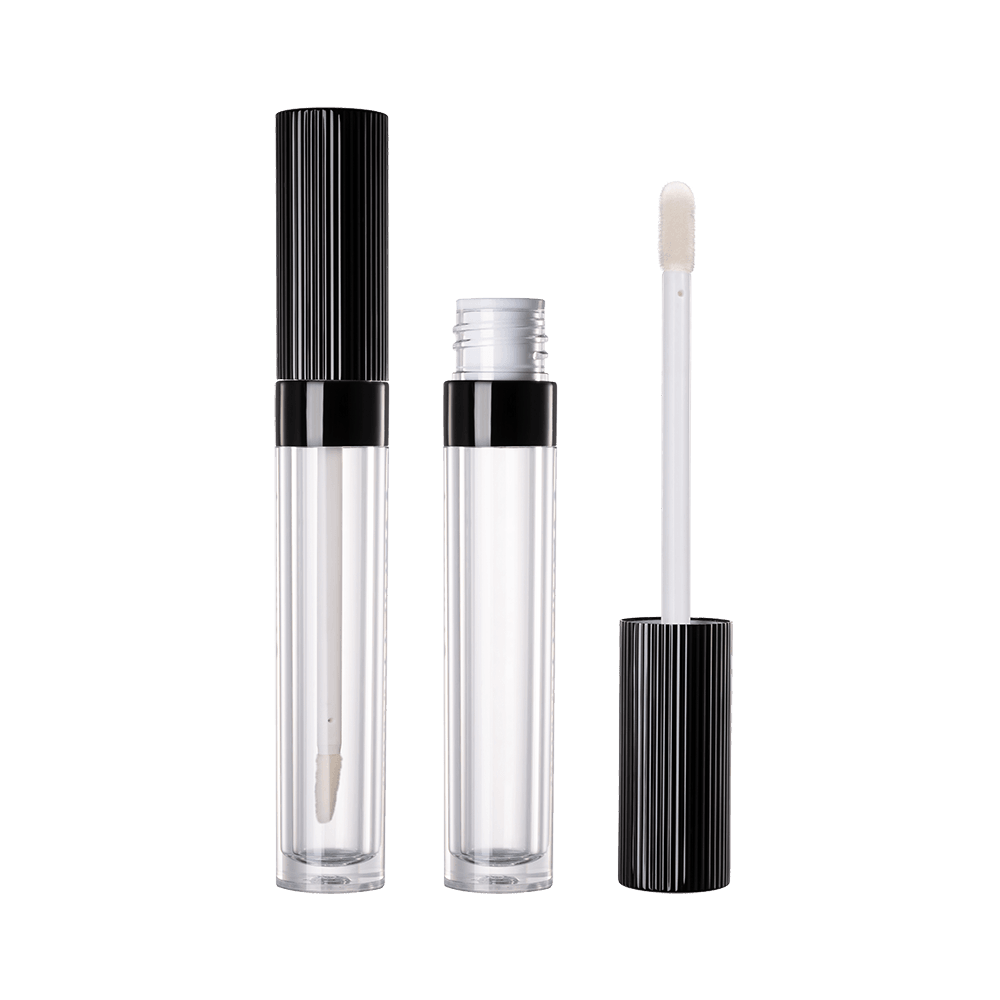 Wholesale Lip Gloss Cases LG048 Manufacturers, OEM Factory - Ningbo Huiho CosmetNingbo Huiho Cosmetics Packaging Co., Ltd. is China wholesale Lip Gloss Cases LG048 manufacturers and OEM factory, details:View Product →
For a travel-friendly launch, the slim round lip gloss tube LG050 reduces the outer diameter without squeezing the wiper zone. The narrow body pairs naturally with a polished metal tip and a smaller bottle neck, which also lowers formula waste during filling.
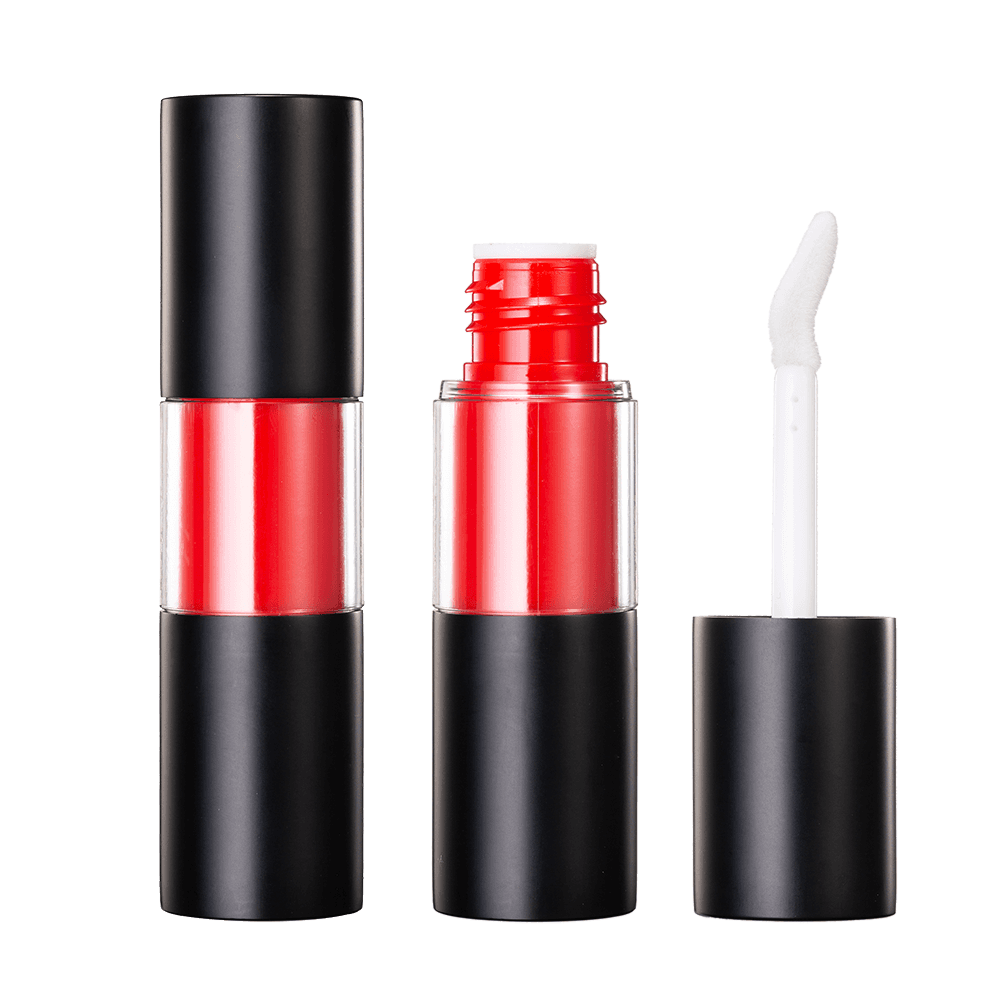 Wholesale Lip Gloss Cases LG050 Manufacturers, OEM Factory - Ningbo Huiho CosmetNingbo Huiho Cosmetics Packaging Co., Ltd. is China wholesale Lip Gloss Cases LG050 manufacturers and OEM factory, details:View Product →
For a high-volume rollout, the compact empty lip gloss tube LG052 keeps assembly simple and filling straightforward. Its straightforward cap structure makes it easier to hold consistent cap torque, which reduces the risk of leaks during transport and storage.
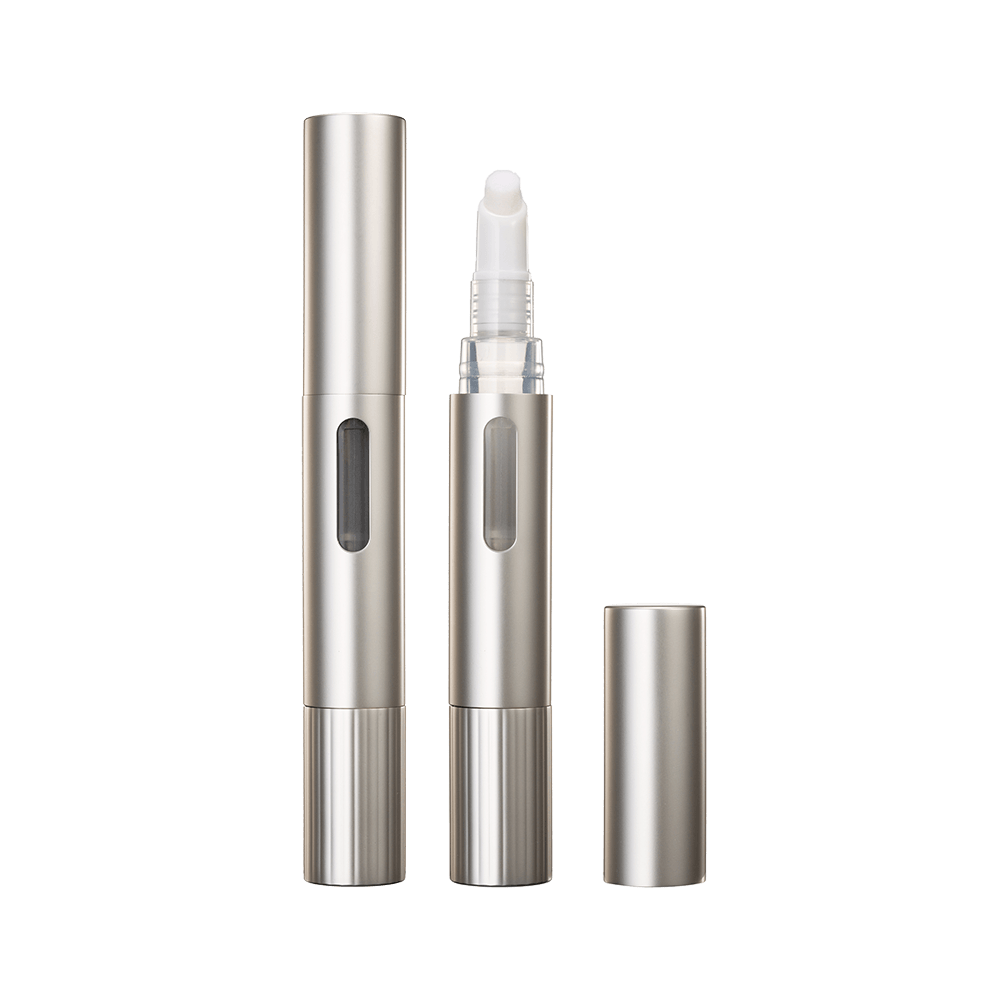 Wholesale Lip Gloss Cases LG052 Manufacturers, OEM Factory - Ningbo Huiho CosmetNingbo Huiho Cosmetics Packaging Co., Ltd. is China wholesale Lip Gloss Cases LG052 manufacturers and OEM factory, details:View Product →
Before choosing a supplier, most brand teams weigh a short list of criteria. The column chart below shows how those criteria are typically prioritized when the product format is a lip gloss with a metal applicator.
The column chart summarizes the factors that packaging buyers weigh most heavily when they compare suppliers for a lip gloss with a metal applicator. Leak resistance is the top concern, because a metal tip wand seats into the cap differently than a plastic wand and any gap becomes visible quickly. Applicator fit ranks second, covering the wiper opening, the wand length, and the tip tolerance. Surface finish follows, since the metal cap and the tube body must look consistent under retail lighting. Production lead time and unit price are still decisive, but buyers tend to accept longer lead times when a supplier can prove stable quality for the metal format. The balance among these factors is a useful checklist for the first ordering conversation.
A lip gloss with a metal applicator performs well only when the tube, wiper, cap, and metal tip work as one system. That is why the practical decision is not just choosing an applicator, but choosing a packaging partner who can control the tolerances, run the sealing tests, and deliver a finish that matches the brand image.