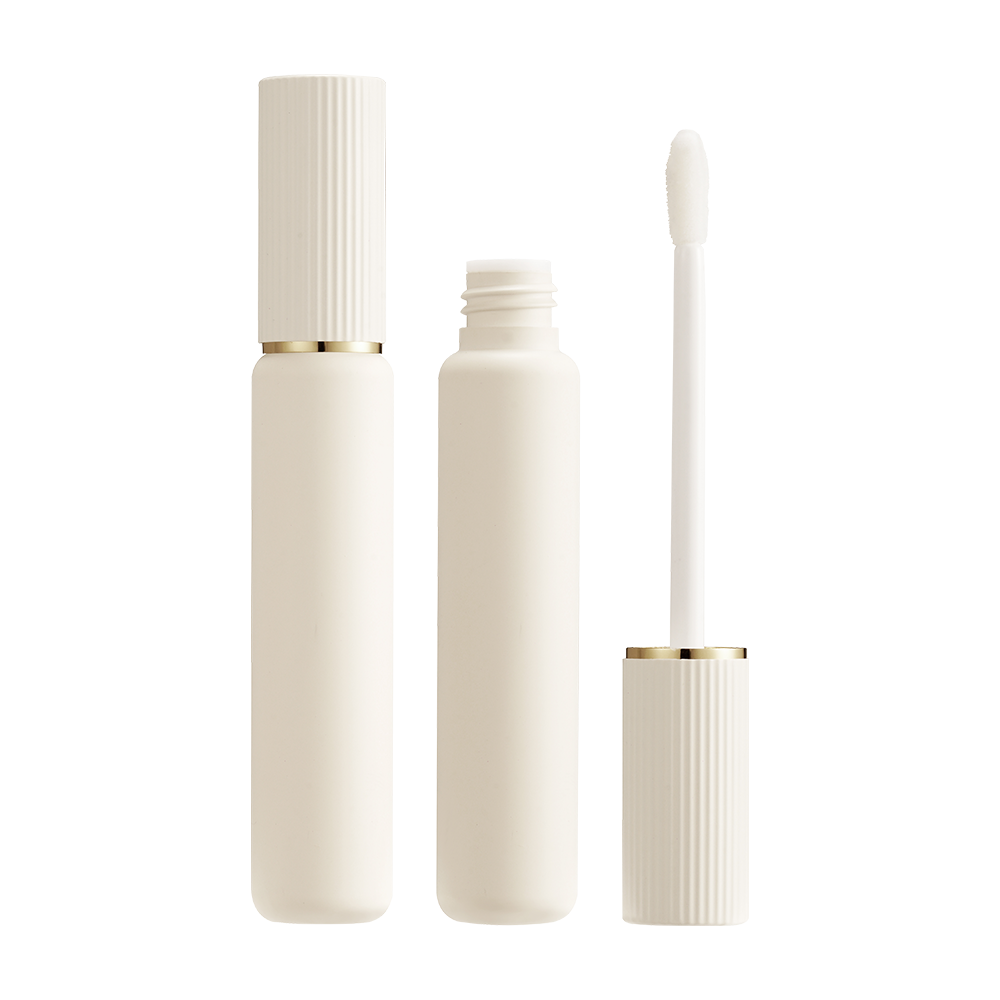
Hello Ningbo Huiho Cosmetics Packaging Co., Ltd. - China Mascara Tubes Packaging Manufacturers


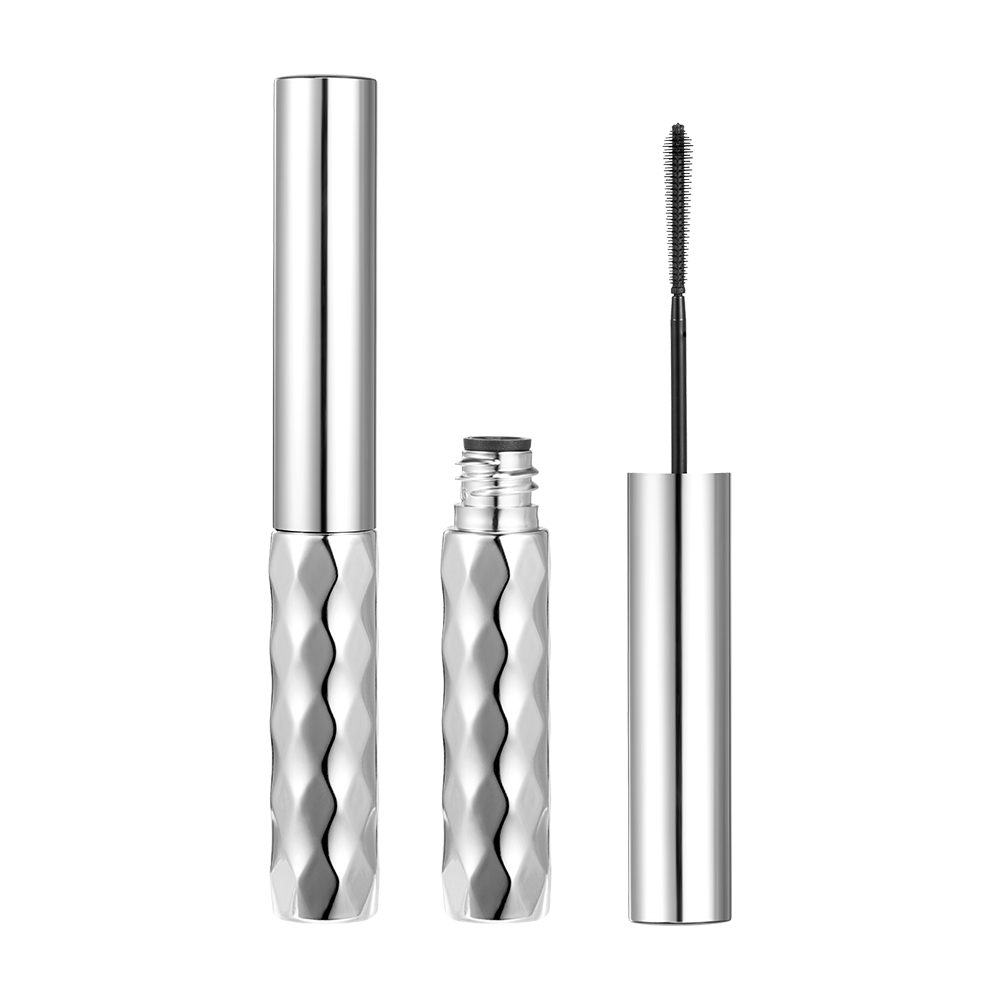
Empty aluminum mascara tubes offer five core advantages over plastic alternatives: superior airtight sealing that preserves formula quality, greater structural durability, full recyclability, premium tactile and visual appeal, and extensive customization potential for brand differentiation. For cosmetic brands and formulators selecting packaging, aluminum tubes consistently outperform plastic in product preservation, sustainability credentials, and shelf presence — making them the preferred choice for premium and professional mascara lines.
Content
The most functionally critical advantage of aluminum mascara tubes is their superior airtight sealing performance. Mascara formulas contain volatile solvents, film-forming polymers, and water that degrade rapidly when exposed to air — causing the product to thicken, clump, dry out, and lose its application performance.
Aluminum is a non-porous material with zero gas permeability — unlike plastic, which allows trace amounts of oxygen and moisture to diffuse through the container wall over time. An aluminum tube with a precisely machined cap and wiper seal creates a hermetic closure that maintains the internal atmosphere of the mascara formula from first use to last. This directly extends the usable life of the product and preserves the consistency of application from the first stroke to the final application.
For brands formulating with natural, organic, or preservative-reduced mascara formulas — where product stability is a particular challenge — aluminum's superior barrier properties can extend shelf stability by 20–30% compared to equivalent plastic packaging under the same storage conditions.
Aluminum is significantly stronger and more impact-resistant than the thin-wall plastic used in standard mascara tubes. A dropped aluminum mascara tube withstands the impact without deforming, cracking, or splitting — protecting the formula inside and the wiper mechanism that controls brush loading on each use.
The rigid aluminum body also prevents the tube from being accidentally compressed in a makeup bag or cosmetics case — a common problem with plastic tubes that can force the cap off or deform the wiper seal, exposing the formula to air and contamination. For consumers who carry mascara in clutch bags or travel pouches where items are compressed together, aluminum's structural rigidity is a meaningful functional advantage.
Aluminum is one of the most recyclable materials on earth — approximately 75% of all aluminum ever produced is still in use today, continuously cycled through the recycling stream. When an aluminum mascara tube reaches the end of its product life, it can be recycled indefinitely without any loss of material quality or properties.
Recycling aluminum requires only 5% of the energy needed to produce primary aluminum from bauxite ore — making recycled aluminum one of the most energy-efficient packaging materials available. By contrast, plastic mascara tubes are typically made from mixed polymers (ABS, polypropylene, nylon) that are difficult or impossible to separate and recycle in standard municipal recycling streams, resulting in the vast majority ending up in landfill.
| Environmental comparison between aluminum and plastic mascara tube packaging | ||
| Environmental Factor | Aluminum Mascara Tube | Plastic Mascara Tube |
| Recyclability | Infinitely recyclable, no quality loss | Difficult — mixed polymer construction |
| Recycled content energy saving | 95% energy saving vs virgin material | 30–50% energy saving (where recyclable) |
| End-of-life destination | Recycling stream (single material) | Typically landfill (mixed materials) |
| Decomposition timeline | Recyclable — does not decompose in landfill | 400–1,000 years in landfill |
| Brand sustainability claim support | Strong — verifiable recycled content available | Weak — limited recycling infrastructure |
For cosmetic brands communicating sustainability commitments to consumers and retail buyers, switching to aluminum mascara packaging provides a credible, verifiable environmental story — an increasingly important purchasing factor for a growing segment of beauty consumers worldwide.
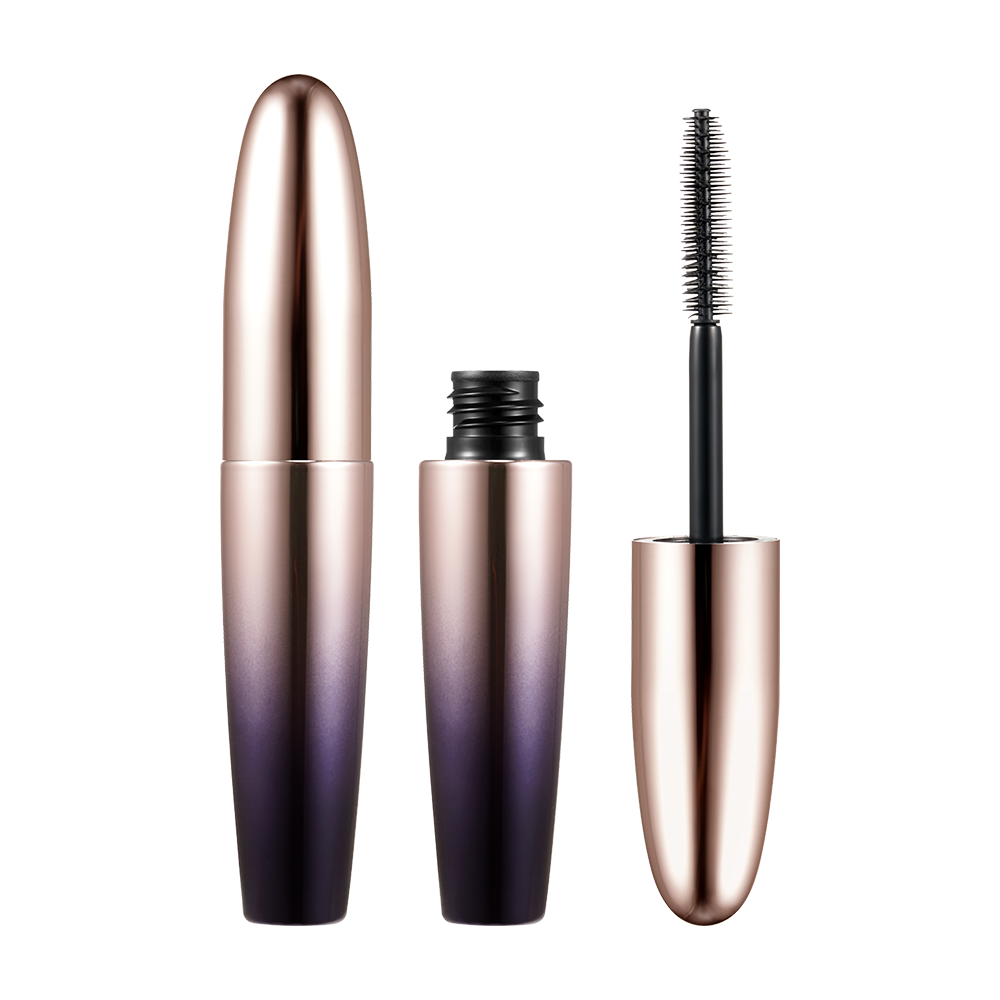
Aluminum mascara tubes deliver a tactile and visual quality that immediately communicates premium positioning to consumers. The cool, solid weight of aluminum in the hand creates a sensory experience that plastic packaging cannot replicate — and that weight is directly associated with quality and value in consumer perception research.
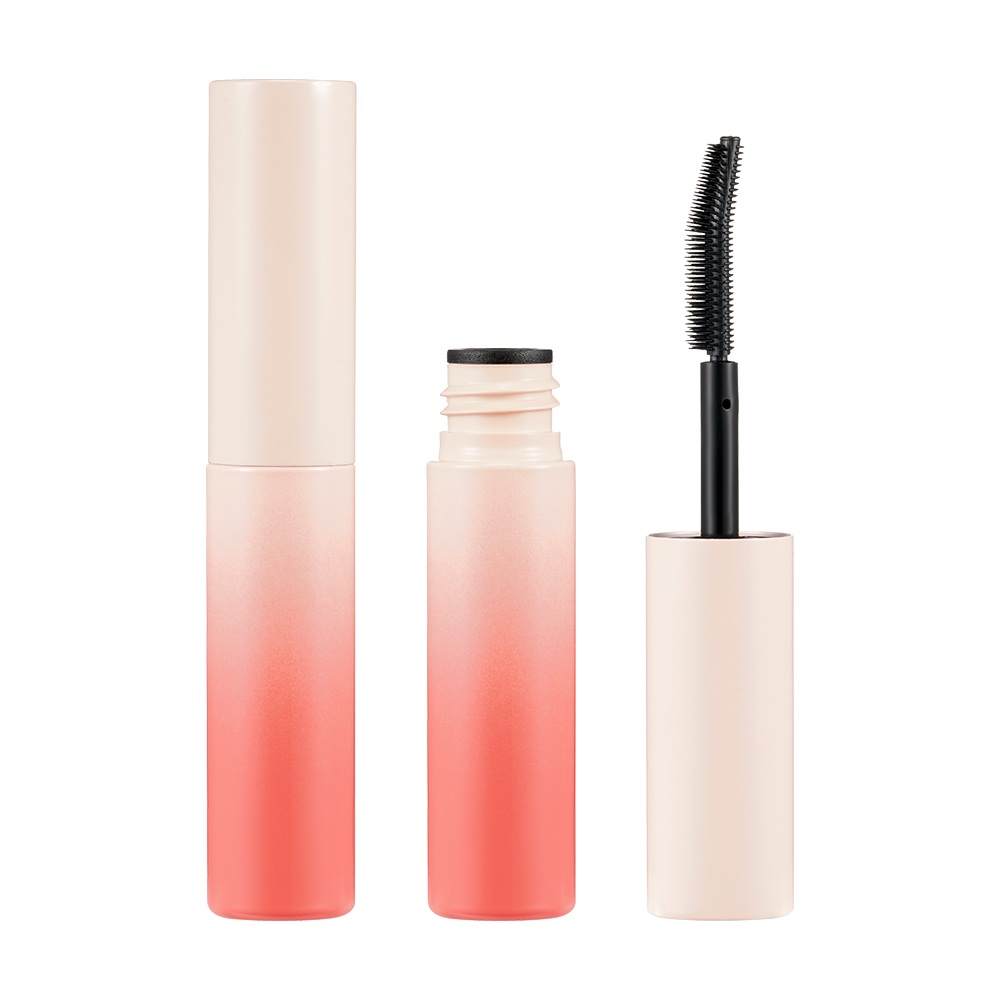
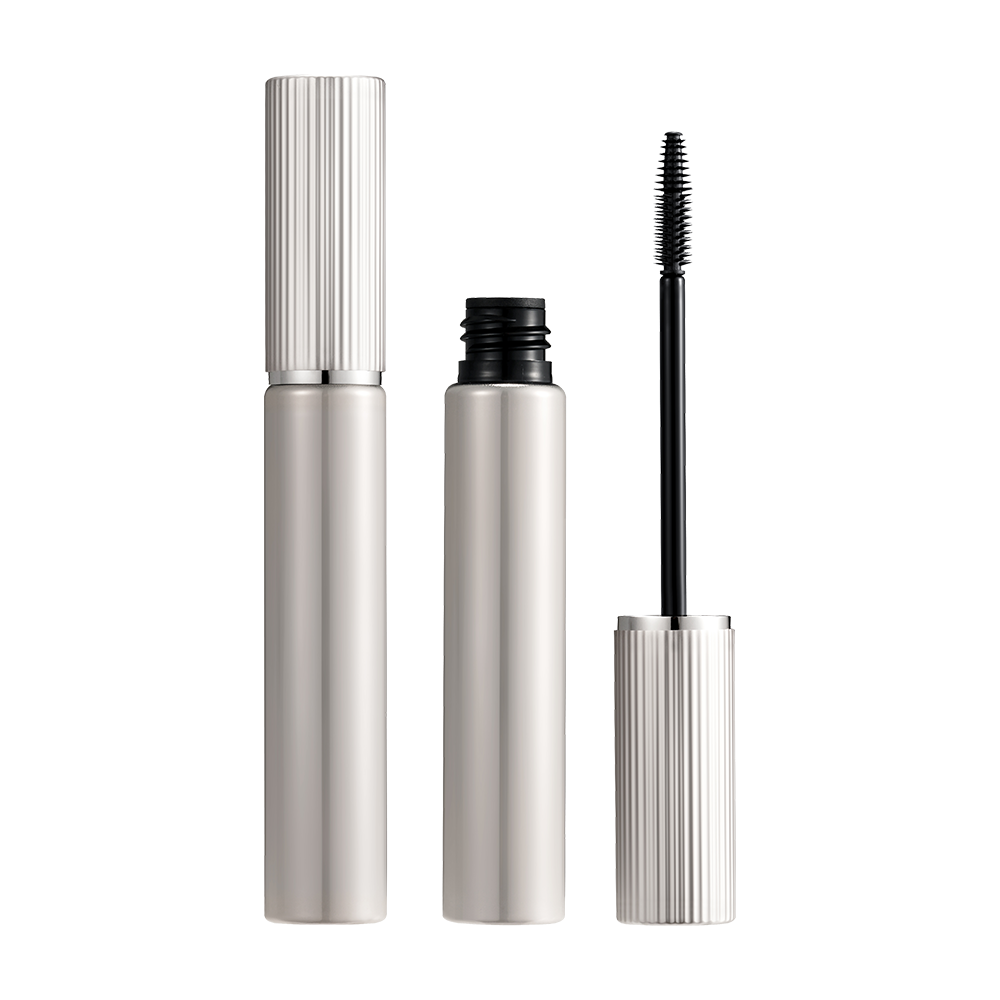
The aluminum surface accepts a wide range of premium finishing treatments that create visual and tactile effects impossible to achieve on injection-molded plastic:
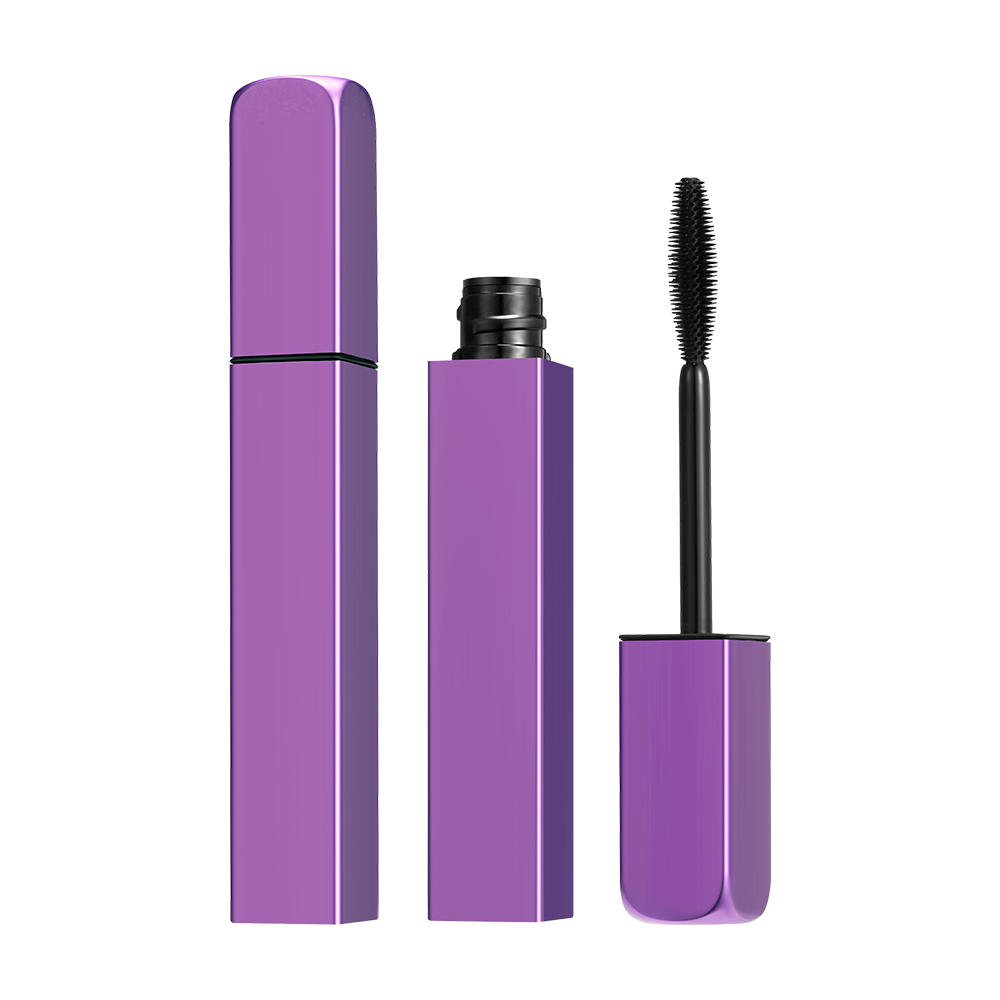
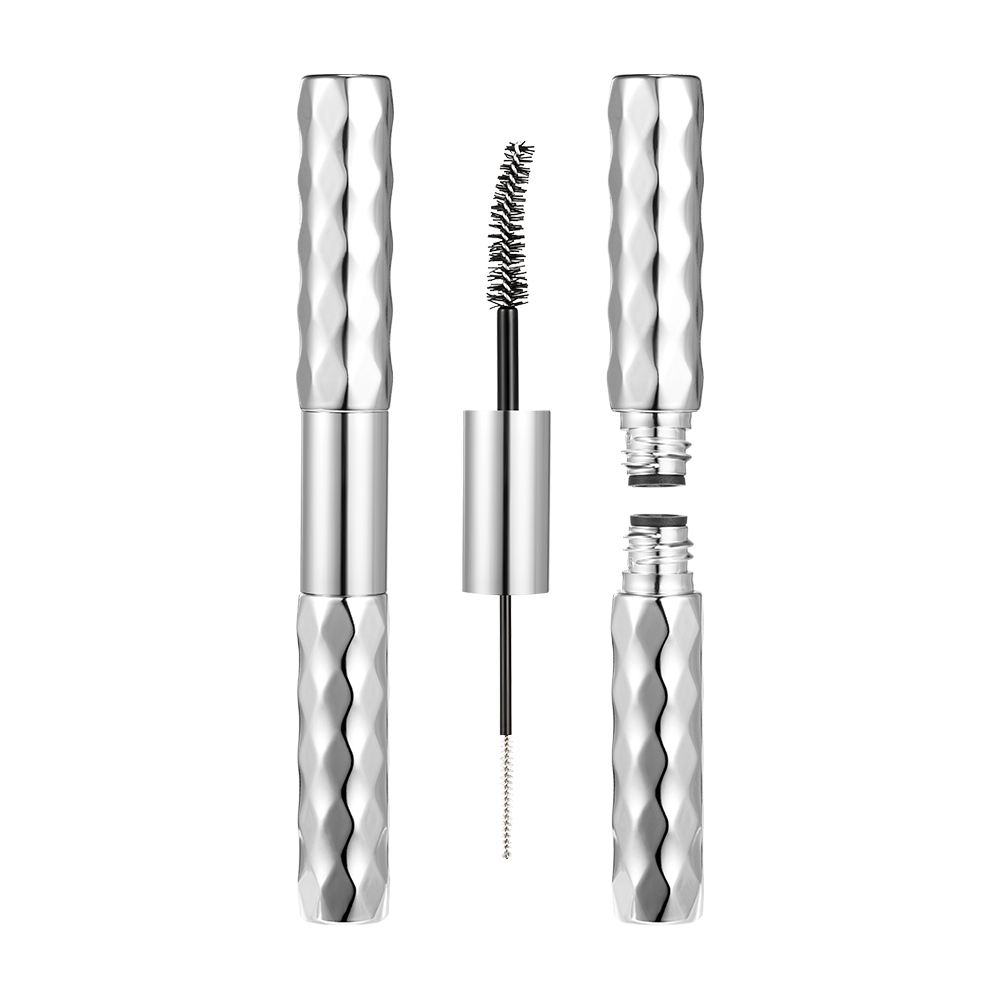
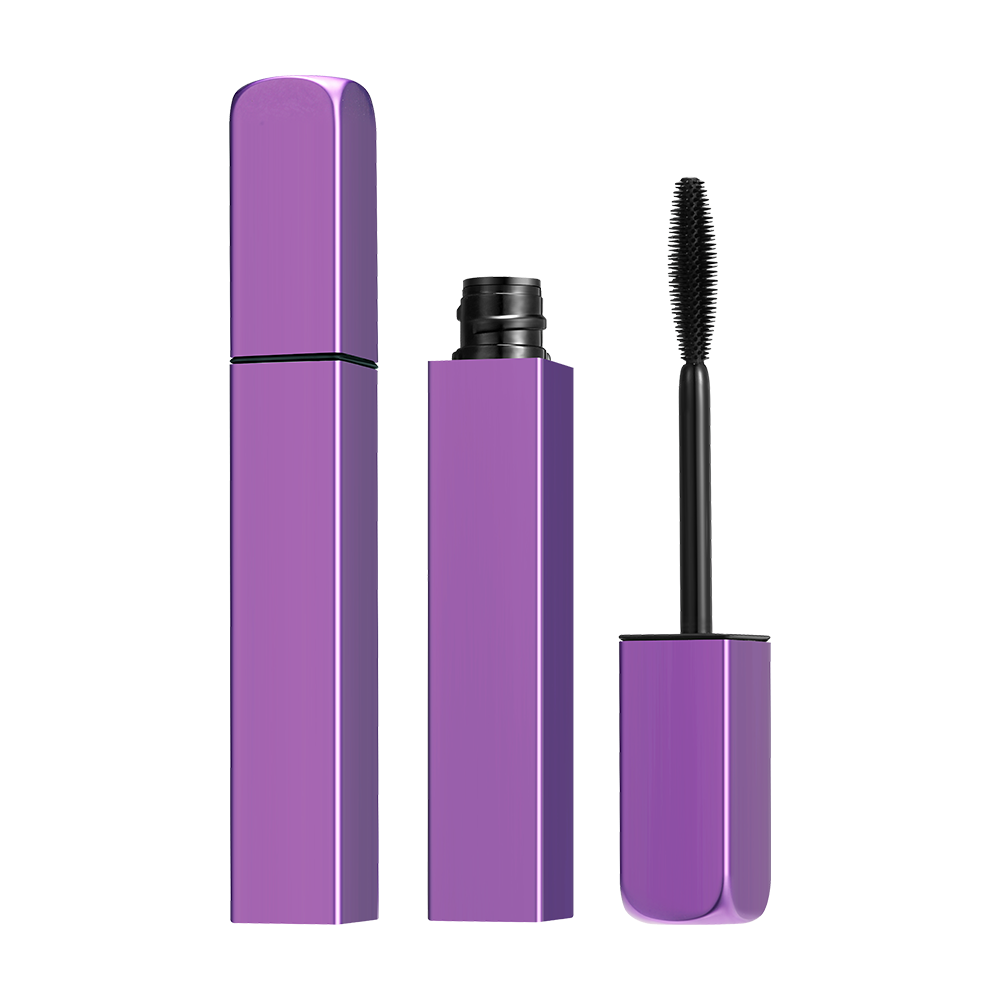
Unlike plastic mascara tubes where production tooling constraints typically limit shapes to round cylinders, aluminum mascara tubes are available in multiple cross-sectional shapes — including round, square, triangular, oval, and custom geometric forms. These shape variations provide an additional dimension of visual differentiation on-shelf, allowing brands to create packaging silhouettes that are immediately recognizable and proprietary to their product line.
Empty aluminum mascara tubes provide cosmetic brands with a highly customizable packaging platform that supports differentiation at every level — from tube geometry and surface finish to brush configuration and closure design.
The mascara brush is the primary determinant of the application experience and the results the formula delivers. Aluminum tube suppliers offering extensive brush libraries allow brands to match the brush specification precisely to their formula viscosity and the lash effects they want to deliver:
For brands developing custom mascara products, aluminum tube suppliers can customize tube dimensions, fill volume (typically 6ml to 15ml), wiper aperture diameter to control formula dispensing, cap style (standard screw, snap-fit, or magnetic closure), and surface decoration — providing a complete proprietary packaging solution built around the brand's specific formula and market positioning.
Aluminum is chemically inert to the vast majority of cosmetic mascara formula components. It does not react with the pigments, film-forming polymers, waxes, conditioning agents, or preservative systems used in modern mascara formulations — meaning the packaging material does not contaminate, discolor, or chemically alter the formula over its shelf life.
For formulas with high pigment loads — such as intensely black or vibrant colored mascaras — aluminum's inertness prevents the packaging material from leaching chemicals that could affect color accuracy or formula stability. Some plastic tube materials contain plasticizers or stabilizers that can migrate into formula over time, particularly at elevated storage temperatures; aluminum presents no such risk.
Where additional protection is required for specific formula chemistries, the interior of aluminum mascara tubes can be coated with a food-grade lacquer or PTFE liner — providing a completely inert inner surface compatible with even the most chemically sensitive natural or certified organic mascara formulations.
While the unit cost of aluminum mascara tubes is typically higher than standard plastic alternatives at equivalent volumes, the total cost picture across the product development lifecycle is more favorable to aluminum than unit cost alone suggests.