Hello Ningbo Huiho Cosmetics Packaging Co., Ltd. - China Mascara Tubes Packaging Manufacturers


Empty lip gloss tubes come in several main types: doe-foot wand tubes, squeeze tubes, twist-up tubes, roll-on tubes, and pump tubes. Each type differs in applicator design, material, and dispensing mechanism, making them suitable for different formulas, usage scenarios, and branding goals. Choosing the right type directly affects product performance, shelf appeal, and customer experience.
Content
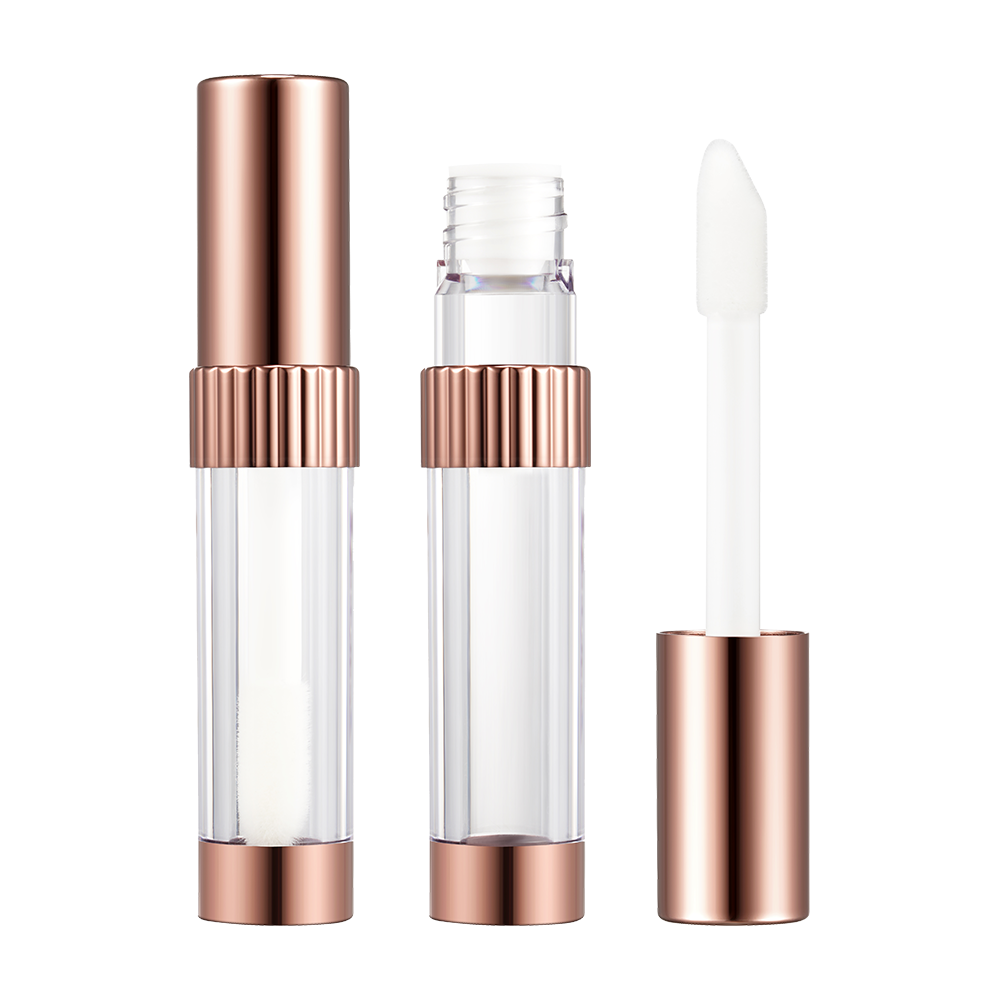
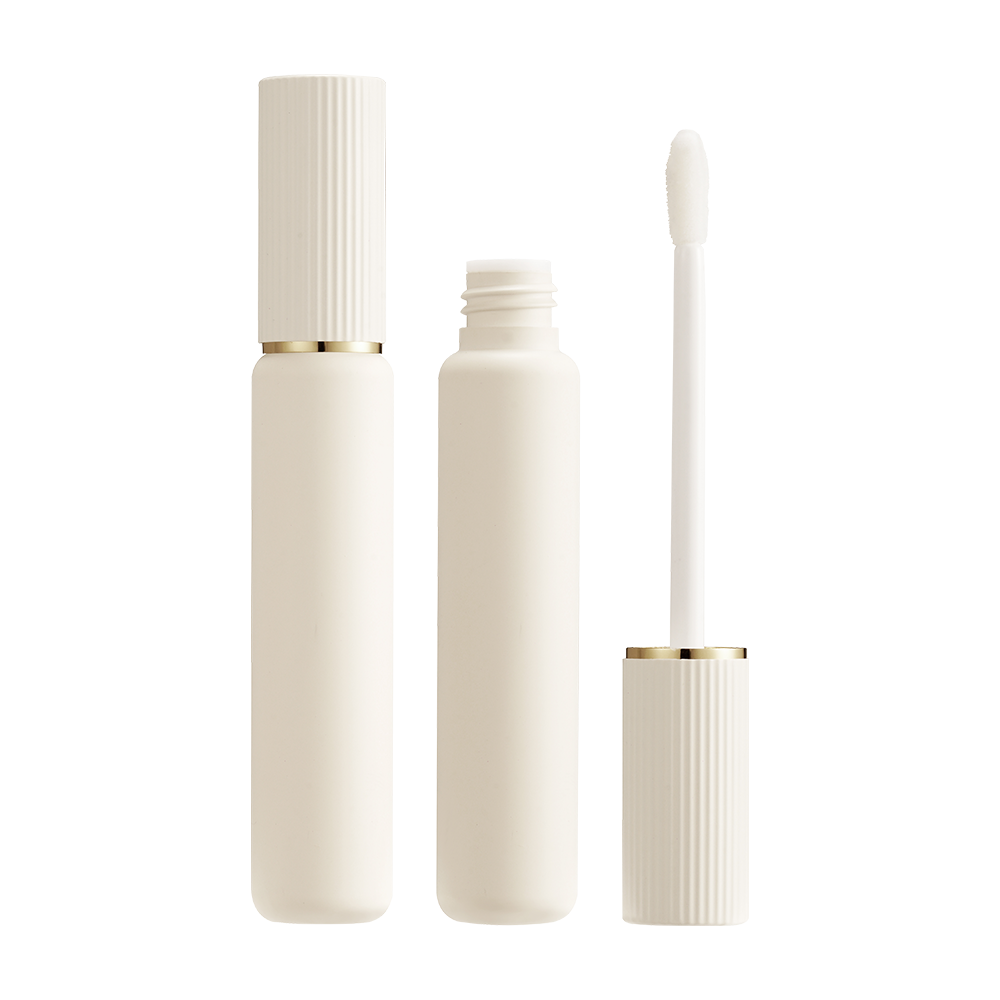
Doe-foot wand tubes are the most widely used type in the lip gloss industry, accounting for a dominant share of retail and private-label gloss products. They consist of a cylindrical tube with a tight-fitting cap attached to a flexible doe-foot applicator wand.
These tubes are ideal for glossy, sheer, or tinted formulations. The doe-foot shape allows precise application along the lip line. They are available in round, oval, and square cross-section profiles to differentiate brand packaging.
Squeeze tubes are flexible, soft-bodied containers that dispense product when gently compressed. They are popular for thicker gloss formulas, lip balm hybrids, and plumping glosses that are too viscous for a standard wand.
Squeeze tubes can be fitted with pointed nozzle tips, brush tips, or open-end nozzles. Fill capacities typically range from 5 ml to 30 ml, making them a flexible option for both travel-size and full-size products. They can be printed directly or labeled with shrink sleeves.
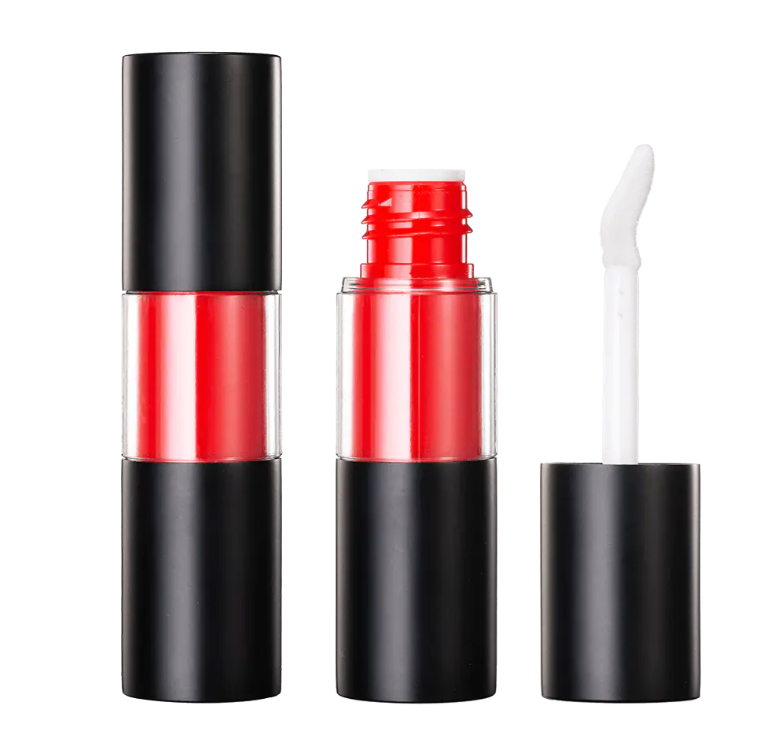
Twist-up tubes use a rotating base mechanism to push product upward through a nozzle or applicator opening. They are commonly associated with crayon-style lip glosses, lip oils with solid bases, and balm-gloss hybrids.
These containers are particularly suitable for semi-solid or waxy formulations. The twist mechanism provides controlled, mess-free dispensing and a perceived premium experience. A typical twist-up lip gloss tube holds between 2 g and 5 g of product. The nozzle can be bullet-shaped, flat, or angled for different application styles.
Roll-on tubes feature a rotating ball at the tip — similar in mechanism to a roll-on deodorant — that transfers product from the tube to the lips. They are primarily used for hydrating lip oils, plumping serums, and sheer glossy treatments.
The rolling ball creates a unique, massaging application experience that appeals to skincare-minded consumers. Ball materials include stainless steel, glass, and plastic, each providing a different tactile feel. Stainless steel balls are preferred for their cooling effect and premium perception.
Fill volumes for roll-on lip tubes typically range from 5 ml to 15 ml. The product formula must be sufficiently fluid to pass through and coat the ball; viscosity above approximately 500 cP can cause dispensing issues.
Pump tubes incorporate an airless or standard pump mechanism to dispense a measured dose of product with each press. They are gaining popularity for high-end lip serums, plumping glosses, and clinical lip treatments where dose control and hygiene are priorities.
Pump tubes often carry a higher unit cost — typically 2x to 4x the price of basic wand tubes — but justify the premium through superior shelf presence and product preservation. Fill capacities range from 10 ml to 50 ml for retail formats.
| Type | Best For | Typical Fill Volume | Formula Viscosity | Cost Level |
|---|---|---|---|---|
| Doe-Foot Wand | Standard gloss, tinted gloss | 3–10 ml | Low to medium | Low |
| Squeeze Tube | Thick gloss, balm-gloss | 5–30 ml | Medium to high | Low to medium |
| Twist-Up Tube | Semi-solid, crayon-style gloss | 2–5 g | Semi-solid | Medium |
| Roll-On Tube | Lip oil, hydrating treatment | 5–15 ml | Low (fluid) | Medium |
| Pump Tube | Lip serum, active-ingredient gloss | 10–50 ml | Low to medium | High |
Regardless of tube type, the material used affects safety, aesthetics, sustainability, and compatibility with the gloss formula. The three most common materials are:
PCR plastics and bio-based materials are increasingly available across all tube types as brands respond to sustainability demands. Some manufacturers now offer tubes with over 50% recycled content without compromising clarity or structural integrity.
Beyond the five core types, several specialty formats exist for niche or trend-driven product lines:
These tubes hold two separate formulas in divided chambers that mix at the applicator tip. They are used for two-tone glosses, primer-and-gloss combos, or products where active ingredients must be kept separate until application.
These feature a sponge or cushion tip instead of a doe-foot wand. The cushion absorbs and releases product evenly, providing a bouncy, buildable application effect. They have grown in popularity alongside the influence of cushion-format cosmetics from East Asian beauty markets.
A variation on the standard wand tube, the flat oval body provides a larger grip surface and a wider applicator. Flat oval tubes are frequently selected for plumping glosses, as the wider wand shape visually emphasizes coverage and volume delivery.
Selecting the appropriate tube type requires matching several variables: formula viscosity, target price point, brand aesthetic, and minimum order quantity (MOQ). Below are practical decision criteria: