Hello Ningbo Huiho Cosmetics Packaging Co., Ltd. - China Mascara Tubes Packaging Manufacturers


Aluminum Mascara Tubes serve five core purposes: protecting the mascara formula from air, light, and moisture degradation; preserving airtightness to prevent the product from drying out between uses; providing a durable container that survives repeated handling and travel; delivering a premium tactile and visual brand presentation; and offering a fully recyclable packaging solution that supports sustainability commitments. APG Packaging confirms that aluminum tubes improve shelf life, provide durability, and reduce waste compared to other packaging solutions, while protecting sensitive ingredients from air, light, and moisture (Source: APG Packaging, What Are the Benefits of Using Aluminum Tubes for Cosmetics). For mascara specifically, where formula consistency, contamination prevention, and airtight sealing are critical to product performance, aluminum delivers functional advantages that plastic tubes struggle to match across all five dimensions simultaneously.
Content
The most technically important purpose of an aluminum mascara tube is barrier protection. Mascara formulas are water-based emulsions containing pigments, polymers, waxes, and conditioning agents that degrade rapidly when exposed to air, light, or moisture intrusion. The packaging is the primary line of defense between those sensitive ingredients and the environmental factors that would break them down.
InSpec Solutions states that aluminum offers formidable barrier properties against air, moisture, and light, which are three of the most significant factors in the degradation of cosmetic products, making aluminum one of the strongest available barrier materials in cosmetic packaging (Source: InSpec Solutions, From Form to Function: The Sustainable Allure of Aluminum Skincare Tubes). The Packaging Company adds that aluminum can provide a strong barrier against light, oxygen, and external exposure depending on the structure and internal coating, and that this is particularly valuable for formulas that are more sensitive or active-based (Source: The Packaging Company, Aluminum Cosmetic Tubes: Barrier, Finish and Formula Guide).
For mascara, this barrier function translates directly to product performance. A formula that loses moisture to vapor transmission through the container wall will thicken, clump, and eventually become unusable before its labeled expiry date. A formula exposed to UV light through a transparent or semi-transparent container may experience ingredient degradation that changes color, texture, or efficacy. Aluminum eliminates both risks by being completely opaque and essentially impermeable to gas and vapor transmission.
Plastic tubes, including those made from standard polyethylene or polypropylene, allow measurable gas and vapor permeation through their walls over time. Aluminum has zero gas permeability when properly formed and sealed, which is why pharmaceutical packaging has relied on aluminum tubes for oxygen-sensitive and moisture-sensitive products for decades before the cosmetics industry adopted the material more widely. TOPFEEL notes that high-purity aluminum alloy forms a strong barrier layer against light, air, and moisture, and that cosmetic brands choosing aluminum tubes do so because metal packaging naturally blocks light and oxygen better than many plastic options (Source: TOPFEEL, Aluminum Tubes for Cosmetics vs. Plastic). For mascara brands positioning their products as long-lasting, clinically effective, or preservative-free, this barrier superiority is not an abstract benefit but a prerequisite for delivering on those product claims.
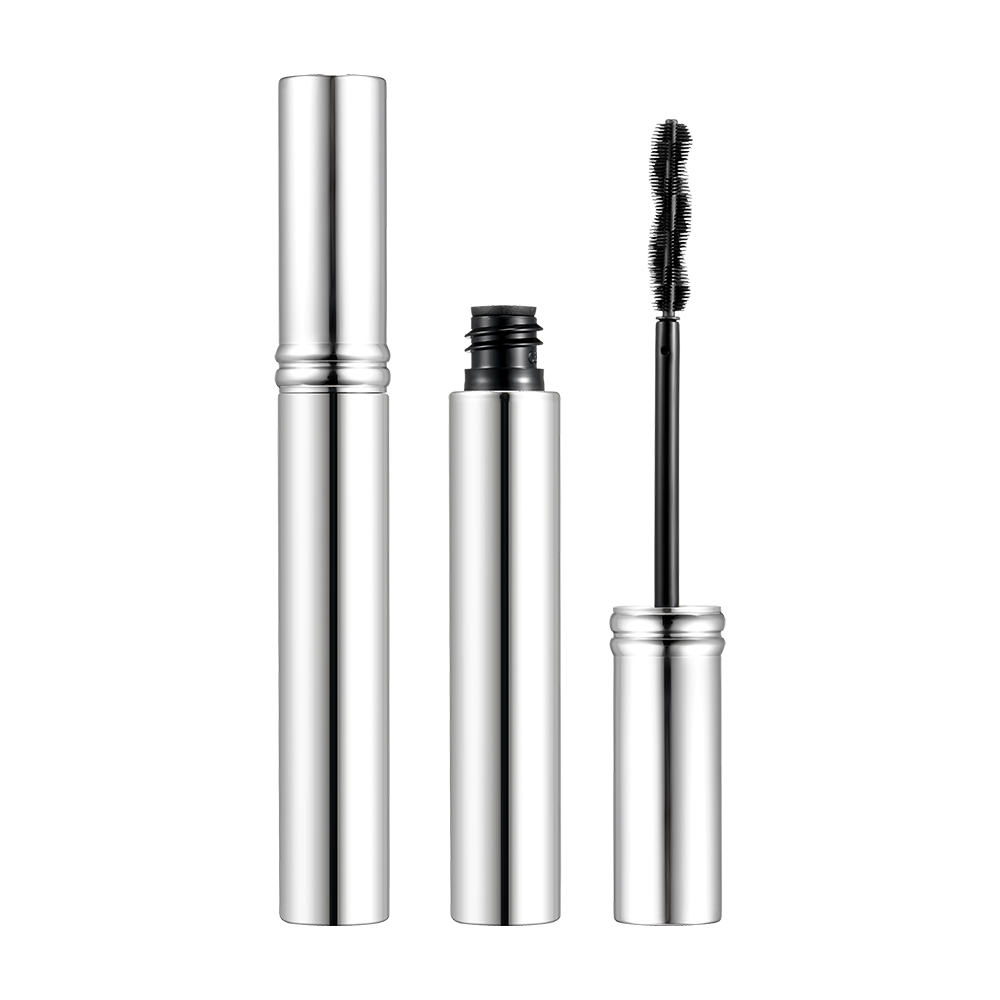
Mascara is applied once or twice daily and stored between applications, often for several months. Every time the wand is removed and replaced, some air enters the tube. Every minute the tube sits open or improperly sealed, evaporation from the formula occurs. The airtightness of the tube itself determines how quickly this cumulative exposure degrades the product between uses.
Aluminum mascara tubes are specifically recognized for their airtight construction. Keyo Pack notes that the excellent airtightness and barrier property of aluminum tubes prevent mascara paste from drying out and caking, directly addressing the most common in-use failure mode of mascara products (Source: Keyo Pack, Application of Aluminum Tubes in Cosmetic Packaging). This is confirmed by Ningbo Huiho's own technical specifications, which state that their aluminum mascara tubes have very good air tightness that can effectively prevent the inner material from volatilizing and drying (Source: Ningbo Huiho Cosmetics Packaging, nb-huihe.com).
The airtight advantage is also relevant for preservative systems. Many contemporary mascara formulas reduce or eliminate synthetic preservatives as brands respond to consumer demand for cleaner ingredients. Without strong synthetic preservatives, the formula relies more heavily on the packaging to prevent microbial contamination by limiting oxygen exposure. Dr. Hauschka's packaging guidance confirms this directly, noting that for products without synthetic preservatives, aluminum tubes are the preferred packaging because they provide the best product protection and reliably prevent impurities or microorganisms in the air from entering the product when dispensed (Source: Dr. Hauschka, What Are the Benefits and Drawbacks of Aluminium as a Packaging Material).
A mascara tube is one of the most frequently handled cosmetic items in daily use. It is picked up, uncapped, applied, recapped, and set down dozens of times per week across its usage life, and it regularly travels in bags, pouches, and kits where it is compressed, bounced, and exposed to temperature variation. The durability of the tube material directly determines how reliably it maintains its sealing performance and structural integrity through this repeated handling.
Aluminum tubes for cosmetic use are lightweight yet dimensionally stable under pressure, crack-resistant, and capable of maintaining their original shape without the stress-cracking that thermoplastic tubes can develop at connection points and cap threads over time. Keyo Pack describes aluminum mascara tubes as lightweight and durable, pressure-resistant and crack-proof, and easy to carry for travel (Source: Keyo Pack, Application of Aluminum Tubes in Cosmetic Packaging). Ningbo Huiho further notes that unlike plastic tubes, an aluminum tube can almost completely empty when filled with a viscous product, since aluminum deforms permanently without springing back, which means the user can access nearly all of the formula without the tube re-inflating and pulling air into contact with the remaining product (Source: Ningbo Huiho, Benefit of Aluminum Mascara Tube).
The structural integrity of aluminum also supports the precise fitment of the wand seal, brush head, and cap components. A tube that deforms or ovalize under repeated squeezing or external pressure can create gaps between the wand plug and tube opening, breaking the airtight seal that protects the formula. Aluminum's dimensional stability under stress maintains the precise geometry of the tube opening and sealing surfaces throughout the product's use life.
Beyond the functional benefits, the visual and tactile qualities of aluminum mascara tubes serve an equally important brand communication purpose. Packaging in the cosmetics category is one of the primary touchpoints through which consumers perceive quality, effectiveness, and brand identity before any product experience occurs.
Aluminum delivers a weight, surface quality, and metallic finish that plastic cannot replicate at equivalent cost. The Packaging Company notes that unlike standard cosmetic squeeze tubes, aluminum tubes offer a different tactile experience and are well suited to products positioned as treatment-focused, apothecary-style, clinical, or premium (Source: The Packaging Company, Aluminum Cosmetic Tubes: Barrier, Finish and Formula Guide). Keyo Pack's analysis of market trends confirms that over 97 percent full-aluminum structured mascara tubes matched with embossed aluminum caps are building exclusive brand visual features in the high-end cosmetics segment (Source: Keyo Pack, Application of Aluminum Tubes in Cosmetic Packaging).
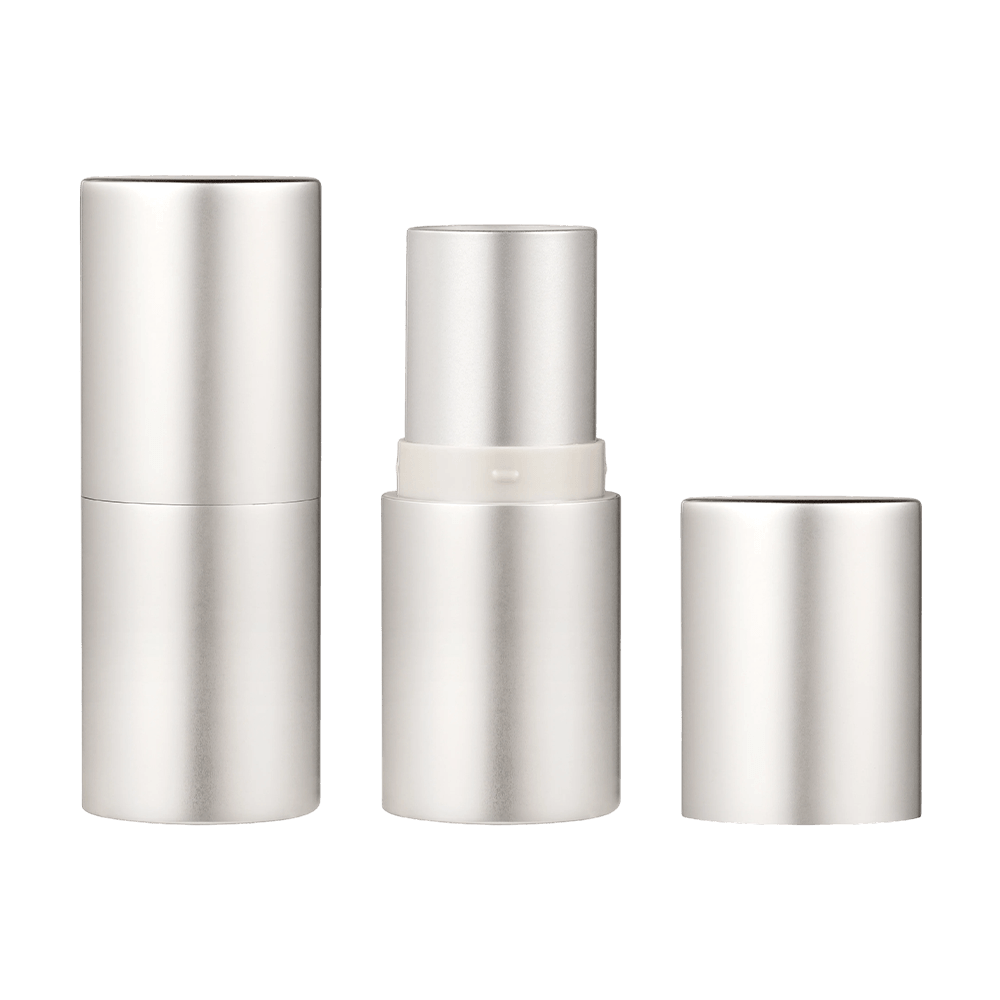
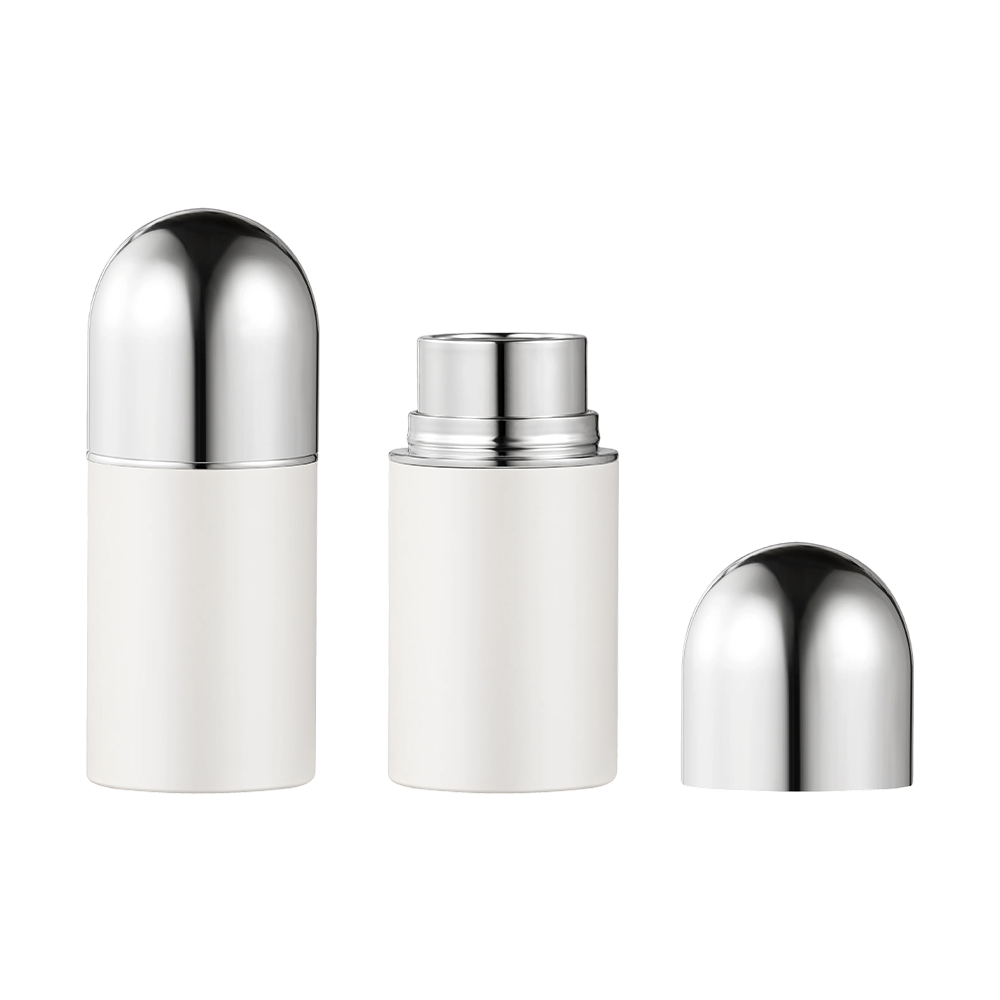
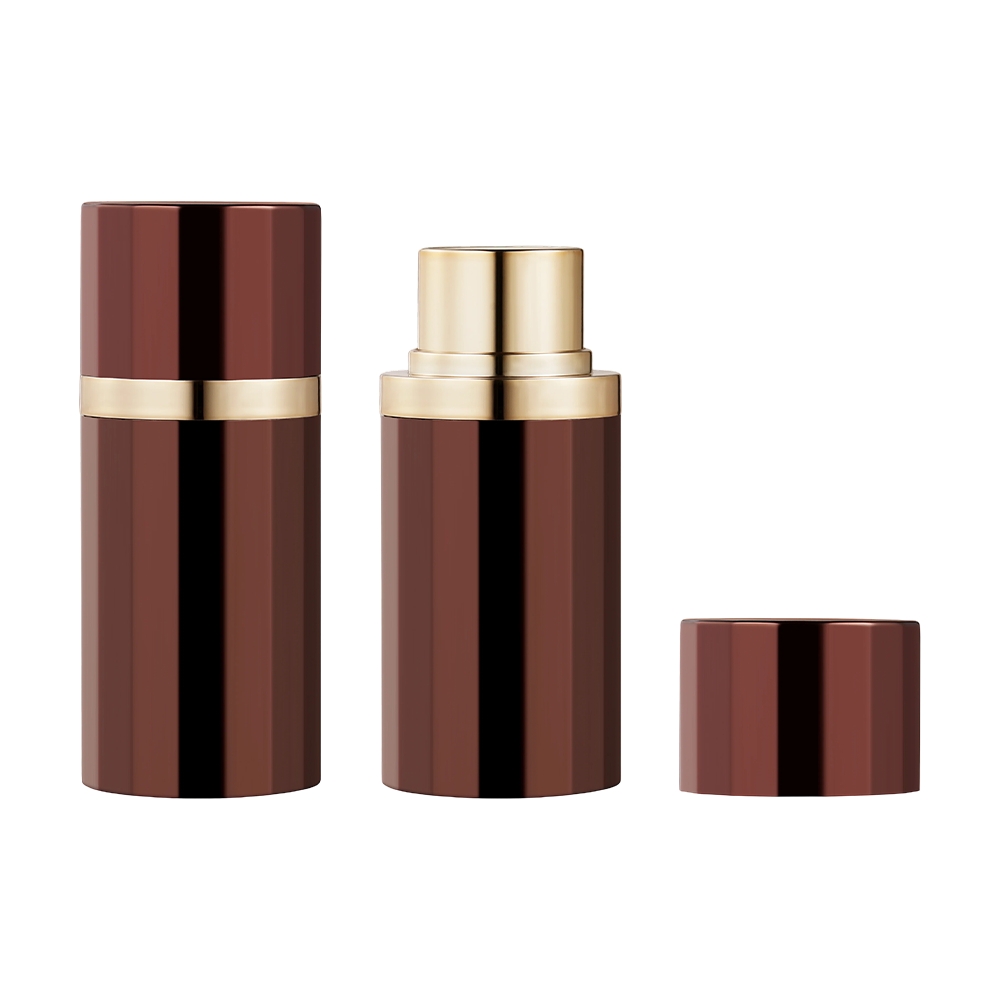
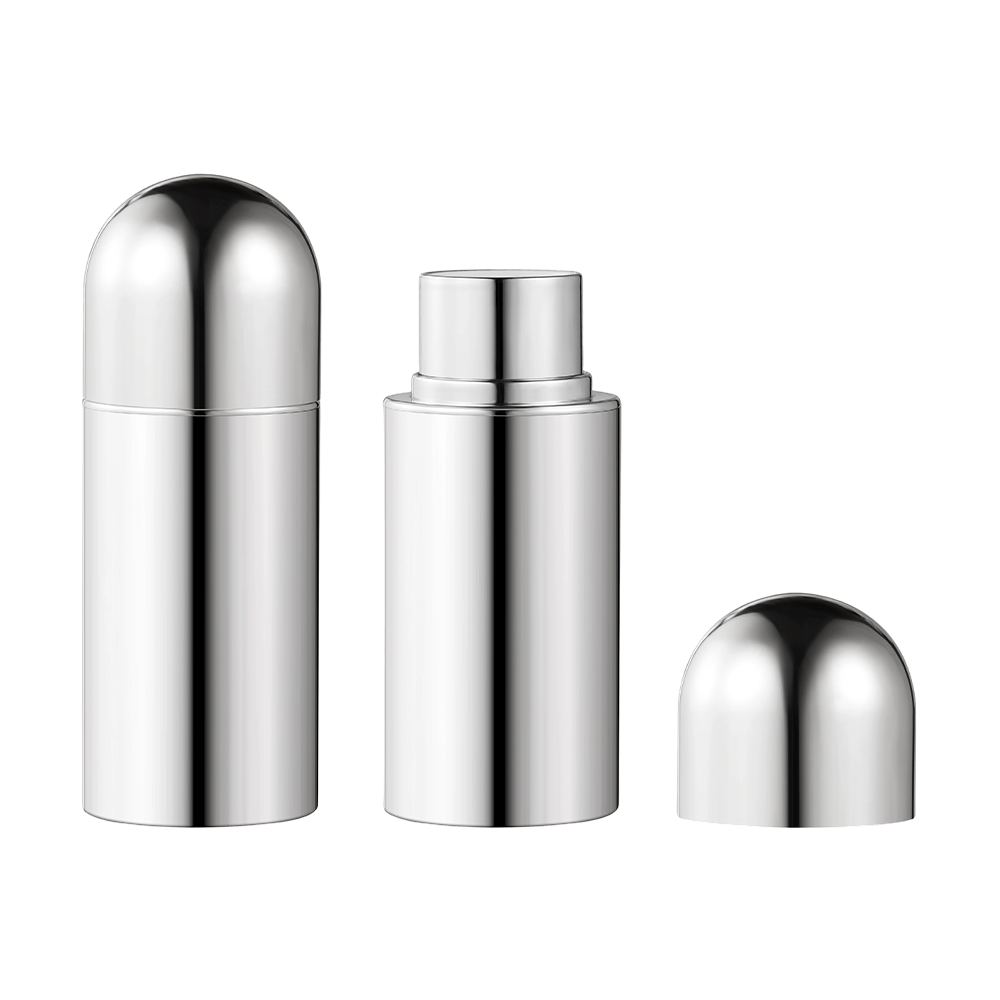
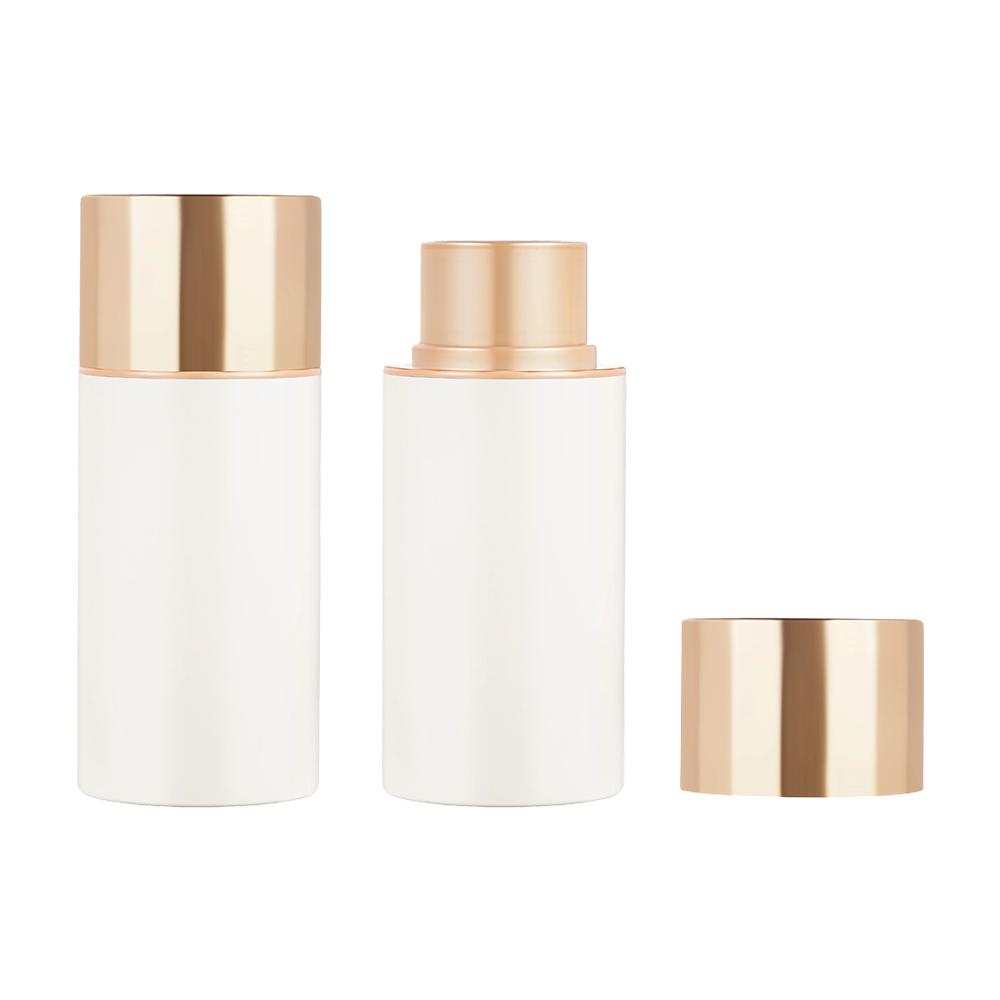
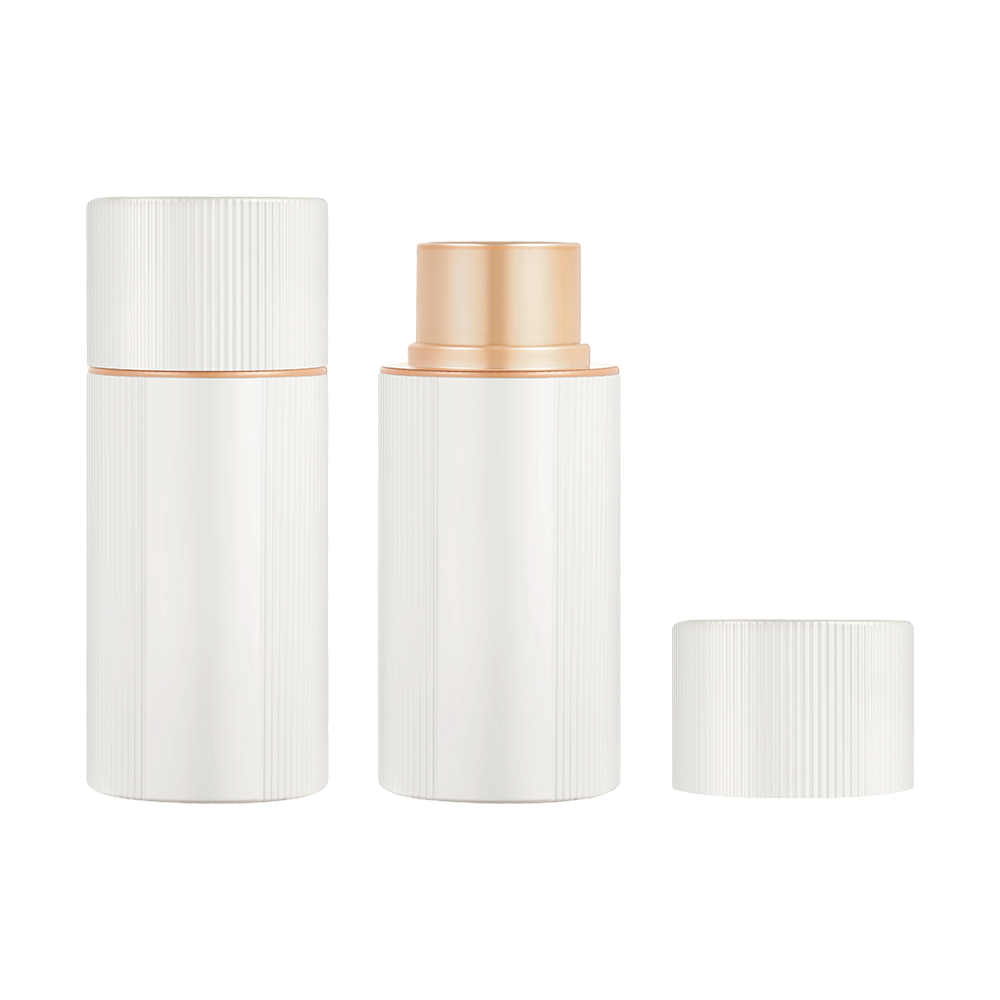
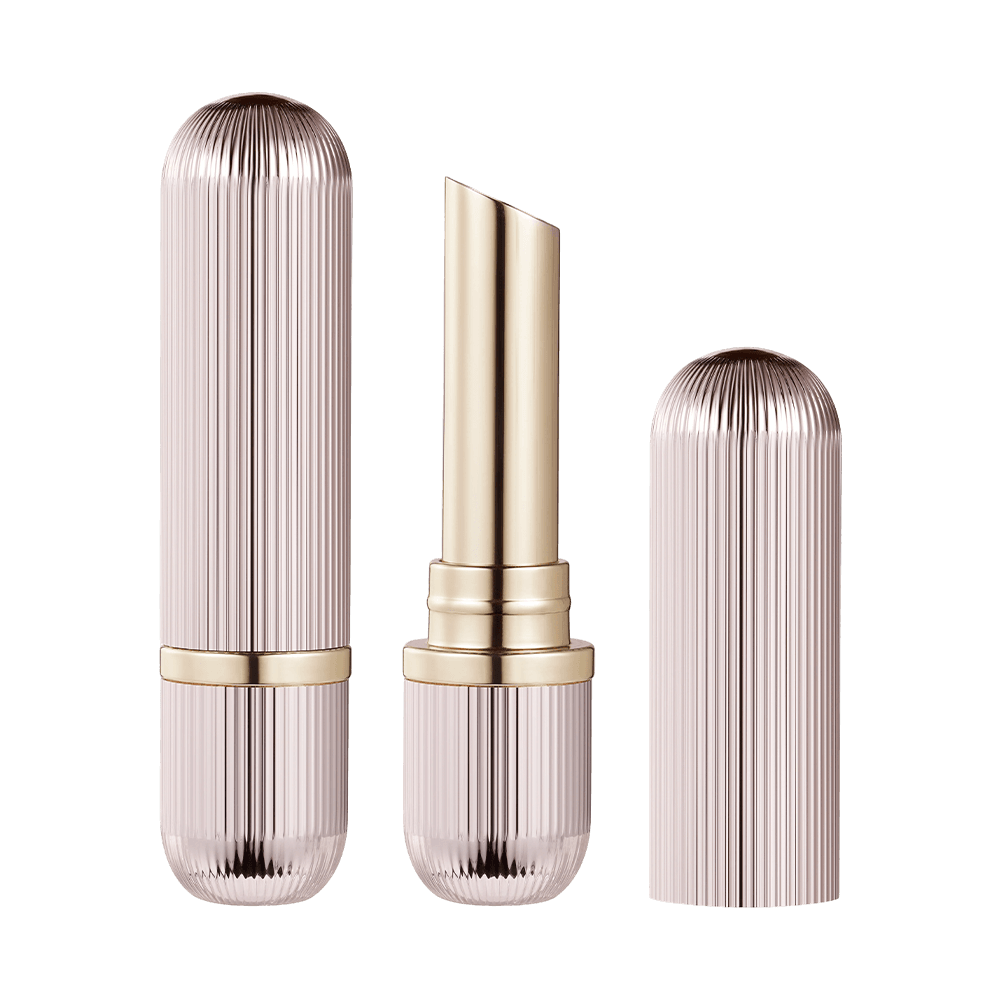
Aluminum accepts a wide range of surface treatments that give brand designers significant flexibility to differentiate packaging across SKUs, product lines, and seasonal launches. The most commonly applied surface treatments for aluminum mascara tubes include oxidation for a matte or satin anodized finish, electroplating for high-gloss metallic effects in silver or gold, powder coating and spray painting for opaque color coverage, laser engraving for permanent pattern or logo decoration, and embossing or debossing for tactile surface texture (Source: APG Packaging, What Are the Benefits of Using Aluminum Tubes for Cosmetics; Ningbo Huiho, product page). These options allow the same fundamental aluminum tube structure to express very different brand aesthetics, from minimalist clinical packaging to ornate luxury finishes, without changing the underlying material or functional performance of the container.
| Surface Treatment | Finish Effect | Common Brand Positioning |
| Oxidation (anodizing) | Matte or satin metallic | Clinical, minimalist, apothecary |
| Electroplating | High-gloss silver, gold, or chrome | Luxury, glamour, prestige |
| Spray painting or powder coat | Opaque color in any tone | Fashion, trend-led, seasonal collections |
| Laser engraving | Permanent pattern or logo | Brand identity, limited editions |
| Embossing or debossing | Raised or recessed surface texture | Premium tactile experience, heritage brands |
Sustainability in cosmetic packaging has moved from a niche positioning attribute to a mainstream consumer expectation and regulatory pressure point. Aluminum has a structural advantage in this context that no common plastic packaging material currently matches.
Aluminum can be recycled and reused an unlimited number of times without any loss of material properties. Ningbo Huiho confirms that aluminum can be recycled and reused a number of times without losing its properties, and that a large amount of this material is currently active in recycling cycles globally thanks to its well-established use in automotive and construction industries (Source: Ningbo Huiho, Benefit of Aluminum Mascara Tube). Beauty Plus Packaging adds that aluminum tubes support sustainability initiatives directly as a recyclable material (Source: Beauty Plus Packaging, Why Are Cosmetic Aluminum Tubes Gaining Popularity in Skincare Packaging). This contrasts with most cosmetic plastic packaging, which undergoes quality degradation through each recycling cycle and is often downcycled rather than recycled into comparable applications.
Keyo Pack's market analysis identifies a clear industry trend: 100 percent recyclable aluminum tubes and low-carbon production technology are becoming mainstream, with demand for high-grade aluminum cosmetic tubes increasing as a result (Source: Keyo Pack, Application of Aluminum Tubes in Cosmetic Packaging). APG Packaging notes that improvements in recycling infrastructure, increased use of recycled material, and the use of recycled aluminum content in new tubes are all accelerating across the industry (Source: APG Packaging, What Are the Benefits of Using Aluminum Tubes for Cosmetics). For cosmetics brands with stated environmental targets, switching from plastic to aluminum mascara tubes provides a packaging change with verifiable, communicable sustainability credentials.
A practical question about aluminum mascara tubes is whether the metal itself is chemically compatible with cosmetic formulas. The answer depends on the internal lining applied to the tube's inner surface before filling.
Bare aluminum can react with acidic or alkaline ingredients found in some cosmetic formulas, which is why food-grade and cosmetic-grade aluminum tubes are manufactured with an internal protective coating. APG Packaging notes that internal coatings and liners such as epoxy phenolic liners keep products safe inside aluminum tubes, and that these liners are required for cosmetic and pharmaceutical applications where formula-to-metal contact must be avoided (Source: APG Packaging, What Are the Benefits of Using Aluminum Tubes for Cosmetics). Beauty Plus Packaging confirms this framing, noting that aluminum packaging is safe for cosmetics provided it is coated internally to prevent product interaction, and that the protective lining ensures the aluminum does not react with the product, preserving quality (Source: Beauty Plus Packaging, Why Are Cosmetic Aluminum Tubes Gaining Popularity in Skincare Packaging).
For mascara specifically, the internal lining also serves the airtightness function by sealing any microscopic surface irregularities in the formed aluminum wall, ensuring that the vapor barrier performance of the tube is maintained at the highest possible level throughout its service life.
Aluminum mascara tubes are available in a range of cross-sectional shapes and sizes that go beyond the standard round cylinder, giving brand designers additional differentiation options at the structural packaging level rather than only through surface treatment.
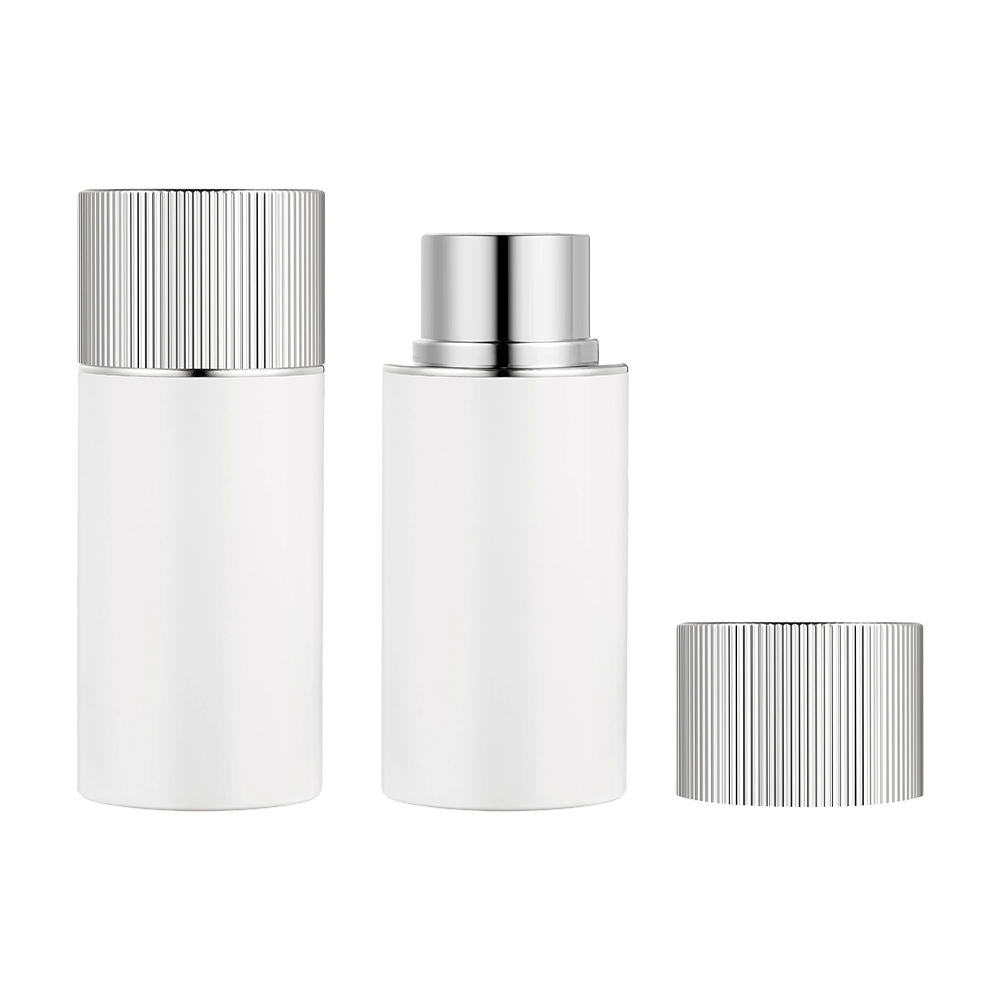
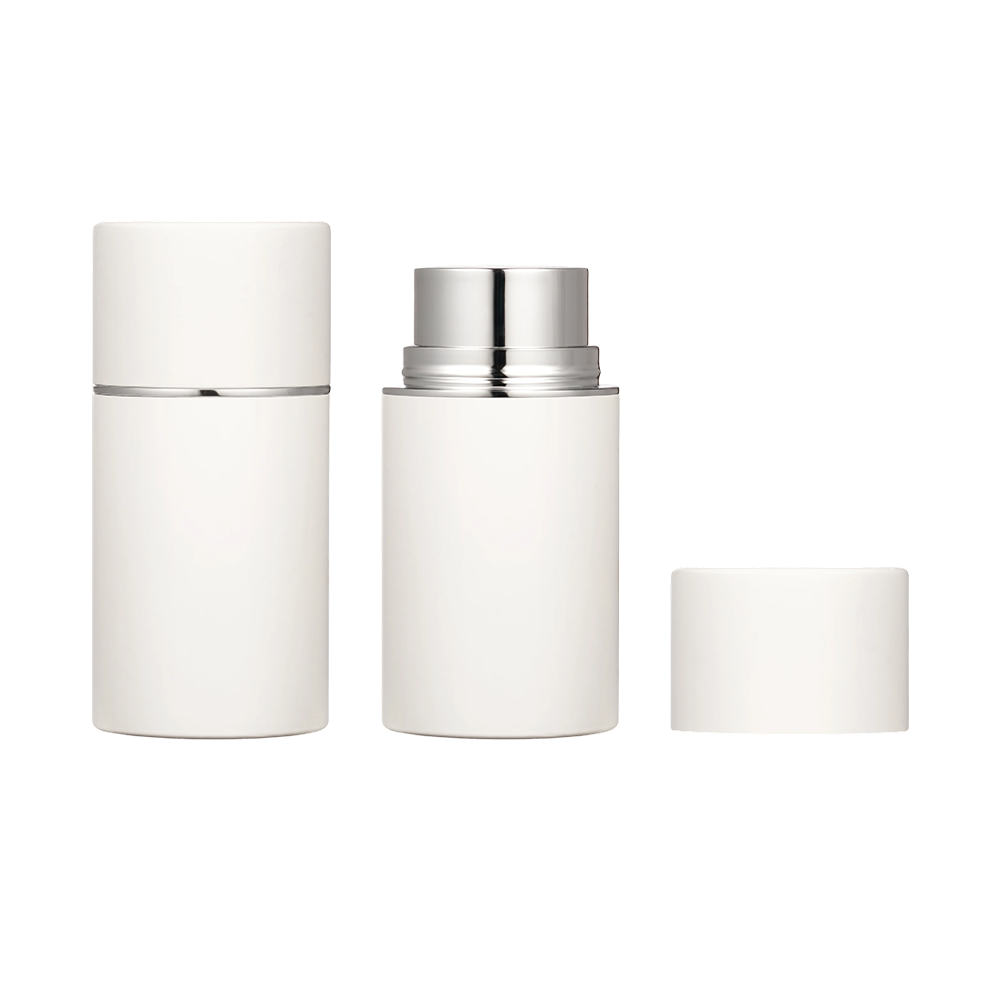
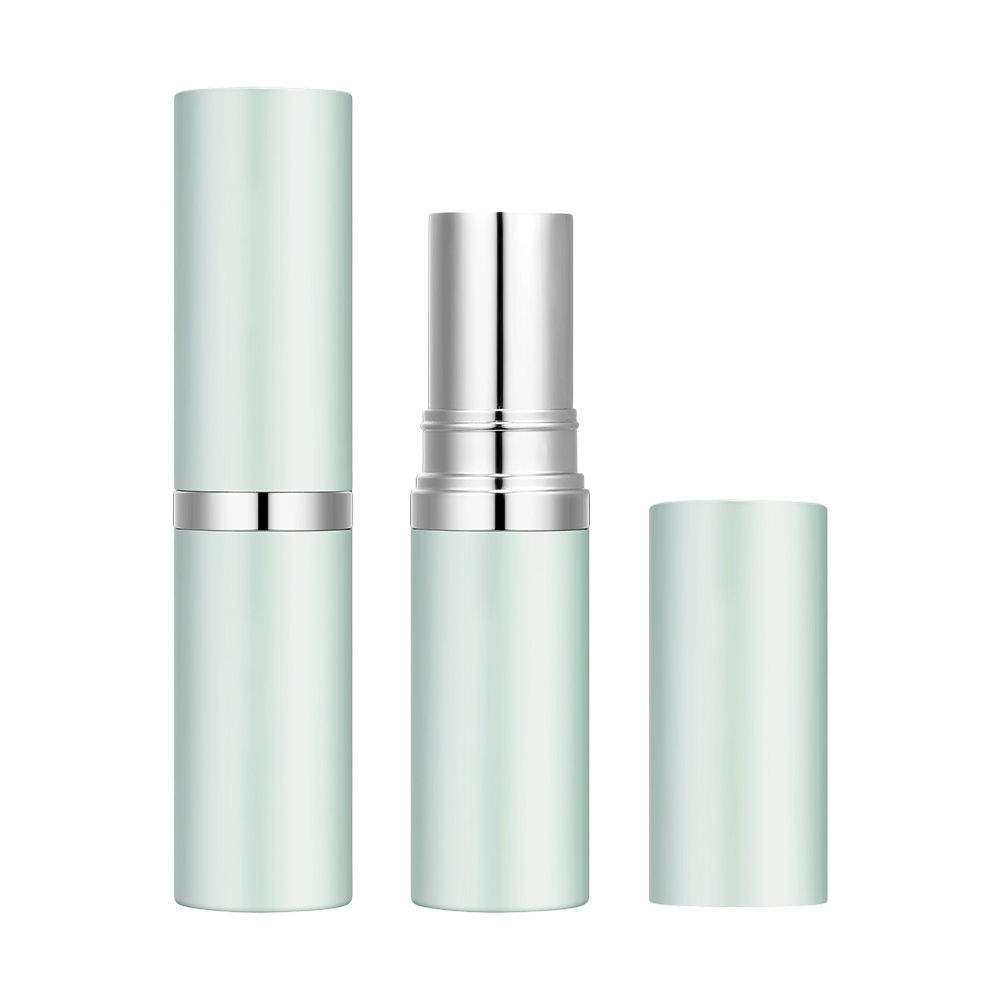
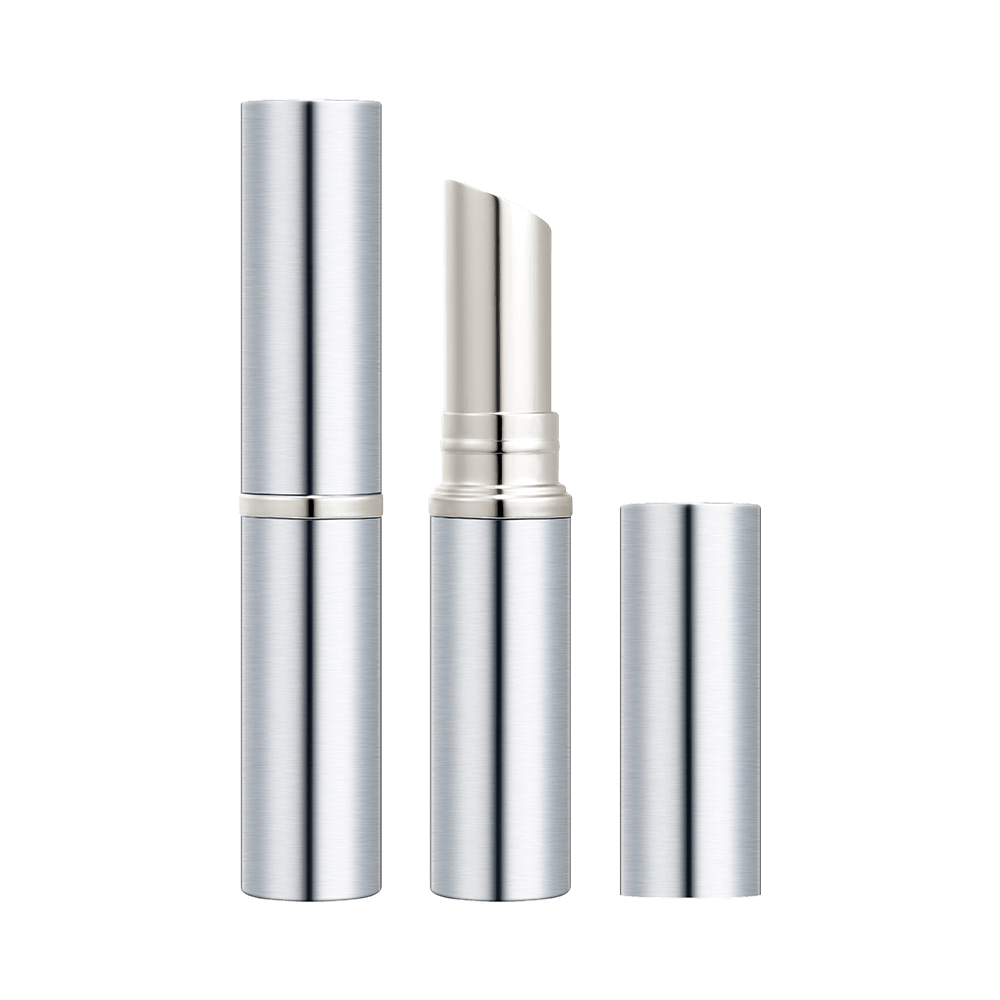
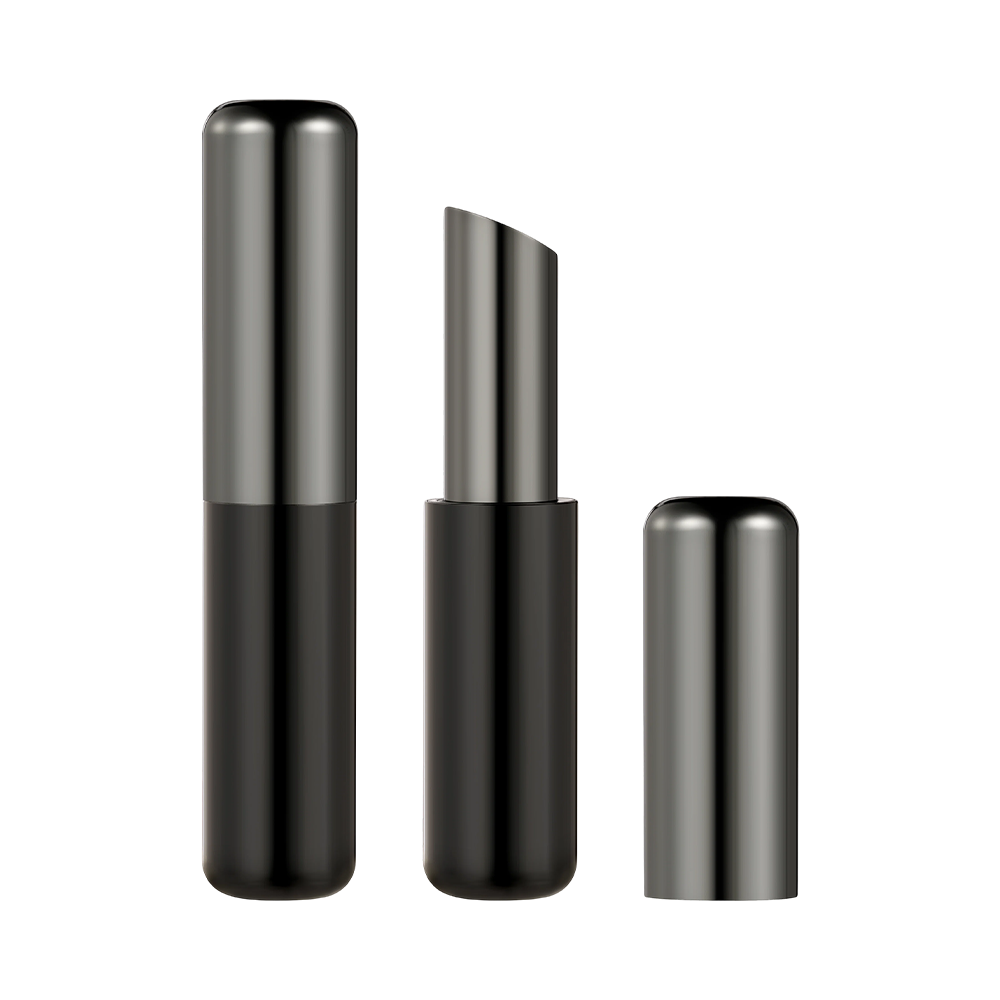
The Huihe Aluminum Mascara Tubes range covers round, square, triangle, and custom formats with surface treatment options including oxidation, spraying, electroplating, and laser engraving, allowing brand teams to specify both the structural format and the surface finish in a single supplier relationship rather than coordinating between separate tube fabricators and decorators (Source: Ningbo Huiho, nb-huihe.com product page).