Hello Ningbo Huiho Cosmetics Packaging Co., Ltd. - China Mascara Tubes Packaging Manufacturers


For most cosmetic brands targeting mid-range to premium market positioning, empty aluminum lipstick tubes hold a clear advantage over plastic tubes — delivering superior perceived quality, a premium tactile experience, better durability, and significantly stronger environmental credentials. Plastic lipstick tubes retain genuine advantages in unit cost and design flexibility at entry-level price points, and remain the practical choice when budget is the primary constraint. The right selection depends on your brand's market positioning, target consumer, sustainability commitments, and production volume.
Content
The performance differences between aluminum and plastic lipstick tubes trace back to the intrinsic properties of their base materials — properties that affect everything from how the tube feels in the hand to how it responds to heat, impact, and years of daily use.
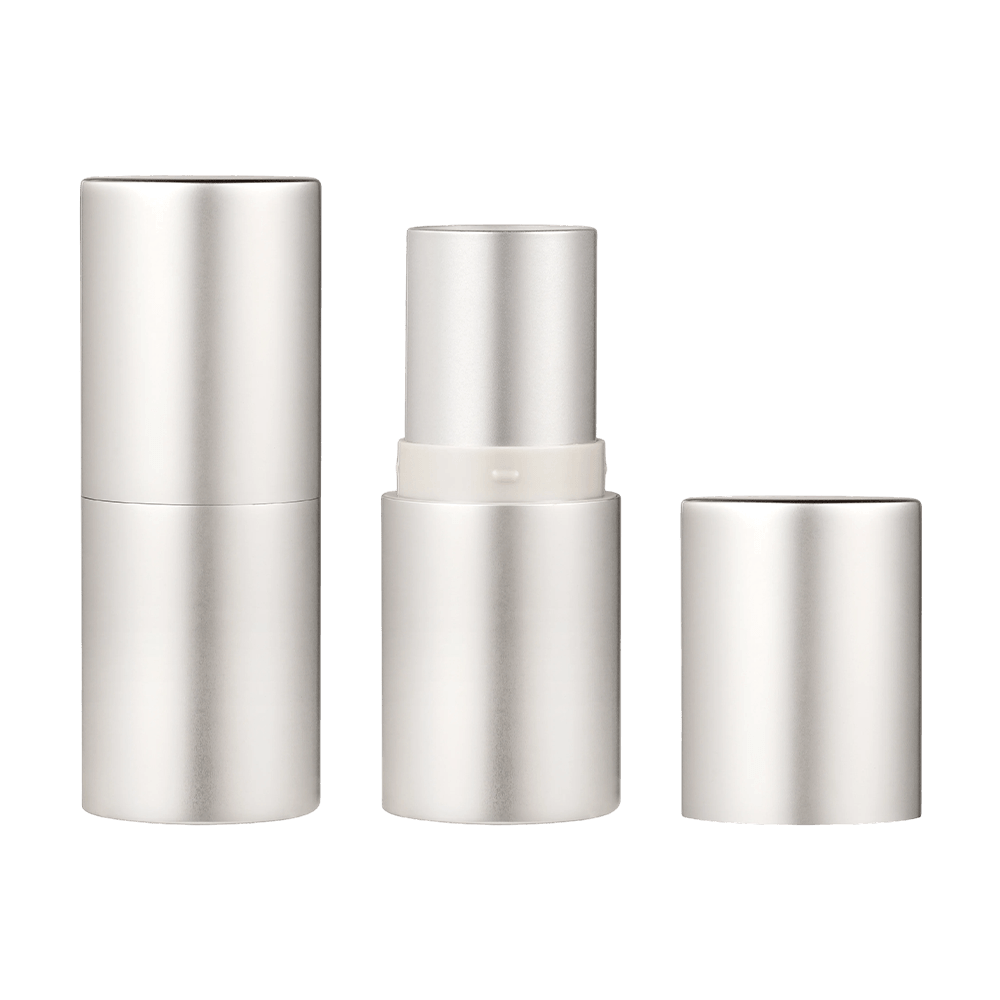
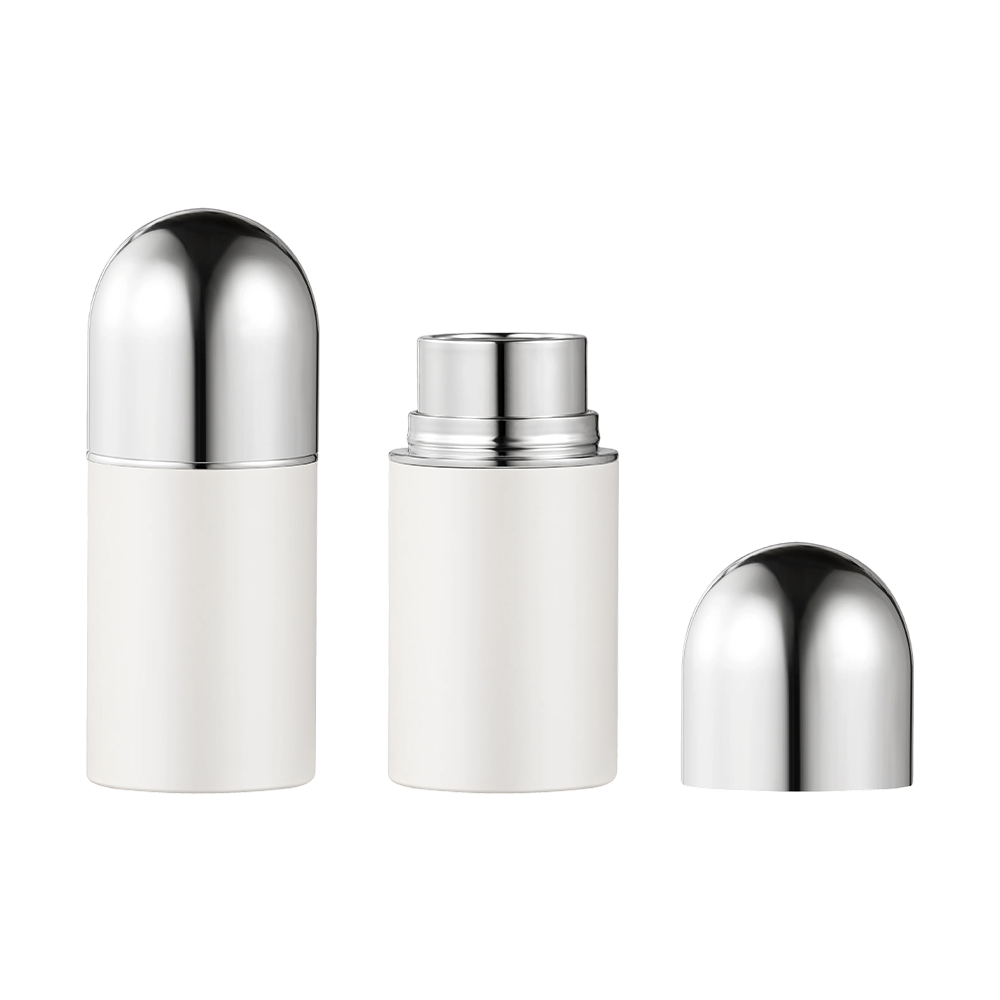
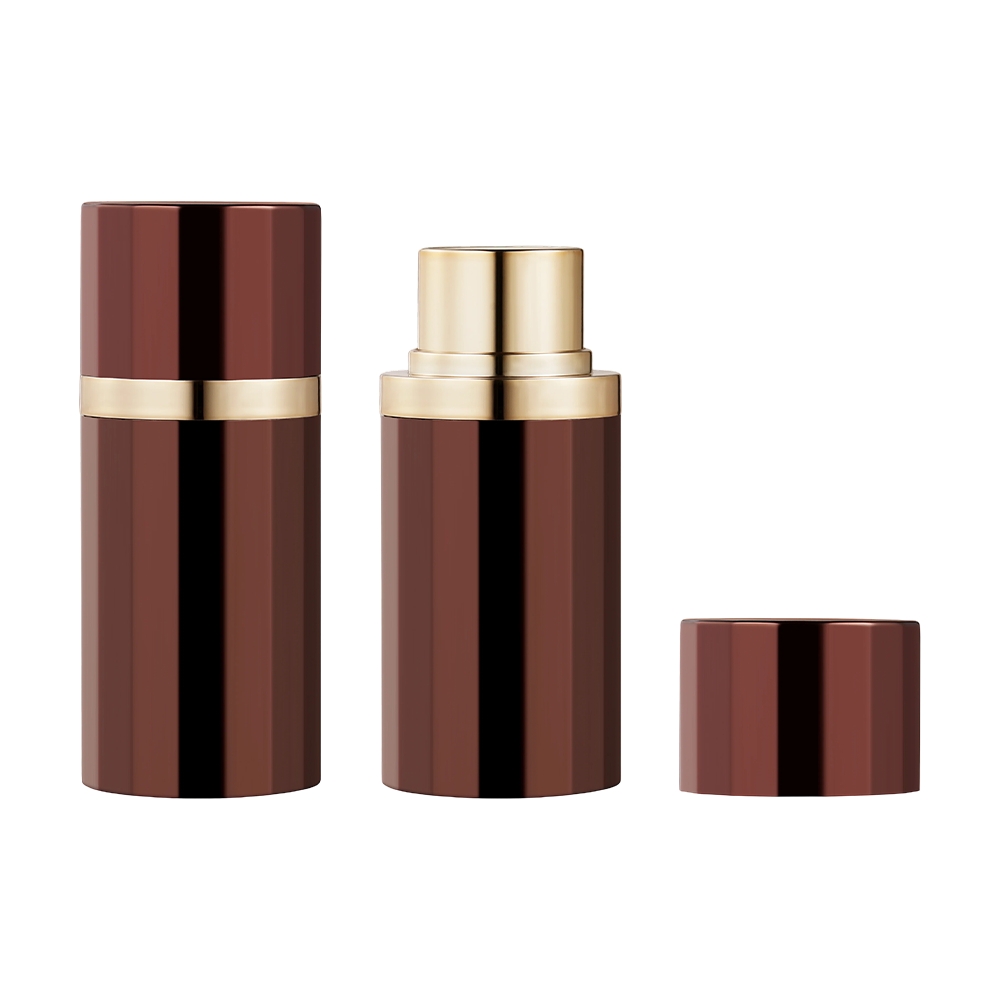
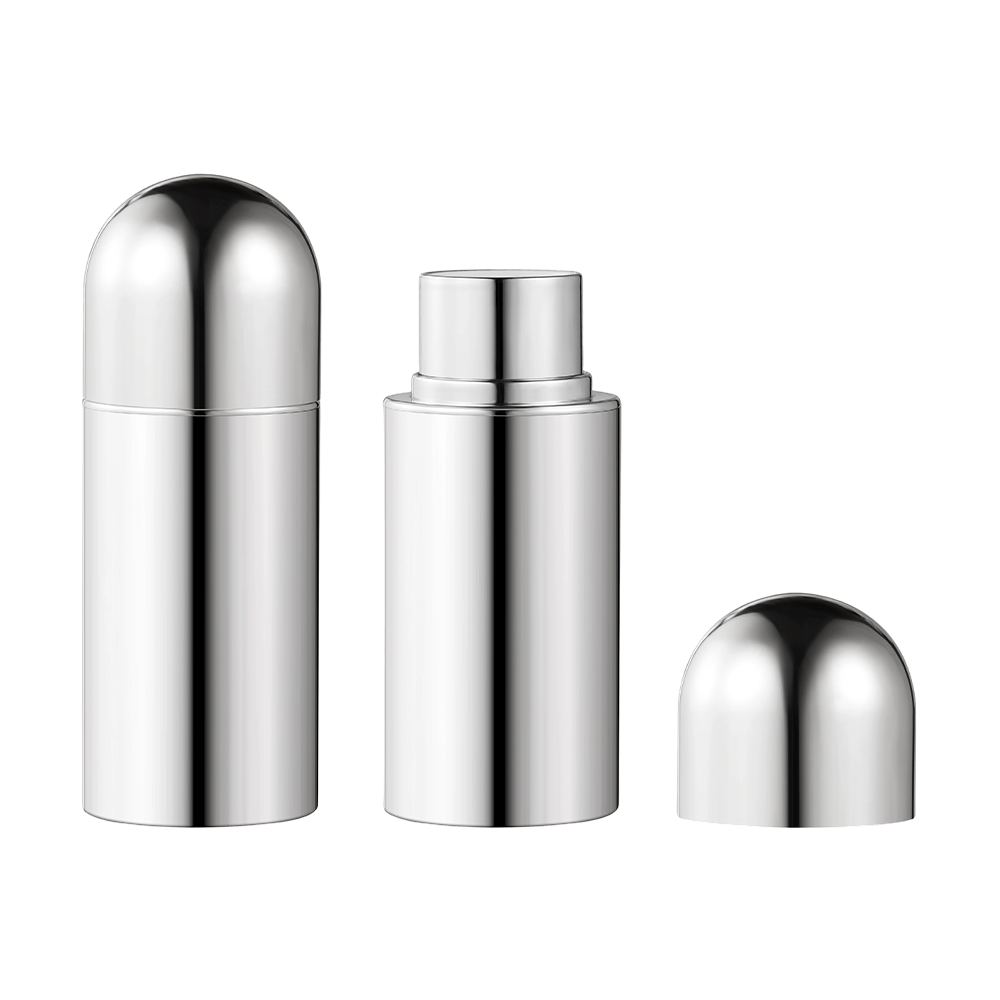
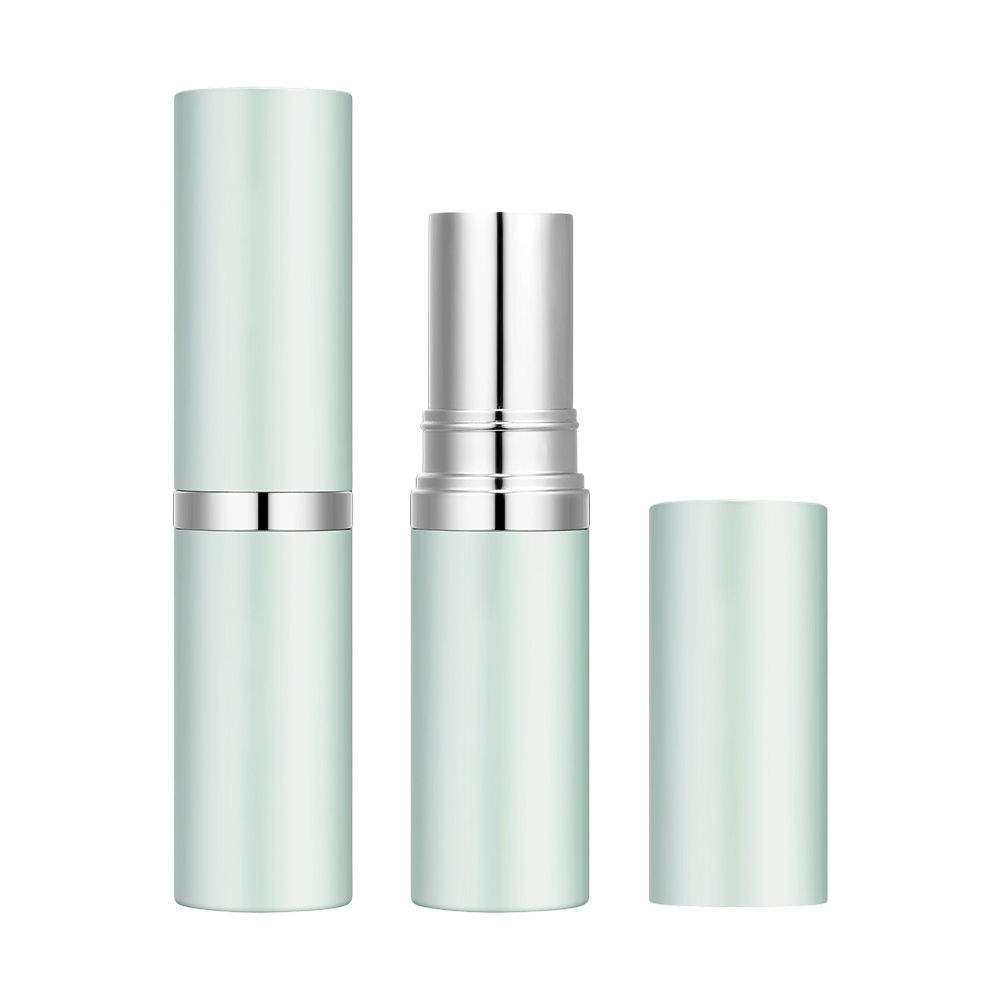
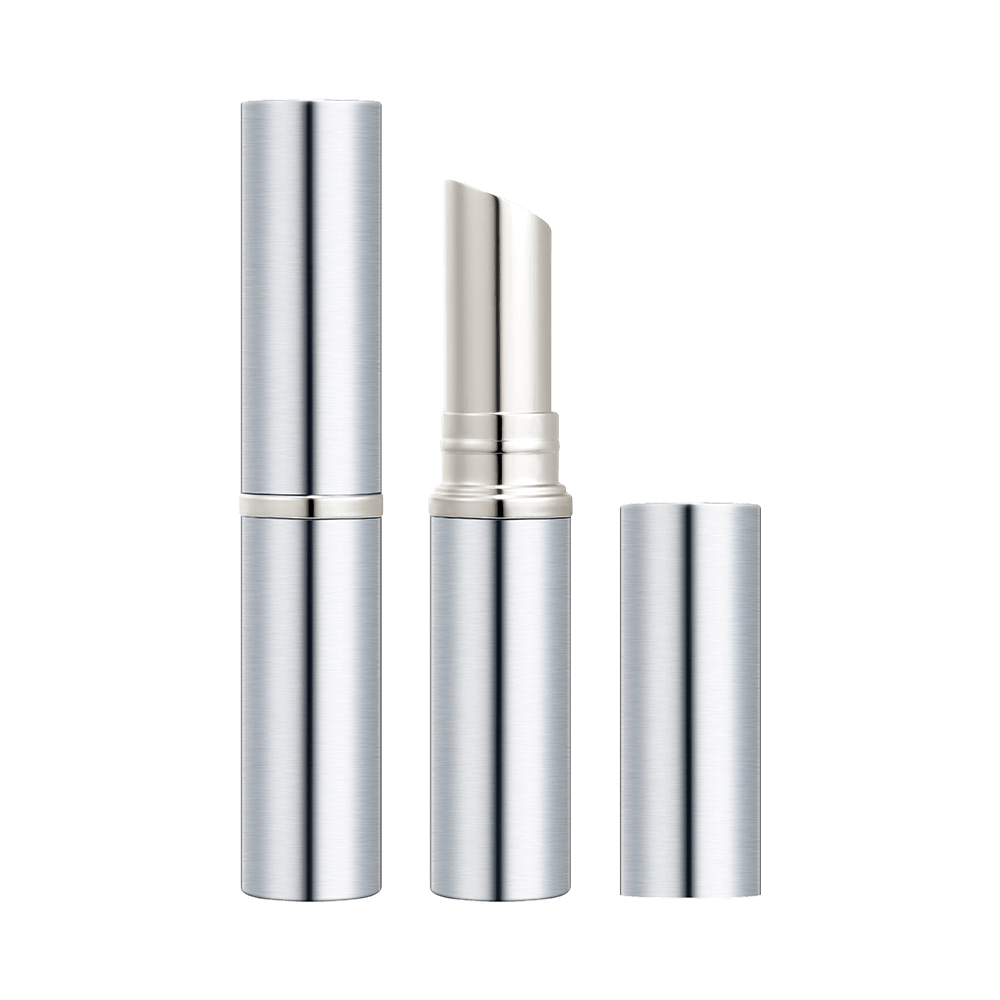
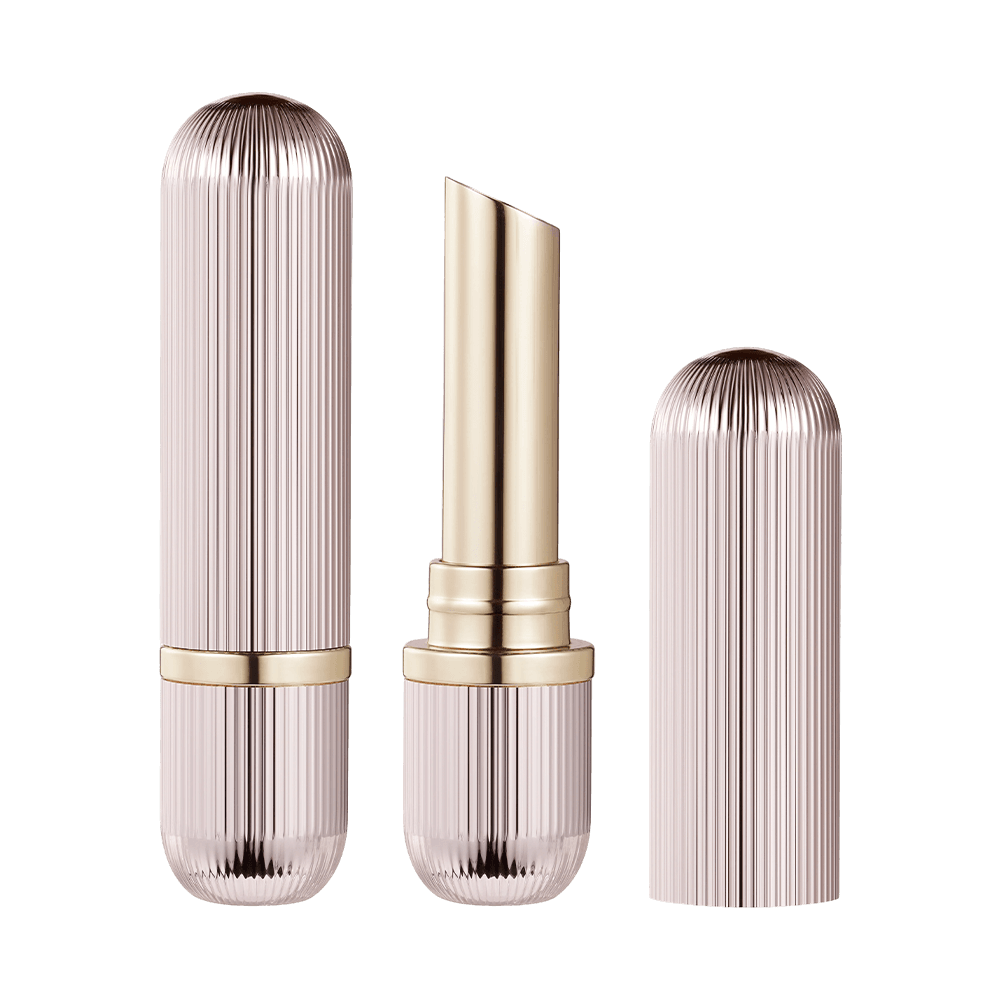
Aluminum used in lipstick tube manufacturing is a lightweight, naturally corrosion-resistant metal with a density of approximately 2.7 g/cm³. This gives aluminum tubes a satisfying weight in the hand — substantial enough to feel premium without being heavy. Aluminum does not warp, soften, or deform under normal ambient temperature ranges or when exposed to sunlight in a handbag. It accepts a wide range of high-quality surface treatments unavailable to plastic — including anodizing, electroplating, laser engraving, and multi-step oxidation — that produce finishes with depth, texture, and durability that plastic coating processes cannot replicate.
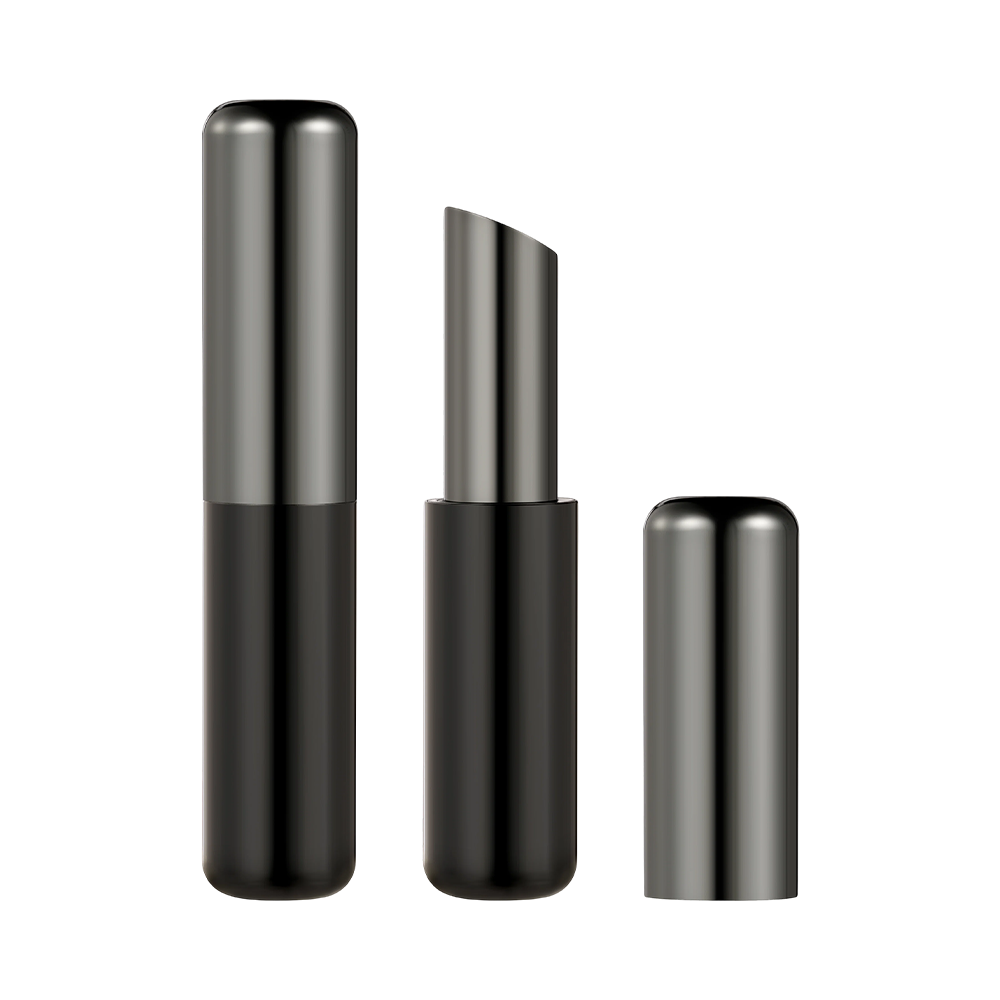
Plastic lipstick tubes are injection-molded from polymers such as ABS (acrylonitrile butadiene styrene), PP (polypropylene), or acrylic. These materials are lightweight — ABS has a density of approximately 1.0–1.1 g/cm³, roughly 40% of aluminum — and can be molded into complex shapes with fine detail at low per-unit cost. However, plastics have lower heat distortion temperature — most standard plastics used in cosmetic packaging begin to soften or warp above 60–80°C — and their surface coatings (typically spray painting or vacuum metallization) are prone to chipping, scratching, and peeling over time in ways that aluminum surface treatments are not.
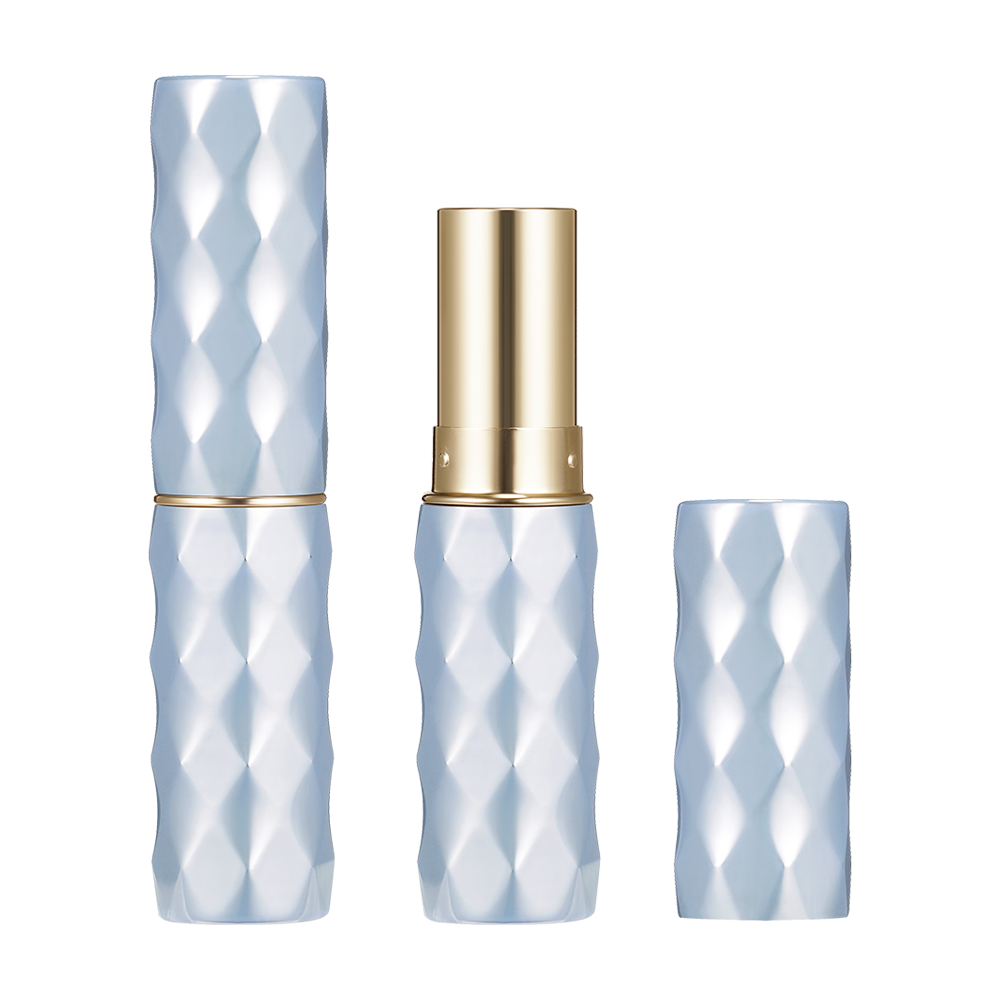
| Feature-by-feature comparison between aluminum and plastic empty lipstick tubes across key brand and product criteria | |||
| Feature | Aluminum Lipstick Tube | Plastic Lipstick Tube | Advantage |
| Perceived quality / luxury feel | Premium — weight, coolness, metal resonance | Entry to mid-range; can mimic metal with coating | Aluminum |
| Unit cost | Higher — material and processing premium | Lower — especially at high volume | Plastic |
| Surface finish durability | Excellent — anodizing and plating resist scratching | Moderate — coatings chip and peel over time | Aluminum |
| Surface treatment options | Anodizing, electroplating, laser engraving, painting, secondary oxidation | Spray painting, vacuum metallization, UV coating, silk screen | Aluminum (wider range) |
| Heat resistance | Excellent — stable up to 150°C+ | Limited — softens at 60–80°C | Aluminum |
| Recyclability | Infinitely recyclable without quality loss | Limited — downcycles; often ends in landfill | Aluminum |
| Weight in hand | Heavier — premium feel | Lighter — some consumers prefer | Context-dependent |
| Shape complexity | Good — round and square standard; custom available | Excellent — injection molding allows complex forms | Plastic |
| Color options (tube body) | Wide — anodizing and painting offer full spectrum | Excellent — injection molding allows complex forms | Aluminum |
| Minimum order quantity (MOQ) | Moderate — tooling cost manageable | Higher for custom — injection mold tooling cost | Depends on customization |
The range and quality of surface treatments available for aluminum lipstick tubes is one of the clearest and most commercially significant advantages the material holds over plastic. These treatments determine how the tube looks and feels at the moment of purchase and throughout the consumer's use period — directly affecting perceived brand value.
As consumer awareness of cosmetic packaging sustainability increases and regulatory pressure on single-use plastics intensifies in key markets, the environmental credentials of aluminum lipstick tubes have become a meaningful competitive advantage rather than a secondary consideration.
Aluminum is infinitely recyclable without any degradation in material quality — the same aluminum can be recycled and reformed into new tubes indefinitely, with recycling requiring only approximately 5% of the energy needed to produce primary aluminum from bauxite ore. Approximately 75% of all aluminum ever produced is still in use today, circulating through the recycling economy rather than accumulating in landfill.
Plastic lipstick tubes, by contrast, face significant end-of-life challenges. Mixed-material construction — typically combining multiple plastic types in the cap, mechanism, and bullet holder — makes disassembly for recycling impractical for consumers. The majority of cosmetic plastic packaging reaches landfill or incineration at end of life, and even where recycling infrastructure exists, most plastic downcycles into lower-grade applications rather than being recycled back into equivalent packaging.
For brands positioning themselves in the clean beauty, sustainable luxury, or eco-conscious market segments, aluminum tubes provide verifiable, communicable sustainability credentials that plastic cannot match — enabling authentic brand claims that resonate with increasingly values-driven cosmetic consumers.
Both aluminum and plastic lipstick tubes are available with a range of closure and mechanism types that affect the user experience, product protection, and perceived quality of the packaging.
Despite aluminum's advantages in quality and sustainability, there are specific scenarios where plastic lipstick tubes are the more appropriate — or unavoidable — choice.
The decision between aluminum and plastic lipstick tubes is fundamentally a brand strategy decision rather than purely a materials decision. Both materials produce fully functional lipstick packaging — the differences lie in the signals they send to consumers, the durability they deliver in use, and the environmental story they enable the brand to tell.
For most brands with aspirations beyond the entry-level mass market, the investment in aluminum lipstick tube packaging delivers returns through elevated perceived quality, better retail presence, stronger sustainability positioning, and a more durable consumer experience that justifies the higher per-unit cost in the context of the brand's overall value proposition.