Hello Ningbo Huiho Cosmetics Packaging Co., Ltd. - China Mascara Tubes Packaging Manufacturers


A vitamin C serum that shifts from pale gold to dark amber two months after filling is usually telling you one thing: too much air reached the formula. The same story appears as a lotion that separates in the bottle, a moisturizer that smells faintly off before the halfway mark, or a pump that sprays air instead of product. Airless cosmetic containers attack this problem at the source by keeping air out of the chamber that holds the formula, from the first fill to the last dose. This guide explains how airless packaging actually works, where it outperforms jars and standard pumps, which specifications deserve attention when you compare quotations, and which purchasing mistakes are expensive to discover after production has started.
Content
An airless container is a non-pressurized dispensing system that moves product upward with a piston or diaphragm instead of a dip tube. The bottle is filled completely, a sliding piston rests directly on top of the formula, and when the actuator is pressed, vacuum pressure pulls that piston upward and pushes a measured dose through a small orifice. Because air never re-enters the chamber, the formula is not exposed to a fresh supply of oxygen after every use. Two designs dominate the market: piston systems, which suit medium-viscosity lotions and serums, and diaphragm or bag-in-bottle systems, which handle very thin or highly sensitive formulas. The word airless describes the dispensing method rather than the material, so the same technology appears in polypropylene, PET, and acrylic packaging across many shapes and price points.
Every time a consumer opens a jar, or every time a standard pump draws product through a dip tube, fresh air slides into the system. Oxygen degrades actives such as vitamin C and retinol, deepens discoloration, and creates off smells; fingers dipped into jars add bacteria that force formulators to lean harder on preservatives; and water quietly evaporates from loose closures, slowly changing texture. An airless system removes these failure points because the formula never meets incoming air or bare hands at any stage of its life.
Chart 1. Antioxidant retention of an oxidation-sensitive serum across eight weeks of storage (illustrative)
The chart shows why the mechanism matters in commercial practice. The airless line holds more than 85 percent of its initial antioxidant activity after eight weeks in the model shown. The open jar line falls below half over the same period, which mirrors what many laboratories observe with oxidation-sensitive actives in shallow, air-exposed packaging. The gap widens fastest between weeks two and six, when oxygen repeatedly renews contact with the product surface. Once visible color change or odor develops, no reformulation can restore what was lost. The values are illustrative modeling figures, so always confirm performance with stability testing on your own formula.
Barrier protection is not exclusive to pumps, either. Closures, liners, and metal components deliver similar defense in stick and tube formats, and our overview of how aluminum lipstick tubes achieve oxygen and moisture resistance explains the physics behind that approach.
Format choice is a trade between protection, hygiene, cost, and texture, so it helps to line the three common options up on the same picture before quotations start arriving.
Chart 2. Buyer criteria scores by packaging format on a zero to ten scale (illustrative)
The radar chart compares the three most common formats on five criteria that buyers actually feel at shelf. Airless packaging leads on oxidation control, hygiene, and product evacuation because the formula sits sealed behind a piston and leaves without pulling in air. Open jars remain hard to beat on cost economy and on flexibility for thick, scoopable textures that would choke a narrow orifice. Standard pumps land in the middle: they are affordable and familiar, but the dip tube lets air slide back into the bottle after every stroke. The airless format concedes some ground on unit cost because the piston, spring, and actuator add components and assembly steps. Treat the chart as a filter rather than a verdict, since the final choice depends on your viscosity, price point, and shelf-life claims.
Shelf life tells a similar story from a different angle, because every opening event is another chance for oxygen, microbes, and evaporation to do their work.
Chart 3. Typical unopened shelf life by packaging format in months (illustrative)
The sealed path of an airless system supports the longest unopened window, often approaching twenty-four months for sensitive formulas. Standard pump bottles follow, since every dispense cycle still admits a small volume of air through the dip tube. Squeeze tubes offer decent protection at the closed end but depend heavily on cap quality and shoulder design. Open jars trail the field because the full surface of the formula meets air at every use. These figures are planning references rather than guarantees, so let accelerated stability data from your own trials set the final dating.
Capacity comes first: airless bottles are most common between 15 and 100 mL, while airless-style sticks usually hold 5 to 15 g. Viscosity decides the mechanism, because medium-viscosity lotions run well on piston systems, very fluid serums often behave better with diaphragm pumps, and dense, buttery textures may need a wider orifice or a different format entirely. Material choice affects both compatibility and decoration, with polypropylene inner bottles prized for chemical resistance and PET or ABS shells chosen where a premium printable surface matters. Filling is the quiet dealbreaker: most airless bottles are filled from the bottom before the piston and pump base are assembled, so confirm that your co-packer can run that sequence or ask your packaging supplier for filling guidance. Finally, request actuation force, dose accuracy, and drop-test documentation instead of accepting a catalogue photo.
Chart 4. Typical product evacuation rate by packaging format (illustrative)
Evacuation rate describes how much of the filled product a consumer can actually dispense, and Chart 4 shows typical illustrative ranges by format. Airless systems routinely approach 95 percent because the rising piston pushes nearly the entire charge toward the orifice. Squeeze tubes perform respectably yet leave residue at the shoulders and around the crimped seal. Standard pumps trap a meaningful share of product below the dip tube inlet, which consumers notice as wasted money. Open jars rank lowest because formula clings to walls that fingers cannot fully reach. Higher evacuation also means a smaller fill can deliver the same number of doses, which quietly offsets the higher unit price of the airless format.
The table below condenses these checkpoints into a list you can send directly to a supplier with your next quotation request.
| Checkpoint | Typical range or option | Why it matters |
|---|---|---|
| Capacity | 15 to 100 mL bottles, 5 to 15 g sticks | Sets dose count, shipping class, and unit cost |
| Viscosity fit | Piston for lotions, diaphragm for thin serums | Prevents clogging, air pockets, and uneven doses |
| Inner bottle | PP body with a PE or PP piston | Resists corrosion, swelling, and stress cracking |
| Outer shell | PET, ABS, or aluminum for decoration | Carries color, finish, and brand identity |
| Filling route | Bottom fill, then piston, then pump base | Determines which filling lines can run the job |
| Tests to request | Actuation force, dose accuracy, drop and leak tests | Reduces returns and transit damage claims |
Material decisions sit at the center of that checklist, and this guide to choosing cosmetic packaging materials walks through the tradeoffs between common plastics and metals in more depth.
True airless pumps dominate skincare, but the underlying goal, sealing a formula away from air, runs through color cosmetics as well. Foundation and concealer sticks protect creamy formulas with a twist-up or click mechanism and a tight cap, and they are filled as a solid charge rather than poured, so the formula sees very little air between production and the final application.
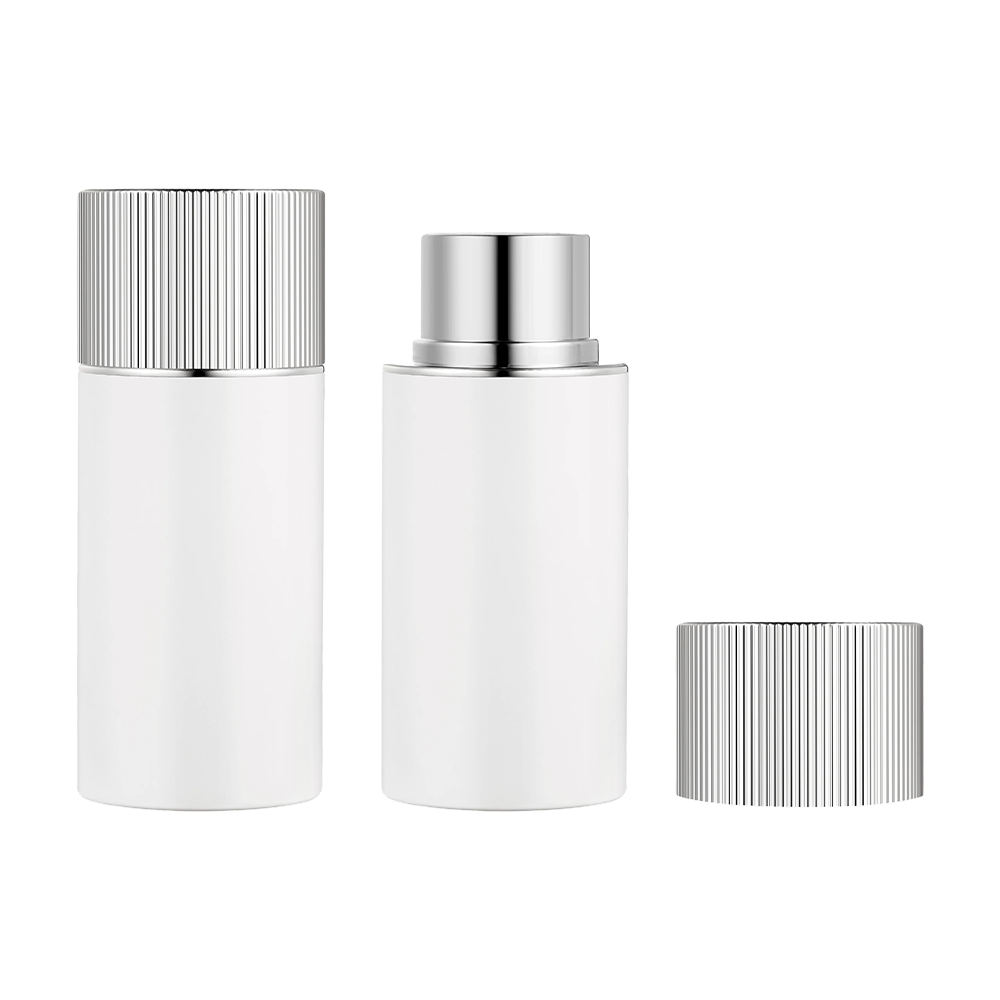
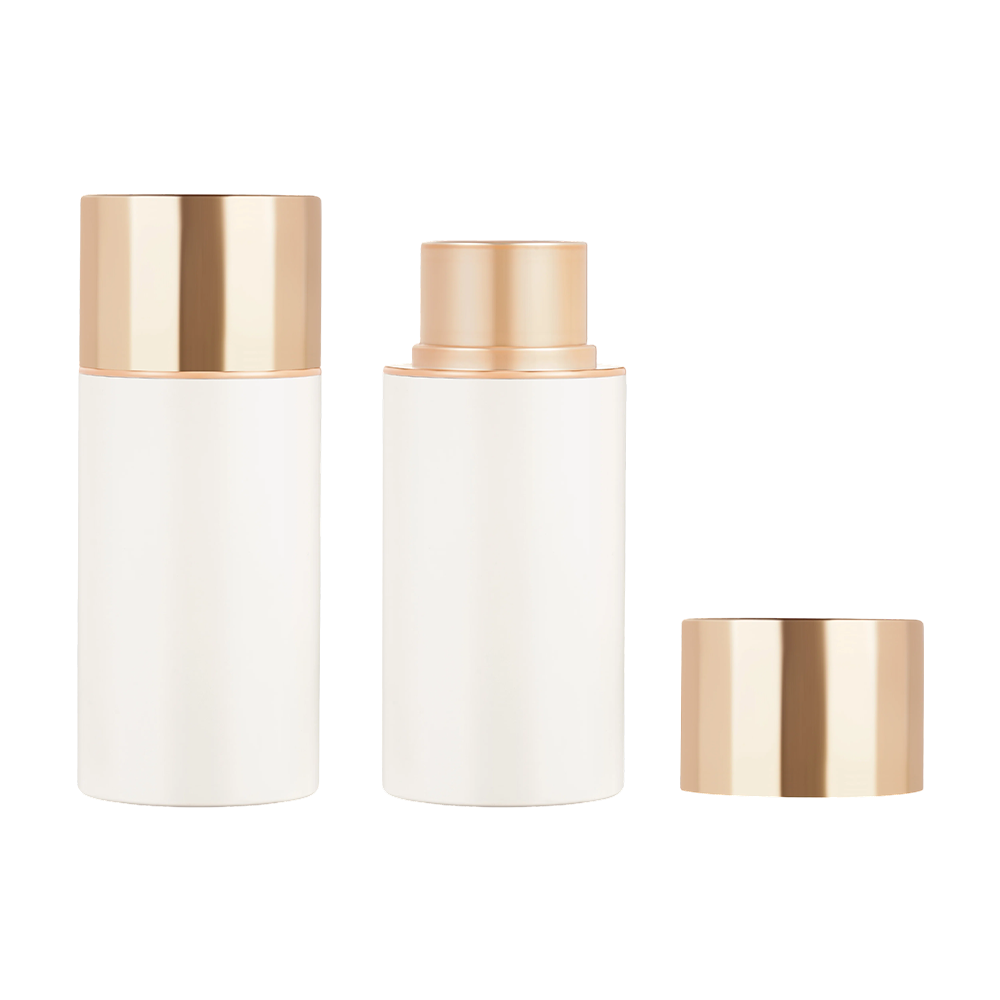
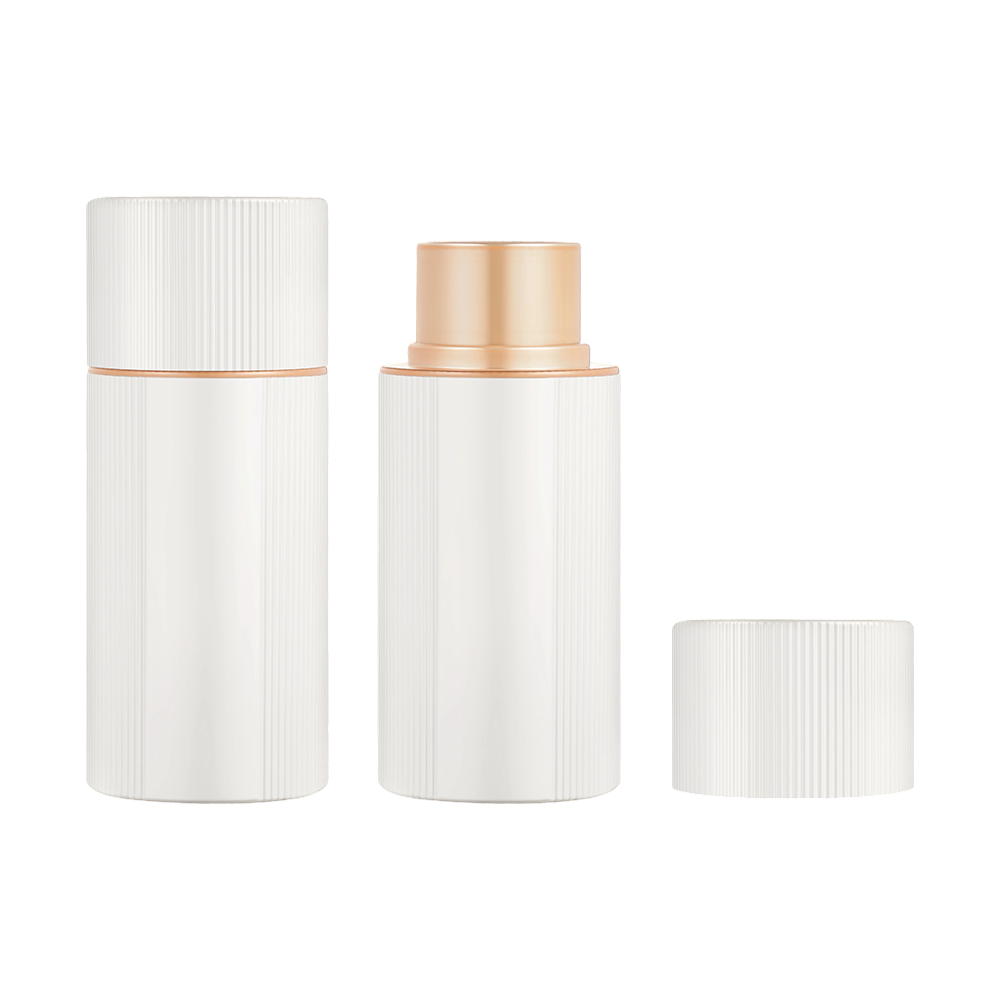
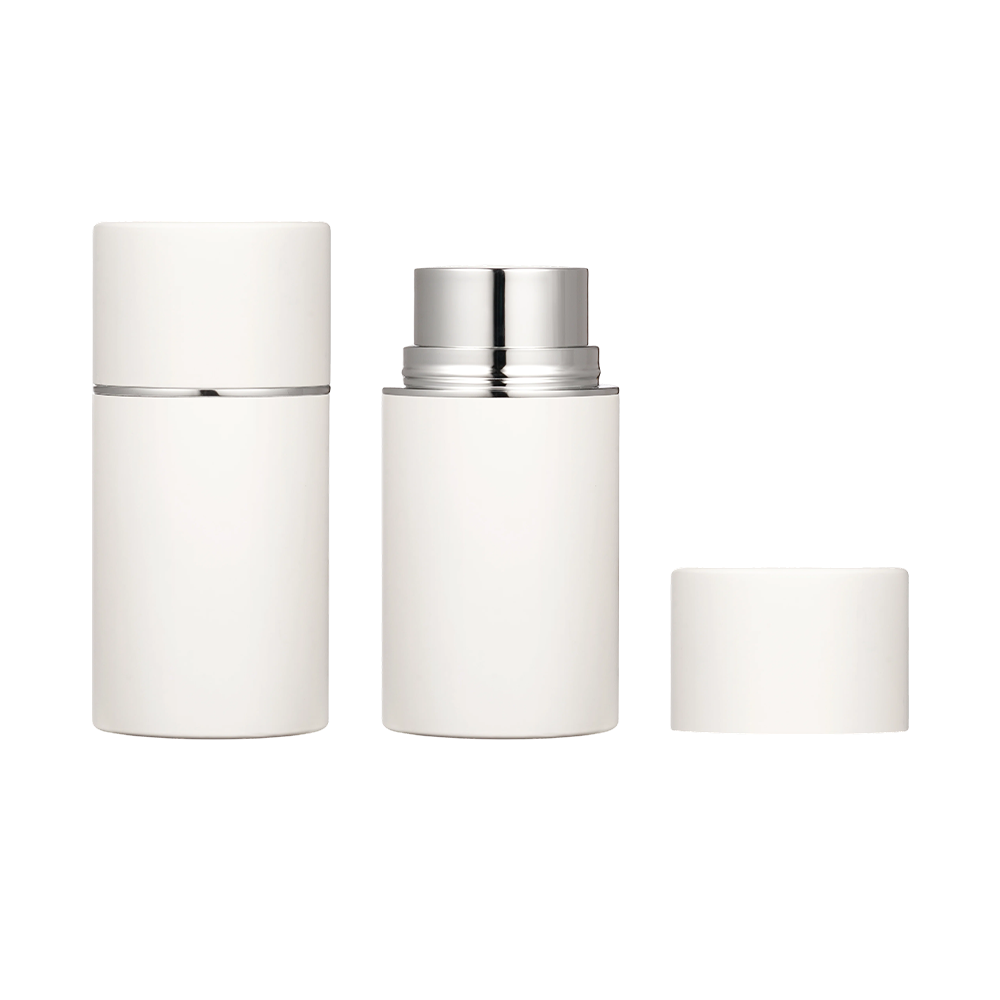
 Empty Foundation, Concealer and Blush Stick Container HL8322A twist-up stick container filled as a solid charge, keeping creamy foundation, concealer or blush formulas away from air until the final application, echoing the airtight principles discussed here.View Product →
Liquid eyeliner packaging fights a similar battle with fast-drying ink. A precise wiper removes excess product as the brush is withdrawn, and a close-fitting cap limits evaporation, which keeps the line consistent from the first stroke to the last. These are exactly the questions you would put to an airless supplier: how tight is the seal, and how much oxygen reaches the formula over its shelf life?
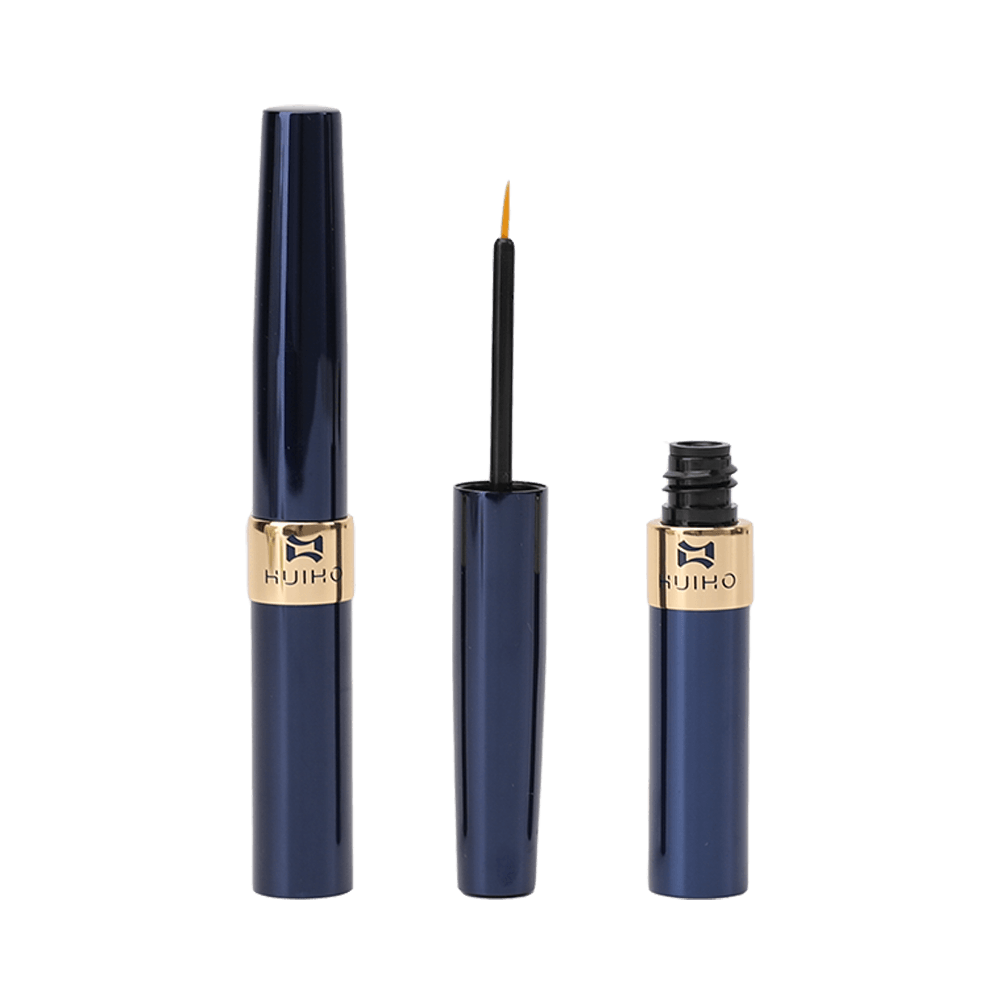 Custom Empty Liquid Eyeliner Tube EL001A slim eyeliner tube designed for fast-drying ink, pairing a close-fitting cap with wiper-friendly tolerances so liquid liner stays consistent from the first stroke to the last.View Product →
Mascara may be the most demanding color formula of all, because it is water based, applied near the eye, and dried out by every small gap in the closure. Aluminum cases with controlled neck tolerances and effective wipers slow that evaporation considerably and carry the formula through its full working life. Every one of these formats rewards the same discipline: test the seal, not just the style.
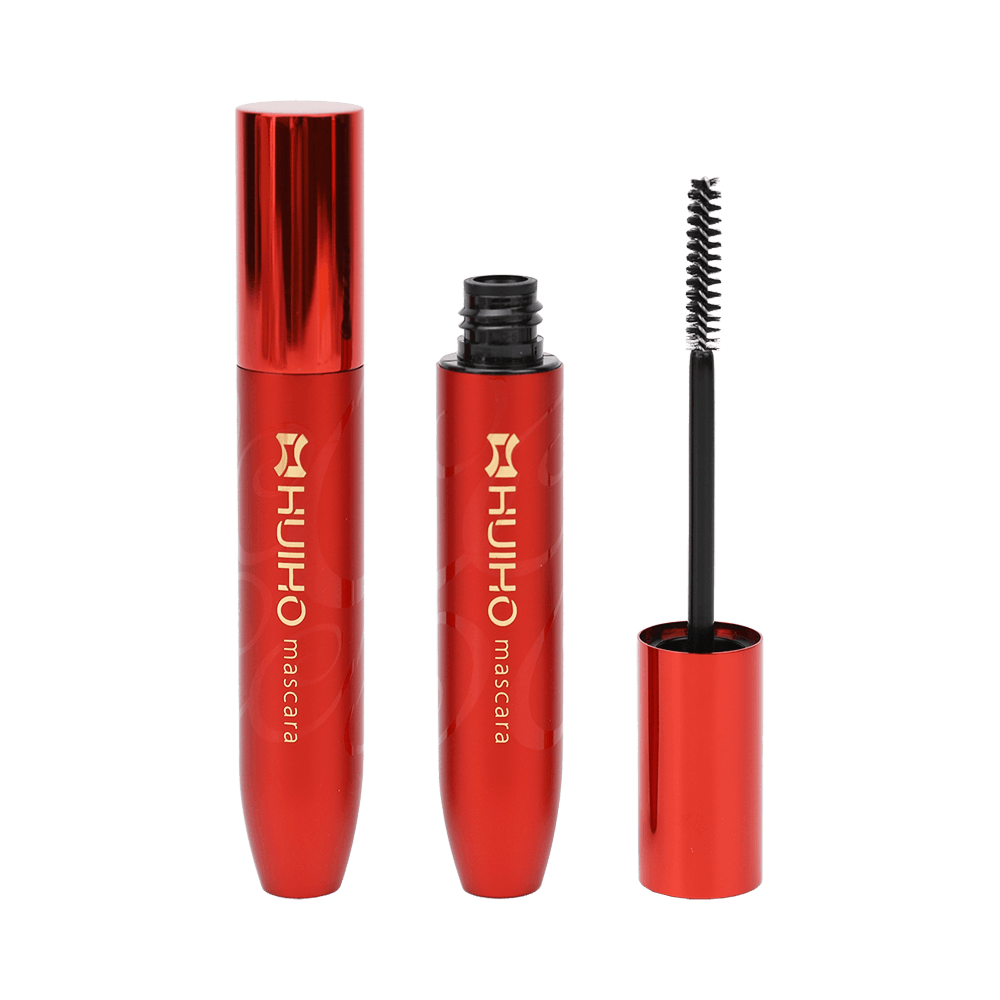 Aluminum Liquid Mascara Case HM1121An aluminum mascara case with controlled neck tolerances that support an effective wiper and tight closure, slowing evaporation of water-based mascara throughout its working life.View Product →
Airless packaging rewards careful buyers and punishes rushed ones, and most field failures trace back to a handful of predictable gaps.
Each of these gaps is cheap to fix on paper and expensive to fix after filling, so build them into your supplier questionnaire from the first conversation.
Airless cosmetic containers earn their premium when the formula inside is sensitive, the brand promise depends on freshness, and consumers judge the product by its final dose as much as its first. Match the mechanism to your viscosity, demand real test data instead of catalogue claims, and walk a sample through filling and transit before you scale. Brands that treat packaging as part of the formula rather than a wrapper around it see fewer stability surprises, fewer returns, and stronger reviews. That discipline starts with asking sharper questions at the quotation stage, and it pays off for the entire life of the product.