Hello Ningbo Huiho Cosmetics Packaging Co., Ltd. - China Mascara Tubes Packaging Manufacturers


A brand owner places an order for 30,000 empty lip gloss tubes, and the filling line stops in the first carton because roughly one cap in twenty will not seat fully. The cause is rarely dramatic. A neck finish a fraction of a millimeter off, or a wiper matched to a different bottle, is enough to shut a line down.
That is the practical reality of cosmetic containers wholesale. The conclusion first: buy from a supplier who makes the components in house and who locks down the fill, the closure type and the decoration tolerance before production starts. Unit price matters, but seal integrity, wiper fit and color consistency decide whether a bulk order is usable. Everything below explains why, and how to check it before you pay a deposit.
Content
Color cosmetics packaging is not one product category. Each format carries its own mechanical expectations, and mixing them up is where most sourcing problems start.
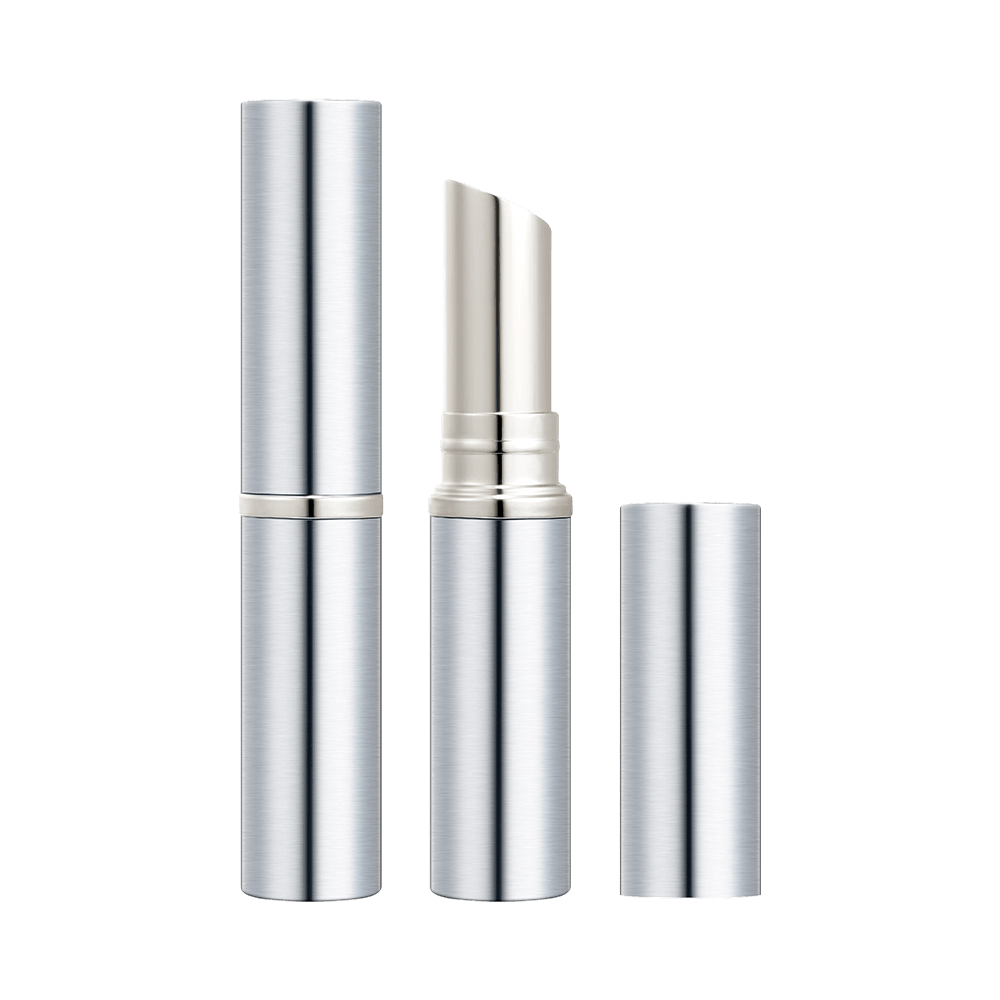
Lip gloss is the usual entry point for a first wholesale order. The format is forgiving on tooling, the choice of stock shells is wide, and brands can test a shade range without committing to a new mold. A slim round shell such as this
 2.8ml Aluminum Click Concealer TubeA slim round aluminum click tube with precise drop control and optional tips, suited to testing a first wholesale lip gloss or concealer format.View Product →
shows the pattern worth looking for: a standard neck finish, a cap that lines up with the barrel after decoration, and a wiper matched to the tube's internal diameter.
Almost every wholesale conversation reaches the same fork in the road. You can take an existing shell and brand it, or you can build something new. The three routes below cover the realistic middle ground.
| Sourcing route | Typical order size | What you control | Where the risk sits |
|---|---|---|---|
| Stock shell, custom color | A few thousand pieces upward | Body and cap color, print or label | Color matching between cap and body |
| Stock shell, full decoration | Mid to large volumes | Spray, anodized look, silk screen, hot stamp | Print registration and coating cure quality |
| Custom mold | Large volumes, usually tens of thousands | Shape, wall thickness, mechanism, neck design | Tooling investment and a longer development cycle |
Custom tooling is not automatically better. If the shade is a seasonal launch, a stock shell with strong decoration usually wins on speed and cash flow. If the container is the brand's signature and will run for several years, a new mold pays back through differentiation and through a lower unit cost at volume.
Quality in this industry is not a feeling, it is a short list of measurable points. Ask for these six before approving a bulk shipment.
Material choice drives most of these checks, and the trade offs between aluminum, PET, PP and ABS are set out in this guide to choosing cosmetic packaging materials. A supplier who can quote wall thickness and barrier behavior from their own production line will usually resolve a dispute faster than a trading intermediary.
The number on the quotation is only the visible part. Four or five other items decide the real landed cost of a container.
A quote that looks 10 percent cheaper frequently loses that advantage once sampling, rework and air freight for a late batch are counted. Ask for a landed cost comparison, not a unit price comparison.
Most wholesale problems trace back to a broken chain: one company molds the shell, another decorates it, a third supplies the cap, and nobody owns the fit between them. A manufacturer that produces both the aluminum and plastic components under its own roof removes those handoffs.
Ningbo Huiho Cosmetics Packaging, known on site as Huihe Aluminum Plastics, works this way from Ningbo, China. Two company owned factories cover aluminum parts and plastic parts, which supports factory direct pricing rather than trading margin on top. The operation runs with around 300 employees and an annual output value in the region of 35 million, with an in house laboratory and inspection equipment used for incoming material and finished goods checks. Product lines span lip gloss tubes, mascara tubes, lipstick tubes, eyebrow and eyeliner cases, and concealer or blush sticks, and the development team will work from a customer drawing or a physical sample. Goods ship to Europe, the Americas, the Middle East and Southeast Asia as well as to customers across 20 provinces in China.
For mascara, that in house control matters most on the wiper. A tube like this
 Glossy Pink Straight-Round Mascara TubeAn 8ml straight round mascara tube with glossy pink finish and customizable thick brush, letting brands check wiper and brush fit in one package.View Product →
is only as good as the fit between the bottle mouth, the wiper and the brush, and that fit is much easier to hold when one factory owns all three dimensions.
Run through these questions once, and most of the expensive surprises disappear.
Wholesale sourcing goes well when the container is treated as part of the formula rather than a purchase made at the end. Decide the fill first, then the closure and wiper, then the decoration, then the price. A supplier who can answer technical questions about neck finish, barrier and mechanism travel in a single email is worth more than a catalog with a hundred more SKUs.
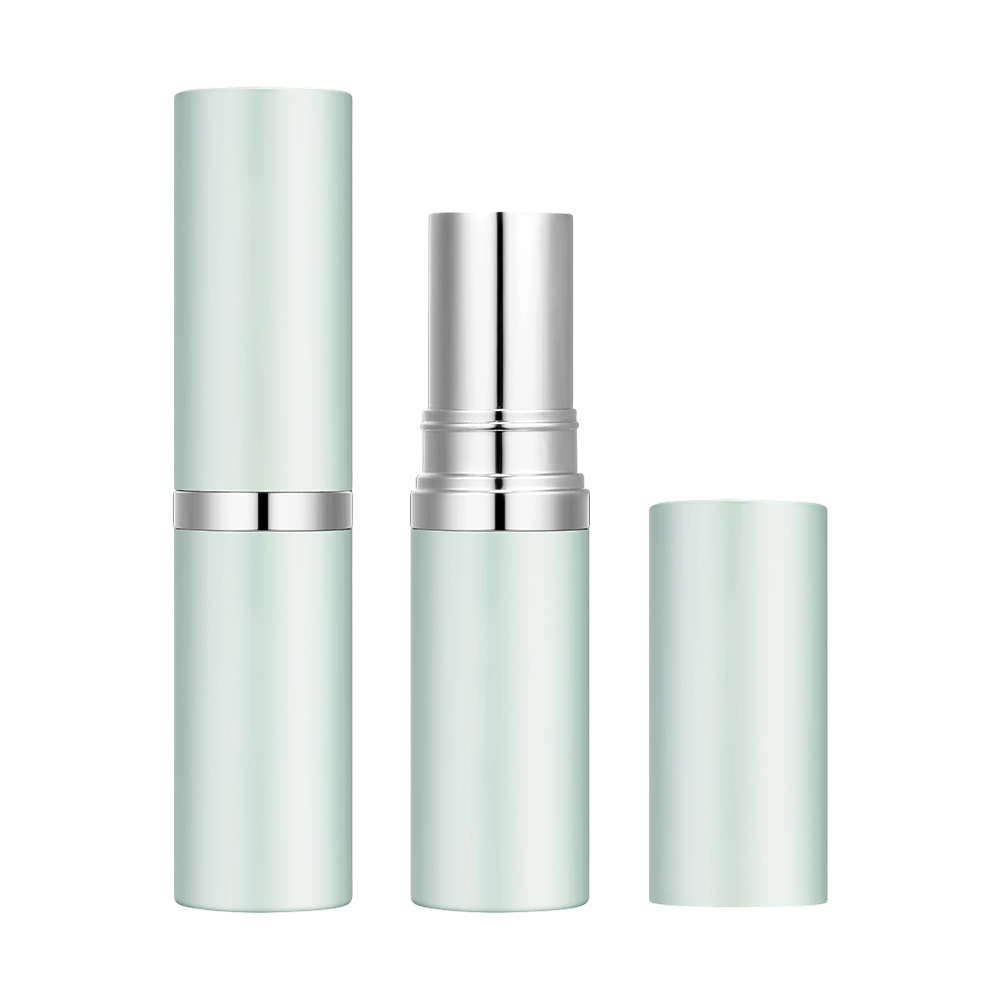
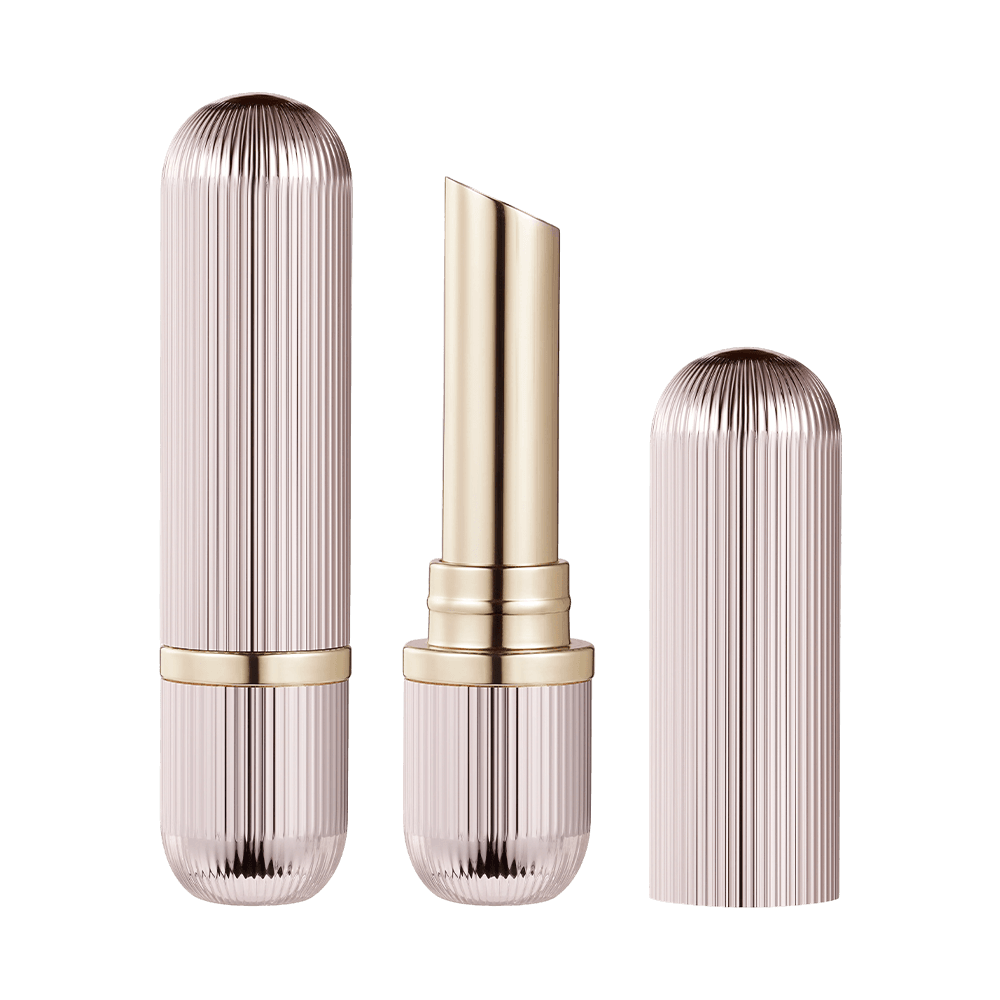
Formats with visible mechanical parts, such as a
 HL8253 Cosmetic Lipstick Tube CaseA Φ20.8 mm lipstick case with a 12.1/12.7 mm cup, suited to wholesale buyers comparing mechanical shell fit and cap alignment.View Product →
style lipstick shell, show the difference clearly: the click, the travel and the cap fit are either engineered together or they are not. Ningbo Huiho Cosmetics Packaging is a cosmetic packaging manufacturer that builds both halves of that equation, and the fastest way to test the fit is to send a drawing, a sample and a target volume for a quotation.