Hello Ningbo Huiho Cosmetics Packaging Co., Ltd. - China Mascara Tubes Packaging Manufacturers


A product developer sits with three lip gloss tubes on the table. All three look right on a mood board. Only one survives the fill line, the leak test, and a two week freight cycle without a scratched coating. That gap between appearance and performance is where cosmetic packaging design is actually decided.
The short version: design the pack around the formula, the filling equipment, and the shipping route first, then spend the creative budget on decoration and shelf presence. Brands that reverse this order usually pay for it in tooling changes, air freight, and returns.
Content
Start with what goes inside. A lip gloss with a high oil load behaves differently in PET than in ABS, and a waterproof mascara solvent can attack a poorly specified inner coating. Two questions settle most of this early: will the pack be filled hot or cold, and how long does the formula sit in the pack before it reaches a consumer?
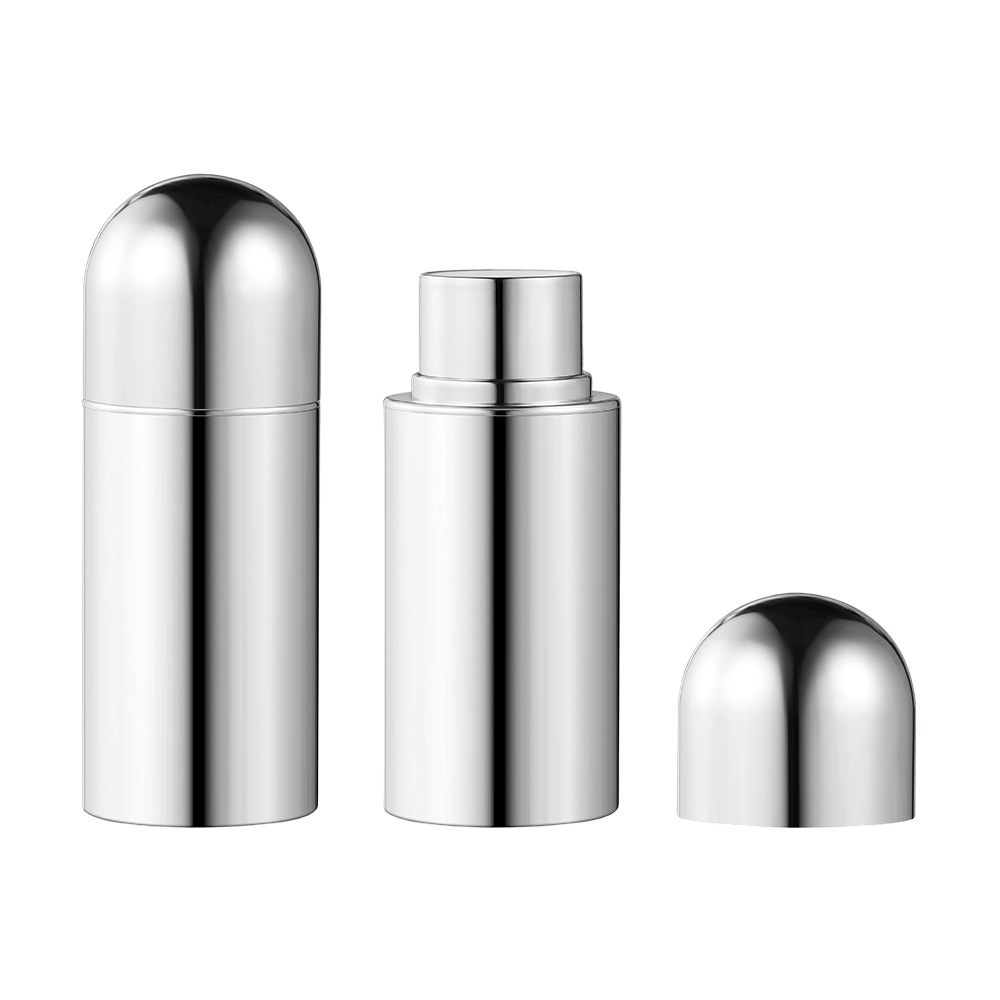
The outer surface is part of the same decision. Aluminum gives a barrier against oxygen and moisture plus a metallic finish that needs no coating, while PET gives clarity that shows shade and fill level. Many briefs mix the two, an aluminum cap on a plastic bottle, which works well provided the seal between the materials is designed rather than assumed. A practical review of these trade offs is covered in this guide to choosing cosmetic packaging materials.
Every brief eventually narrows to four questions: does the material suit the formula, does the component run on the filling line at the required speed, does it survive transport, and does it read correctly on shelf. The table below compares the five formats quoted most often for color cosmetics.
| Format | Typical construction | Design strength | Failure to test first |
|---|---|---|---|
| Lipstick tube | Aluminum shell with plastic mechanism | Weight and closure sound | Cap removal force, mechanism play |
| Mascara tube | Aluminum or plastic body with wiper | Wiper and brush control | Leak at neck, wiper displacement |
| Lip gloss tube | PET or ABS body, aluminum cap | Clarity and shade visibility | Cap seal, transfer between dual chambers |
| Eyeliner and eyebrow | Slim plastic bottle, spiral mouth | Applicator alignment | Neck cracking, seepage at thread |
| Concealer stick | Aluminum or plastic stick | Click feel and even deposit | Click force drift, coating wear |
Decoration does not appear in that table, because it rarely causes a project to fail. It causes a project to be re-quoted, which is a different kind of cost.
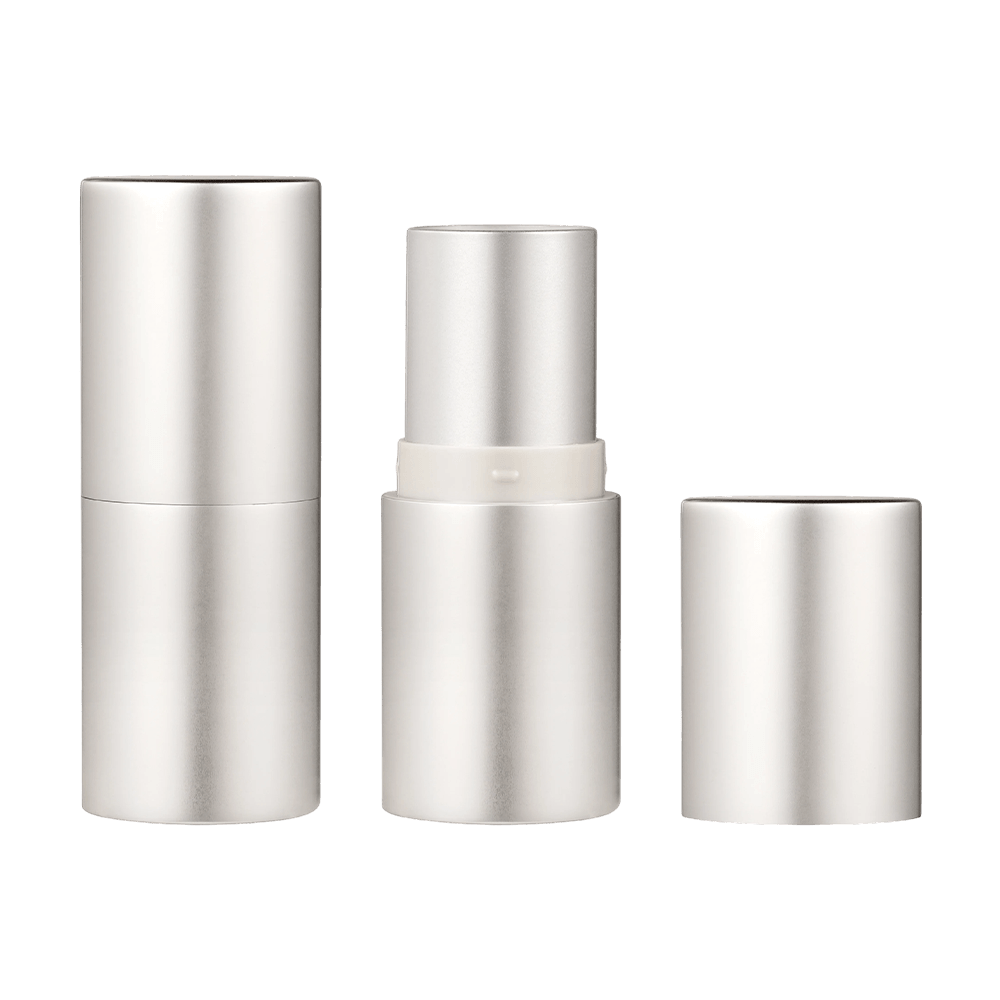
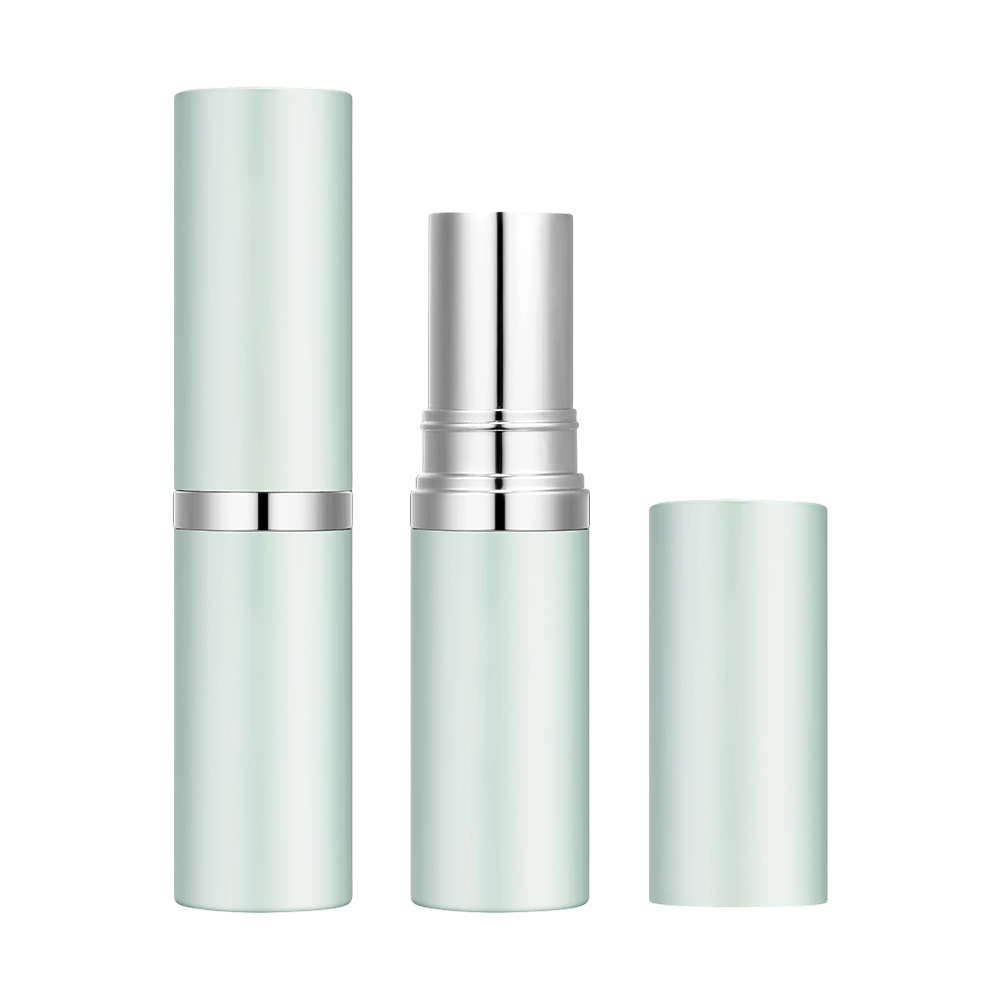
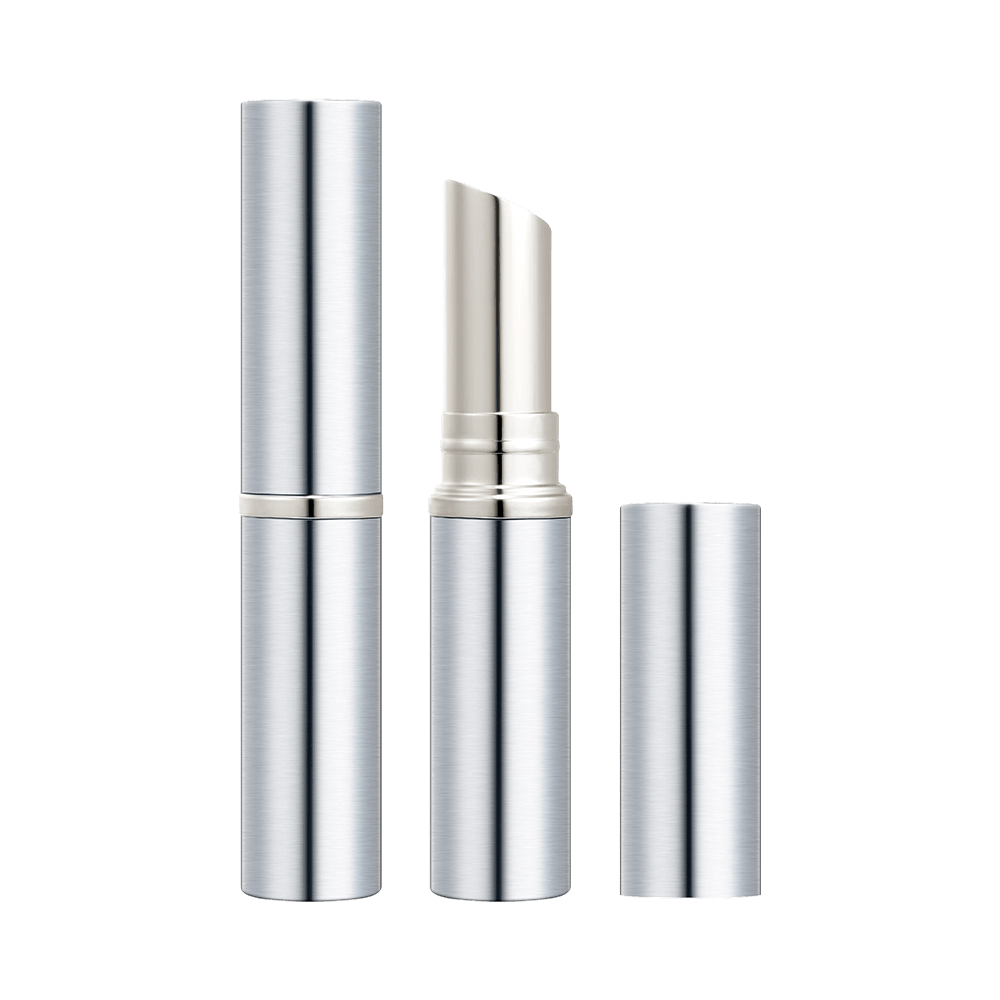
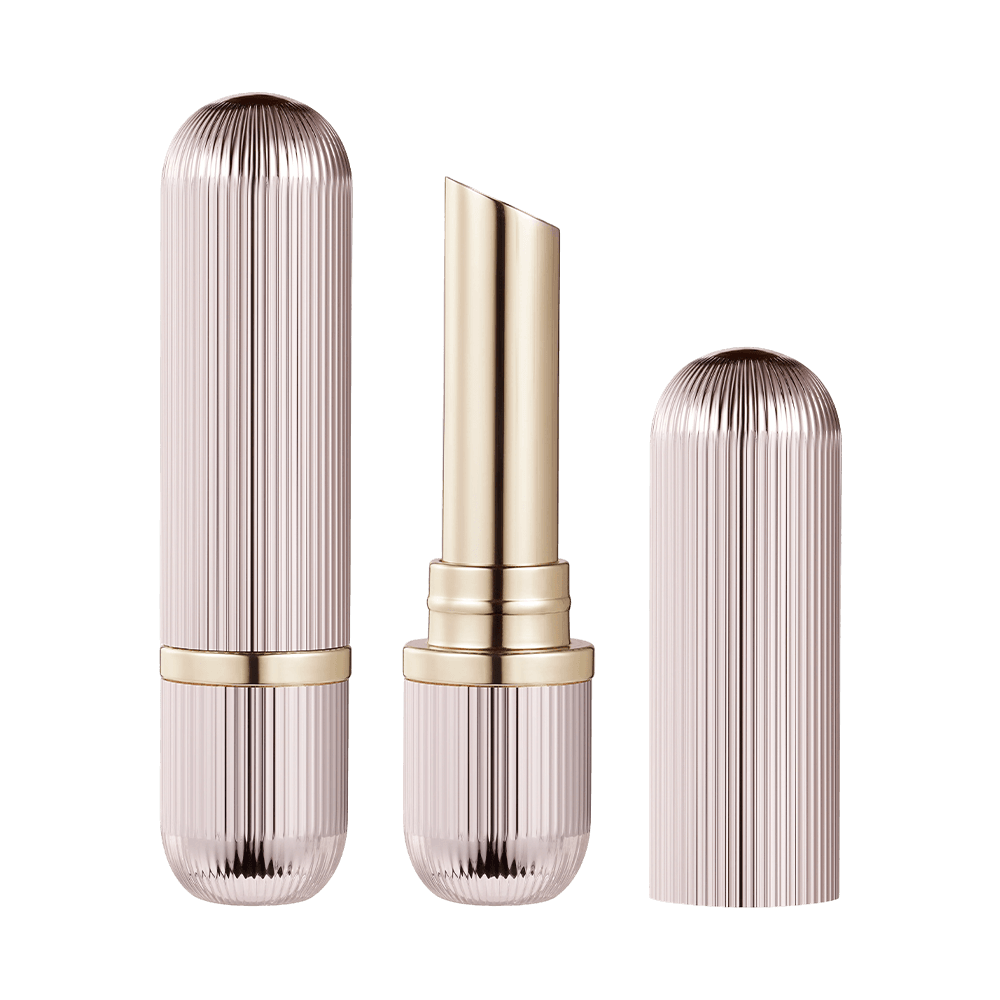
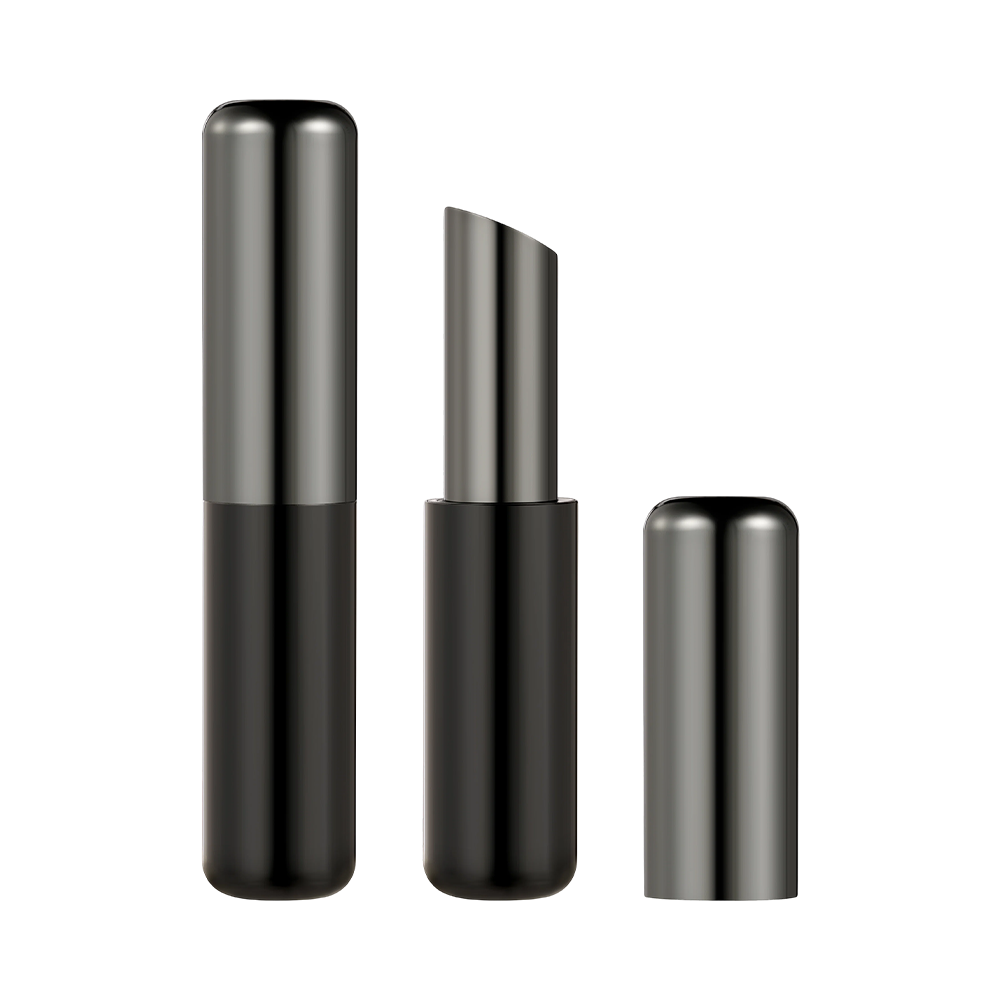
On a lipstick tube, the mechanism and the cap are the product experience. Buyers judge a sample within seconds of opening it, so cap removal force and the feel of the pull belong in the specification, not in the final review. Magnetic systems close quietly and feel premium, snap fits assemble faster and cost less, and push buttons suit refillable and travel formats.
Three details deserve a place on the drawing: lateral play in the cap when closed, the strength of the bullet holder, and shell wall thickness. Thin aluminum walls dent in a retail drawer, while very thick walls add weight that some shoppers read as inexpensive. Square formats are a good example of geometry and closure being developed together rather than one after the other.
 Magnetic Square Lipstick Tube HL8253The HL8253 magnetic square lipstick tube has a Φ20.8 x 20.8 x 77.5 mm body and 12.1/12.7 mm cup for wholesale B2B lipstick packaging.View Product →
Mascara packaging design is mostly about the wiper. This elastic insert in the neck strips excess formula from the brush and controls how much product leaves the tube, how clean the brush looks, and whether the neck stays free of buildup after fifty uses. A tube with a handsome aluminum shell and a mismatched wiper is still judged as a bad product.
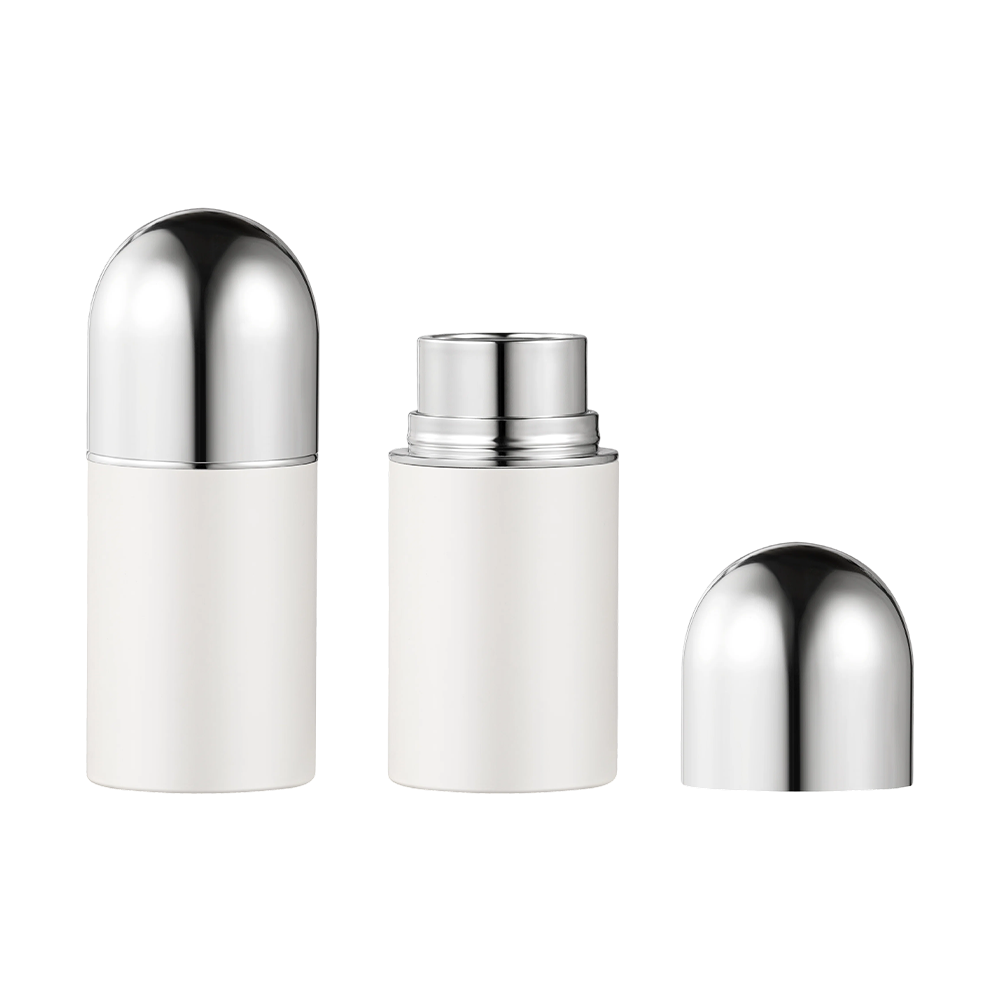
For lip gloss, the equivalent questions are seal quality and, in dual chamber tubes, separation. Two shades in one pack need a physical barrier between chambers plus a cap design that stops pressure from pushing one side into the other. Both problems are solved at the drawing stage, never at the filling stage.
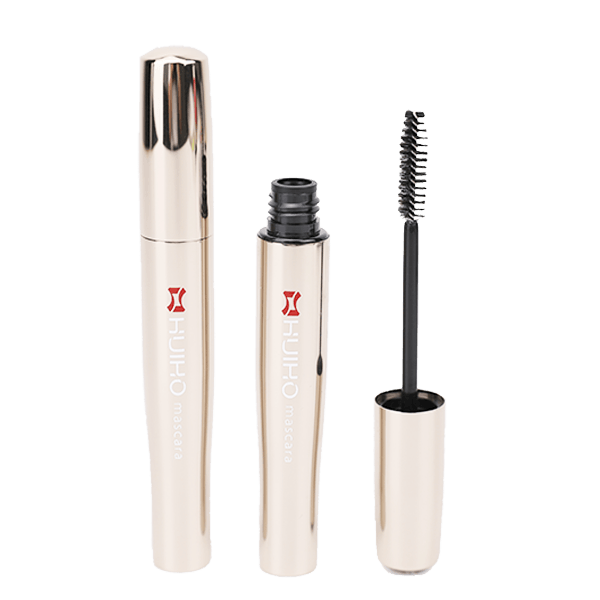 Aluminium Custom Mascara Tube and Wand HM1156The HM1156 aluminium mascara tube measures Φ18 x 129.3 mm and includes a wand, offered for wholesale custom mascara packaging with a 20,000-unit minimum.View Product →
Slim packs look simple and are not. A small diameter bottle has thin walls, a narrow neck, and a fine thread or spiral mouth that must engage the cap smoothly across a hundred open and close cycles. Thread pitch and spiral depth decide whether the cap feels precise or gritty. On click mechanism concealers, click force also drifts as the mold wears, so a tolerance band and a periodic check matter more than a perfect first sample.
Applicator alignment is the quiet failure. A brush that sits slightly off center in a slim eyeliner tube will splay within weeks, and the consumer blames the formula. Tooling that holds concentricity on a small diameter is worth paying for.
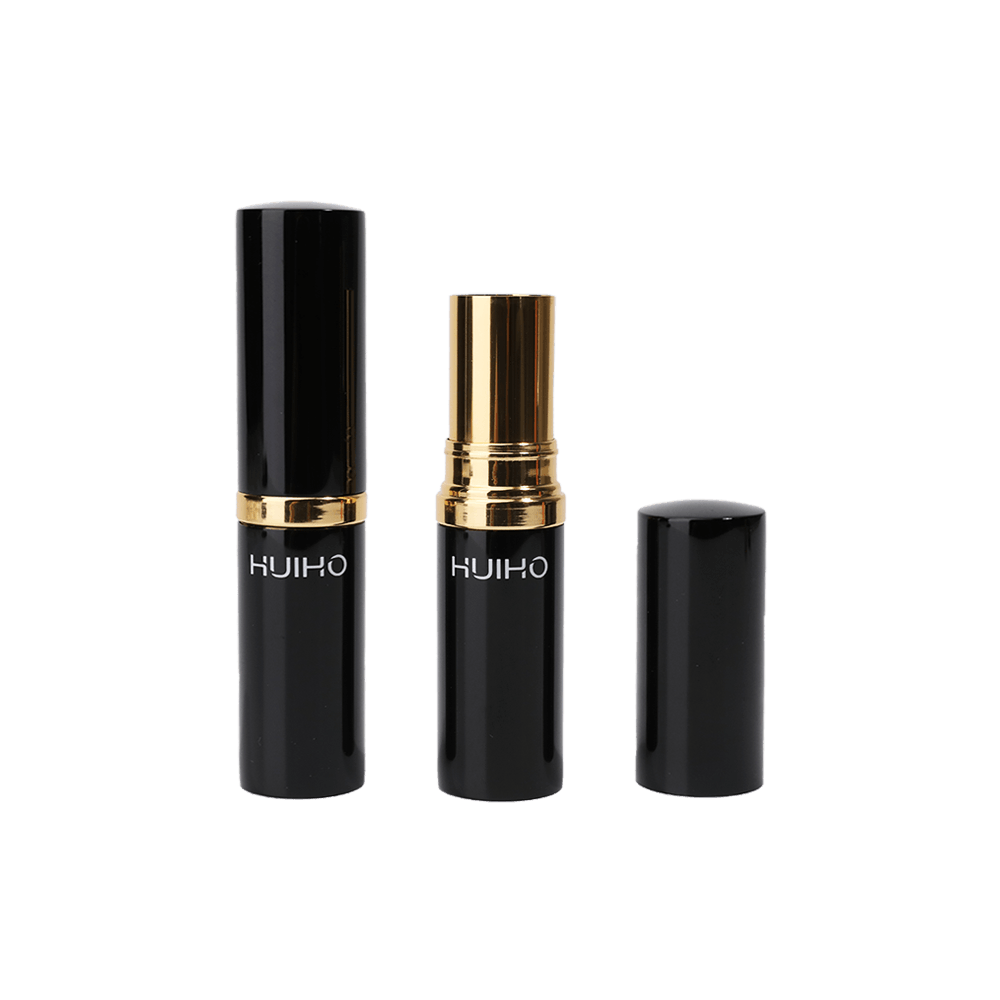 Round Custom Cosmetic Stick HL8321 for Concealer, Blush, HighlighterThe HL8321 round stick package measures Φ23.2 x 106.2 mm with a Φ16 mm cup and is offered for wholesale concealer, blush, and highlighter packaging.View Product →
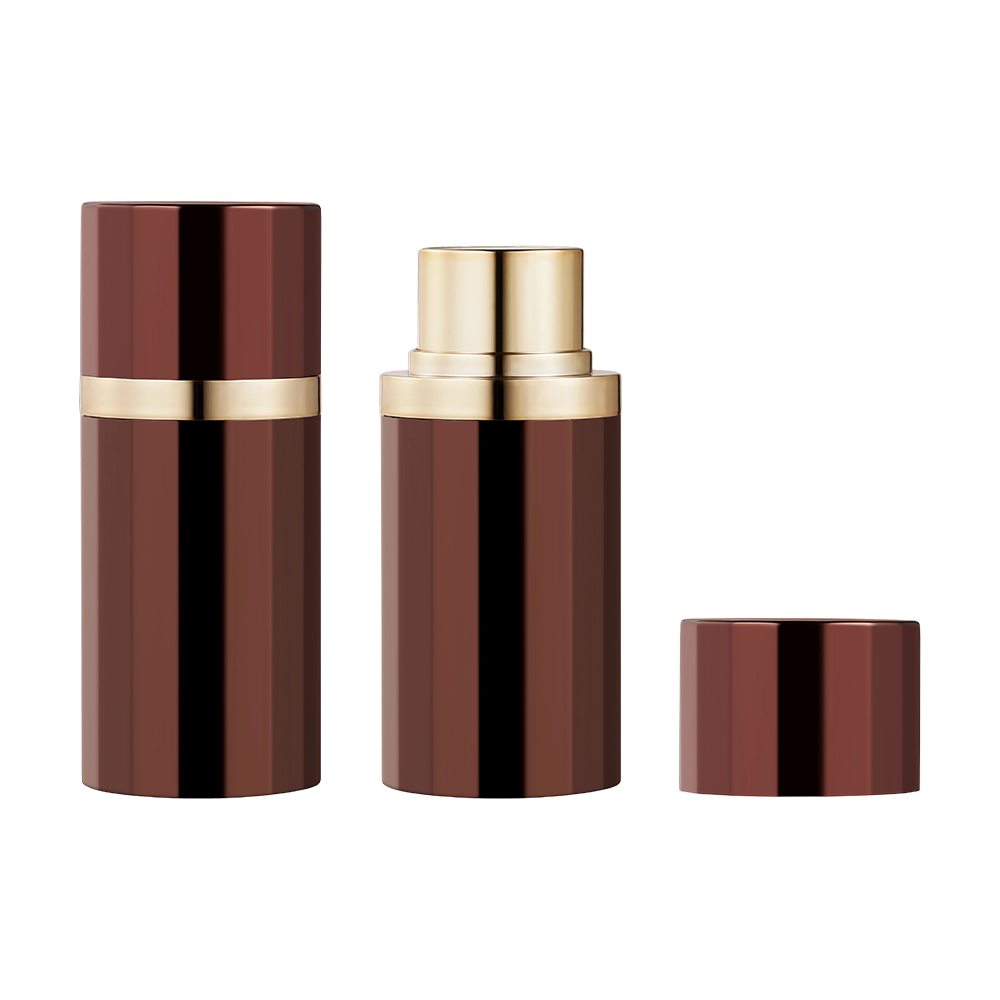
Anodizing, spraying, silk screen, hot stamping, and laser marking all change how a pack ages. Anodized aluminum holds color in the oxide layer and resists wear, sprayed coatings offer a wider color range but can chip at edges, silk screen gives crisp flat color, and hot stamp gives a mirror metallic look that dulls when the foil is specified too thin.
Ask for three checks on decorated samples: an adhesion test with a cross hatch and tape pull, an alcohol rub on printed areas, and a rub test on coating near the cap edge. Also ask how color is matched between batches. A pink that shifts by a visible step between the first order and the reorder becomes a brand problem, and it is far cheaper to agree a tolerated color difference up front.
The most expensive conversations happen after the molds are cut. Put the inspection standard in the purchase order instead: what counts as a scratch, how much gate marking is acceptable, how caps are checked for removal force, and how a leak test is run at what pressure and temperature.
A workable starting list for color cosmetics includes appearance under defined lighting, fill capacity with a tolerance, key dimensions, cap torque or removal force, leak or vacuum testing, a drop test on the packed component, formula compatibility over a set storage period, and print position. Documented expectations already exist for most formats, and the basic quality requirements for cosmetic packaging appearance make a sensible foundation for your own checklist.
Refillable lipstick cases and aluminum mascara tubes are the two proposals that hold up best, because both cut material per use without asking the consumer to change routine. What does not hold up is vague language. A pack is recyclable only where the local stream accepts it, and a coating can quietly make an aluminum shell unrecyclable in practice.
In practice that means choosing one material per part where possible, keeping decoration away from the areas a recycler sorts by, and designing the refill so it cannot seat in the wrong orientation. If you plan to print a claim, collect the evidence first.
The design brief is only half the work. The other half is whether the supplier can hold tolerance at volume. Ask how many parts are made in house, whether aluminum and plastic come from the same site, and how a color or dimension drift is caught before shipping. A manufacturer running both aluminum and plastic lines can adjust two sides of a fit problem at once, which shortens the loop between a failed sample and a corrected one.
Ningbo Huiho Cosmetics Packaging works this way, with two factories, in house aluminum and plastic production, and development from a drawing or a physical sample. When you send that sample, include the filling speed, the formula type, and the market it ships to. Those three facts change wall thickness, seal design, and decoration method more than any style reference does.
Cosmetic packaging design is a sequence, not a mood. Get the inside right, and the outside has something solid to sit on.