Hello Ningbo Huiho Cosmetics Packaging Co., Ltd. - China Mascara Tubes Packaging Manufacturers


A brand owner receives two quotes for the same lip gloss case. One quote is 12 percent lower, but the supplier cannot explain the wiper, the neck finish, or how the decoration trial will be approved. That gap matters more than the unit price. The right cosmetic packaging factory should connect component design, material choice, decoration, and inspection before production starts. If it cannot document those links, the lower quote often returns as a delay, a rework batch, or a launch with inconsistent color.
The practical test is simple. Ask the factory to walk through the full pack, from resin or aluminum to the filled unit on the line. A capable supplier will name the risks, show samples, and put tolerances and approval steps in writing. A catalog alone cannot prove that level of control.
Content
Catalogs show shapes and finishes. A factory shows control. When you evaluate a cosmetic packaging factory, separate sales material from production evidence. Ask which operations happen inside the plant, which are outsourced, and who signs the inspection report. For a lipstick shell, the answer should cover metal forming, plastic molding, surface treatment, assembly, and final quality checks. For a mascara tube, it should cover the tube, cap, wiper, and brush fit as one system.
A company such as Ningbo Huiho Cosmetics Packaging Co., Ltd. describes two owned factories and in-house production for both aluminum and plastic parts. That structure is relevant because color cosmetics packaging often combines materials in one unit. A metal cap may sit on a plastic bottle, or an aluminum shell may need a plastic mechanism. When two suppliers make those parts, tolerance stack can drift between them. When one factory controls both, the interface can be adjusted before samples are signed off.
Scale is useful, but it is not the same as attention. A plant with 300 staff and a broad product range may have capacity, yet your order still needs a named engineer, a sample schedule, and a defect standard. Ask how the factory handles a new mold, a color match, and a last-minute artwork change. The answers reveal whether the factory is built for repeatable production or only for catalog sales.
Vertical integration is not a slogan. It changes how problems are solved. Ningbo Huiho reports two factories and in-house aluminum and plastic production. In practice, that matters for lipstick tubes because the shell, thread, cap fit, and decoration interact. If the anodizing line changes the outer diameter, the cap may feel tight or loose. If the plastic mechanism is molded elsewhere, the thread engagement may not match the metal body. A factory that controls both sides can correct the interface before mass production.
Product range is another checkpoint. Huiho lists lip gloss tubes, mascara tubes, lipstick tubes, eyebrow and eyeliner cases, and concealer, blush, and highlight sticks. A wide range is helpful only if the same plant can repeat the finish, seal, and mechanism across those categories. Ask for the last three production examples in your category, then compare the surface consistency, cap alignment, and assembly feel. A broad catalog without process depth creates sourcing risk.
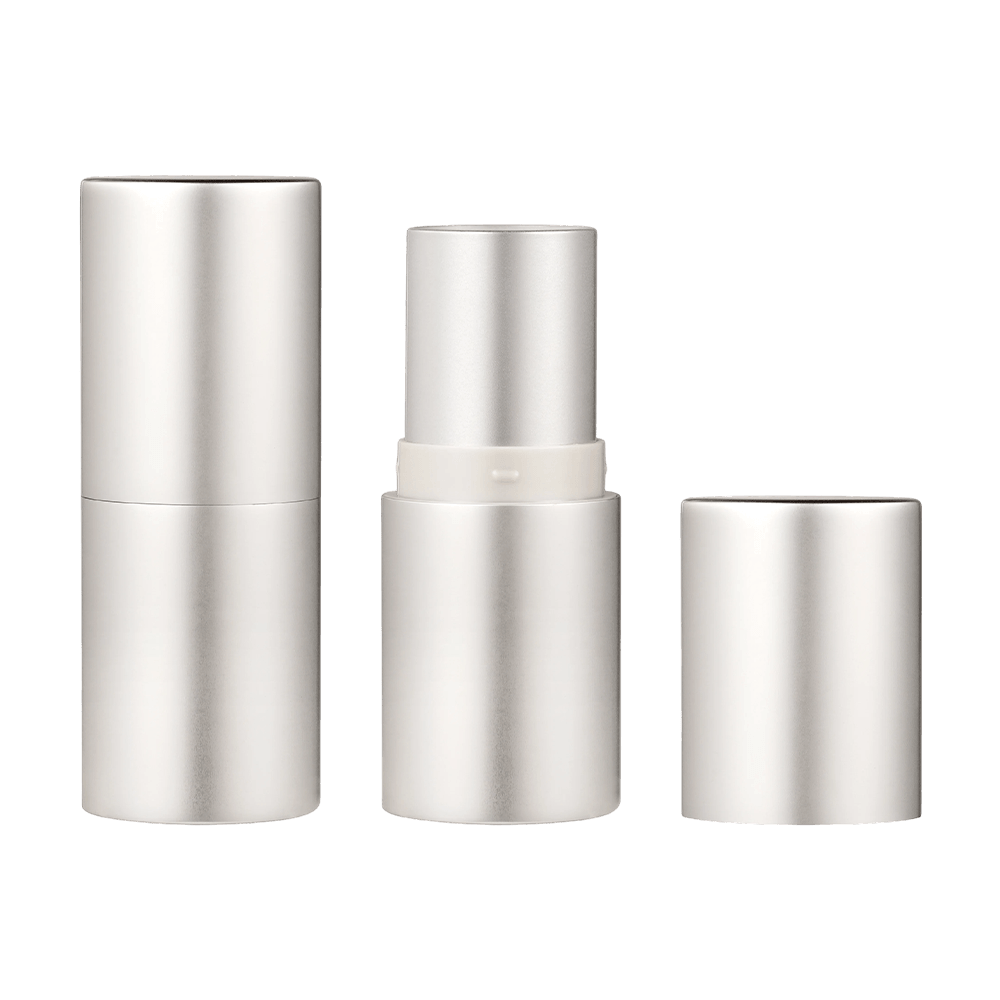
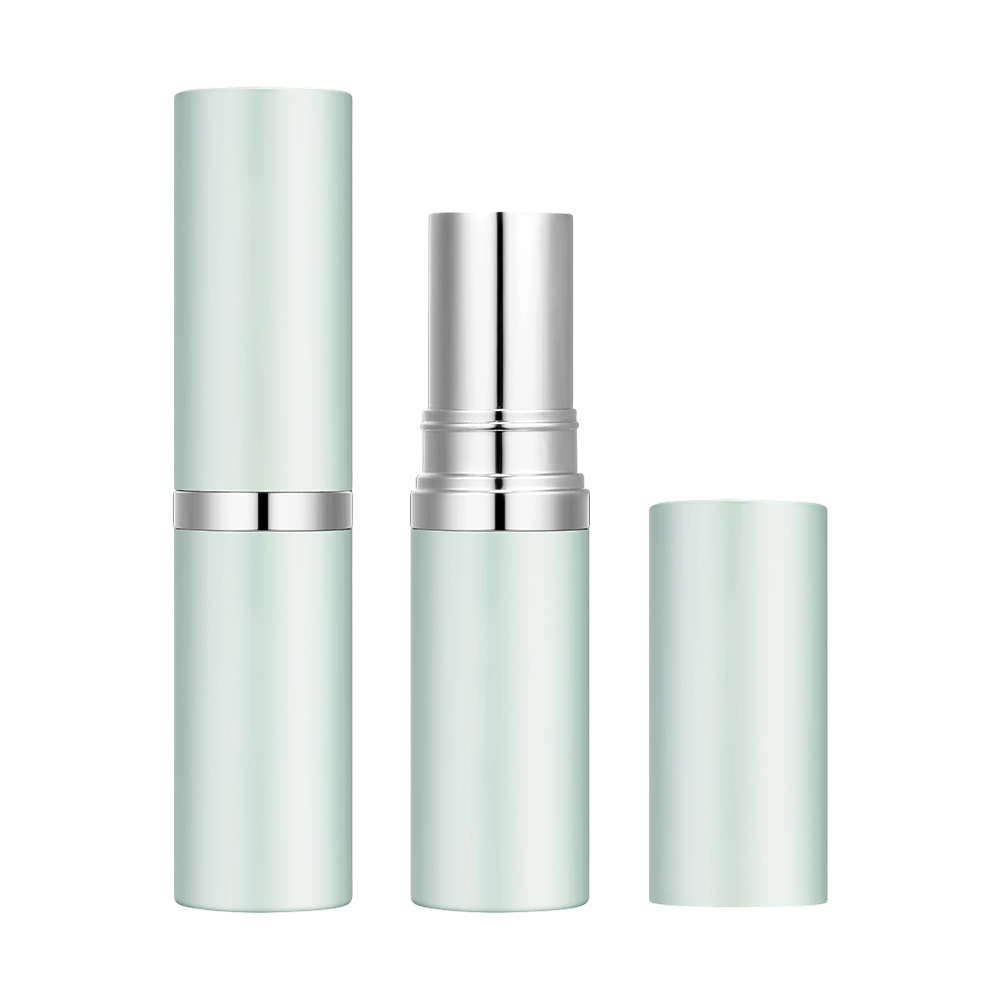
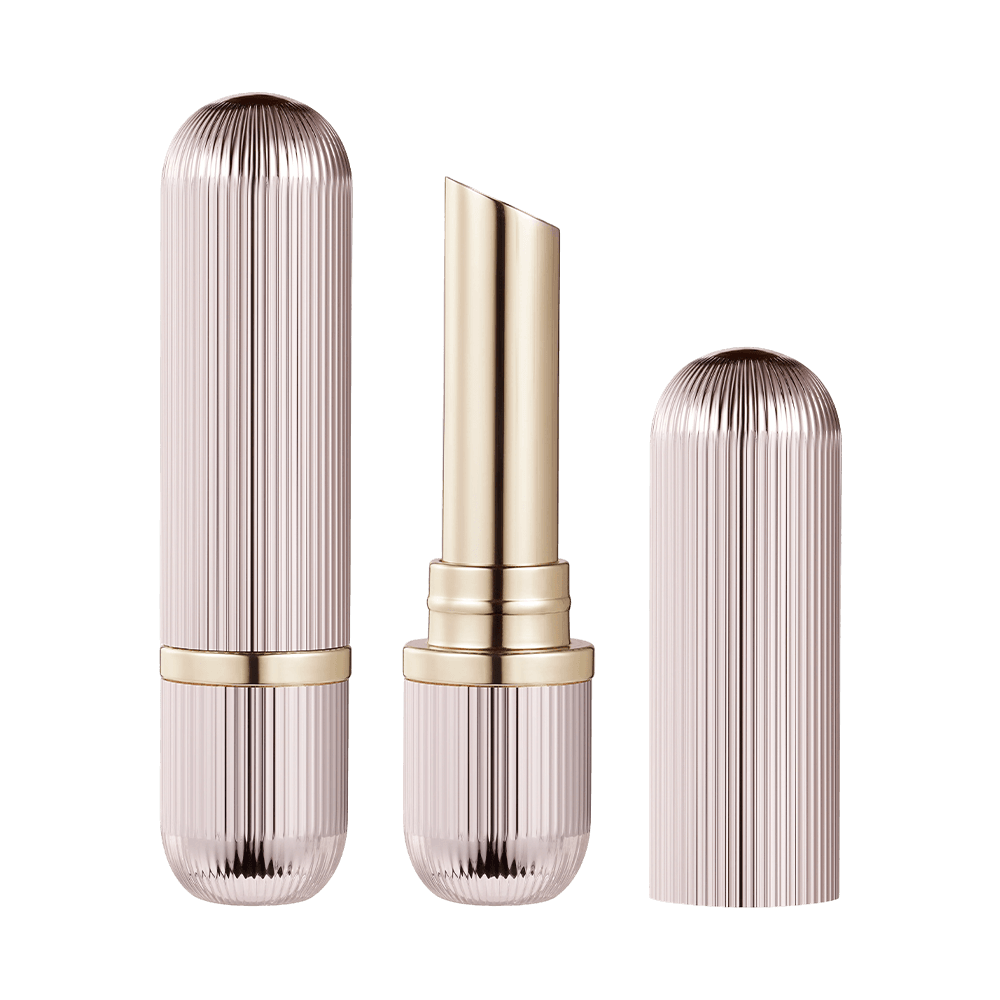
 Huiho HL8253 Lipstick Case for Cosmetic PackagingModel HL8253 lipstick case with Φ20.8 x 77.5 mm body and Φ12.1/12.7 mm cup; listed for wholesale cosmetic packaging with 20k MOQ and 50-day delivery.View Product →
Custom development is the next layer. A factory may claim design support, but the real question is whether it can work from a drawing, a sample, or a target price without losing the seal or the user experience. Huiho states that it has an R and D team and can develop products from customer drawings or samples. Use that claim as a starting point, not a conclusion. Request a technical review before tooling, with wall thickness, fit, decoration, and filling method marked on the drawing.
Material selection is not a beauty contest between aluminum and plastic. It is a fit test between the formula, the filling line, the decoration plan, and the user's hand. Aluminum gives rigidity, a metallic look, and good barrier properties when the alloy and coating are correct. ABS and other plastics can deliver sharp mold detail, strong color, and lower weight. PET is common for eyeliner bottles and slim gloss components where clarity and chemical resistance matter. PP often appears in wipers and inner caps because it offers flexibility and chemical compatibility.
| Material | Common use in color cosmetics | Watch point at quotation stage |
|---|---|---|
| Aluminum | Lipstick shells, mascara tubes, concealer sticks | Alloy grade, anodizing or spray consistency, thread wear after repeated open and close |
| ABS | Lip gloss cases, thick-wall caps | Gloss level, mold texture, solvent resistance after filling |
| PET | Eyeliner bottles, slim gloss components | Clarity, crack resistance, neck finish and cap fit |
| PP | Wipers, inner caps, mascara components | Flexibility, chemical compatibility, dimensional stability |
Decoration must be quoted with the same precision. Anodizing, spraying, silk screen, thermal transfer, and polishing do not produce the same result on every substrate. A metallic look may require a specific base coat. A soft touch finish may scuff during filling. A white logo may shift against a deep red or black background. The factory should name the process, the masking plan, and the adhesion test. For a deeper review, this material selection guide is useful, but the final choice still belongs in your approved sample.
Quality control should begin with a written defect list, not with a final inspection. Before mass production, agree on appearance under controlled light, viewing distance, and sample size. For color cosmetics packaging, small visual defects can trigger rejection even when the part functions. Define what counts as a scratch, a flow mark, a color shift, or a cap alignment issue. Then tie each defect to an inspection method.
A lab and testing equipment are only useful when the inspection plan is agreed before production. Ningbo Huiho states that it has its own laboratory and testing equipment. Ask to see the incoming material record, the in-process check, and the final release report for a comparable product. If the factory cannot show how it separates cosmetic defects from functional defects, the risk moves to your filling line.
Most color cosmetics programs need more than one pack, and the factory should show that its process carries across categories. A lip gloss case may need a firm cap feel, a clean neck finish, and a decoration that survives handling. A mascara tube needs a wiper, a brush, and a cap seal that work with the formula. A concealer stick needs a smooth mechanism and a surface that does not chip during daily use. These are different problems, but they share the same approval discipline.
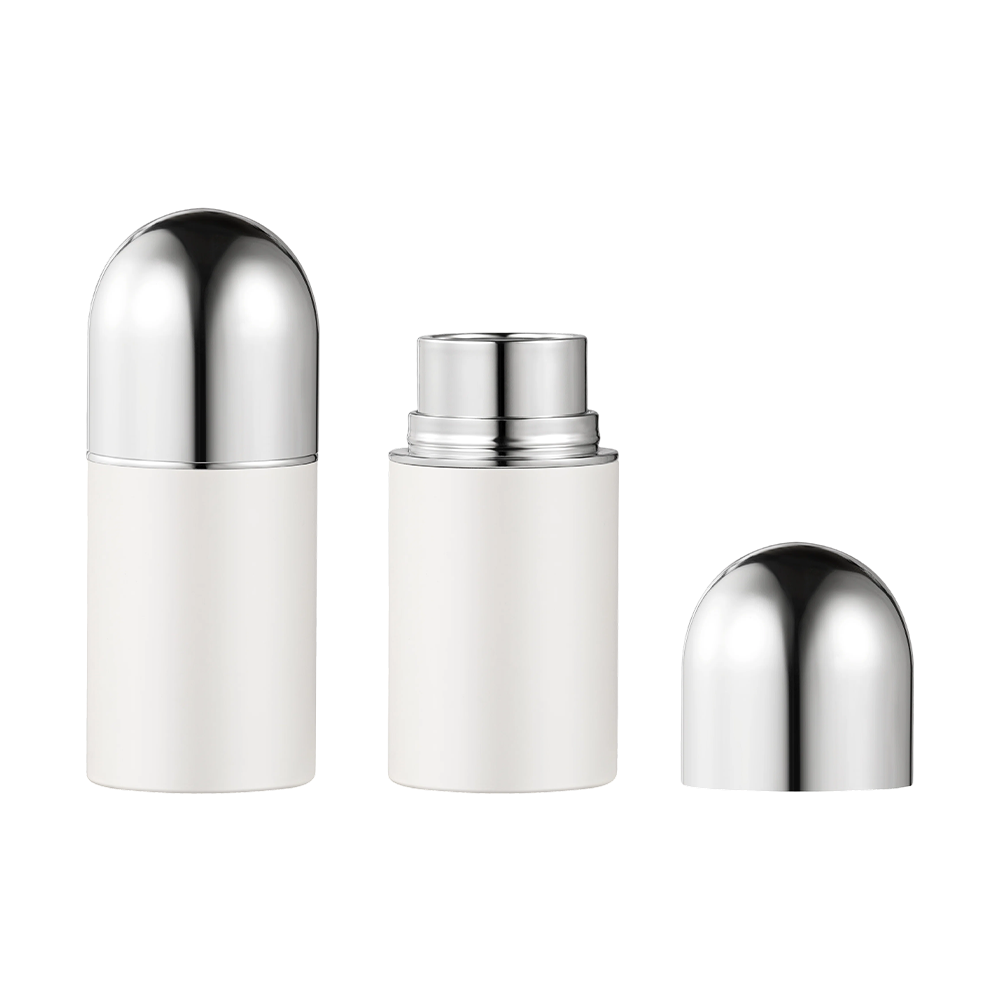
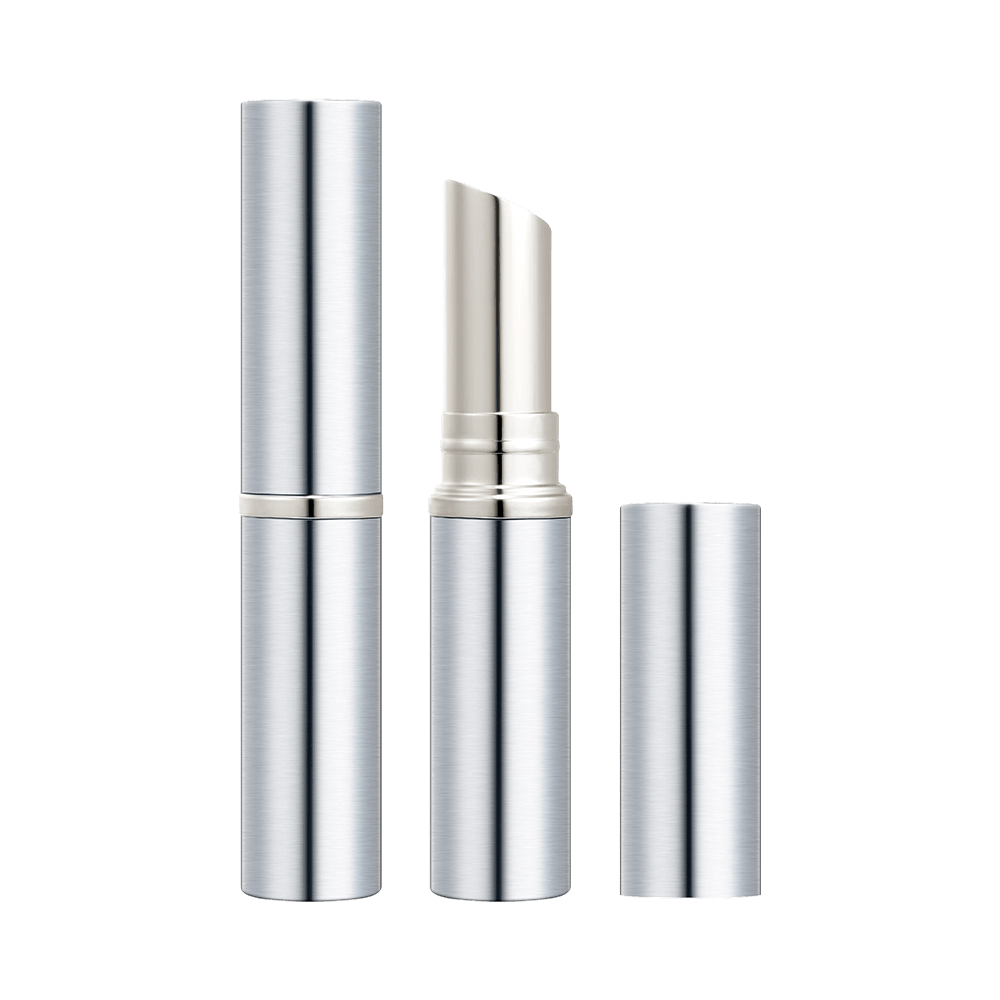
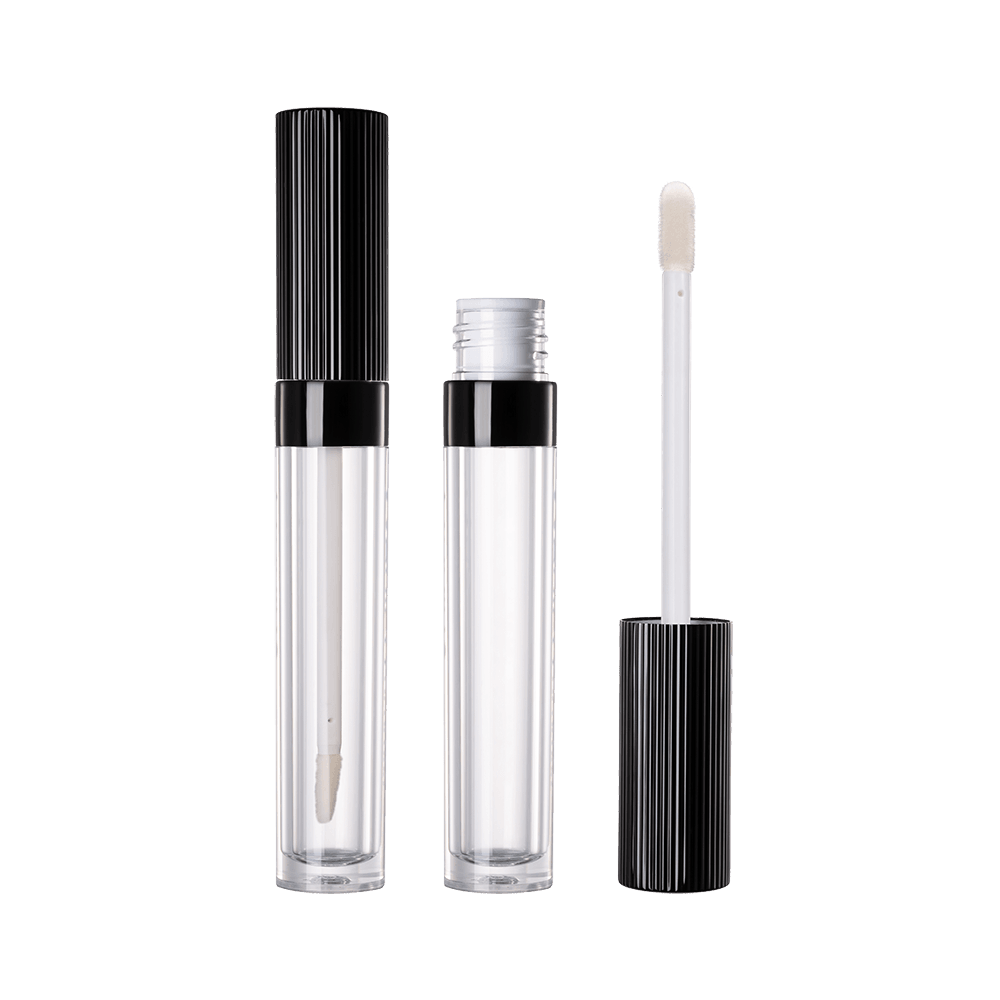 Huiho LG048 Lip Gloss CaseModel LG048 lip gloss case measuring Φ17.4 x 118.6 mm, offered for wholesale cosmetic packaging with FOB terms, 20k MOQ, and 50-day delivery.View Product →
For lip color, start with the filling method and the viscosity of the formula. A slim round case may look elegant, but the neck opening and cap thread still need to match your filling nozzle. For eye products, the wiper is not a minor part. It controls how much product leaves the tube and how clean the brush looks on the first stroke. For concealer, the mechanism and the inner coating deserve equal attention because a stick can fail at the twist or at the surface.
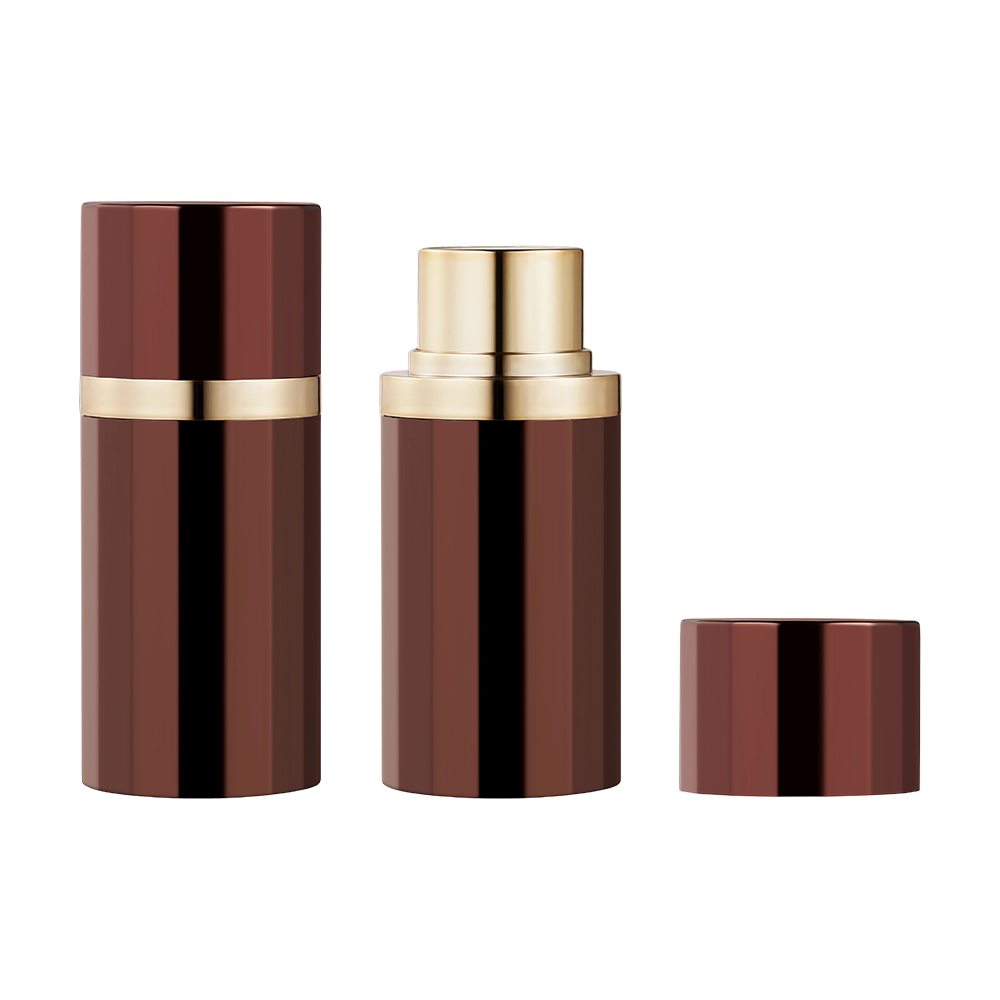
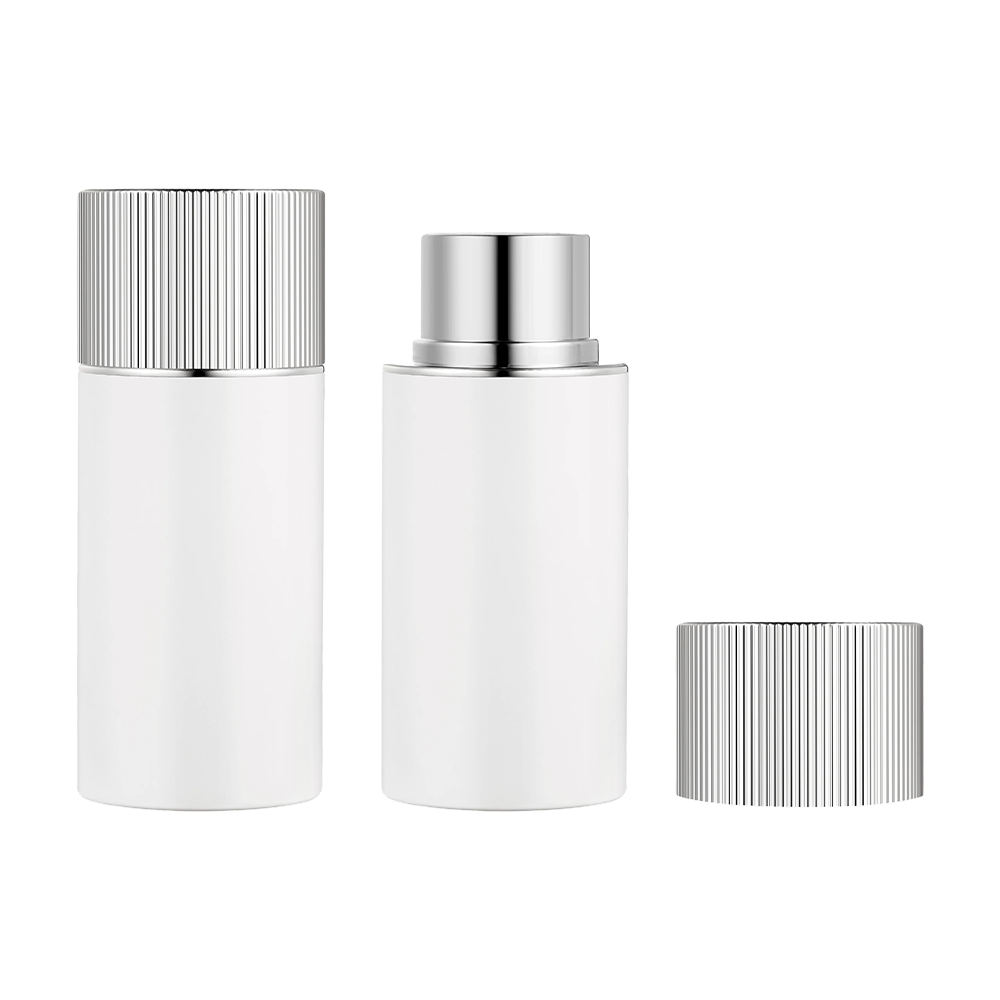
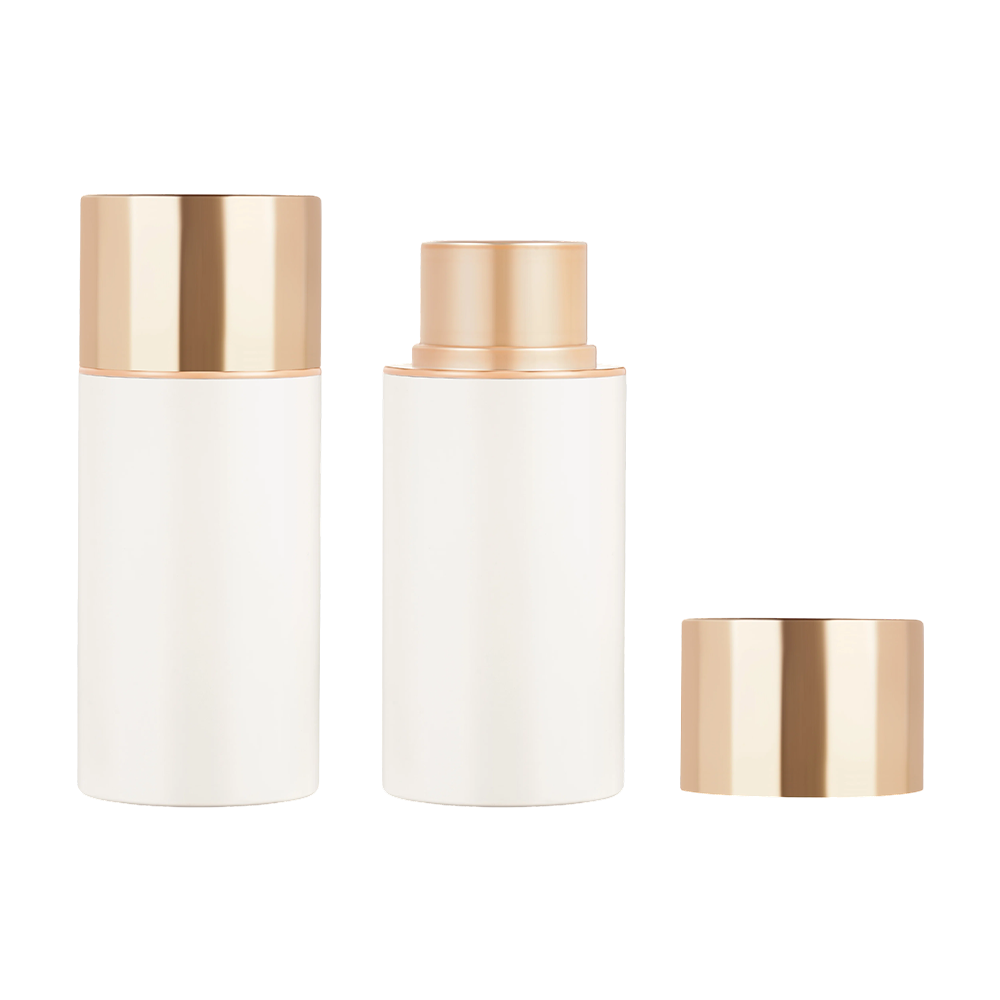
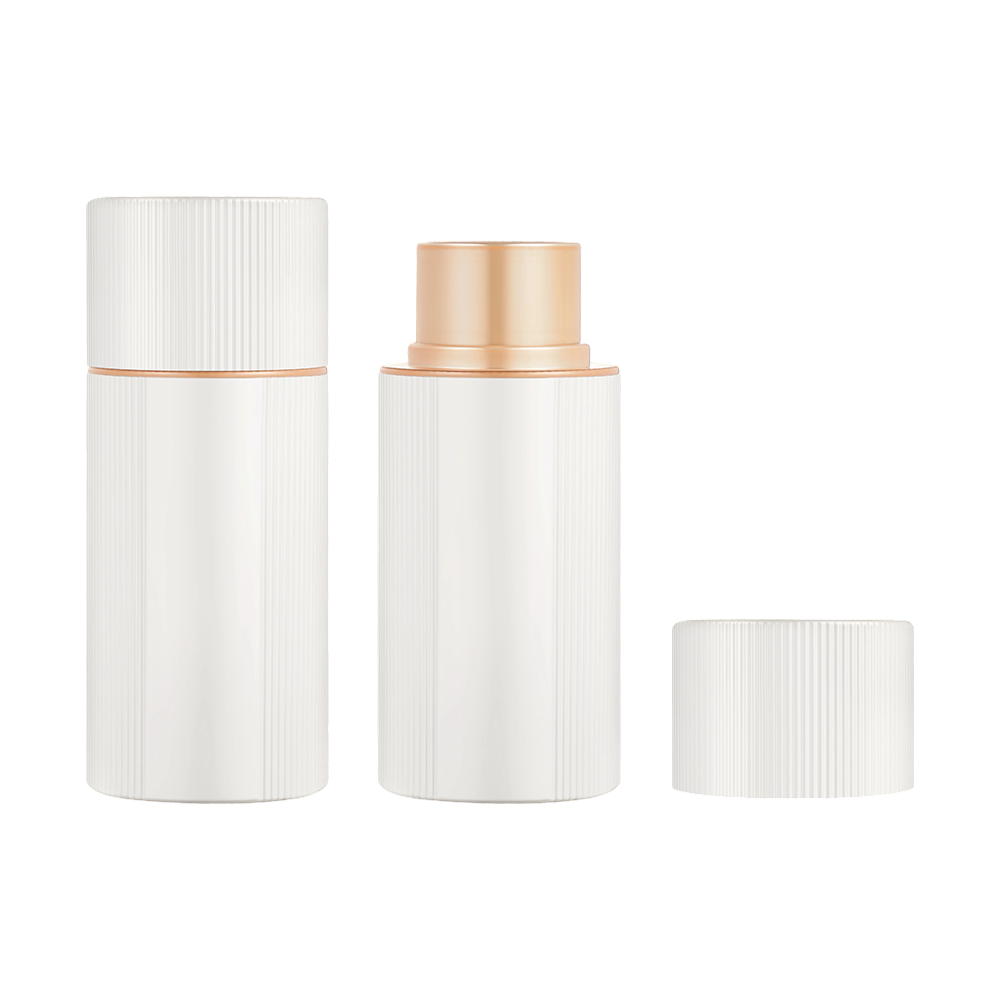
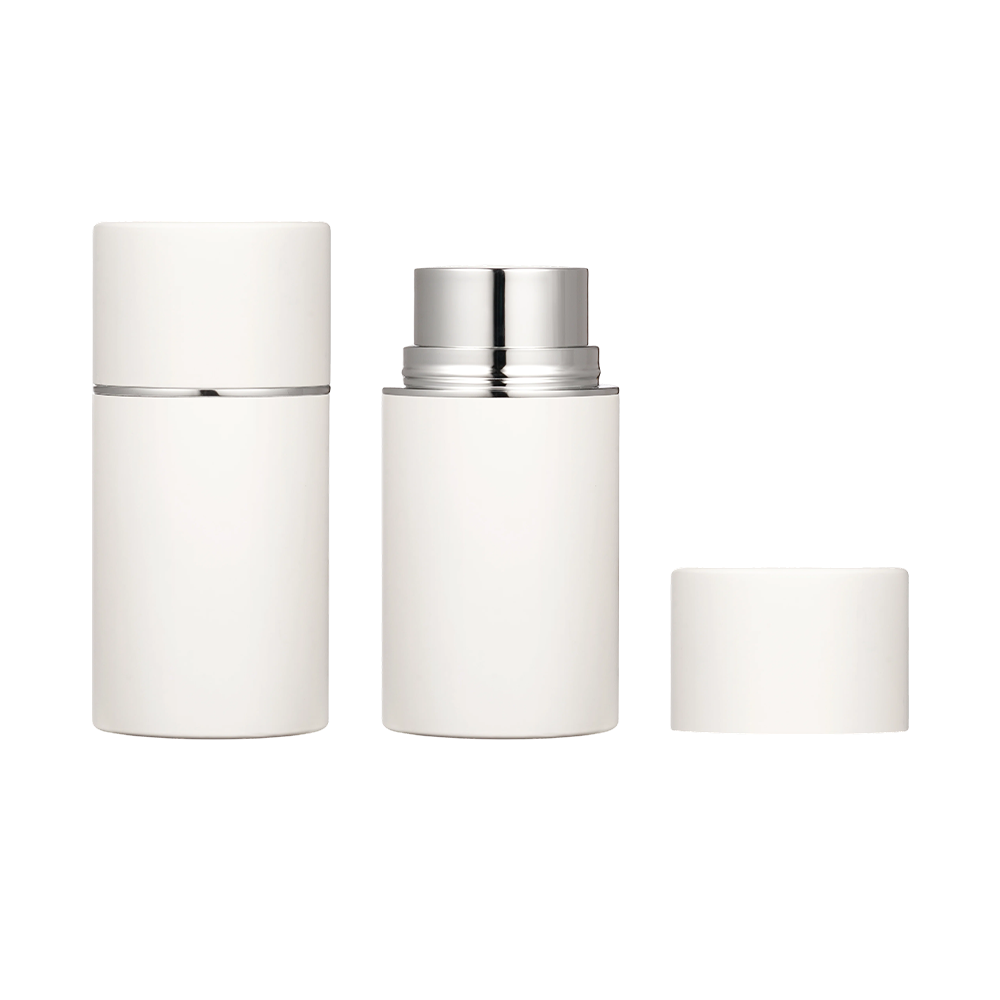
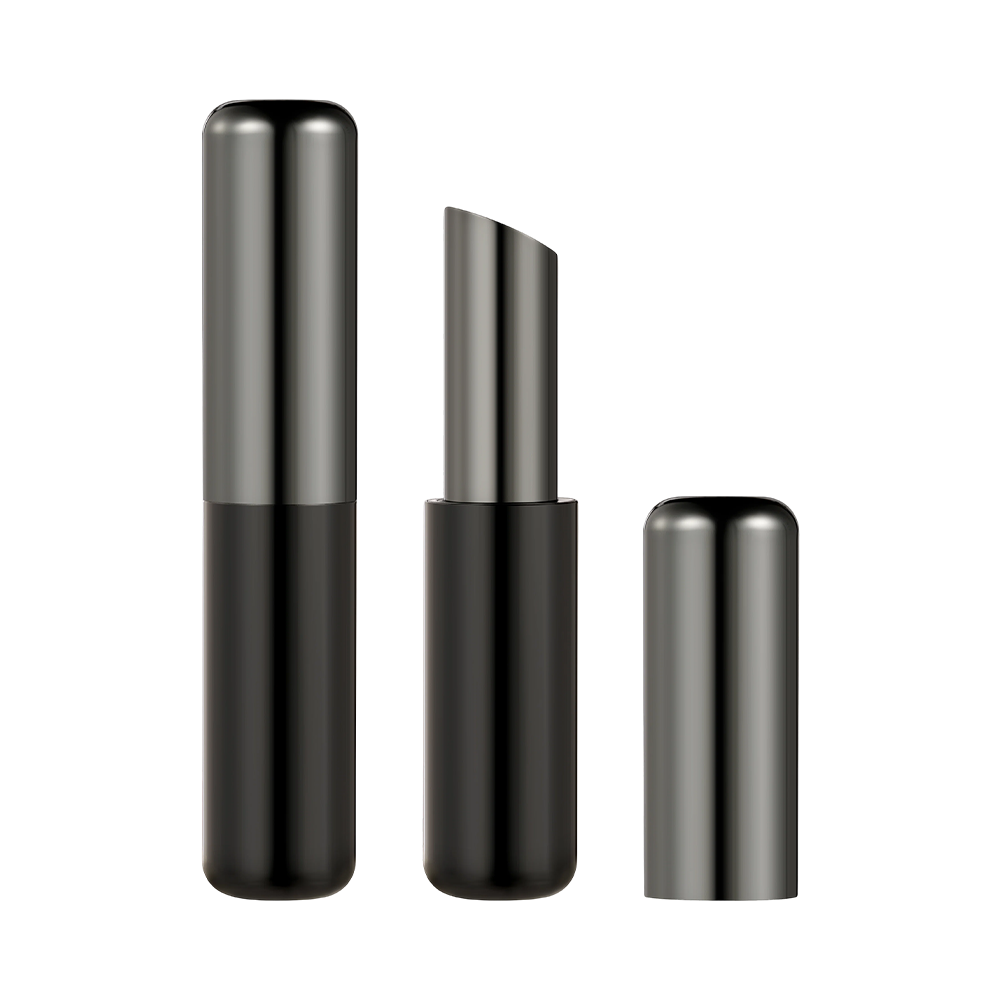
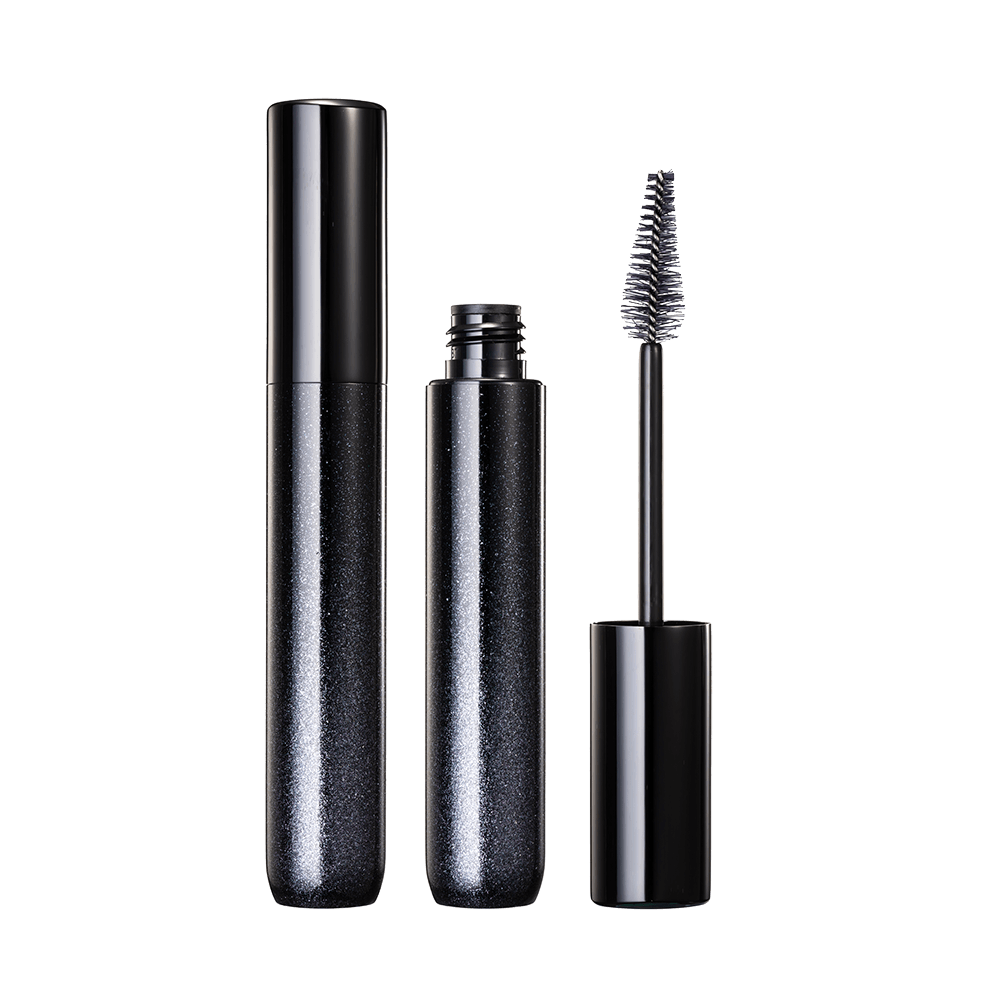 Huiho HM1200 Mascara Tube CaseModel HM1200 mascara case measuring Φ19.4 x 128.6 mm, available for wholesale cosmetic packaging with FOB terms, 20k MOQ, and 50-day delivery.View Product →
A good factory will not treat these categories as separate catalogs. It will ask for the formula, the target fill weight, the application feel, and the shipping route, then show where the design has margin. If a supplier only sends a photo and a price, you have not yet reached the technical conversation.
Factory direct pricing is real only when the specification is fixed. A low unit price can hide tooling, decoration plates, sample fees, carton testing, or a higher minimum order. Before comparing quotes, put the same package on the table: material, capacity, decoration, artwork, packing method, and target market. Then ask each factory to quote the same scope. If one quote omits a mold or a print plate, the comparison is false.
MOQ and lead time should be in writing, with sample dates tied to artwork approval. Ask who owns the mold, what happens if the order repeats, and how the factory handles a color change between batches. For a new cosmetic packaging factory, request a production schedule that shows tooling, sampling, pilot run, and mass production. A plant with two factories and a large workforce may have capacity, but capacity is not the same as scheduling priority for your line.
Finally, check the export routine. Huiho states that its products reach customers in 20 domestic provinces and in Europe, the Americas, the Middle East, and Southeast Asia. That reach is useful, but it should come with packing standards for long transit, moisture control, and carton drop. Ask for the loading plan and the shipping sample. A packaging factory that understands export damage will design the inner tray and the master carton as part of the project, not as an afterthought.
Sustainability claims need a material trail. Aluminum is often promoted for recyclability, but the coating, ink, and mixed-material assembly affect the real outcome. A refillable lip gloss tube may reduce waste, yet it only works if the refill mechanism is easy to use and the outer case survives repeated handling. PCR plastic can help, but the percentage and the source should be documented. Do not accept a general eco claim without a material certificate, a recycled content figure, and a decoration plan that supports the end-of-life route.
Compliance questions should match your market. Ask for heavy metal limits, migration test reports, and artwork rules for the destination. If the package will contact a formula with alcohol, oil, or fragrance, confirm the inner coating and the adhesive used on any label or decoration. A responsible factory will state what it can test in-house and what it sends to a third party. That clarity protects both the brand and the production schedule.
Shortlist no more than three cosmetic packaging factories, then score them on the same evidence. Give each one an identical brief with your formula, fill weight, decoration, target cost, and launch window. Request a technical review, a sample with your formula, and a written inspection plan. Visit or audit the plant if the program is large enough, and confirm which machines, labs, and finishing lines will handle your order.
The strongest factory will not promise zero problems. It will show how problems are caught early: a drawing review before tooling, a pilot run before mass production, and a defect standard before shipment. That habit is more valuable than a glossy catalog. Use it to judge whether the factory can carry your packaging from concept to a repeatable, line-ready unit.