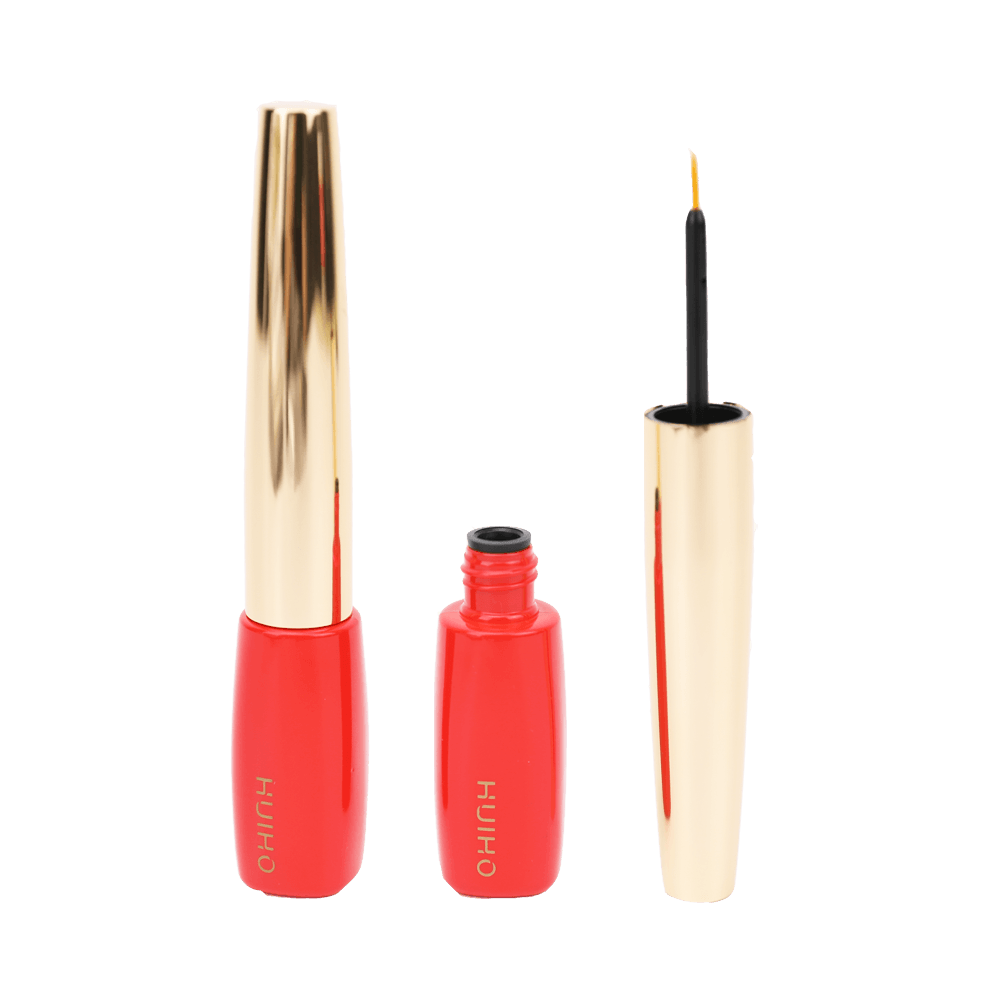
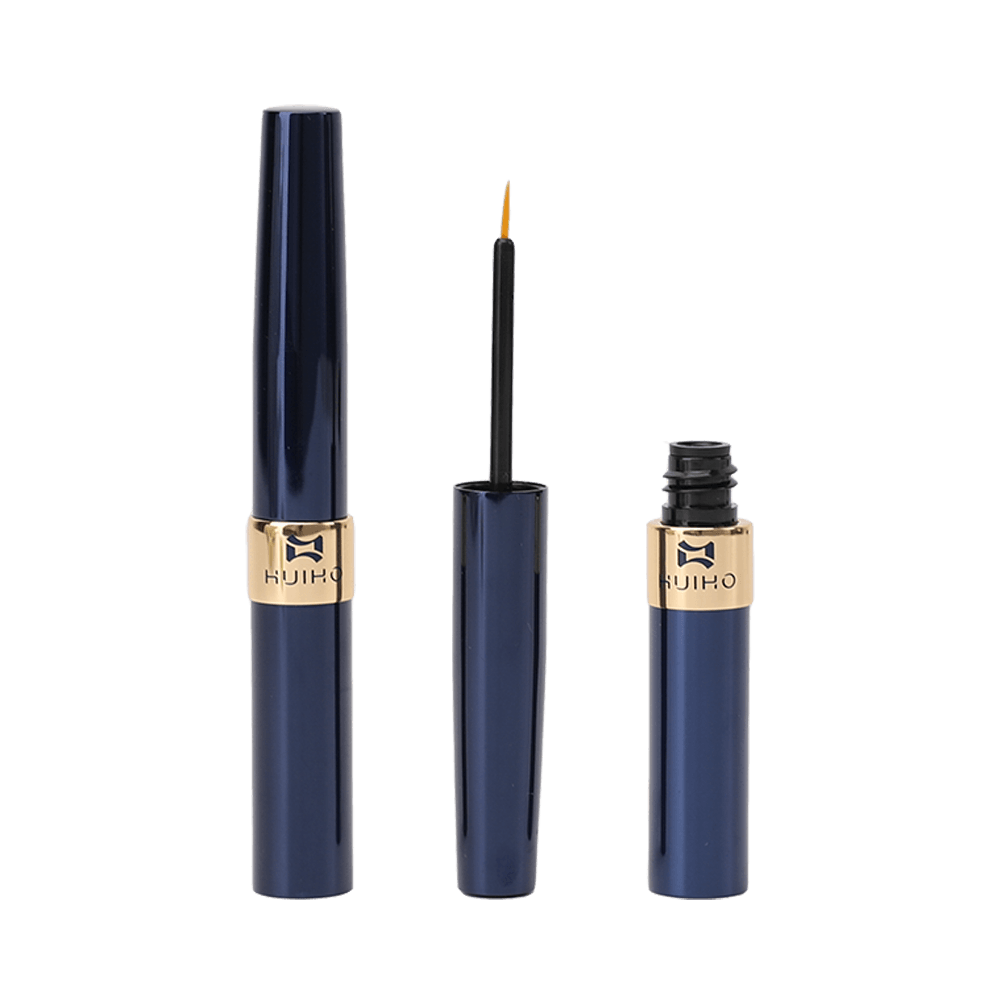
Hello Ningbo Huiho Cosmetics Packaging Co., Ltd. - Empty Eyeliner Tubes Suppliers


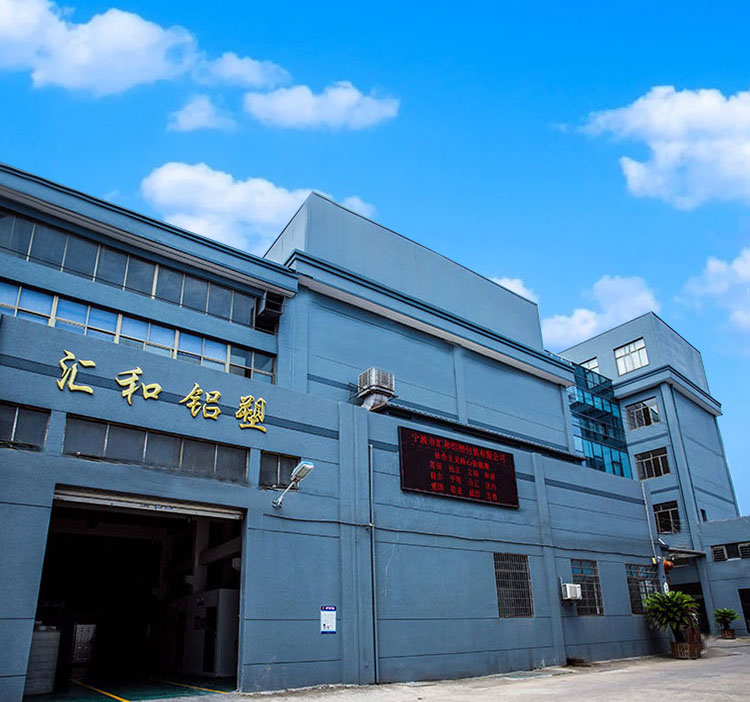
Ningbo Huiho Cosmetics Packaging Co., Ltd. is located in Ningbo, Zhejiang Province, which is known as the "Venice of the East". It is a professional manufacturer of large-scale daily cosmetics packaging in China. After years of continuous research, development and innovation, the product has won praise and trust from domestic and foreign merchants. It has a reputation in the same industry and has set a model for the cosmetics packaging industry.
The color cosmetic packaging (such as lipstick tube, mascara tube, eyeliner, lip gloss, etc.) produced by the company is at the top of the industry with the advantages of "novel style, excellent quality, reasonable price, bright color, and wide variety". As Empty Eyeliner Tubes Manufacturers and Custom Empty Eyebrow Pencil Tubes Suppliers and Company in China, The customers are more than 20 domestic Our products are exported to many regions and countries in Europe, America, Middle East and Southeast Asia.
Strength determines development, and scale makes the future. Huihe Aluminum Plastics will continue to adhere to the policy of "excellent quality, innovative pursuit, rigorous management, and perfect service", adhere to the business philosophy of "customer first, service first", and "winning by quality" , With the corporate tenet of "Prosperity with sincerity", adding brilliance to the daily cosmetics packaging market. No matter when, Ningbo Huihe will serve you wholeheartedly, and warmly welcome new and old customers at home and abroad to go hand in hand with us to create brilliant!

35Million branch
Annual output

300Workers
Number of company

20Province
Products throughout
An eyebrow and eyeliner tube is the empty packaging component used to hold a pencil style or gel based eye and brow formula before it reaches a retail shelf, and it generally combines three working parts: an outer barrel, an internal mechanism or felt applicator socket, and a cap that protects the tip between uses. For brands sourcing empty eyeliner tubes or eyebrow pencil tubes, the most practical starting point is matching the barrel diameter, length, and cap closure style to the formula viscosity and the chosen applicator, since these details determine how smoothly the finished product performs once it is filled. Ningbo Huiho Cosmetics Packaging Co., Ltd. produces a range of these components, including the EYEBROW & EYELINER TUBE line, which covers several barrel widths and cap configurations suited to both liquid eyeliner and solid brow pencil formats. Choosing the right combination early in development reduces the chance of mismatched seals, uneven dispensing, or cracked barrels during transport and daily use. The sections below break down material trends, common dimensions, and selection factors that are useful when comparing different tube options.
The chart above shows how raw material selection currently divides the global cosmetic tube packaging market. According to a cosmetic tube packaging market analysis published by Global Market Insights, plastic tubes account for roughly 60.3 percent of total units produced, reflecting their lightweight structure, low processing cost, and compatibility with a wide range of molding techniques. The remaining share, made up of paper based, aluminum, and composite constructions, continues to expand as some brands look for alternatives that reduce plastic content in everyday eyeliner and eyebrow pencil packaging. For an empty eyeliner tube or eyebrow pencil tube specifically, plastic resin remains the more common choice because it supports fine wall thickness, smooth surface finishing around the applicator socket, and consistent color matching during injection molding. Paper based and composite options are gaining attention mainly in markets where sustainability claims influence purchasing decisions, although adoption for slim eye and brow products is still at an earlier stage compared with larger skincare tubes. Buyers comparing component options can use this material split as a starting point before narrowing down to a specific resin grade, wall structure, or surface finish.
Source: Global Market Insights, Cosmetic Tube Packaging Market analysis, 2025 data; 2027 and 2030 figures are interpolated from the reported compound annual growth rate.
The line chart traces the overall growth pattern reported for the global cosmetic tube packaging market between 2024 and 2034. Based on the 2025 market analysis from Global Market Insights, market value is estimated to move from USD 3.9 billion in 2024 toward roughly USD 7.8 billion by 2034, supported by a compound annual growth rate near 7.2 percent. This upward curve is largely linked to ongoing demand for skincare, personal care, and color cosmetics packaging, including small format components such as eyeliner and eyebrow pencil tubes. Steady growth of this kind generally encourages packaging suppliers to keep expanding tooling capacity, refine cap and applicator designs, and invest in printing or finishing options that help brand owners differentiate their products on shelf. For a packaging buyer, a rising market trend also suggests that mold development, color matching, and quality assurance processes are likely to keep improving as manufacturers compete for new orders. Reviewing a trend like this alongside actual order volumes can help a brand plan tooling investment and packaging timelines more realistically.
Typical Diameter Range Across Tube Components, mm
Figures represent common industry reference ranges for empty eyeliner and eyebrow pencil tube components and may vary by design.
The column chart above lays out typical barrel and applicator diameters found across common eyeliner and eyebrow pencil tube components, expressed in millimeters. These figures represent general industry reference ranges rather than a single fixed standard, since exact dimensions are normally finalized once formula viscosity, applicator type, and cap style have been confirmed. A standard eyeliner tube barrel is often produced close to 10 millimeters in diameter, which keeps the component comfortable to hold while still allowing space for an internal mechanism or felt tip. Eyebrow pencil tubes tend to run slightly wider, often closer to 12 millimeters, to accommodate a thicker wax based core or a built in sharpener chamber. Cap and socket diameters are usually kept close to the barrel measurement so the finished assembly feels balanced in hand and seals evenly along the rim. Confirming these dimensions early in the development process helps avoid later mismatches between the tube, the cap, and the internal applicator.
Matching a tube design to its intended formula and target market is usually more important than choosing a single material or shape in isolation, since the combination of wall thickness, cap closure, and applicator type determines how the finished product feels in daily use. The table below outlines three common tube configurations and the formula types they are typically paired with, based on common packaging industry practice rather than a single fixed standard.
| Eyeliner and brow pencil tube configurations | ||
| Tube Configuration | Typical Formula Type | Common Cap Style |
| Slim twist up barrel | Solid eyebrow or eyeliner pencil core | Snap fit protective cap |
| Felt tip liquid barrel | Liquid or gel eyeliner | Screw cap with sealing ring |
| Dual end barrel | Combined brow and liner formula | Cap on each end with distinct applicator types |
The EYEBROW & EYELINER TUBE series from Ningbo Huiho is one example of how these factors can be combined into a finished component set, offering options across barrel width, cap style, and surface finish for brands working on eyebrow and eyeliner launches.
Quality control for empty eyeliner and eyebrow pencil tubes generally focuses on dimensional accuracy, surface finish, and seal integrity, since small deviations can affect how a filled product performs once it reaches a customer. A structured inspection process helps identify issues before tubes are shipped in bulk to a filling facility.
Following these checks consistently supports more predictable filling line performance and helps lower the chance of returns related to packaging defects rather than the formula itself.
Ningbo Huiho Cosmetics Packaging Co., Ltd. is based in Ningbo, Zhejiang Province, a coastal city sometimes described as the Venice of the East because of its network of waterways and long standing trading links. The company works as a professional manufacturer of large scale daily cosmetics packaging within China, covering components used across eye, lip, face, and brow product categories. Through years of ongoing research, development, and process refinement, its packaging components have built recognition among both domestic and overseas business partners. This steady track record has helped the company establish a reputation within the cosmetics packaging industry and contribute to practices followed more broadly across the sector. The EYEBROW & EYELINER TUBE collection reflects this background, offering brands a practical packaging option built around the material, dimension, and quality considerations outlined earlier in this article.