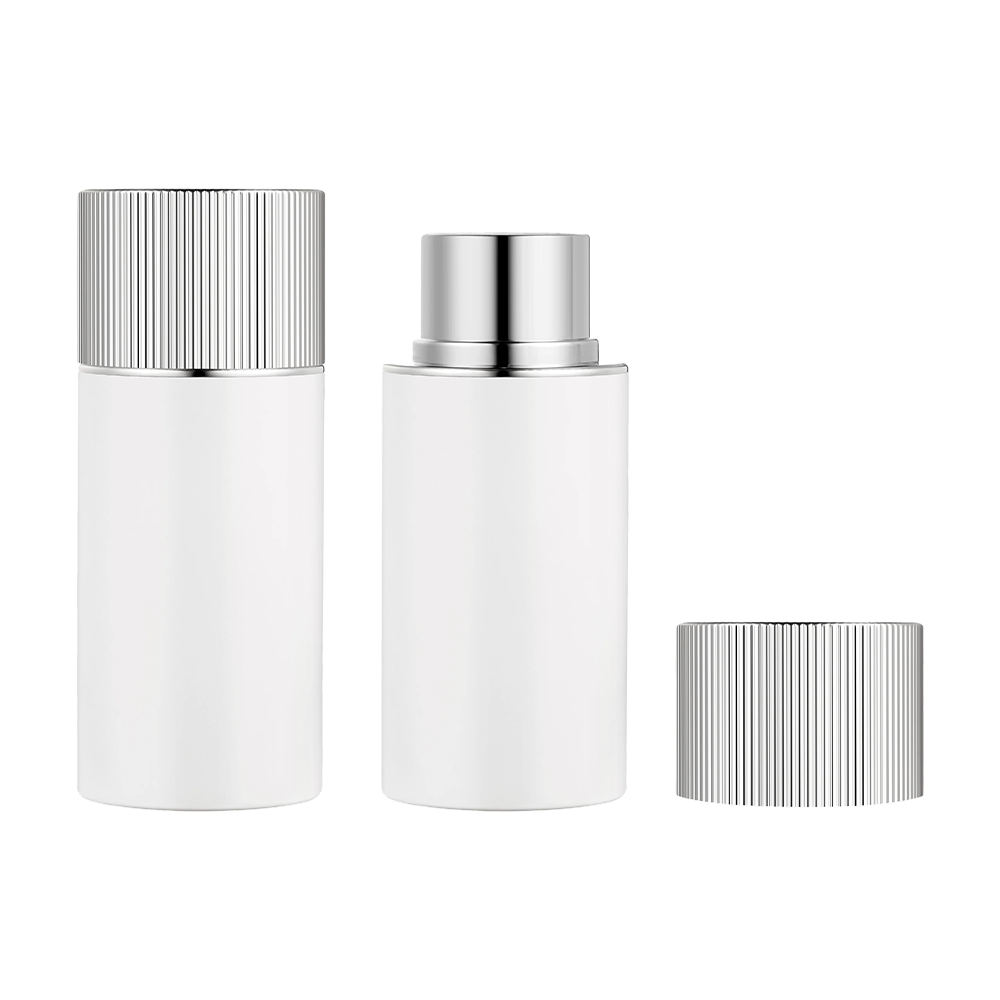
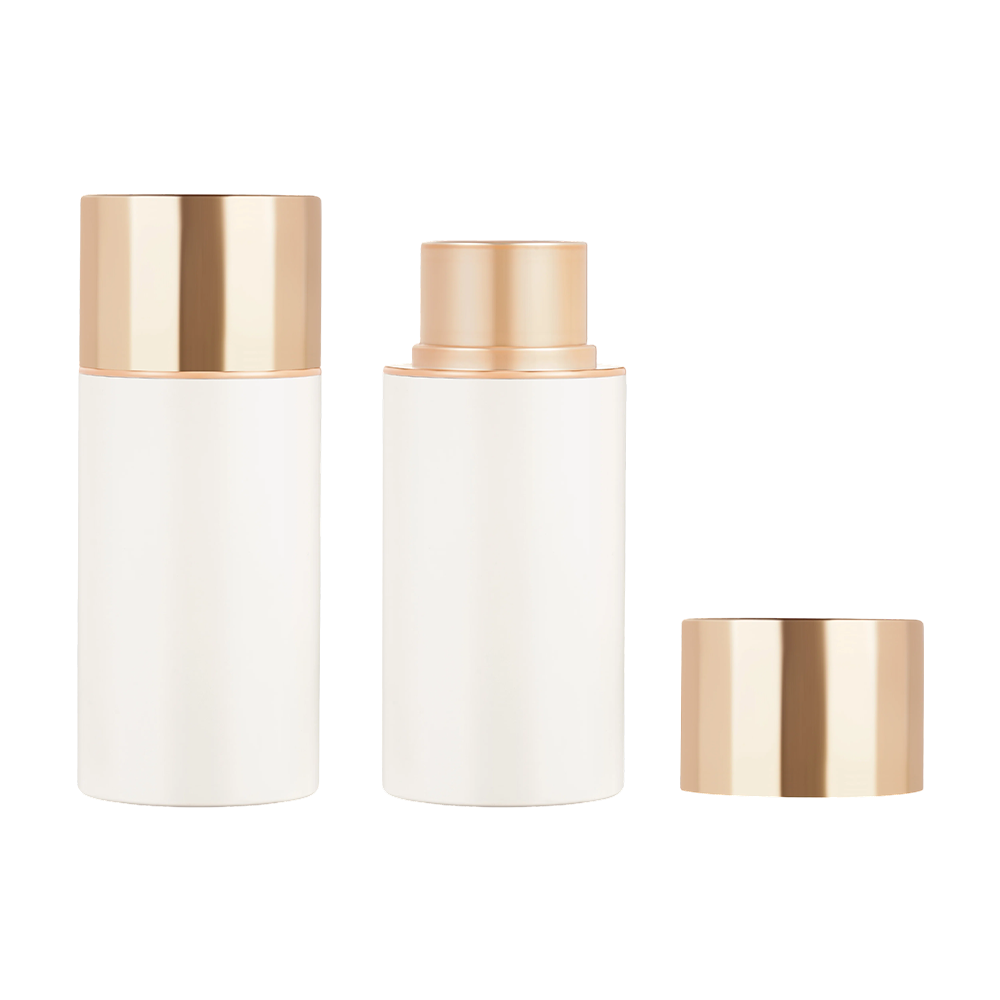
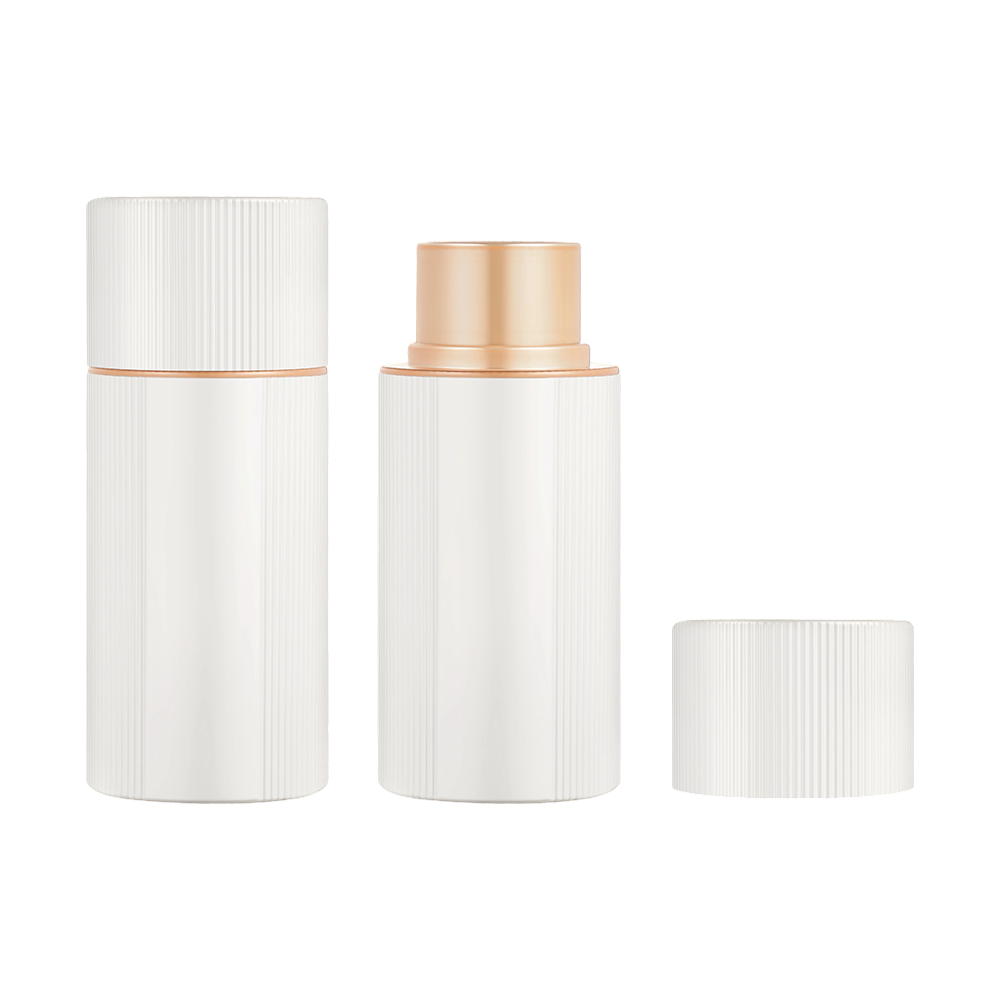
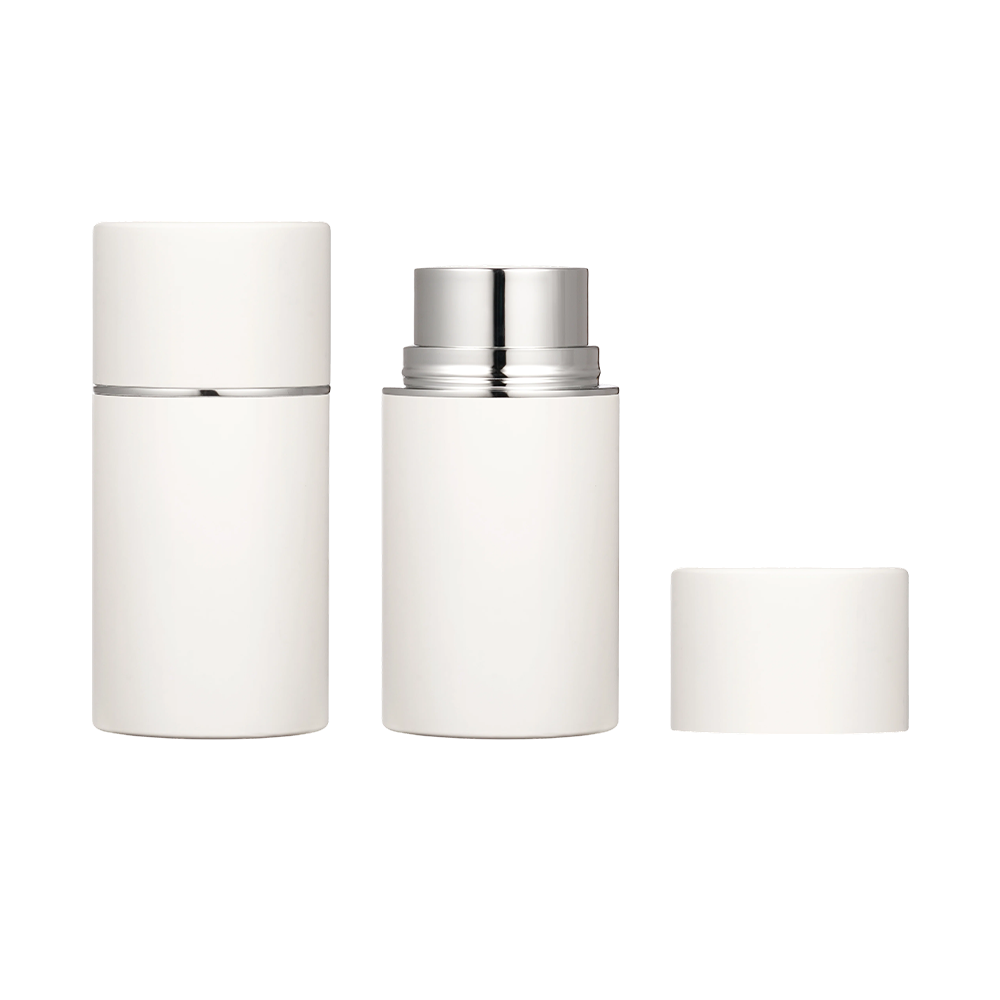
Hello Ningbo Huiho Cosmetics Packaging Co., Ltd. - China Mascara Tubes Packaging Manufacturers


A beauty brand owner once asked me to compare two mascara tubes that looked nearly identical. Both had black bodies and gold trim. One closed with a firm click, protected the formula from air, and guided the wand smoothly. The other felt loose, let moisture in, and left excess product on the brush. The same formula would behave differently in those two packages. That comparison sums up what beauty packaging design really means: the container is a functional component of the product, not just a decorative shell. Every decision about material, closure, surface finish, and dimension affects preservation, user experience, cost, and brand perception. This guide walks through the core choices so you can evaluate samples with more confidence and brief a manufacturer with precision.
Content
Beauty packaging design starts from requirements, not decoration. A mascara tube must seal the formula, position the wiper correctly, and survive months of daily opening and closing. A lipstick tube must protect a soft bullet while opening smoothly and consistently. A concealer stick case must prevent drying while withstanding repeated twist action. Protection always comes first, but it is never the only demand.
In practice, four priorities dominate most design briefs. Brand identity is usually the strongest pull because shape, color, and texture signal product tier and brand personality. Product safety follows close behind, covering barrier properties, sealing, and chemical compatibility with the formula. Usability matters for products used daily: ergonomics, closure feedback, and applicator fit. Cost efficiency rounds out the list, because packaging often represents a substantial share of a product's final price. Sustainability now runs through all four areas as more retailers and consumers ask for recyclable or refillable formats.
The percentages show a typical allocation of attention in brand design briefs. They are meant for directional comparison, not as a statistical claim.
The chart above reflects a pattern that appears again and again in client discussions. Brands usually start from the visual identity because the pack is the most visible part of the product on a crowded shelf. Formula protection follows closely, especially for mascara and liquid lip products that degrade quickly when exposed to oxygen. Usability becomes critical when consumers struggle with a stiff closure or an imprecise wiper. The low weight given to sustainability here does not mean it is unimportant; in recent briefs, recyclable materials and refillable structures have moved from a niche request to a standard question. The practical conclusion is that a good beauty packaging design brief must address all four areas, even when the marketing team is most excited about color and shape.
Material selection drives almost every other design decision. Aluminum has gained ground in mascara and lipstick packaging because of its strong barrier properties, metallic feel, and recyclable profile. Extruded aluminum blocks oxygen and moisture well, keeps volatile formulas fresh, and supports anodized or brushed finishes that plastic cannot truly imitate. Plastic materials such as PET, PP, and ABS keep unit cost low, allow complex internal structures, and work especially well for wipers, caps, and applicators. Neither material is universally better, so the decision should be based on formula sensitivity, target price, product weight, and the haptic impression you want to deliver. A guide to choosing the right cosmetic packaging materials can help you match the substrate to the formula.
If you are sourcing a mascara tube, the material choice also affects how the wiper and brush interact with the container. An aluminum body feels substantial and premium, while a well-engineered plastic tube can replicate the same dimensional accuracy at a lower weight. Many brands combine both: a plastic inner structure for precision and an aluminum shell for appearance.
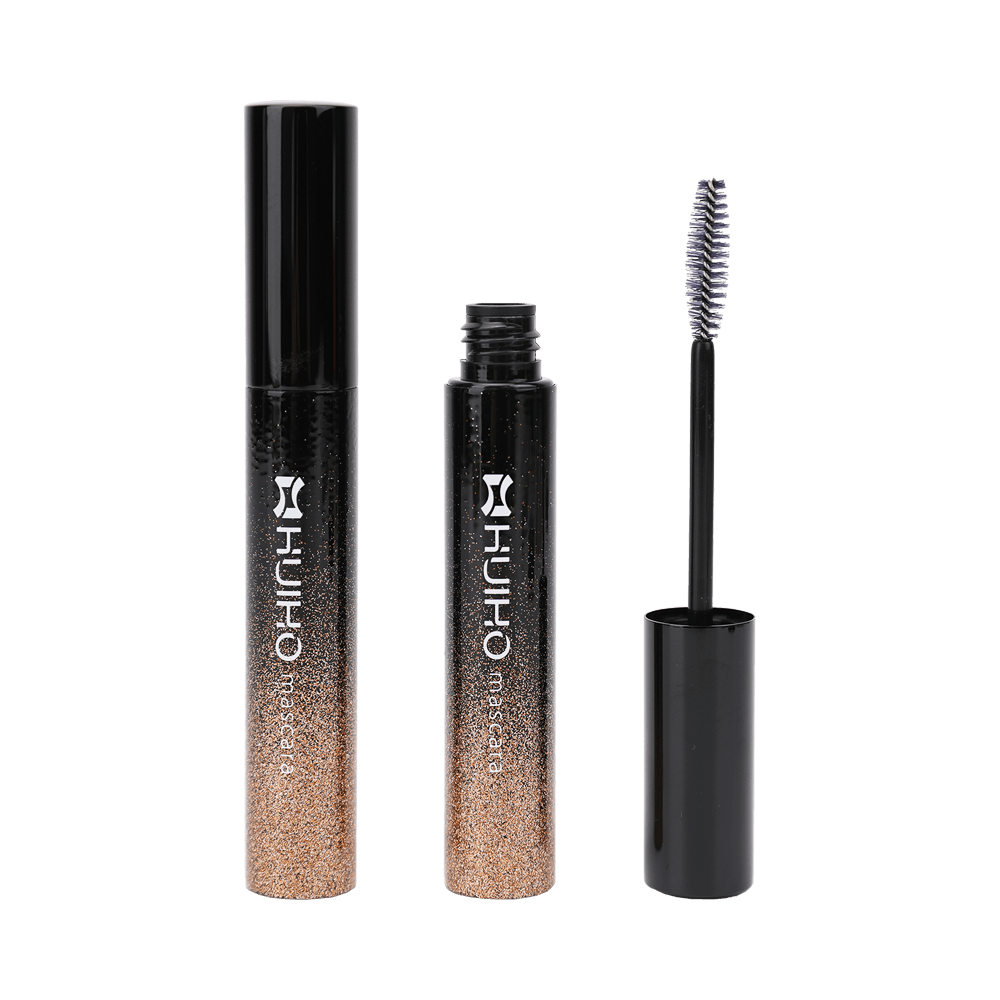 Custom Mascara Tube with Aluminum and Plastic OptionsThis mascara tube combines an aluminum shell with a precision plastic inner structure, supporting both premium feel and lightweight durability. Its dimensional accuracy makes it a relevant choice when evaluating material impact on wiper and brush interaction.View Product →
| Property | Extruded aluminum | PET / ABS plastic |
|---|---|---|
| Barrier to oxygen and moisture | High | Moderate |
| Perceived quality | Premium, metallic | Lightweight, versatile |
| Surface finish range | Anodized, brushed, matte, gradient | Sprayed, painted, plated |
| Recyclability | High when single material | Depends on resin and additives |
| Relative unit cost | Higher | Lower |
| Typical applications | Mascara, lipstick, concealer sticks | Lip gloss, eyeliner, caps, wipers |
Scores are indicative ratings for typical extrusion-grade aluminum and common cosmetic plastics.
The vertical bars show why material decisions involve trade-offs. Aluminum dominates on sealing, perceived quality, and finish range, which explains its popularity in premium mascara and lipstick lines. Plastic wins clearly on cost efficiency, and for a starter brand or a high-volume drugstore product that advantage is hard to ignore. Recyclability scores assume a single-material design; many plastic packages use multiple resins or metal springs, which complicates recycling. The right answer depends on your formula's sensitivity and your price positioning. Many manufacturers offer both material families under one roof, so you can compare samples side by side before committing to a structure.
The parts users touch most are the parts engineers worry about most. A closure must provide clear tactile feedback, maintain sealing pressure for the product lifetime, and feel consistent across thousands of cycles. Snap closures are economical and common in lipstick tubes. Magnetic closures add a premium feel and self-align, which makes opening easier and more pleasant. Button-activated mechanisms appear in special structures and are judged by actuation force and reliability. For mascara, the wiper deserves as much attention as the tube body: its inner diameter determines how much formula is left on the brush, how cleanly the wand withdraws, and how well the formula type is served. Double-end lip gloss tubes require extra care at the central joint to keep two different colors from mixing. If you are developing a mascara line, the best starting point is matching the tube style to your formula.
Illustrative industry trend based on packaging trade show observations and supplier inquiries; actual rates vary by segment and region.
The line chart shows a pattern visible across recent packaging trade shows and manufacturer inquiries. Features such as magnetic closures, refillable structures, and single-material designs have moved from premium novelties to mainstream requests. The share of new color cosmetics packs with at least one of those features has climbed steadily, roughly from 15 percent in 2021 to about half of new launches by 2026. That climb reflects both consumer pressure and retailer requirements. The practical effect is that factories now stock more magnetic and refillable components as standard options, which shortens development time. For a brand, specifying a magnetic closure or a recyclable mono-material tube no longer forces a long custom project.
Surface treatment is where a blank tube becomes a branded product. Anodizing builds a durable oxide layer on aluminum and creates brushed metal, matte, and gradient effects that resist scratching well. Spray painting adds opaque color and soft-touch textures, though consistency depends on film thickness control and curing conditions. Silk-screen printing is a reliable and economical way to print simple logos in one or two colors. Thermal transfer handles fine details, gradients, and small text better on curved surfaces, at a higher cost per unit. Polishing produces a mirror-like metal look that reads as luxury but shows fingerprints easily. These processes are all part of the standard toolkit for cosmetic packaging tube surface treatments.
Indicative capability ratings for typical anodized aluminum and painted or plated plastic surfaces.
The radar chart compares typical capability profiles for anodized aluminum and painted plastic. Aluminum scores higher on scratch resistance because the anodized layer becomes part of the metal surface rather than a separate coating. Premium feel favors aluminum as well, though a well-executed soft-touch paint can narrow the gap. Plastic remains more cost efficient for decorated parts, especially when the decoration requires complex tooling rather than high material quality. The two polygons overlap in the middle, which is a useful reminder that final perception depends on execution quality more than on the substrate alone. A poorly controlled anodizing line will look worse than a well-managed spray painting line, whatever the material.
 Matte Square Lipstick Tube with Anodized Aluminum FinishDesigned for lipstick, concealer, and highlighter sticks, this square tube emphasizes scratch resistance and premium feel. It suits comparisons between anodized aluminum and painted plastic, where execution quality often matters more than substrate alone.View Product →
Custom packaging should start from engineering requirements, not just from a rendering. Before contacting a factory, define the following inputs:
Those inputs determine the tube diameter, wall thickness, wiper geometry, and sealing method. For example, a liquid eyeliner needs a precise spiral or snap closure with a reliable inner seal, while a concealer stick needs a mechanism that advances the product evenly without forcing it back into the barrel.
Manufacturer capability matters as much as the design itself. A supplier that produces both aluminum and plastic parts in-house can keep tolerances tighter, simplify logistics, and respond faster to changes than one that assembles purchased components. Ningbo Huiho Cosmetics Packaging, for instance, operates two self-owned factories covering aluminum and plastic production, employs about 300 people, and supports custom development from client drawings or samples. Its product range spans lip gloss tubes, mascara tubes, lipstick tubes, eyeliner and eyebrow cases, and concealer sticks, which means most decoration techniques and closure systems can be tested within one organization.
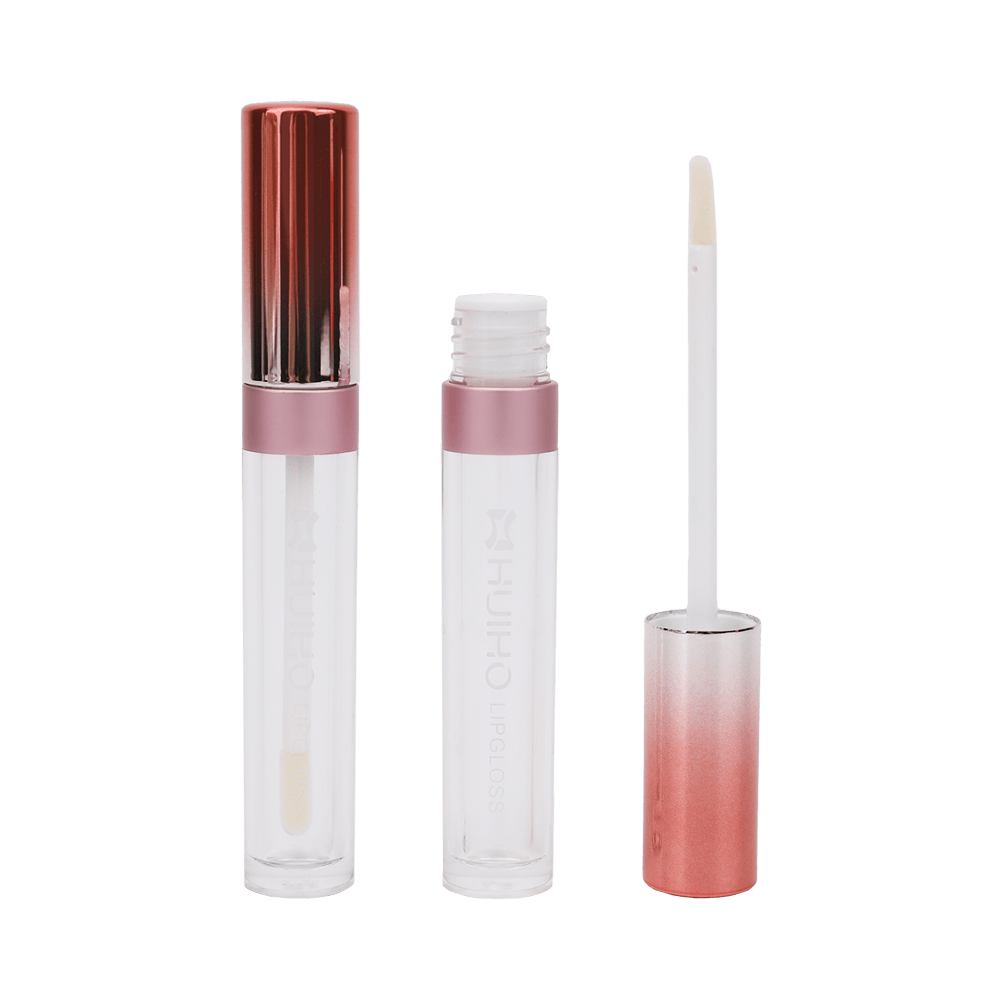 Empty Lip Gloss Tube with Aluminum Cap and PET BottleA self-developed slim round gloss tube featuring an aluminum cap and PET bottle. It pairs well with a manufacturer offering in-house aluminum and plastic production, enabling tighter tolerances and versatile decoration testing within one facility.View Product →
Budget and minimum order quantities are another practical concern. Custom decoration by silk-screen printing is economical at medium volumes; thermal transfer becomes competitive when the art contains gradients or fine text. A new mold changes the economics entirely because tooling cost must be spread over the expected order volume. Ask the manufacturer how the tooling cost is amortized, what the minimum order is for each decoration method, and how they handle quality sampling during production. Companies with their own laboratory and testing equipment can provide sealing tests, dimensional reports, and drop test results, which are essential before you commit to a full production run.
Beauty packaging design works best as a sequence of connected decisions. Start with the formula and its sensitivity, then select the substrate, and then refine the closure and decoration. Review samples under realistic conditions: fill the tube with your actual formula, test sealing over four weeks, and check the closure several hundred times. Evaluate the economics at your real order volume, including decoration, tooling, and logistics. When those steps are done well, packaging stops being a cost center and becomes a functional part of the product experience.