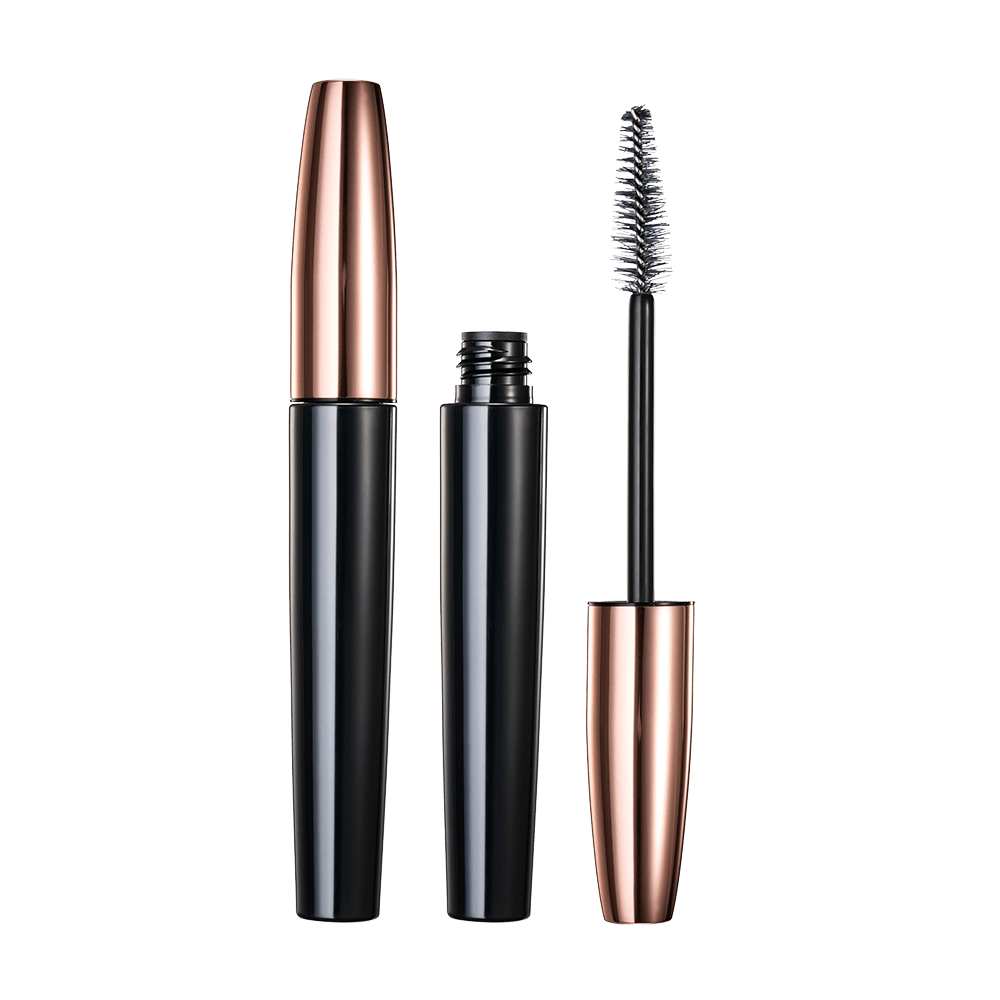
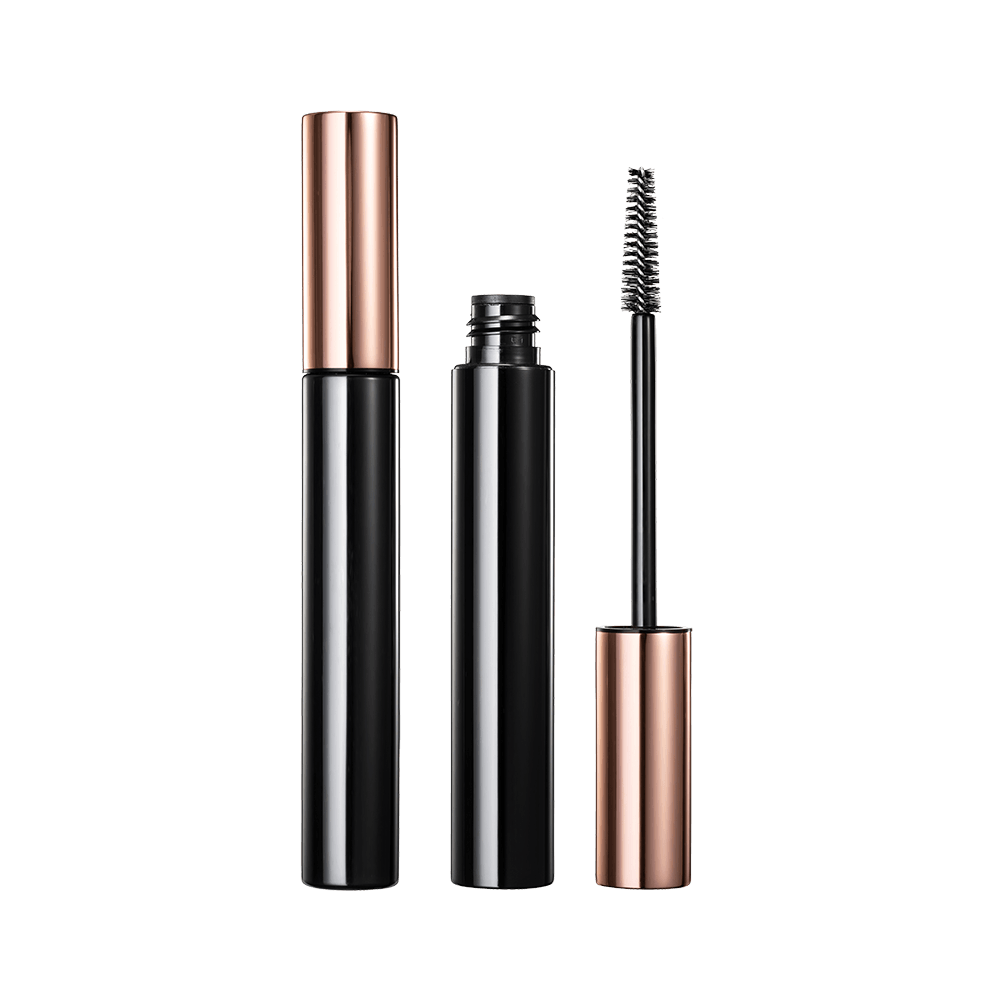
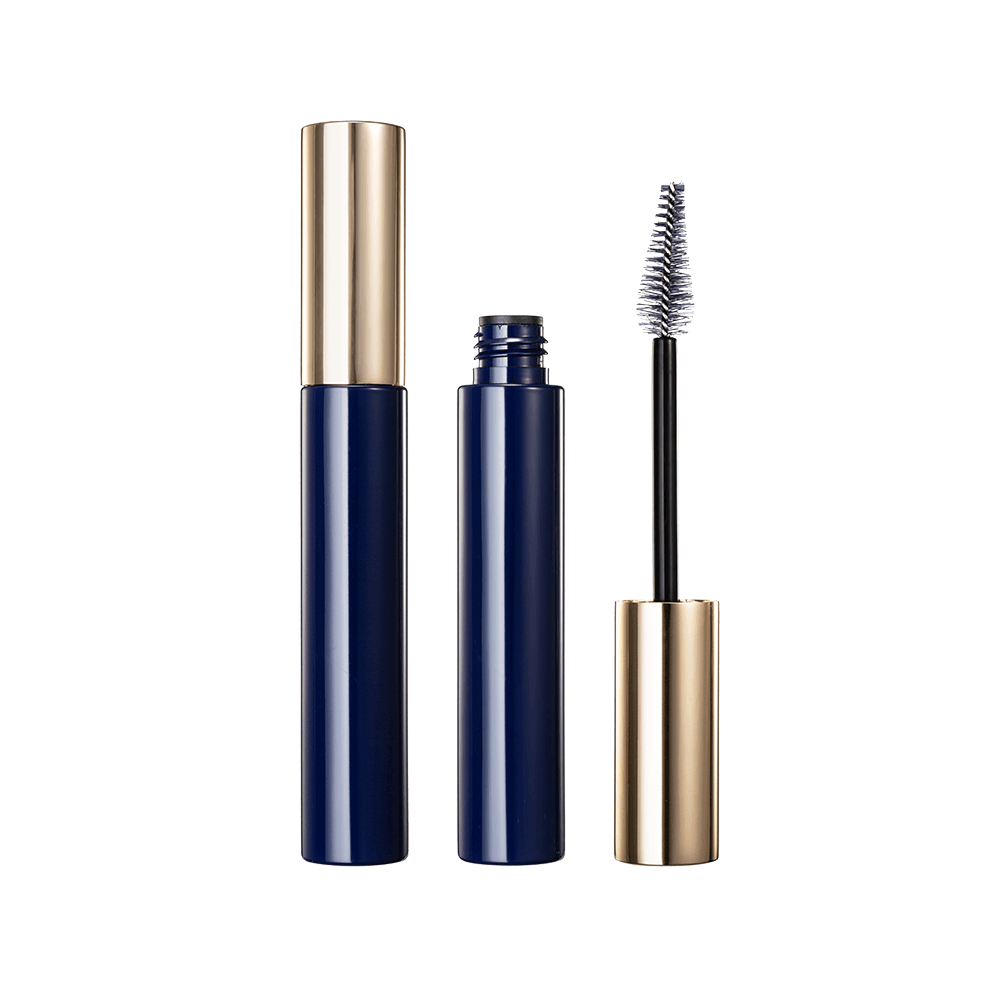
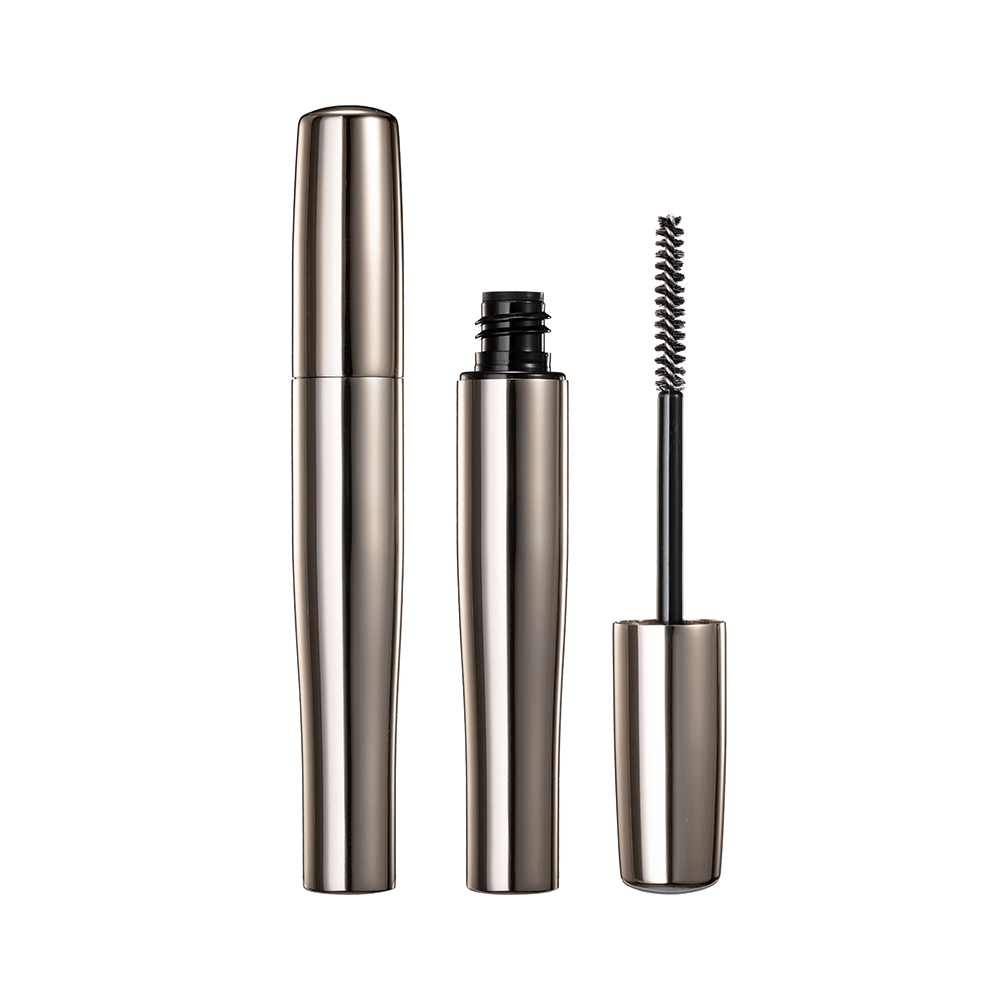
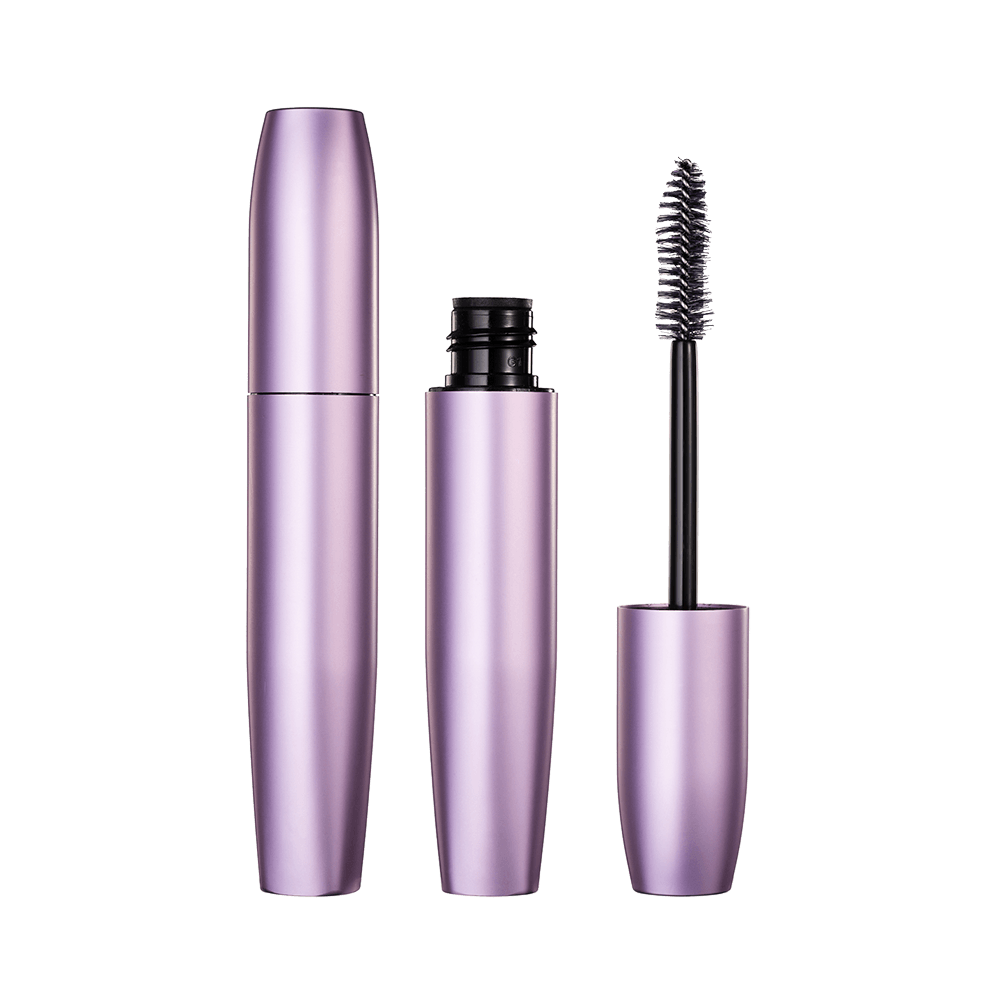
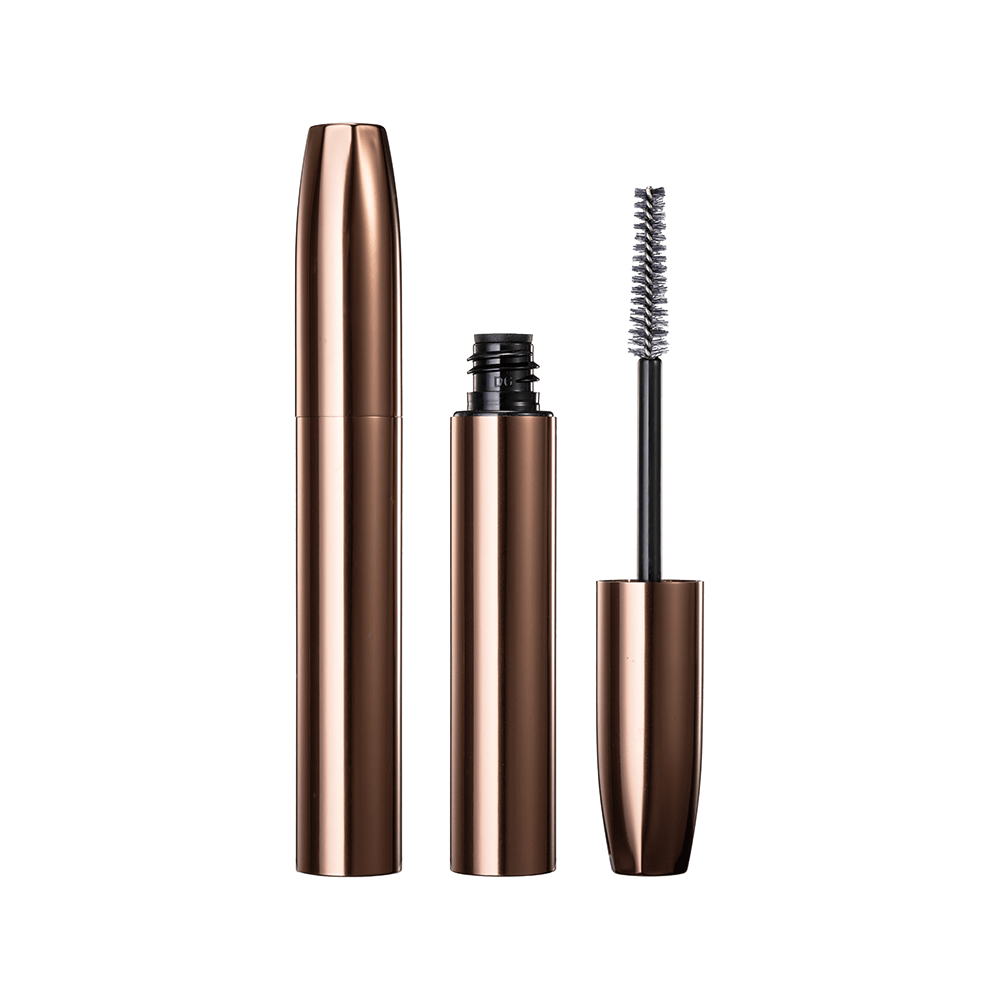
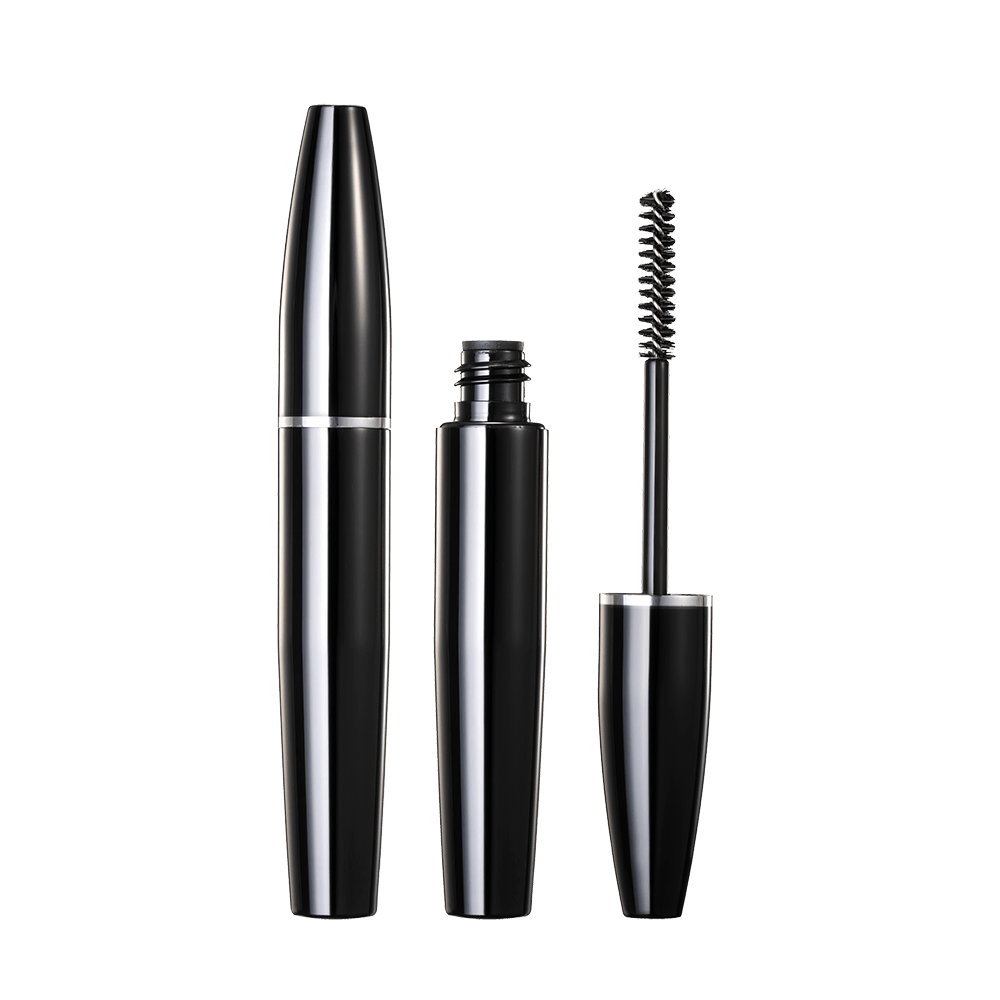
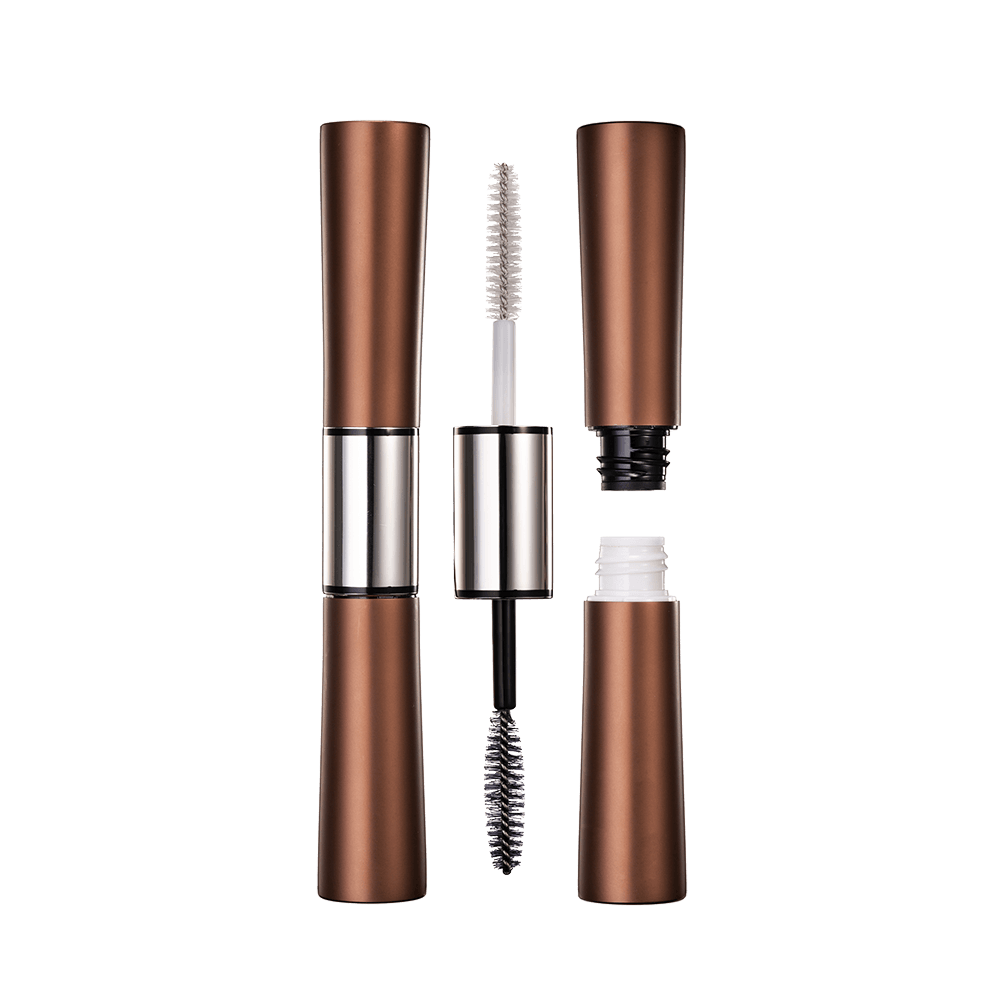
Hello Ningbo Huiho Cosmetics Packaging Co., Ltd. - Color Cosmetics Packaging Manufacturers


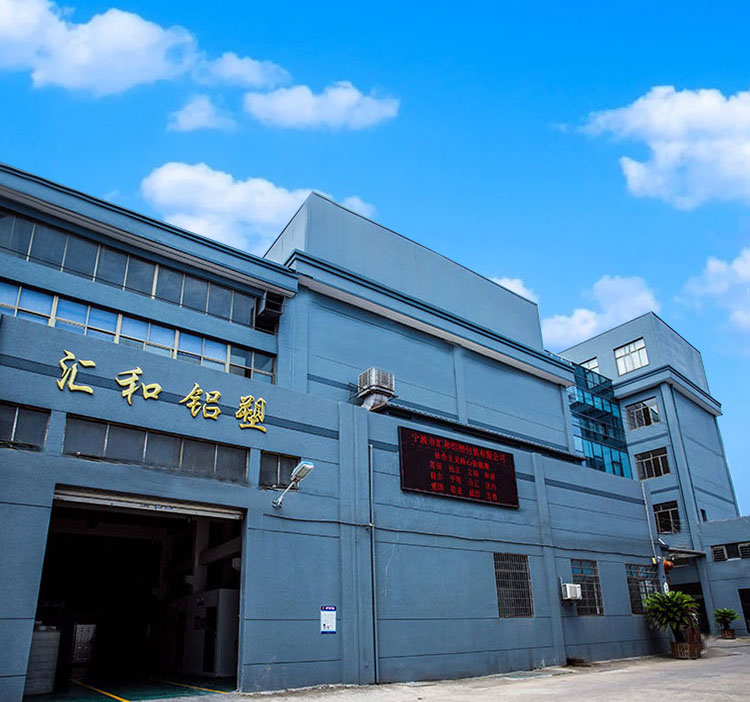
Ningbo Huiho Cosmetics Packaging Co., Ltd. is located in Ningbo, Zhejiang Province, which is known as the "Venice of the East". It is a professional manufacturer of large-scale daily cosmetics packaging in China. After years of continuous research, development and innovation, the product has won praise and trust from domestic and foreign merchants. It has a reputation in the same industry and has set a model for the cosmetics packaging industry.
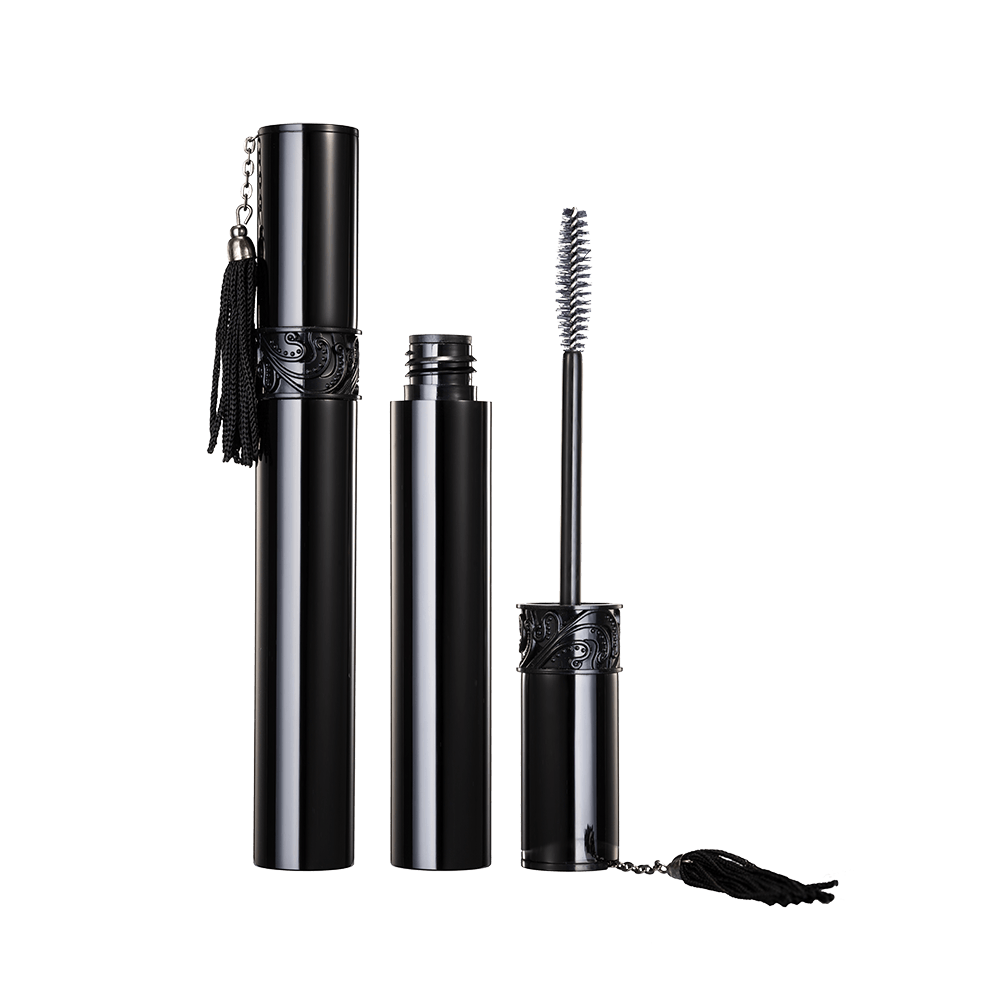
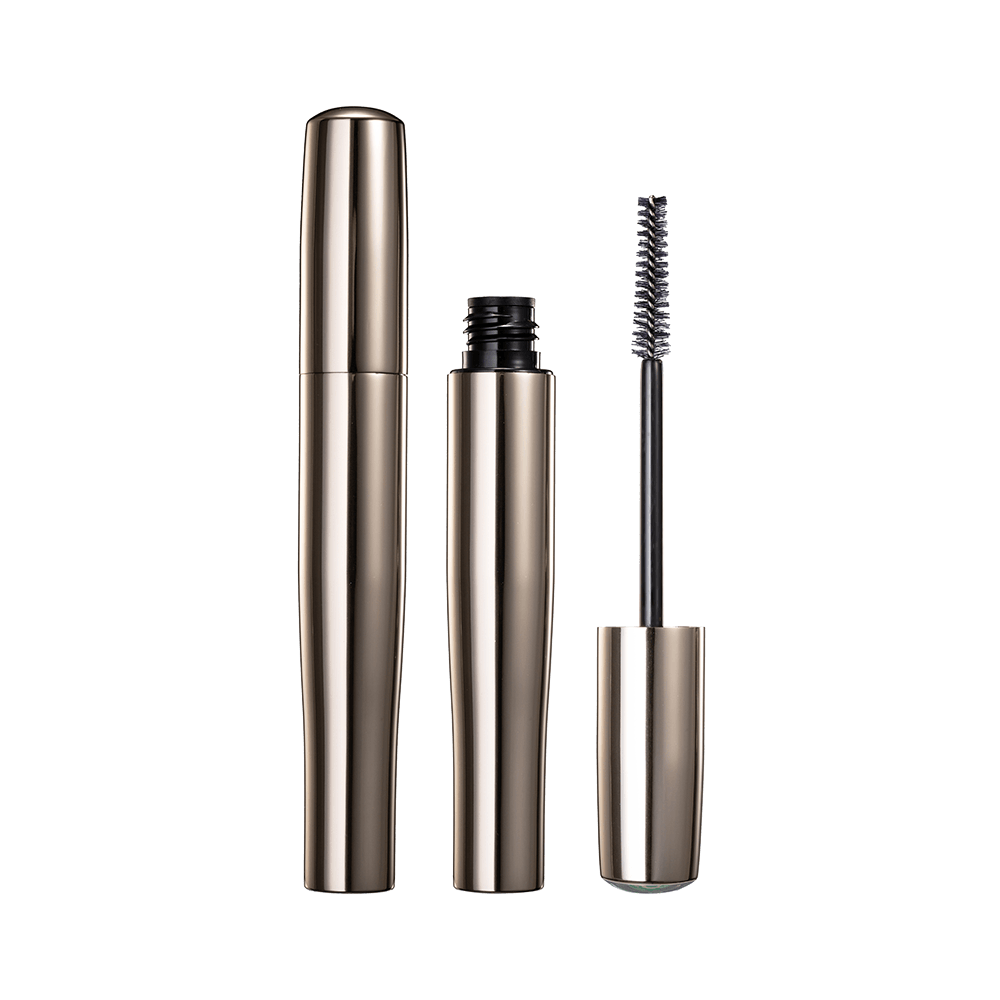
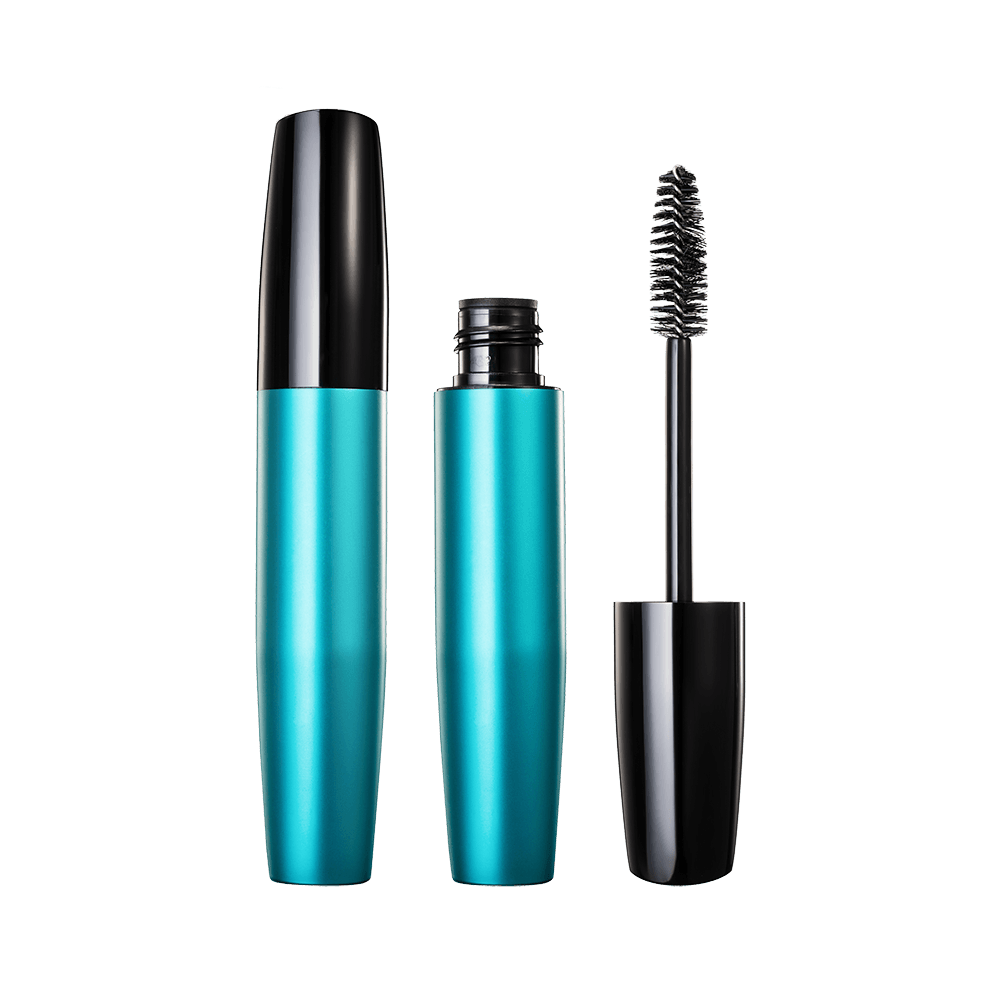
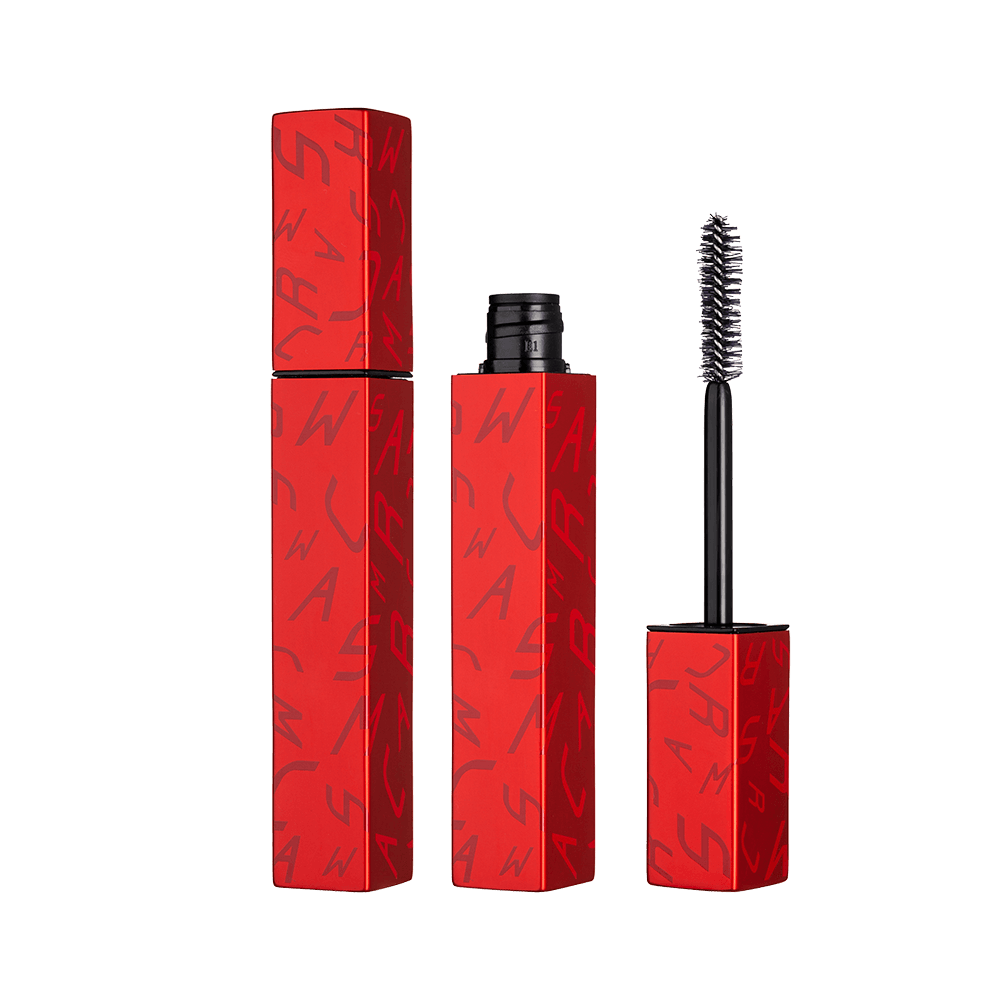
The color cosmetic packaging (such as lipstick tube, mascara tube, eyeliner, lip gloss, etc.) produced by the company is at the top of the industry with the advantages of "novel style, excellent quality, reasonable price, bright color, and wide variety". As wholesale Color Cosmetics Packaging Manufacturers and Custom Color Cosmetics Packaging Suppliers in China, The customers are more than 20 domestic Our products are exported to many regions and countries in Europe, America, Middle East and Southeast Asia.
Strength determines development, and scale makes the future. Huihe Aluminum Plastics will continue to adhere to the policy of "excellent quality, innovative pursuit, rigorous management, and perfect service", adhere to the business philosophy of "customer first, service first", and "winning by quality" , With the corporate tenet of "Prosperity with sincerity", adding brilliance to the daily cosmetics packaging market. No matter when, Ningbo Huihe will serve you wholeheartedly, and warmly welcome new and old customers at home and abroad to go hand in hand with us to create brilliant!

35Million branch
Annual output

300Workers
Number of company

20Province
Products throughout
Color Cosmetics Packaging is the primary physical expression of a beauty brand — encompassing the lipstick cases, eyeshadow palettes, compact powders, mascara tubes, and foundation bottles that consumers see, touch, and carry every day. Research by the Paper and Packaging Board (2022) found that 72% of purchasing decisions in the beauty aisle are influenced directly by packaging design, making it far more than a protective shell. Packaging communicates quality, brand values, and consumer identity before a single word is read.
The global color cosmetics packaging market was valued at USD 8.9 billion in 2023 and is forecast to grow at a compound annual growth rate (CAGR) of 4.8% through 2030 (Source: Grand View Research, 2023). This sustained expansion reflects the premiumization of everyday beauty products, the rise of direct-to-consumer brands, and a wave of regulatory pressure pushing the industry toward sustainable packaging formats.
For brand managers and product developers, selecting the right packaging partner and material strategy is not a secondary decision — it is foundational. This guide covers the dimensions that matter most: market dynamics, material science, design strategy, sustainability, and the key questions buyers ask.
The horizontal bar chart below presents regional market share distribution across the global color cosmetics packaging industry in 2023. Asia-Pacific commands the largest share at 38%, fueled by rapid beauty sector growth in China, South Korea, Japan, and India. North America holds a strong 27% share, driven by premium and prestige beauty launches. Europe contributes 22%, where sustainability legislation is reshaping material choices. Latin America and the Middle East and Africa collectively represent emerging high-growth territories, each at 8% and 5% respectively. Understanding these regional proportions helps brands and suppliers prioritize investment, distribution, and product development across geographies.
Material choice shapes aesthetics, cost, functionality, and sustainability outcome simultaneously. The table below summarizes the most widely used packaging materials across color cosmetics categories, allowing brands to evaluate trade-offs at a glance:
| Material | Typical Applications | Key Strengths | Sustainability Note |
| ABS / PP Plastic | Lipstick cases, compacts, mascara tubes | Versatile, colorable, cost-effective | PCR resin options available; improve via mono-material design |
| Aluminum | Eyeshadow palettes, lip sleeves, caps | Premium feel, durable, infinitely recyclable | High recyclability; energy-intensive production offset by longevity |
| Glass | Foundation bottles, serum droppers | Inert, luxurious, 100% recyclable | Heavier transport footprint; excellent recyclability |
| Paper / Board | Outer cartons, paper tubes, eco compacts | Lightweight, printable, renewable | Compostable and biodegradable; FSC certification available |
| Bioplastics | Emerging across all product types | Plant-based feedstock, lower carbon | Industrial composting required; rapidly improving availability |
A 2023 McKinsey report found that over 60% of beauty consumers consider packaging sustainability a meaningful factor in brand loyalty decisions (Source: McKinsey & Company, 2023). Brands that fail to evolve their material strategy risk long-term customer attrition to more eco-forward competitors.
The line chart below tracks the percentage of new color cosmetics product launches that incorporated a measurable sustainable packaging feature between 2018 and 2024. In 2018, sustainable packaging accounted for only 14% of new launches globally. By 2024, that figure has climbed to 41%, representing a nearly threefold increase over six years. The steepest acceleration occurred between 2020 and 2022, coinciding with major corporate ESG pledges and the EU Single-Use Plastics Directive entering enforcement. This trajectory is not a niche trend — it reflects a fundamental reconfiguration of buyer expectations and supplier capabilities. Brands that have not yet integrated sustainable packaging into their core roadmap are increasingly at a disadvantage in retailer ranging reviews and consumer perception studies.
The 3D column chart below indexes packaging unit volume across five primary color cosmetics categories, using lip product packaging as the baseline index of 100. Lip products lead in unit volume due to frequent repurchase cycles and broad consumer participation across all demographics. Eye cosmetics rank second at an index of 85, driven by the global mascara and eyeshadow palette category. Foundation packaging holds an index of 62, commanding the highest average unit value even at lower volumes. Nail color packaging sits at 55, benefiting from a post-pandemic DIY beauty revival that extended into 2024. Blush and highlighter packaging, indexed at 40, is the fastest-growing category in incremental unit terms, reflecting the contouring and luminosity trend that gained wide consumer adoption from 2021 onward. These dynamics directly shape which packaging formats deserve investment priority at any given stage of a brand's lifecycle.
Choosing a packaging format for Color Cosmetics Packaging requires evaluating multiple performance dimensions simultaneously. The radar chart below compares three common format strategies — Premium Metal, Sustainable Paper-Based, and Standard Plastic — across six axes: Aesthetics, Cost Efficiency, Sustainability, Durability, Consumer Experience, and Brand Alignment. Premium Metal achieves the highest scores on aesthetics and durability, justifying its use for prestige hero SKUs where tactile quality signals premium pricing. Sustainable Paper-Based formats lead on sustainability and brand alignment, resonating strongly with environmentally conscious consumers, though they can require additional engineering for moisture-sensitive products. Standard Plastic delivers unmatched cost efficiency and broad applicability but faces escalating regulatory constraints and consumer preference headwinds. Most winning packaging strategies involve a deliberate blended approach — premium materials for hero products, sustainable formats for high-visibility eco lines, and optimized plastics for volume-driving everyday SKUs. No single format scores optimally across all dimensions, which is why supplier flexibility and material breadth are critical selection criteria.
Packaging design functions as a silent salesperson at every touchpoint — in-store, on-shelf, in unboxing moments, and across social media. The following strategies are grounded in consumer research and validated across high-performing product launches:
Color remains the fastest communicator in packaging. Research from the University of Loyola, Maryland, indicates that color increases brand recognition by up to 80%. In color cosmetics, deep reds and burgundies communicate intensity and passion for lip products; champagne and nude tones signal sophistication in foundation; jewel tones anchor luxury in eyeshadow palettes. Beyond visual color, the tactile properties of packaging — soft-touch coatings, embossed logos, weighted bases — strongly influence perceived quality. An Ipsos study (2022) found that 67% of premium beauty shoppers cited the feel of packaging as a key indicator of product quality (Source: Ipsos Global Beauty Study, 2022).
Modern consumers expect packaging to work as well as it looks. High-impact functional innovations include:
In physical retail, packaging must differentiate within 3 to 5 seconds of consumer view time. In e-commerce, packaging must photograph and video well — becoming its own marketing asset across product listings and social content. Brands investing in distinctive structural forms (faceted compacts, asymmetric lipstick cases, windowed outer cartons) report meaningfully higher social sharing rates and lower return rates associated with misaligned expectations.
Ningbo Huiho Cosmetics Packaging Co., Ltd. is located in Ningbo, Zhejiang Province, known as the "Venice of the East." It is a professional manufacturer of large-scale daily cosmetics packaging in China. After years of continuous research, development, and innovation, its products have won praise and trust from domestic and foreign merchants. It has a reputation in the industry and has set a model for the cosmetics packaging industry.
Huiho's product range covers lipstick cases, eyeshadow compacts, foundation bottles, mascara tubes, powder compacts, and more. Explore the full product offering at https://www.nb-huihe.com/product/. The company operates advanced injection molding, electroplating, UV printing, and assembly lines, enabling end-to-end capability from structural concept to finished packaged product. Huiho serves brands from emerging independent labels to established international beauty groups through OEM, ODM, and fully custom development pathways.
Sustainability has moved from a brand differentiator to a baseline requirement in many markets. The EU Packaging and Packaging Waste Regulation (PPWR), applied progressively from 2025 to 2030, imposes minimum recycled content thresholds and recyclability standards directly affecting cosmetics packaging procurement and design decisions.
Refillable compact and lipstick formats are among the highest-impact interventions available at the brand level. A lifecycle analysis by Quantis (2023) found that refillable compact systems reduce packaging-related CO2 emissions by up to 60% over three repurchase cycles versus single-use equivalents. Refillable formats also improve consumer retention, as the refill mechanic creates structured repeat-purchase behavior.
PCR-grade PET and PCR-HDPE are now widely available for tubes, bottles, and case components without compromising product integrity. Incorporating 50% PCR content in a standard plastic lipstick case reduces virgin plastic demand by approximately 400 tonnes per 10 million units (Source: Ellen MacArthur Foundation, 2022), a measurable and auditable impact at commercial scale.
Mixed-material packaging — a plastic body with a metal spring, a rubber gasket, and a flocked insert — is extremely difficult to recycle at end of life. Designing packaging from a single material family dramatically improves recyclability rates. All-PP compacts and all-aluminum eyeshadow palettes are commercially proven examples that maintain strong performance while simplifying the waste stream.