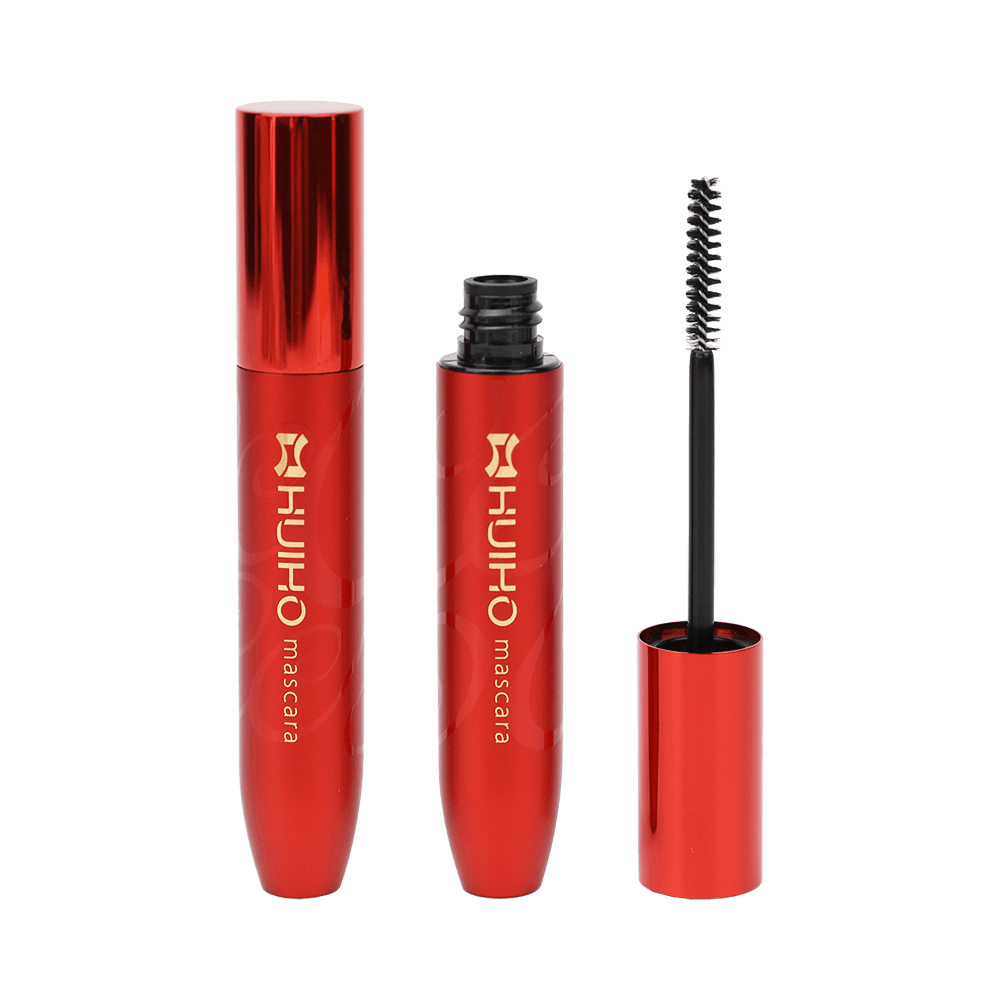
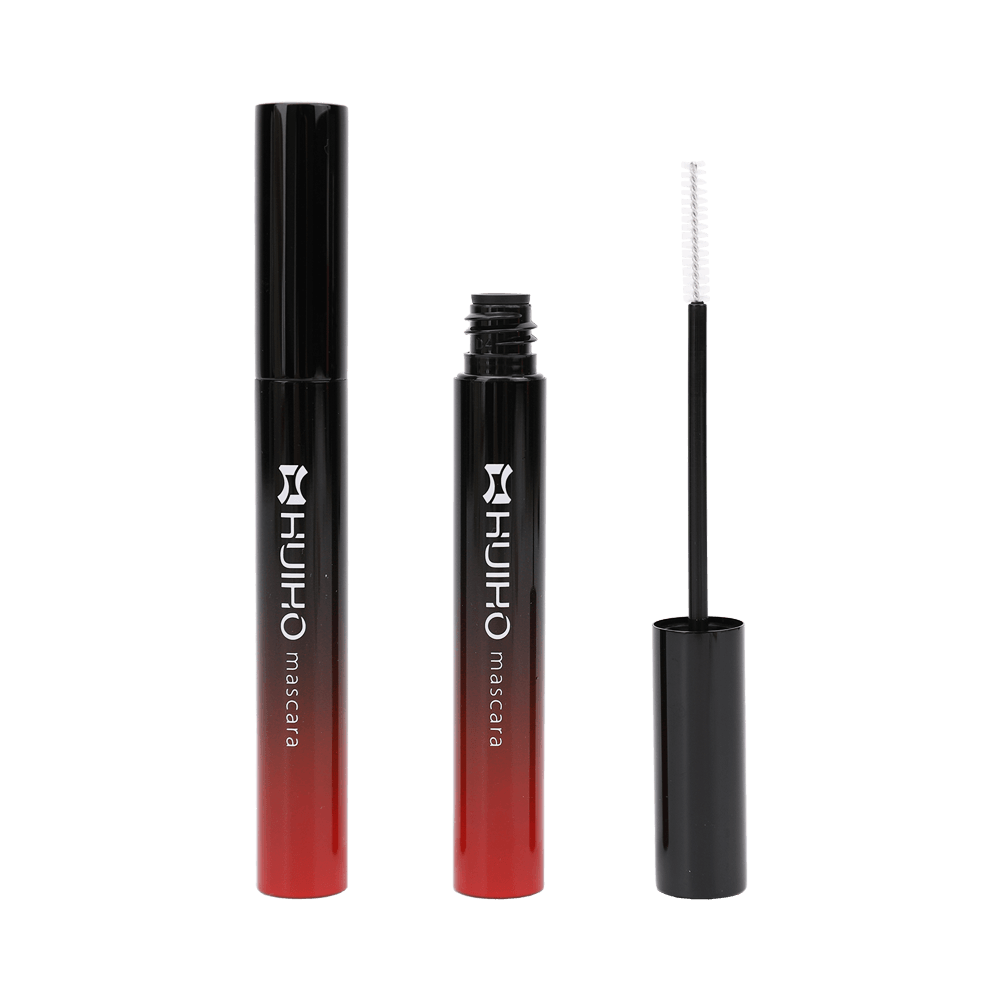
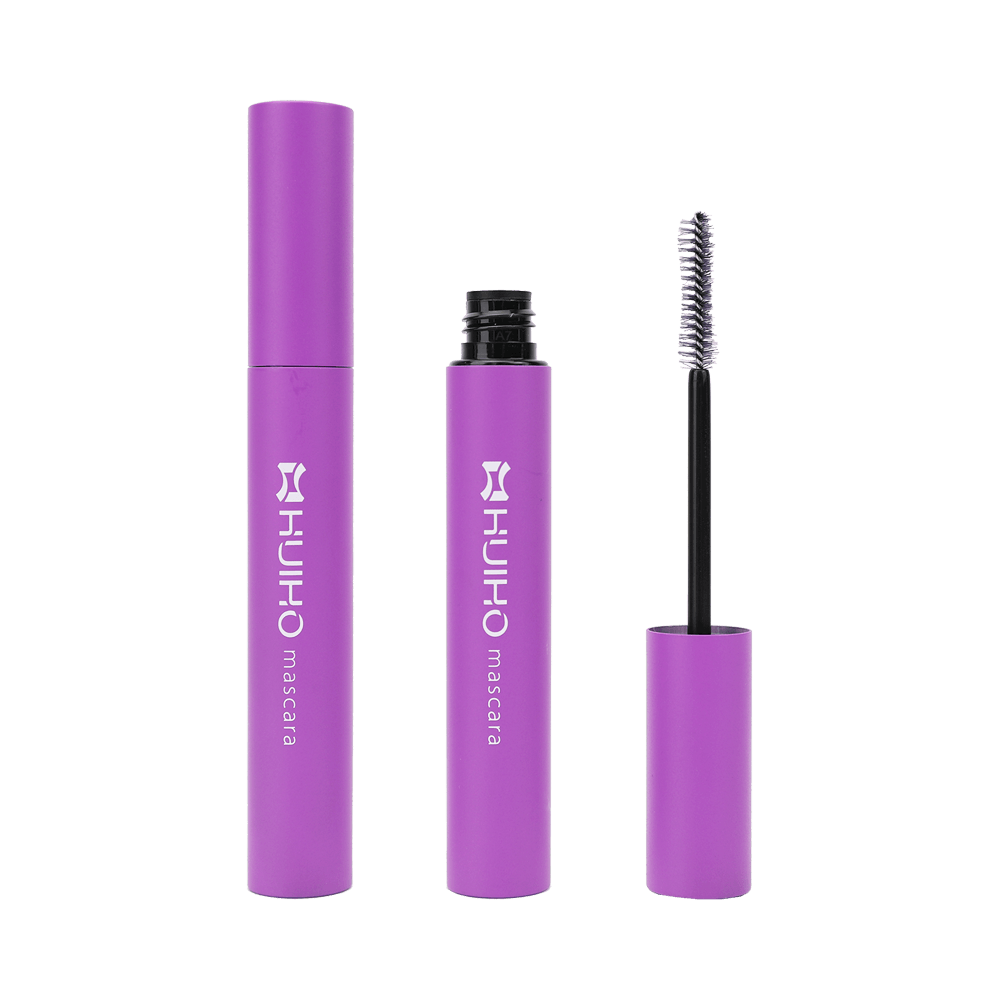
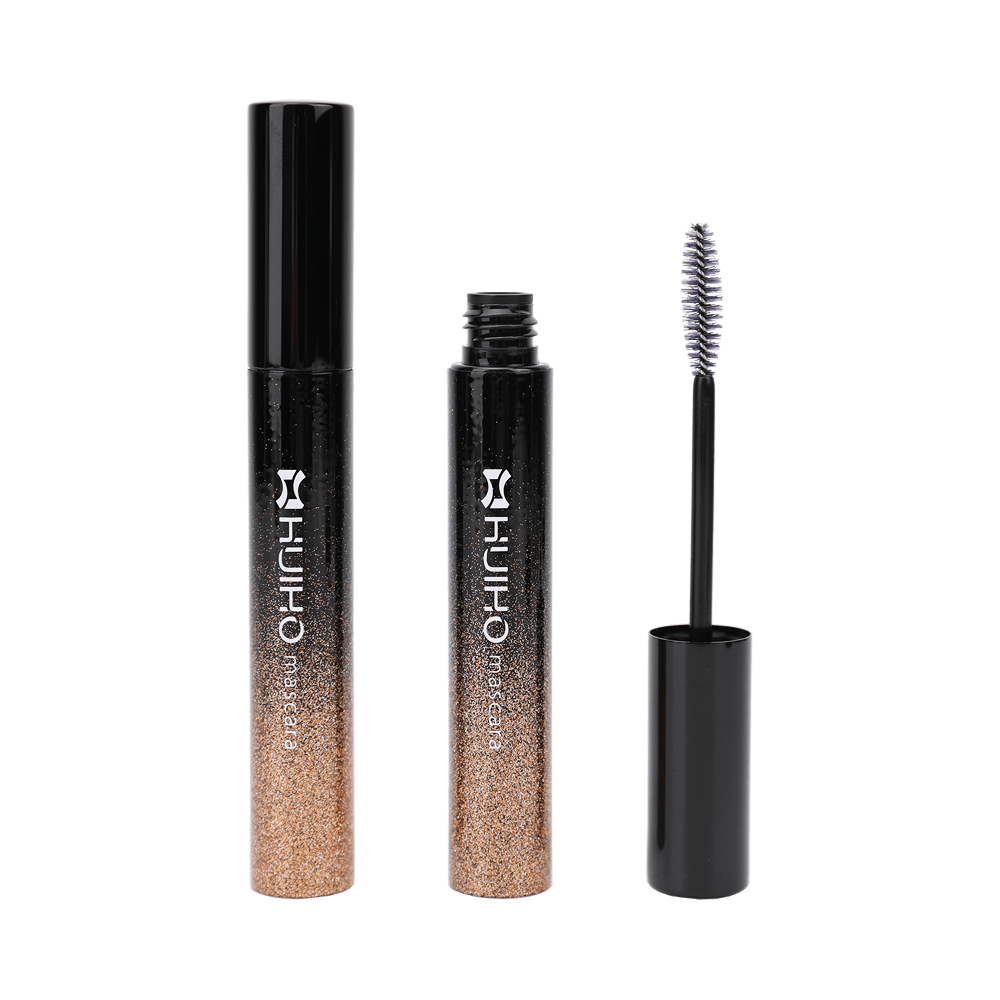
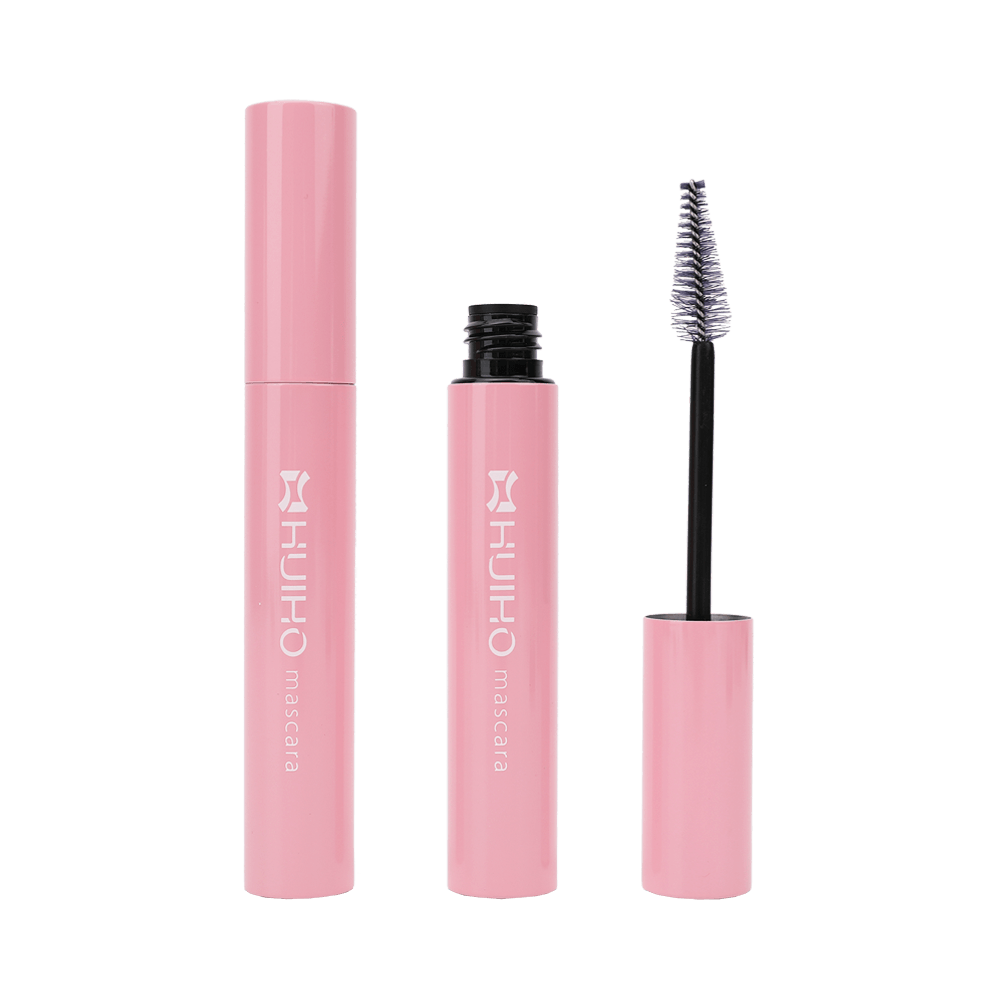
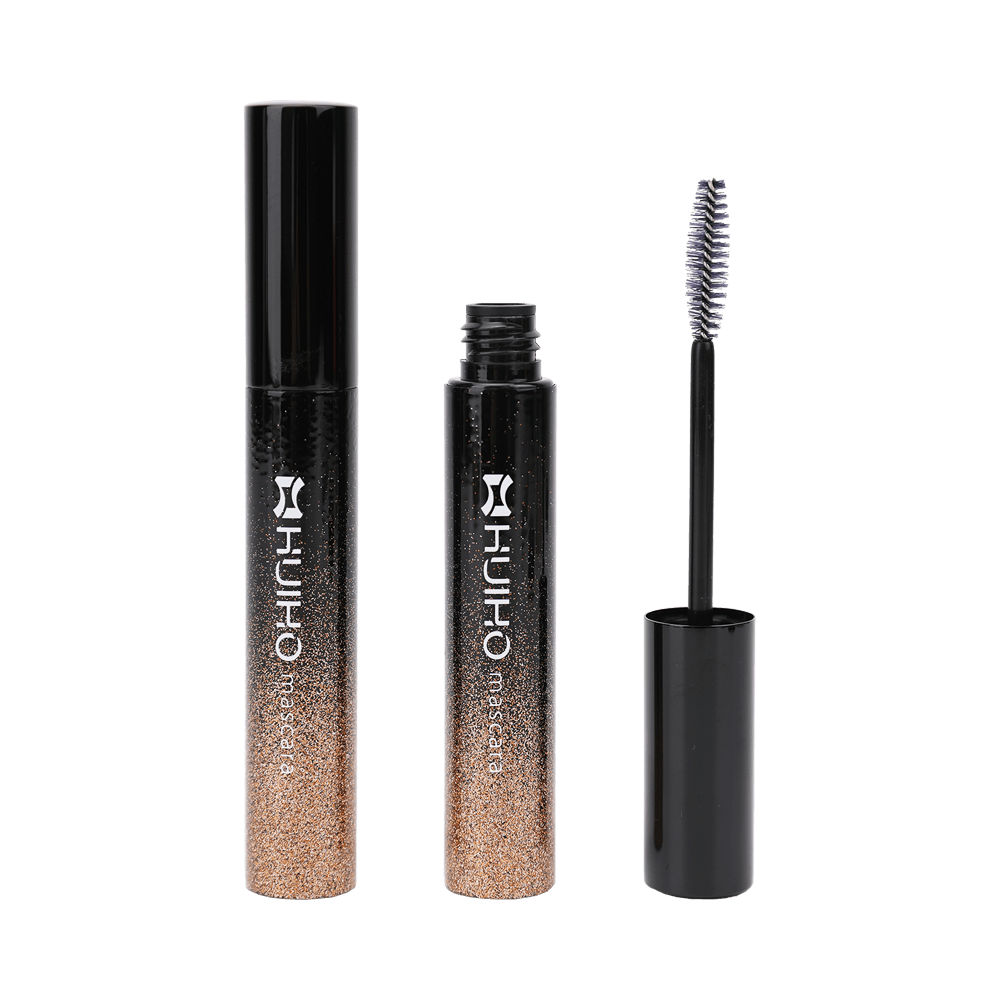
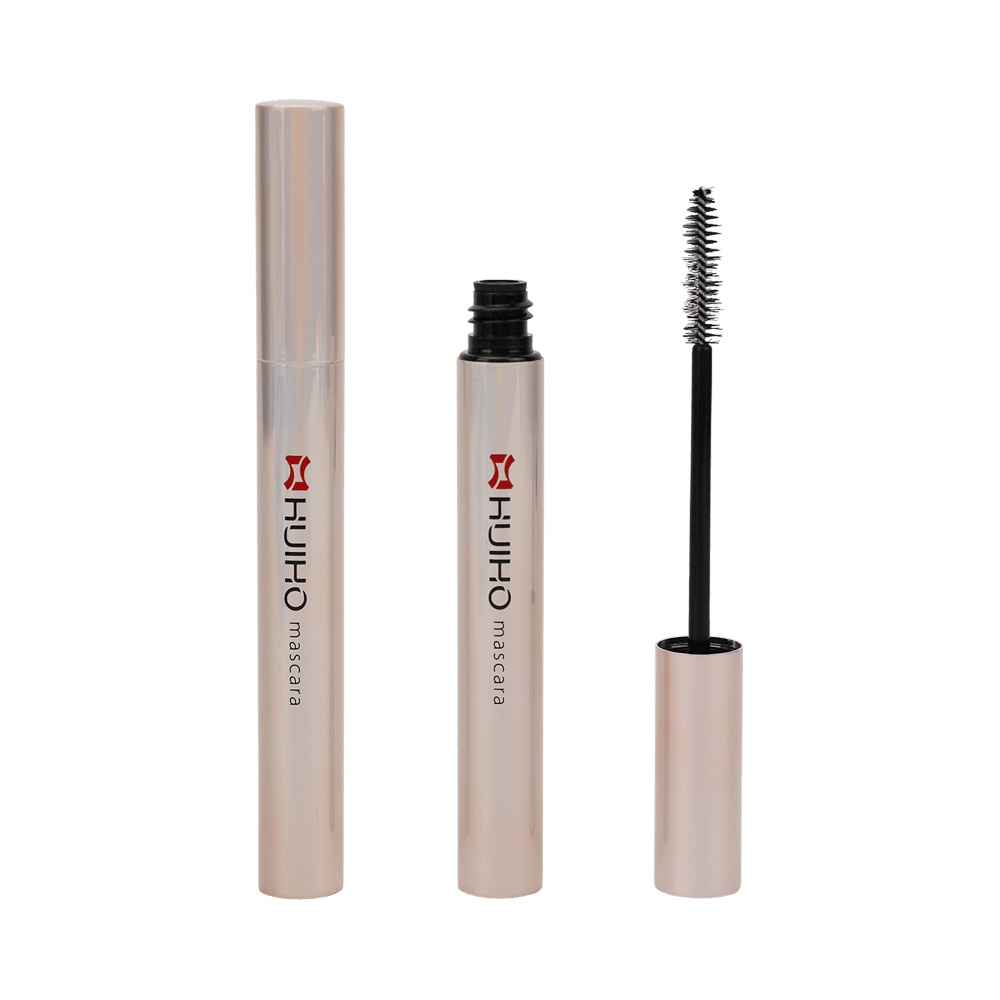
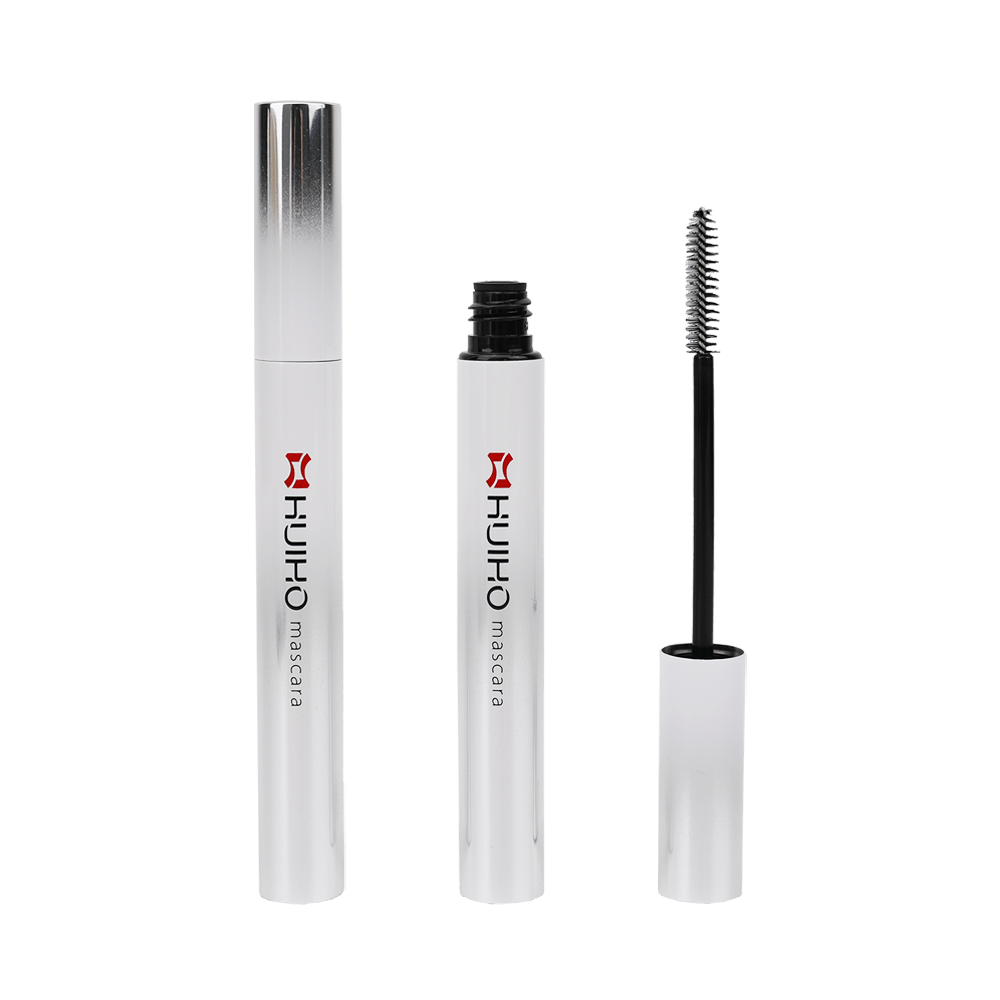
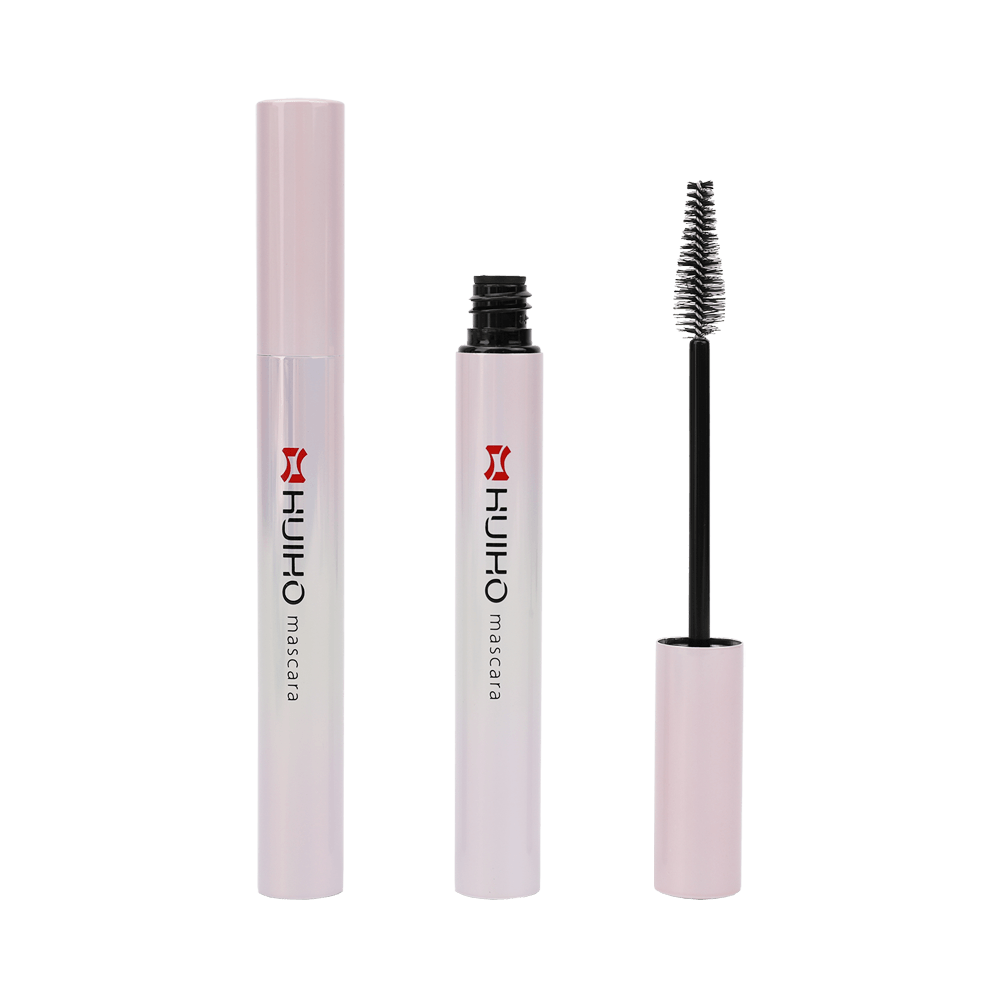
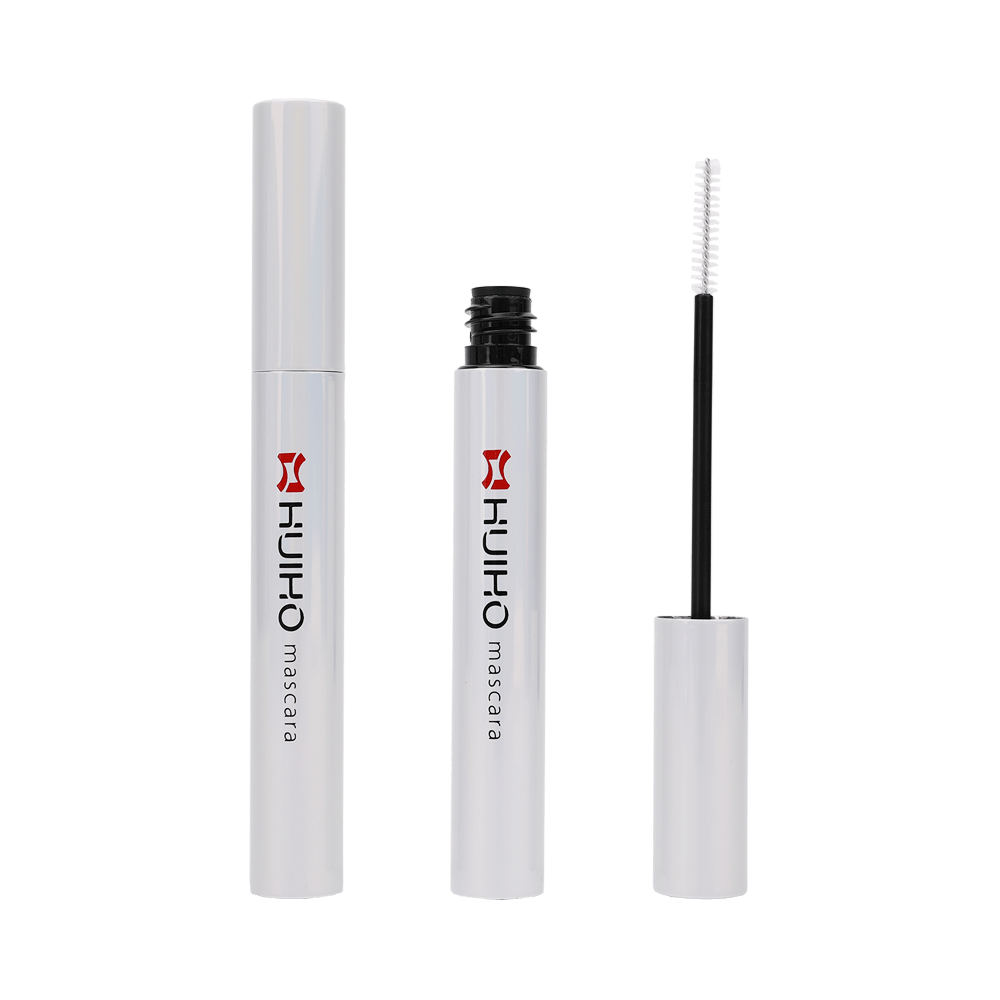
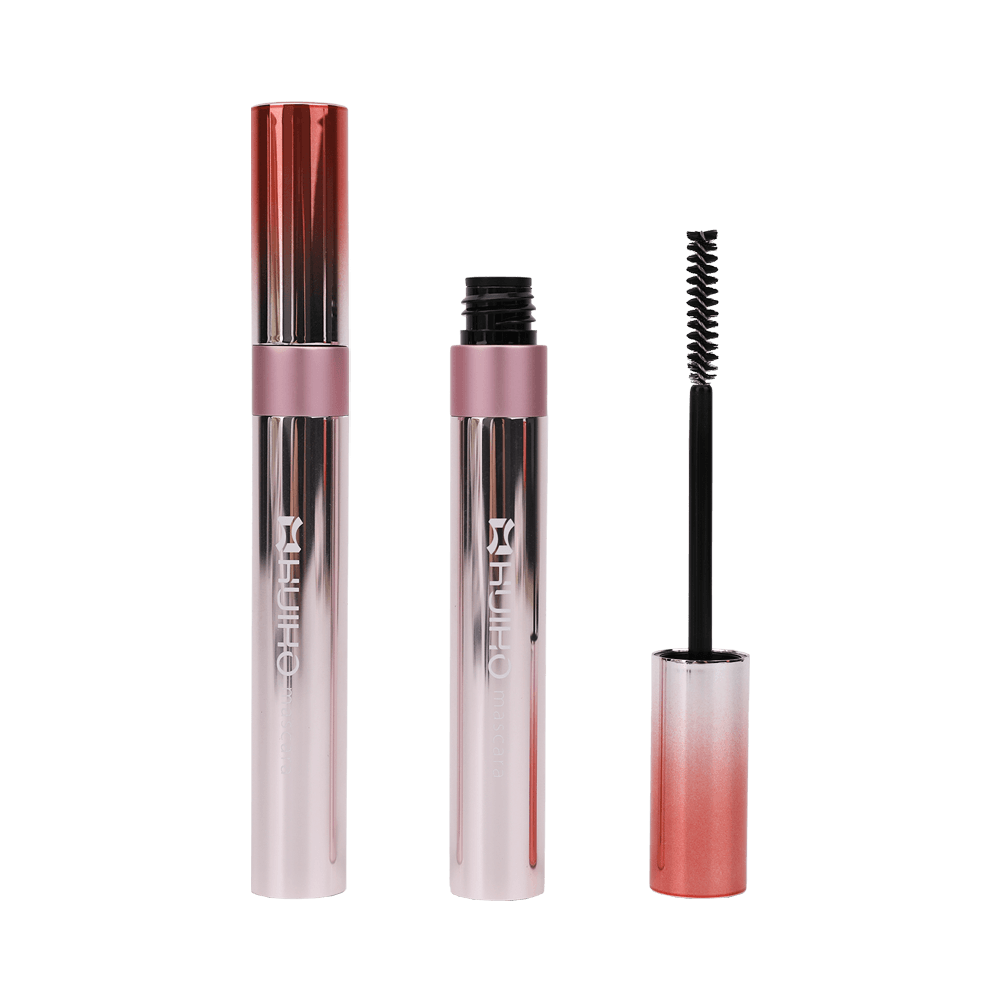
Hello Ningbo Huiho Cosmetics Packaging Co., Ltd. - Empty Mascara Tubes Suppliers


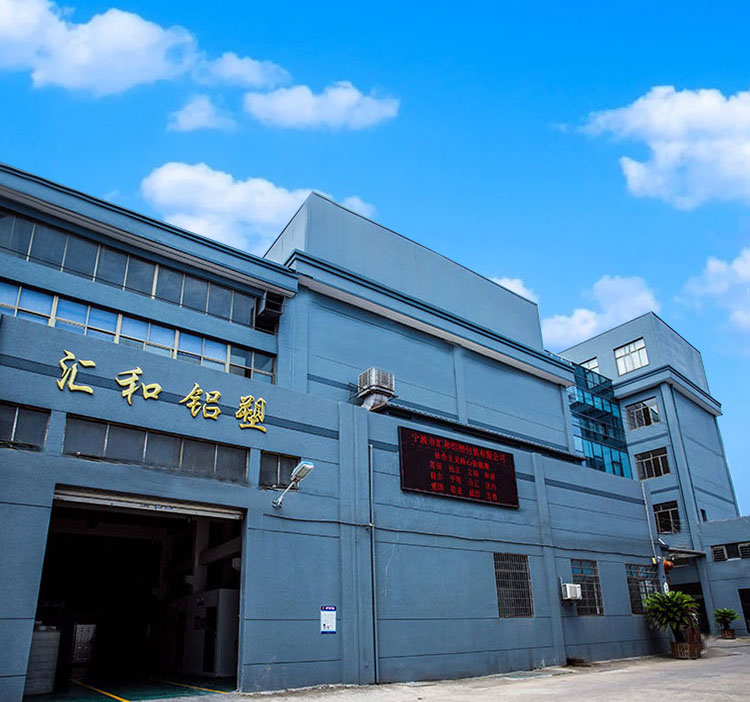
Ningbo Huiho Cosmetics Packaging Co., Ltd. is located in Ningbo, Zhejiang Province, which is known as the "Venice of the East". It is a professional manufacturer of large-scale daily cosmetics packaging in China. After years of continuous research, development and innovation, the product has won praise and trust from domestic and foreign merchants. It has a reputation in the same industry and has set a model for the cosmetics packaging industry.
The color cosmetic packaging (such as lipstick tube, mascara tube, eyeliner, lip gloss, etc.) produced by the company is at the top of the industry with the advantages of "novel style, excellent quality, reasonable price, bright color, and wide variety". As Empty Mascara Tubes Suppliers and Wholesale Aluminum Mascara Tubes company in China, The customers are more than 20 domestic Our products are exported to many regions and countries in Europe, America, Middle East and Southeast Asia.
Strength determines development, and scale makes the future. Huihe Aluminum Plastics will continue to adhere to the policy of "excellent quality, innovative pursuit, rigorous management, and perfect service", adhere to the business philosophy of "customer first, service first", and "winning by quality" , With the corporate tenet of "Prosperity with sincerity", adding brilliance to the daily cosmetics packaging market. No matter when, Ningbo Huihe will serve you wholeheartedly, and warmly welcome new and old customers at home and abroad to go hand in hand with us to create brilliant!

35Million branch
Annual output

300Workers
Number of company

20Province
Products throughout
A mascara tube is the primary packaging vessel that protects mascara formula, houses the wand applicator, and delivers a precise coating experience to the consumer. Its design directly affects product performance, shelf life, and brand perception. Choosing the right tube — whether empty mascara tubes for custom filling or aluminum mascara tubes for premium positioning — is one of the most consequential decisions in cosmetic packaging.
The global mascara market was valued at approximately USD 9.2 billion in 2023 and is projected to exceed USD 13.5 billion by 2030 (Source: Grand View Research, 2024), confirming that investment in quality mascara tube packaging translates directly into competitive brand advantage.
Unlike many cosmetic containers, a mascara tube must achieve a near-airtight seal on every closure to prevent formula oxidation, maintain brush shape, and prevent microbial contamination. A poorly engineered tube can reduce product shelf life by 30–40% compared to a precision-manufactured alternative (Source: Cosmetics & Toiletries Industry Report, 2023).
Material selection is the single greatest determinant of cost, sustainability profile, and consumer perception for mascara packaging. The two dominant choices are standard plastic (typically PP or ABS) and aluminum mascara tubes. Understanding their trade-offs with concrete data helps brands make informed sourcing decisions.
The radar chart compares aluminum mascara tubes against standard plastic tubes across six key performance dimensions. Aluminum achieves markedly higher scores in durability, eco score, premium feel, and recyclability — making it the preferred choice for brands targeting sustainability-conscious consumers. Plastic tubes retain advantages in light weight and cost efficiency, which can be decisive for mass-market or budget-tier products. The score differentials reflect industry benchmarks compiled from cosmetic packaging audits and consumer perception studies (Source: Packaging Digest, 2023). Premium beauty brands often cite the tactile "coldness" and structural rigidity of aluminum as a strong quality signal that elevates consumer trust at the point of sale. Aluminum's near-100% recyclability rate, compared to approximately 30–40% for standard PP/ABS plastic, positions it as the clear leader in circular economy frameworks now demanded by EU cosmetic regulations effective 2025.
The mascara packaging segment has demonstrated consistent growth, driven by rising per-capita cosmetic expenditure in Asia-Pacific markets and a premiumization trend in Western markets. Understanding this trajectory enables packaging suppliers and brand owners to time their investment in specialized formats such as empty mascara tubes and custom aluminum variants more strategically.
The line chart illustrates the projected growth of the global mascara packaging market from 2019 to 2030, based on data published by Grand View Research (2024). A notable dip in 2020 reflects pandemic-related disruptions to the cosmetics supply chain, followed by a sharp recovery in 2021–2023. The steepest acceleration occurred between 2022 and 2023, when the market expanded by nearly 24%, driven largely by the resurgence of in-person social events and the rapid growth of beauty e-commerce in Southeast Asia. By 2030, the market is projected to reach USD 13.5 billion, representing a compound annual growth rate (CAGR) of approximately 5.6% from 2023 levels. This sustained growth justifies investments in high-quality mascara tubes, particularly aluminum and custom-fill formats, which capture a disproportionate share of the premium segment's value.
Empty mascara tubes serve as the essential canvas upon which independent beauty brands, private-label manufacturers, and cosmetic chemists build differentiated products. Unlike pre-filled consumer units, empty tubes allow complete control over formula selection, wand design, volume, and surface decoration — all of which directly shape how a product is perceived.
According to Mintel's Global Beauty Packaging Trends Report (2023), over 62% of indie beauty brands launched in the previous three years cited custom tube sourcing as a critical differentiator in their go-to-market strategy. The ability to procure empty tubes in small MOQs (minimum order quantities) has democratized mascara product development significantly.
This 3D column chart presents the distribution of order volume across six popular empty mascara tube capacities, based on Huiho Cosmetics Packaging order data compiled in 2023. The 10 ml format commands the largest share at 45% of orders, reflecting a market-wide preference for the capacity that balances formula economy with a full-feeling product experience for end consumers. The 12 ml format is second at 32%, favored by professional-use and salon-oriented SKUs requiring a higher formula volume. Mid-range 8 ml tubes account for 28% of orders, frequently used in travel formats or entry-level launches. The 4 ml and 14 ml extremes are relatively niche, serving trial kits and professional salon kits respectively. These proportions should guide sourcing decisions for new brand launches to ensure alignment with both consumer expectations and filling-line efficiency.
Demand for premium aluminum mascara tube formats is not uniform globally. Asia-Pacific markets, particularly China, South Korea, and Japan, exhibit disproportionately strong uptake of aluminum-bodied tubes due to cultural preferences for premium haptics and the region's cosmetics gifting culture. Understanding regional distribution allows suppliers and brand managers to allocate production capacity more precisely.
The horizontal bar chart visualizes the geographic distribution of demand for aluminum mascara tubes in 2023, as reported by Cosmetics & Toiletries Market Intelligence. Asia-Pacific leads with 38% of global demand, a reflection of the region's strong gifting culture, premium cosmetics adoption in China and South Korea, and the growth of K-beauty brands that frequently specify metallic packaging for brand differentiation. North America accounts for 22%, driven by the prestige and clean-beauty segments that favor aluminum for its recyclability credentials. Europe contributes 18%, shaped significantly by EU sustainability mandates encouraging brands to adopt higher-recyclability packaging formats before 2025 compliance deadlines. The Middle East at 10% is a fast-growing segment, with luxury fragrance and cosmetics brands in the Gulf region increasingly adopting premium metallic tubes. Latin America's 7% share reflects an emerging premium market that is expected to grow as disposable incomes rise in Brazil and Mexico.
Selecting a mascara tube involves matching multiple functional and brand-related criteria simultaneously. The following table summarizes the key decision matrix used by cosmetic packaging engineers and brand managers, providing a practical reference for procurement teams.
| Criterion | Empty Plastic Tube | Aluminum Mascara Tube | Recommended Use Case |
|---|---|---|---|
| MOQ | 500–2,000 units | 1,000–5,000 units | Plastic for indie brands; Aluminum for mid-large brands |
| Recyclability | 30–40% (PP/ABS) | 95%+ | Aluminum for sustainability positioning |
| Surface Decoration | Silk-screen, UV, shrink sleeve | Anodizing, laser engraving, hot stamp | Aluminum for luxury visual finishes |
| Weight | Lighter (3–8g) | Heavier (10–18g) | Plastic for travel/mini SKUs |
| Lead Time | 15–25 days (standard) | 25–40 days (custom) | Plastic for fast-cycle launches |
| Formula Compatibility | Most standard formulas | Requires inner lining for reactive formulas | Verify with formula chemist |
When working with Ningbo Huiho Cosmetics Packaging Co., Ltd., clients benefit from engineering consultations that map these criteria to their specific brand tier, market target, and filling partner capabilities — ensuring that tube selection decisions are data-backed rather than intuition-driven.
Sustainability is no longer a differentiating feature in cosmetic packaging — it is increasingly a regulatory baseline. The European Union's Packaging and Packaging Waste Regulation (PPWR), expected to take effect in 2025, sets mandatory recyclability thresholds that directly impact mascara tube material selection. Understanding the lifecycle profile of different tube materials supports compliance planning.
Ningbo Huiho Cosmetics Packaging Co., Ltd. actively supports clients in navigating these sustainability transitions by offering both aluminum tube formats and PCR-plastic tube options, enabling brands to align packaging choices with declared environmental commitments without sacrificing aesthetic quality or production scalability.
The quality of a mascara tube is determined not only by material selection but by precision at every step of the manufacturing process. World-class mascara tube production requires exacting tolerances in injection molding or impact extrusion (for aluminum), wiper insert assembly, and final QC inspection.
Ningbo Huiho Cosmetics Packaging Co., Ltd. is located in Ningbo, Zhejiang Province, known as the "Venice of the East." It is a professional manufacturer of large-scale daily cosmetics packaging in China. After years of continuous research, development, and innovation, its products have won praise and trust from domestic and foreign merchants. It has a reputation in the industry and has set a model for the cosmetics packaging industry. The company's mascara tube product line encompasses both aluminum mascara tubes and a comprehensive range of empty mascara tubes, available in standard and fully customized specifications for global brand partners.