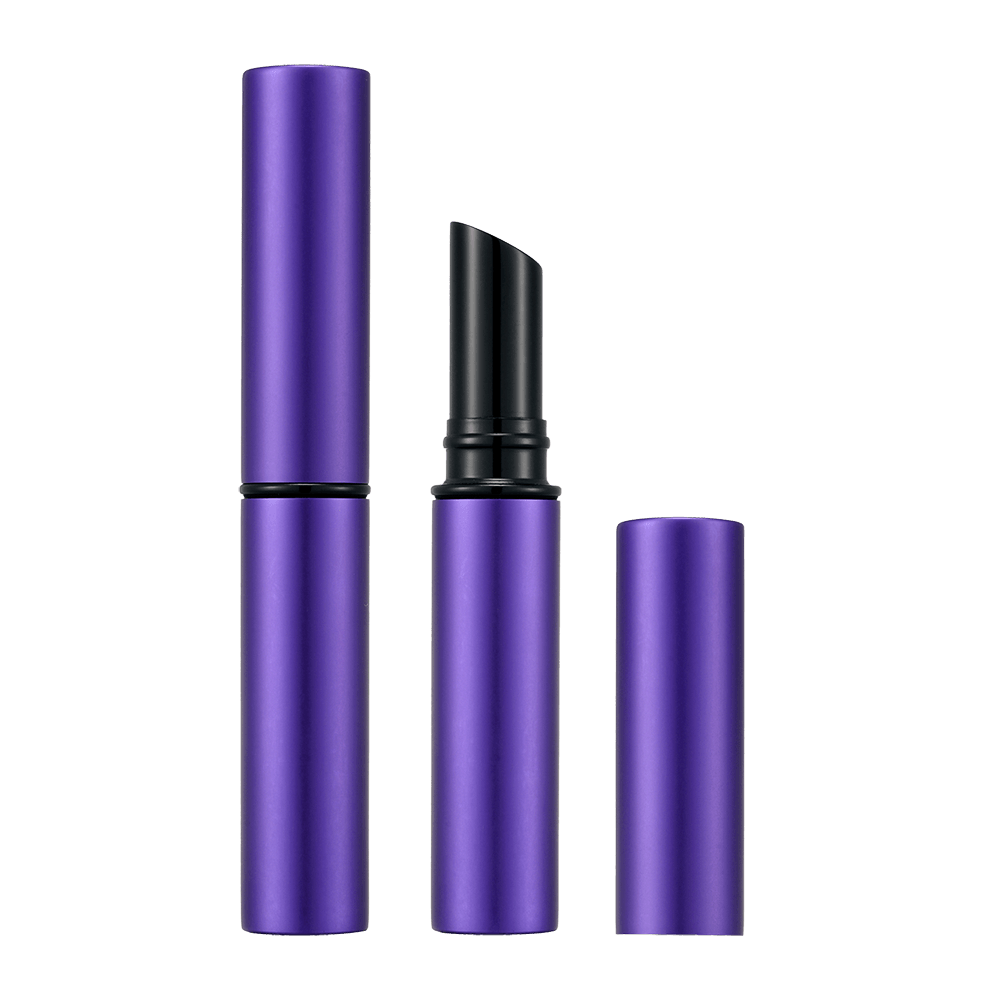
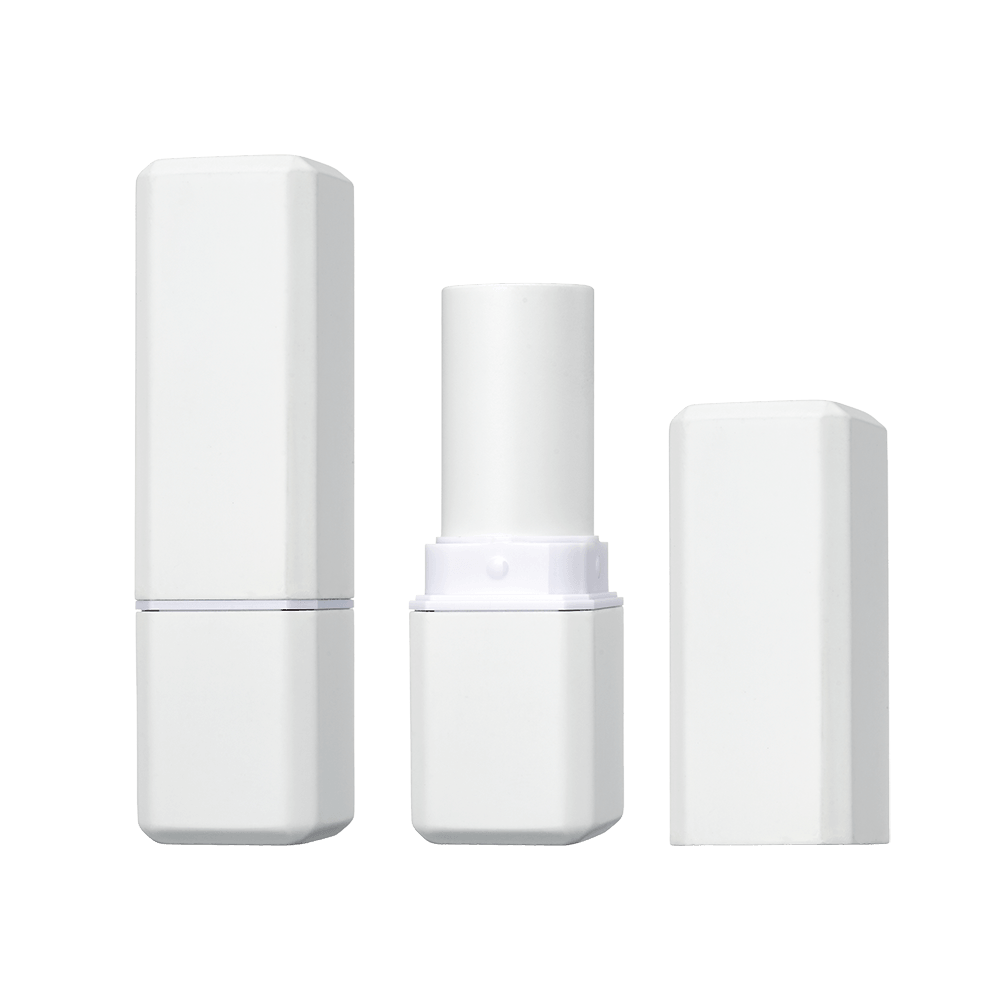
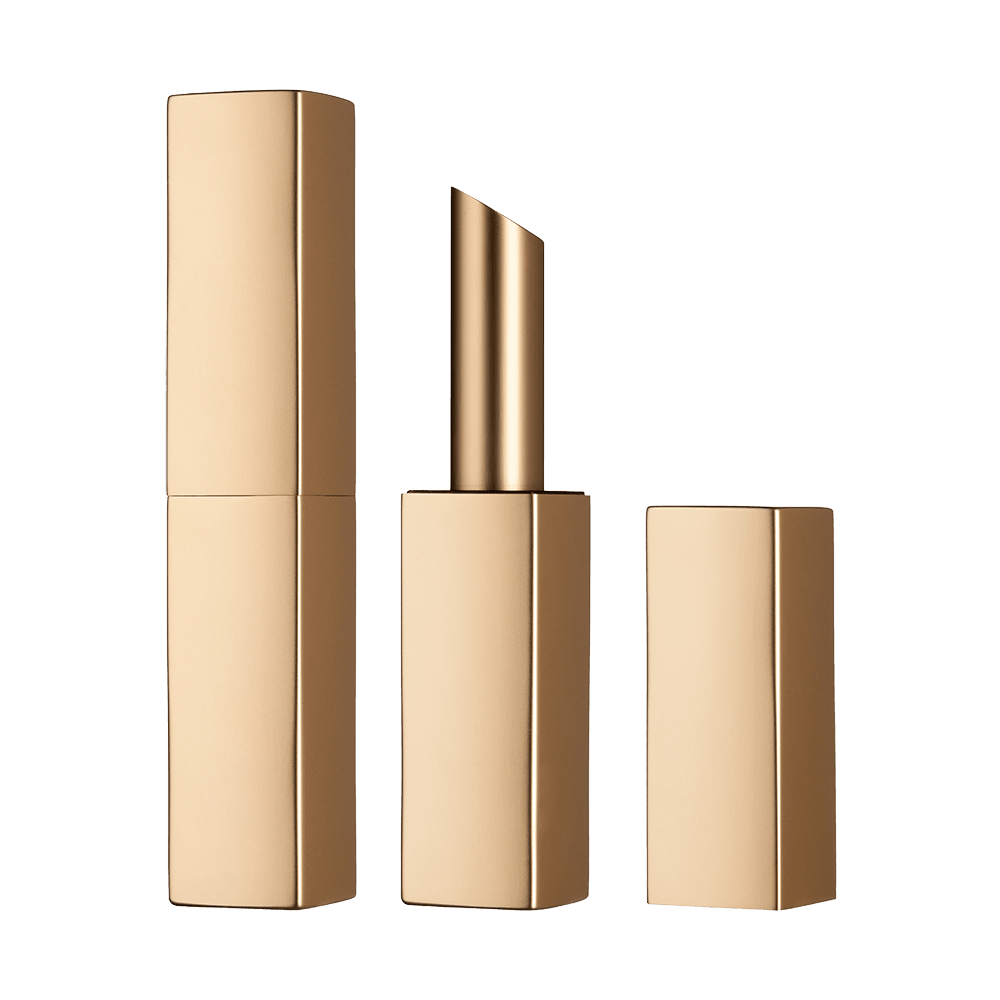
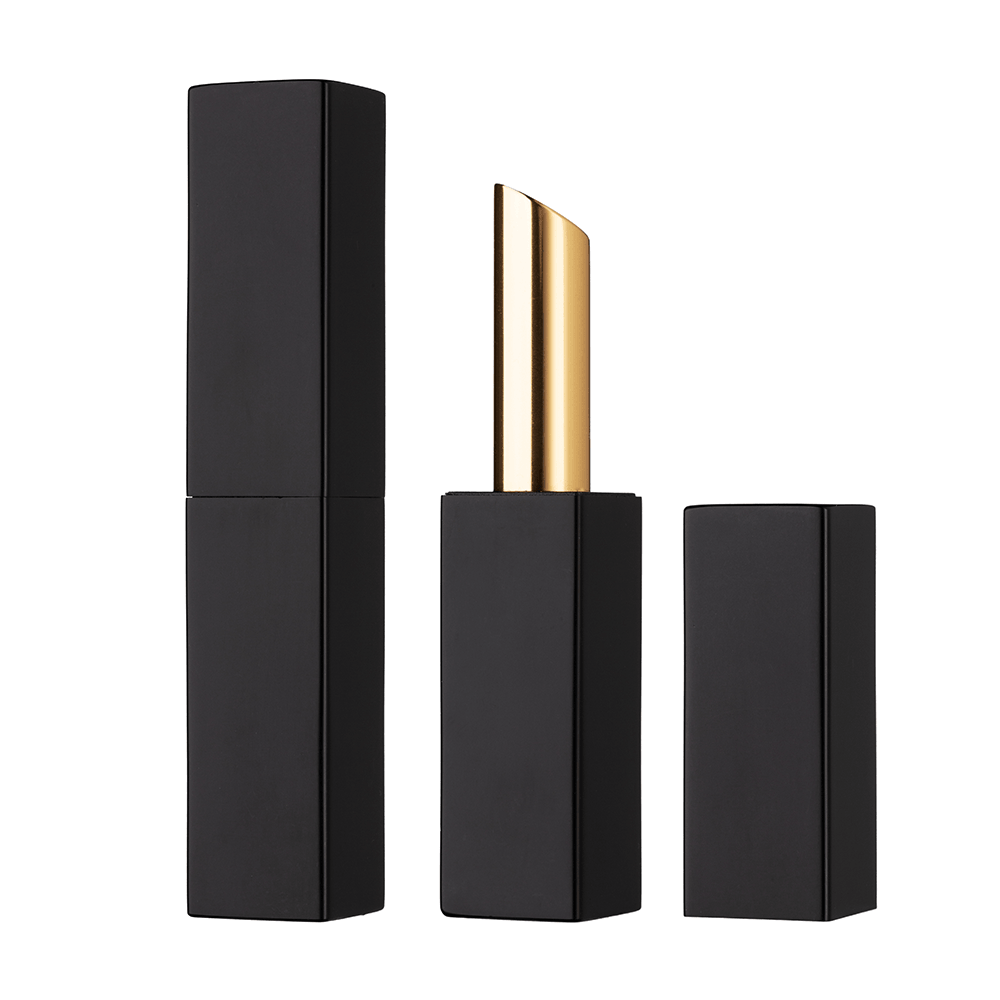
Hello Ningbo Huiho Cosmetics Packaging Co., Ltd. - Aluminum Lipstick Tubes Suppliers


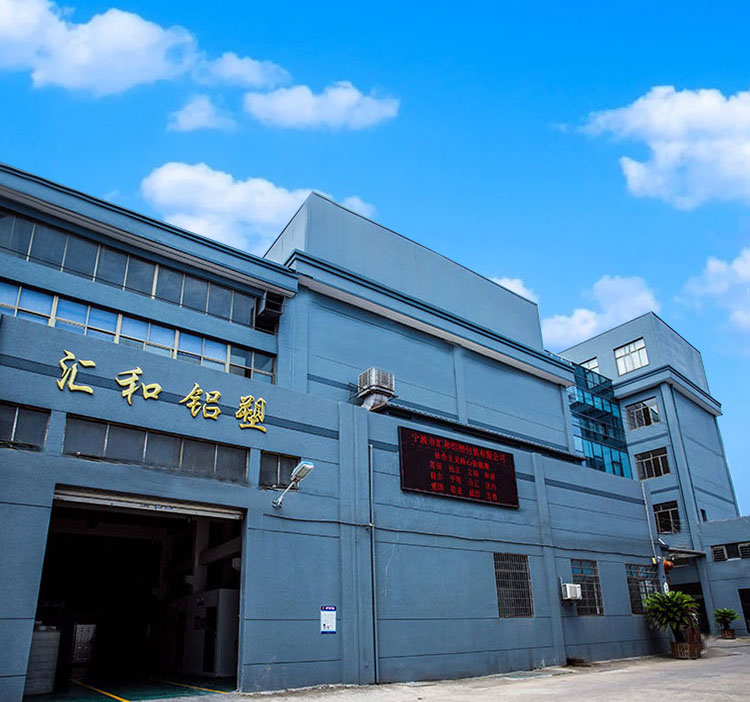
Ningbo Huiho Cosmetics Packaging Co., Ltd. is located in Ningbo, Zhejiang Province, which is known as the "Venice of the East". It is a professional manufacturer of large-scale daily cosmetics packaging in China. After years of continuous research, development and innovation, the product has won praise and trust from domestic and foreign merchants. It has a reputation in the same industry and has set a model for the cosmetics packaging industry.
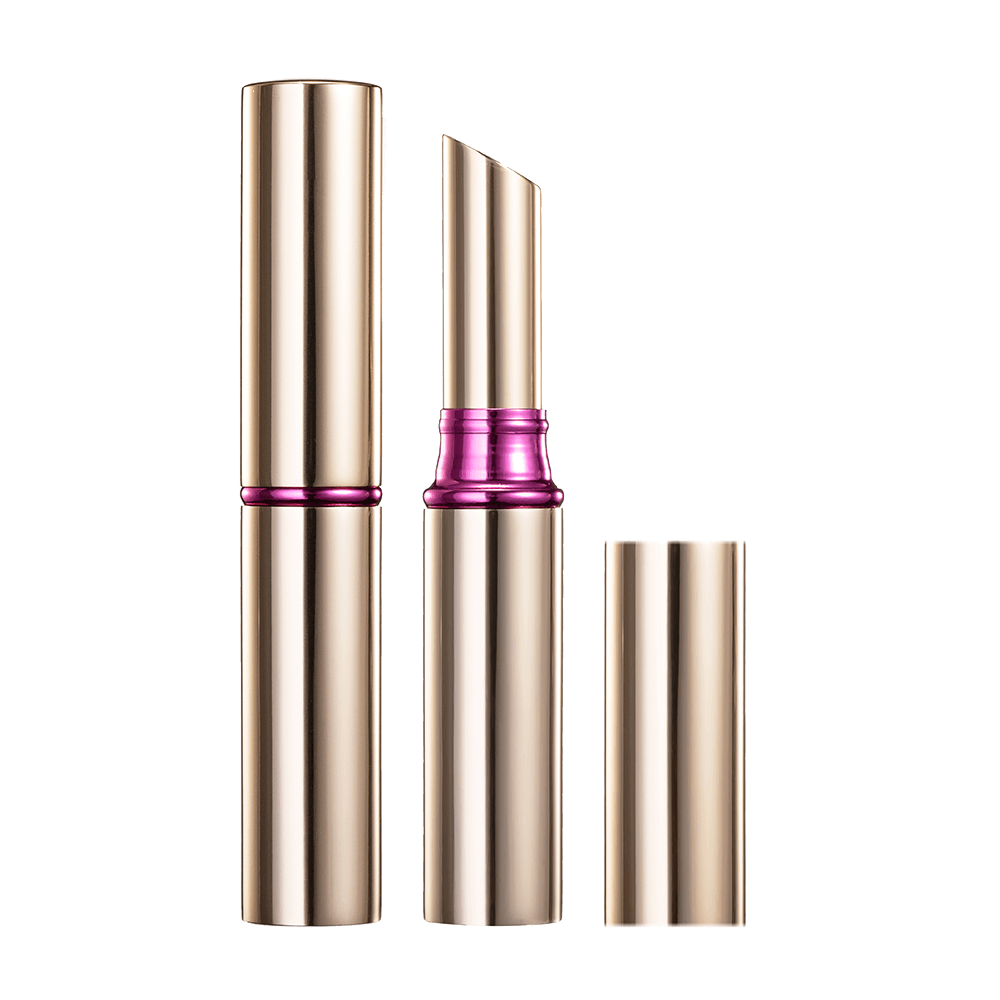
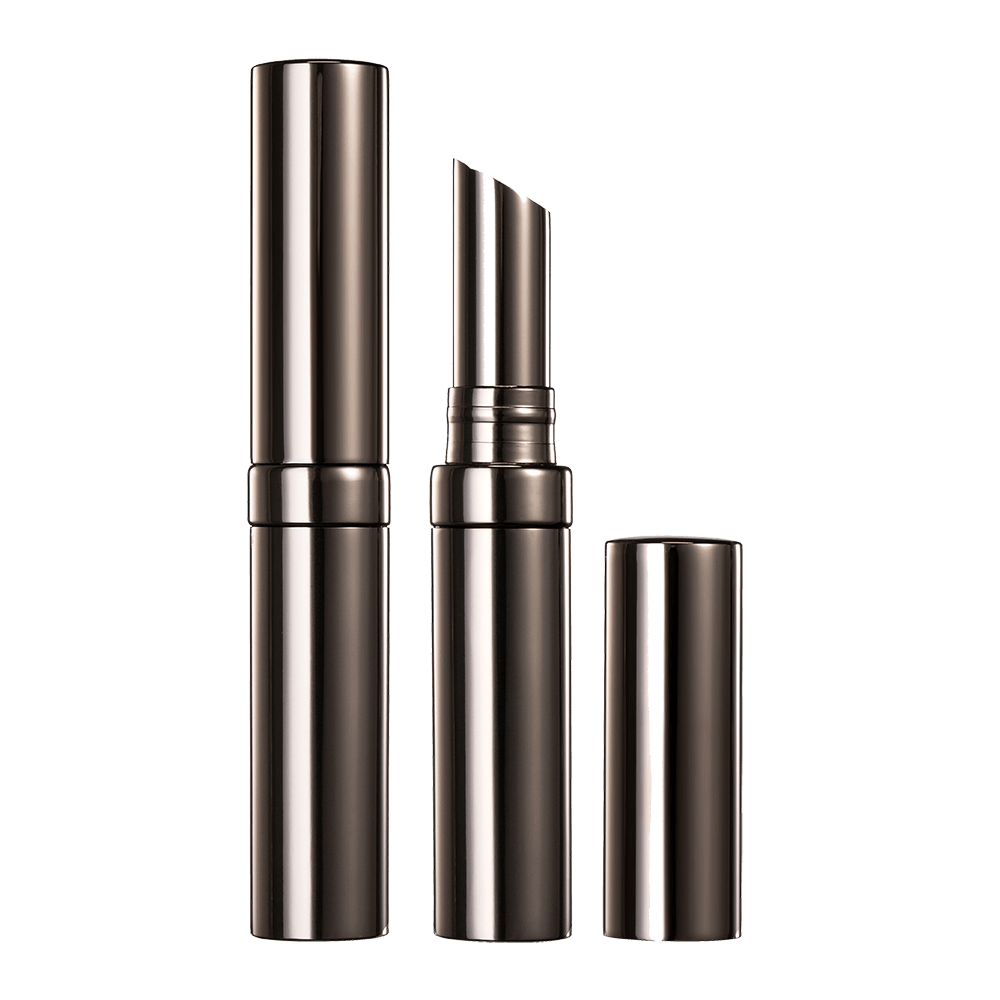
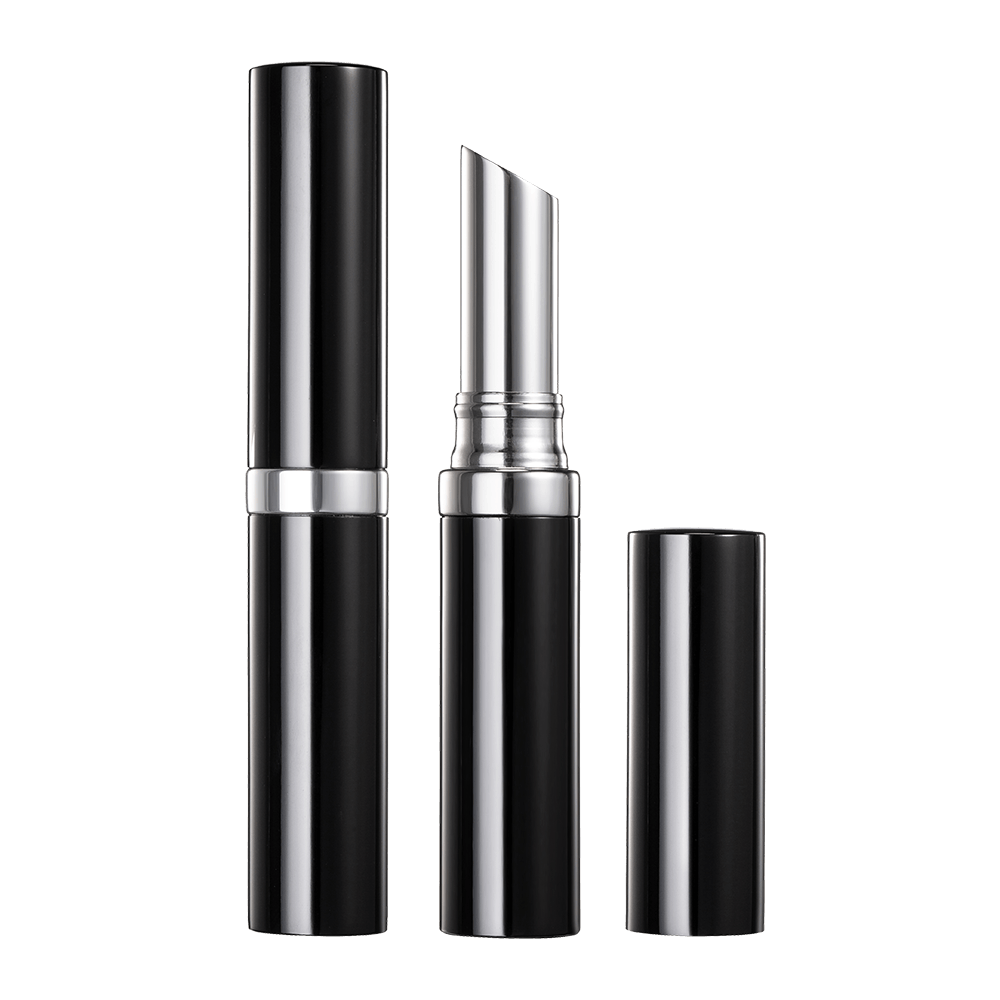
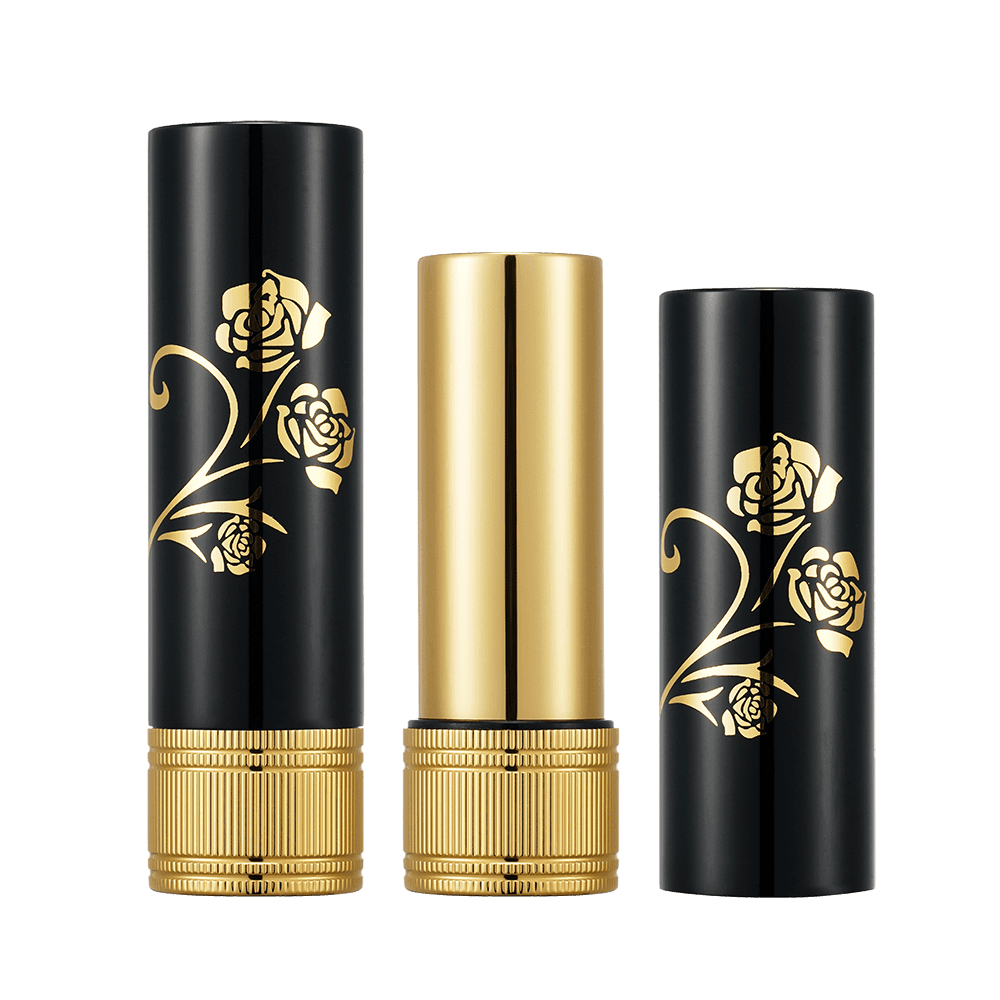
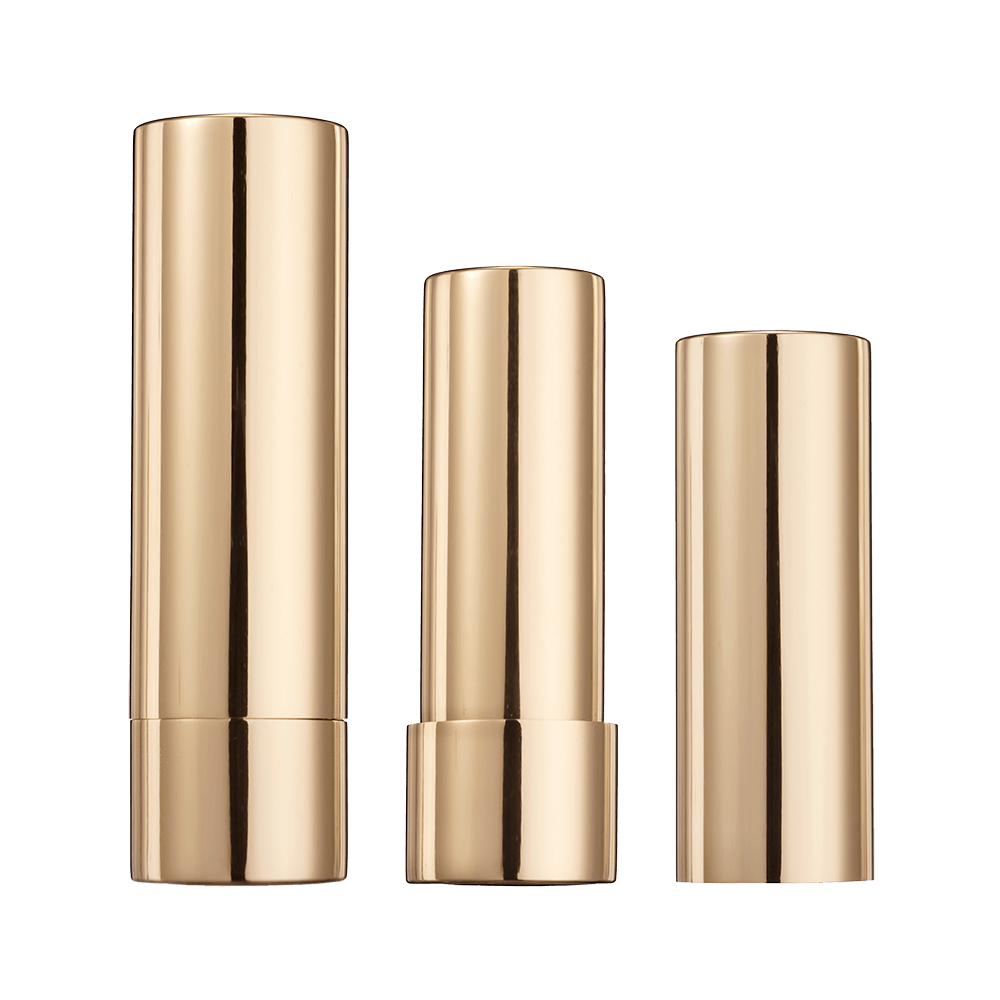
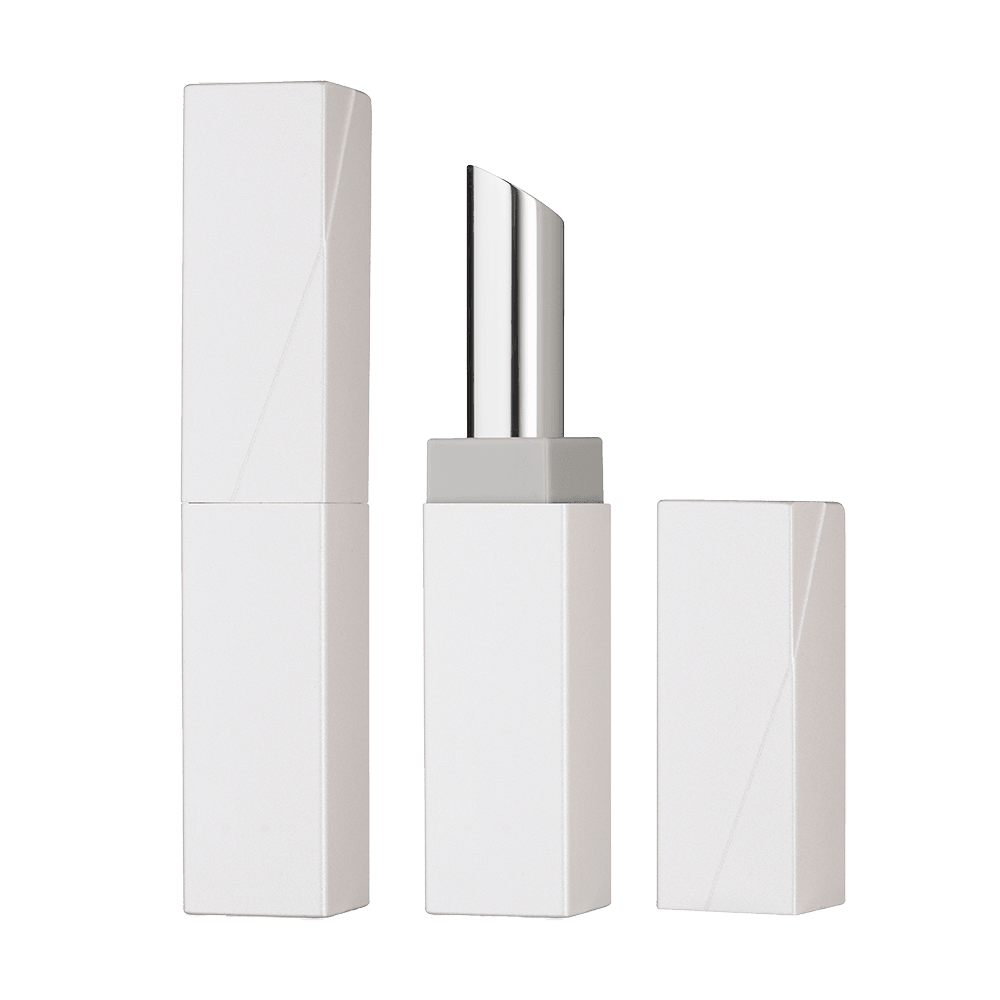
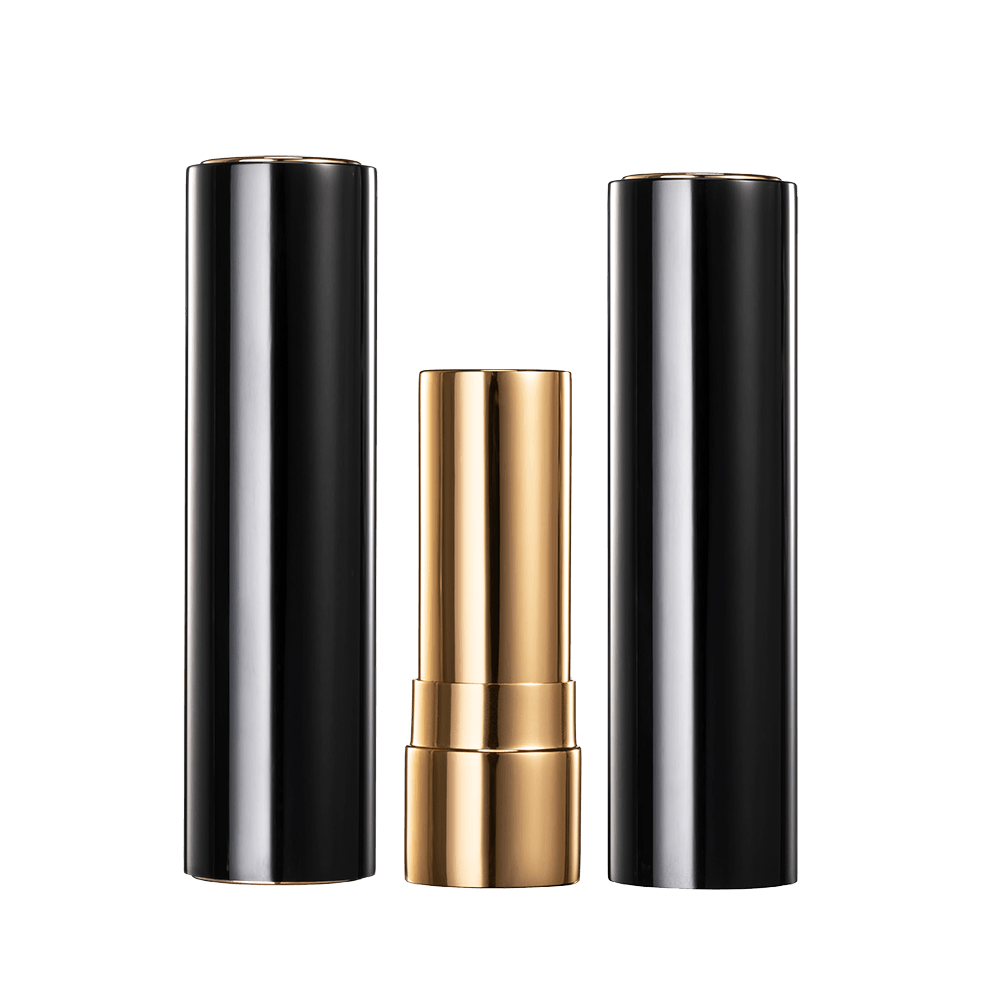
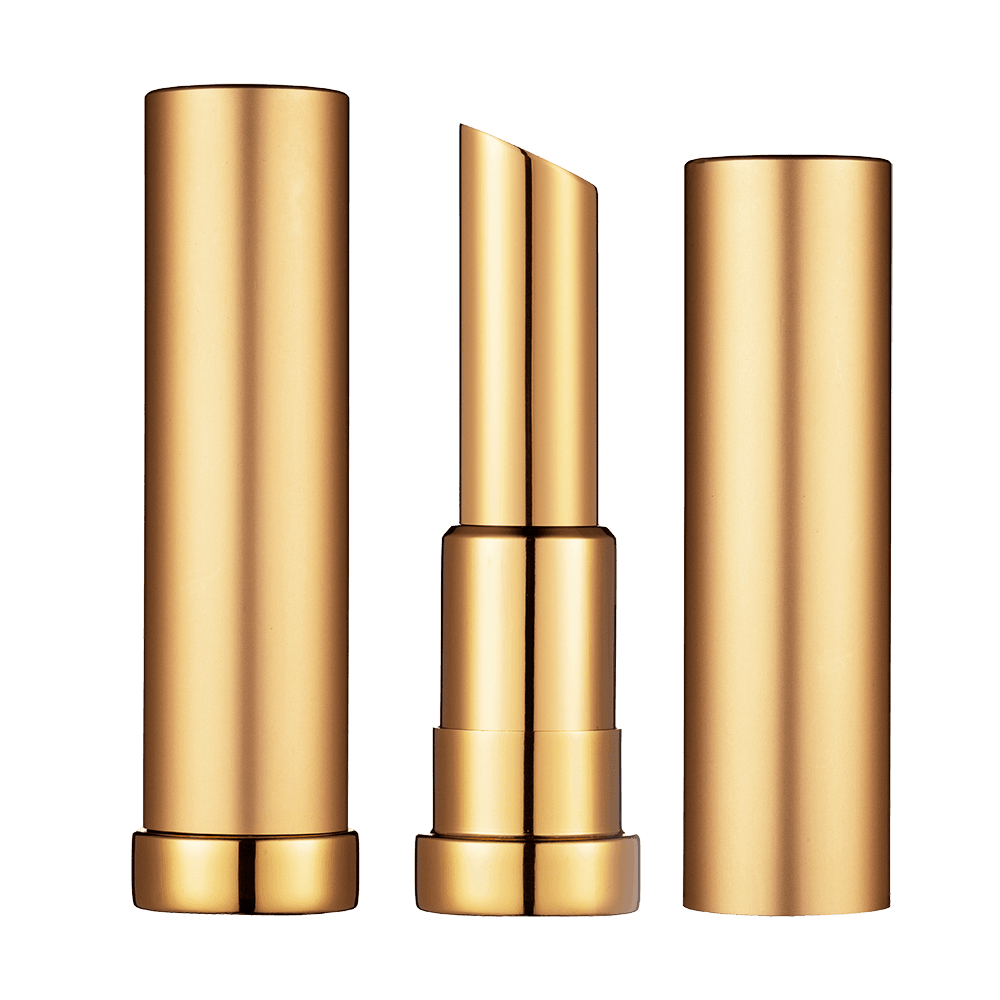
The color cosmetic packaging (such as lipstick tube, mascara tube, eyeliner, lip gloss, etc.) produced by the company is at the top of the industry with the advantages of "novel style, excellent quality, reasonable price, bright color, and wide variety". As Empty Lipstick Tubes Suppliers and Wholesale Aluminum Lipstick Tubes company in China, The customers are more than 20 domestic Our products are exported to many regions and countries in Europe, America, Middle East and Southeast Asia.
Strength determines development, and scale makes the future. Huihe Aluminum Plastics will continue to adhere to the policy of "excellent quality, innovative pursuit, rigorous management, and perfect service", adhere to the business philosophy of "customer first, service first", and "winning by quality" , With the corporate tenet of "Prosperity with sincerity", adding brilliance to the daily cosmetics packaging market. No matter when, Ningbo Huihe will serve you wholeheartedly, and warmly welcome new and old customers at home and abroad to go hand in hand with us to create brilliant!

35Million branch
Annual output

300Workers
Number of company

20Province
Products throughout
A lipstick tube is far more than a protective vessel — it is the primary physical touchpoint between a cosmetic brand and its consumer. Research by Mintel (2023) found that 71% of lipstick purchasers cite packaging appearance as a significant factor in their buying decision, placing it above fragrance and ahead of shade range for first-time buyers. This makes tube design a revenue-generating function, not merely a logistical one.
The choice between standard plastic bodies, aluminum lipstick tubes, and sourcing empty lipstick tubes for custom filling shapes brand positioning, retail price point, and sustainability credentials simultaneously. Getting this decision right at the outset saves significant re-tooling cost and brand repositioning effort later.
The global lipstick market was valued at USD 8.9 billion in 2023 and is forecast to reach USD 12.4 billion by 2030 at a CAGR of approximately 4.8% (Source: Statista, Cosmetics Market Outlook 2024). Within that market, premium lipstick — the segment most reliant on high-quality tube packaging — is growing nearly twice as fast as mass-market lipstick, underscoring the commercial logic of investing in superior tube formats.
Understanding the structural components of a lipstick tube is essential before making any sourcing or customization decisions. Each component interacts with the others and affects both consumer experience and formula protection.
Ningbo Huiho Cosmetics Packaging Co., Ltd. engineers each of these components with inter-component tolerancing specs verified at the assembly stage, ensuring that tube performance — smoothness, seal integrity, and finish adhesion — meets export-market standards consistently across production batches.
The lipstick packaging segment mirrors broader cosmetic packaging trends but benefits from a particularly strong premiumization dynamic: as brands migrate upmarket, they invest proportionally more in tube quality, surface finish, and refillable mechanisms. This trajectory informs when to scale investment in aluminum lipstick tubes and custom tooling.
This 3D-effect line chart maps the projected trajectory of the global lipstick packaging market from 2019 to 2030, sourced from Statista's Cosmetics Market Outlook 2024. The 2020 contraction to USD 5.4 billion directly reflects global lockdown-driven demand suppression in color cosmetics — a category particularly sensitive to social activity levels. Recovery accelerated sharply through 2021–2023, with the market reaching USD 8.9 billion in 2023, a recovery exceeding pre-pandemic levels by over 50%. The projection of USD 12.4 billion by 2030 represents a CAGR of approximately 4.8%, with premium segment packaging — including aluminum lipstick tubes and refillable formats — outperforming the market average growth rate. For packaging suppliers and brand developers, this trajectory confirms that sustained investment in quality tube design and material innovation will remain commercially justified through the decade.
Aluminum lipstick tubes have transitioned from a niche luxury option to a mainstream premium-tier expectation. Their ascent is driven by three converging forces: consumer demand for tactile quality signals, escalating sustainability requirements from EU and UK regulators, and advances in aluminum surface finishing that have dramatically expanded the design palette available to brand managers.
The radar chart offers a direct six-dimension comparison between aluminum lipstick tubes and their standard plastic counterparts across the metrics most consequential to brand managers and purchasing teams. Aluminum achieves near-maximum scores in design range, brand value, and sustainability — the three axes that most directly influence a brand's market positioning and long-term regulatory compliance. Plastic tubes retain a clear advantage in lightweight and cost efficiency, which remains relevant for high-volume mass-market SKUs where per-unit packaging cost directly affects retail price competitiveness. The Sustainability dimension shows the sharpest differential, with aluminum at 90% versus plastic at 38%, reflecting the measured recyclability gap between the two materials in real-world municipal collection streams (Source: European Aluminium Association, 2023). For brand managers evaluating a portfolio refresh or new line launch, this chart provides a practical visual framework for aligning tube material selection with declared brand values and target consumer expectations.
Procuring empty lipstick tubes for custom filling is the entry point for most private-label, indie, and white-label beauty launches. The category is considerably more technically nuanced than it appears: bullet diameter, mechanism stroke length, cup taper angle, and fill temperature tolerance all interact, and a mismatch between tube specification and filling facility capability can result in production losses exceeding 15–20% of a batch.
| Specification | Standard Range | Why It Matters |
| Bullet Diameter | 10 mm, 12 mm, 12.7 mm, 14 mm | Must match filling mold; mismatch causes pour overflow or bullet drop-out |
| Stroke Length | 16 mm – 24 mm | Determines formula exposure height; longer strokes suit pigment-rich formulas needing full application |
| Cup Taper Angle | 0° (straight) to 7° | Affects bullet release at end of stroke; incorrect taper creates cosmetic defects in bullet tip shape |
| Fill Temperature Tolerance | Up to 80°C (standard); up to 90°C (high-temp) | Plastic components deform above tolerance; aluminum tolerates higher fill temperatures without distortion |
| Inner Barrel Surface | Smooth, ribbed, or textured | Ribbed interiors improve bullet adhesion and reduce slippage in high-emollient formulas |
| Thread Pitch | 1.0 mm / 1.25 mm / 1.5 mm | Finer pitch gives smoother rotation; coarser pitch increases drive force but reduces tactile refinement |
This 3D column chart presents the distribution of bullet diameter preferences across orders for empty lipstick tubes, drawn from Huiho Cosmetics Packaging's 2023 production order data. The 12.7 mm diameter commands the largest single share at 48%, reflecting its status as the industry-wide de facto standard for mainstream retail lipstick — a legacy of decades of filling equipment standardization at major contract manufacturers globally. The 12 mm format is a close second at 42%, popular with European-market brands that favor a slightly slimmer profile for femininity positioning. The 14 mm diameter at 22% serves volumizing and jumbo formats, increasingly popular in the bold-lip trend segment. Smaller diameters (10–11 mm) are favored for travel minis and lip care balm-stick hybrids, while 15 mm remains a niche format for artist-grade professional sticks. Understanding this distribution allows brands to select the diameter most likely to be supported by their contract filling partner without requiring custom tooling investment.
Premium lipstick tube demand — defined here as aluminum or custom-decorated tubes at above-standard price tiers — is not evenly distributed globally. Asia-Pacific has emerged as the dominant growth engine, but the Middle East and Latin America are the fastest-growing regions in percentage terms, making them strategically important for forward-looking packaging suppliers and brand developers.
The horizontal bar chart details the regional composition of premium lipstick tube demand in 2023, based on Cosmetics & Toiletries Market Intelligence data. Asia-Pacific's dominant share of 41% is concentrated in China, South Korea, and Japan, where gifting culture and the K-beauty and C-beauty movements both mandate premium packaging as a product launch prerequisite. North America at 20% is influenced by the clean-beauty movement's intersection with premiumization — brands increasingly choosing aluminum to signal ingredient integrity alongside packaging elegance. Europe's 17% is shaped significantly by sustainability regulation, with brands in France, Germany, and the UK accelerating shifts to aluminum to meet packaging recyclability targets. The Middle East's 11% reflects the Gulf region's appetite for luxury cosmetic goods, where packaging quality is weighted even more heavily than in Western markets as a proxy for product quality. Latin America at 8% represents an emerging premium opportunity driven by Brazil's cosmetics market expansion, the world's fourth largest (Source: ABIHPEC, 2023).
The surface of a lipstick tube is a brand's most concentrated piece of retail communication. On a standard 12.7 mm tube, the cap and barrel together offer approximately 18–22 cm2 of printable or coatable surface area. How that area is used determines whether the tube reads as generic or desirable from three meters away on a retail shelf.
Ningbo Huiho Cosmetics Packaging Co., Ltd., headquartered in Ningbo, Zhejiang Province — widely recognized as the "Venice of the East" — supports all of these surface treatment options on its lipstick tube product line. As a professional manufacturer of large-scale daily cosmetics packaging, the company has built specialized process lines for aluminum anodizing and laser engraving to serve prestige-tier clients requiring replicable premium finishes across high-volume production runs.
Regulatory and consumer pressure is reshaping the material calculus for lipstick tube packaging more rapidly than any other force in the industry. The EU's Packaging and Packaging Waste Regulation (PPWR), entering into force in 2025, requires that all cosmetic packaging be recyclable by design, with mandatory recycled content thresholds phased in through 2030. Brands that proactively transition to aluminum lipstick tubes or PCR-content plastic tubes are ahead of this curve.
Refillable lipstick tube systems — where a premium outer shell is sold once and refill bullets are purchased separately — represent the most aggressive form of packaging waste reduction available to lipstick brands. Lifecycle analysis data indicates that a refillable lipstick system reduces per-use packaging material consumption by 65–80% compared to single-use tubes (Source: Quantis Lifecycle Assessment Institute, 2022). The outer shell, typically aluminum, is designed for 10–15 refill cycles with no loss of mechanism performance.
Consumer acceptance of refillable formats has grown significantly: a 2023 survey by Euromonitor International found that 58% of beauty consumers aged 25–44 in Western European markets expressed willingness to pay a premium for a refillable lipstick system, up from 34% in 2019. This shift validates the commercial rationale for brands investing in refillable aluminum tube tooling.
Ningbo Huiho Cosmetics Packaging Co., Ltd. is located in Ningbo, Zhejiang Province, known as the "Venice of the East." It is a professional manufacturer of large-scale daily cosmetics packaging in China. After years of continuous research, development, and innovation, its products have won praise and trust from domestic and foreign merchants. It has a reputation in the industry and has set a model for the cosmetics packaging industry. The company's lipstick tube product range — encompassing aluminum lipstick tubes, empty lipstick tubes, and refillable formats — is designed to serve both mass-market and prestige-tier brand partners with equal production rigor.